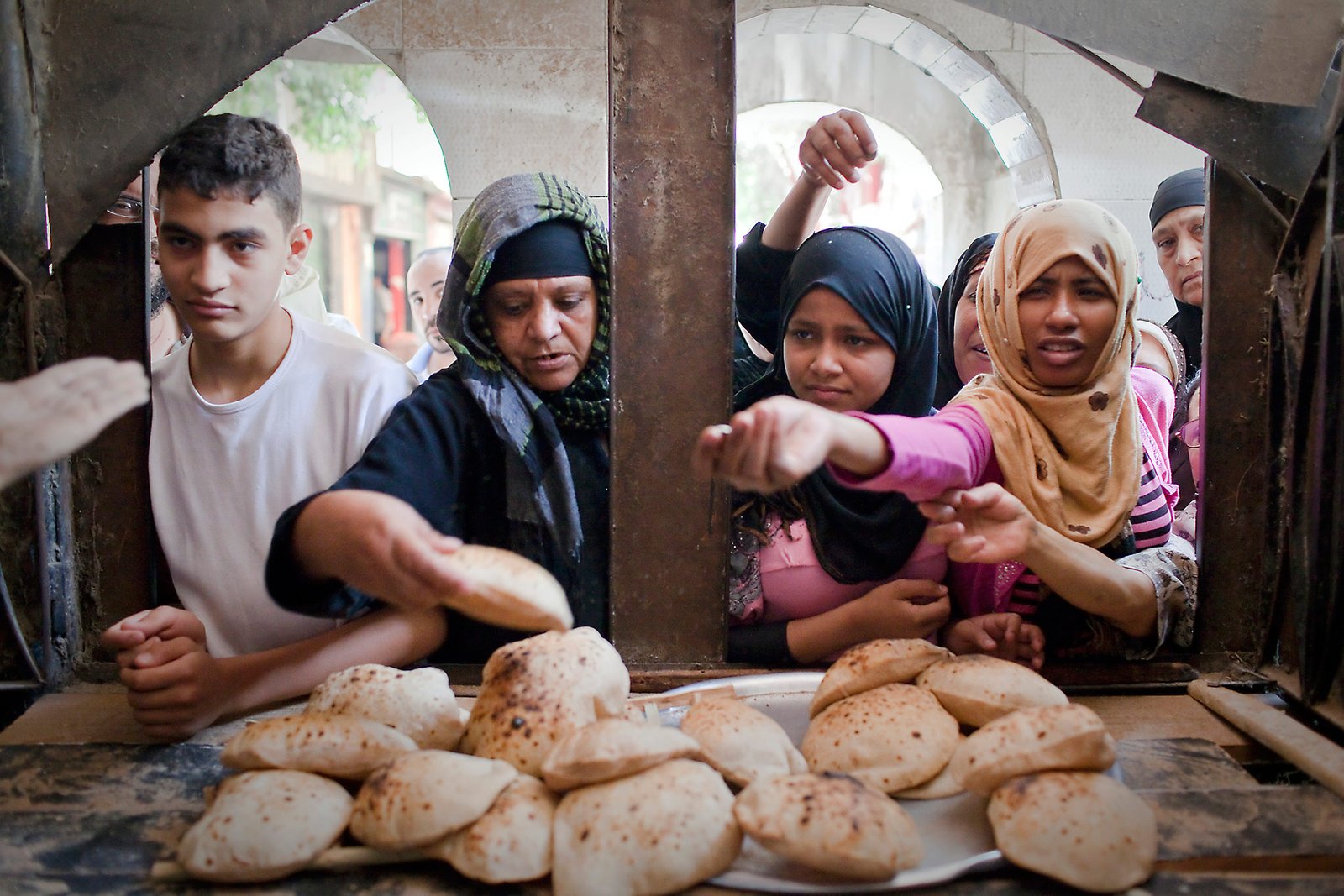
The Ethnic and Genetic Origins of the Egyptian People
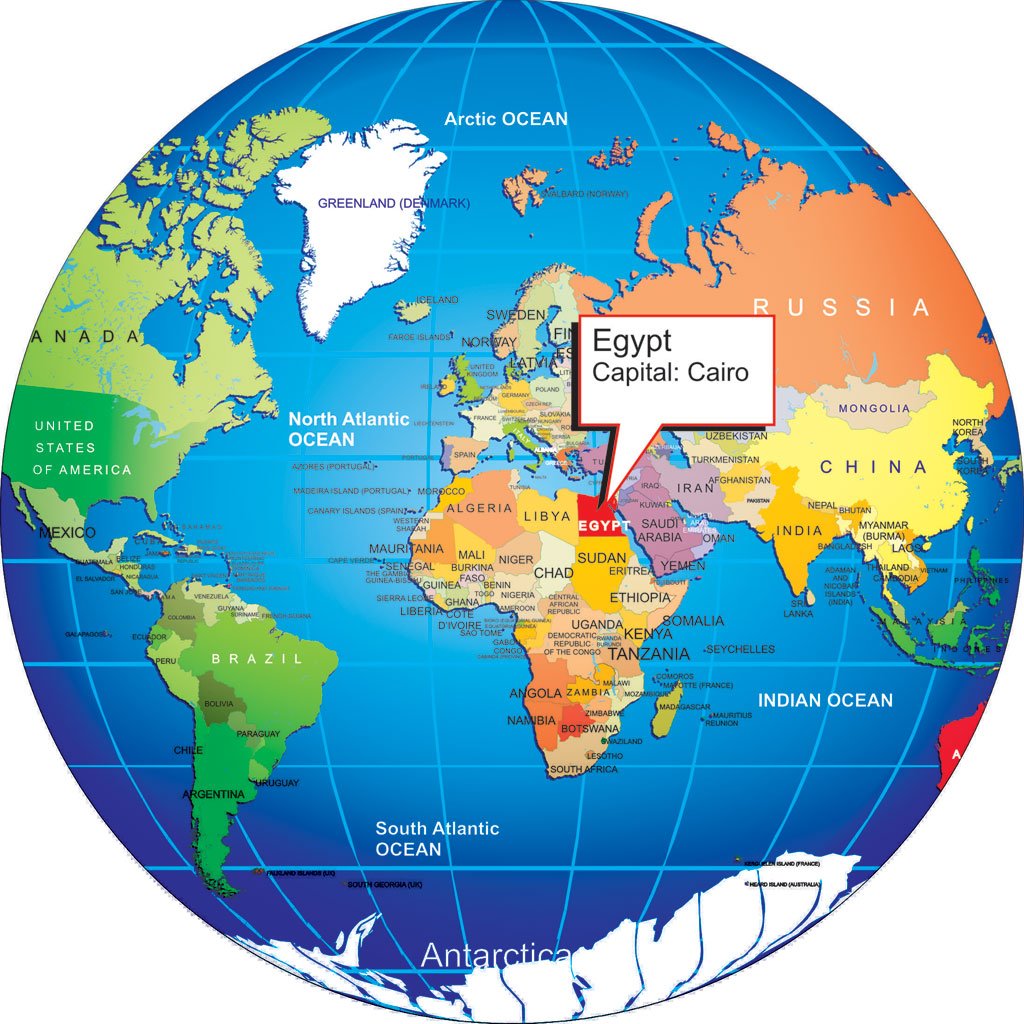
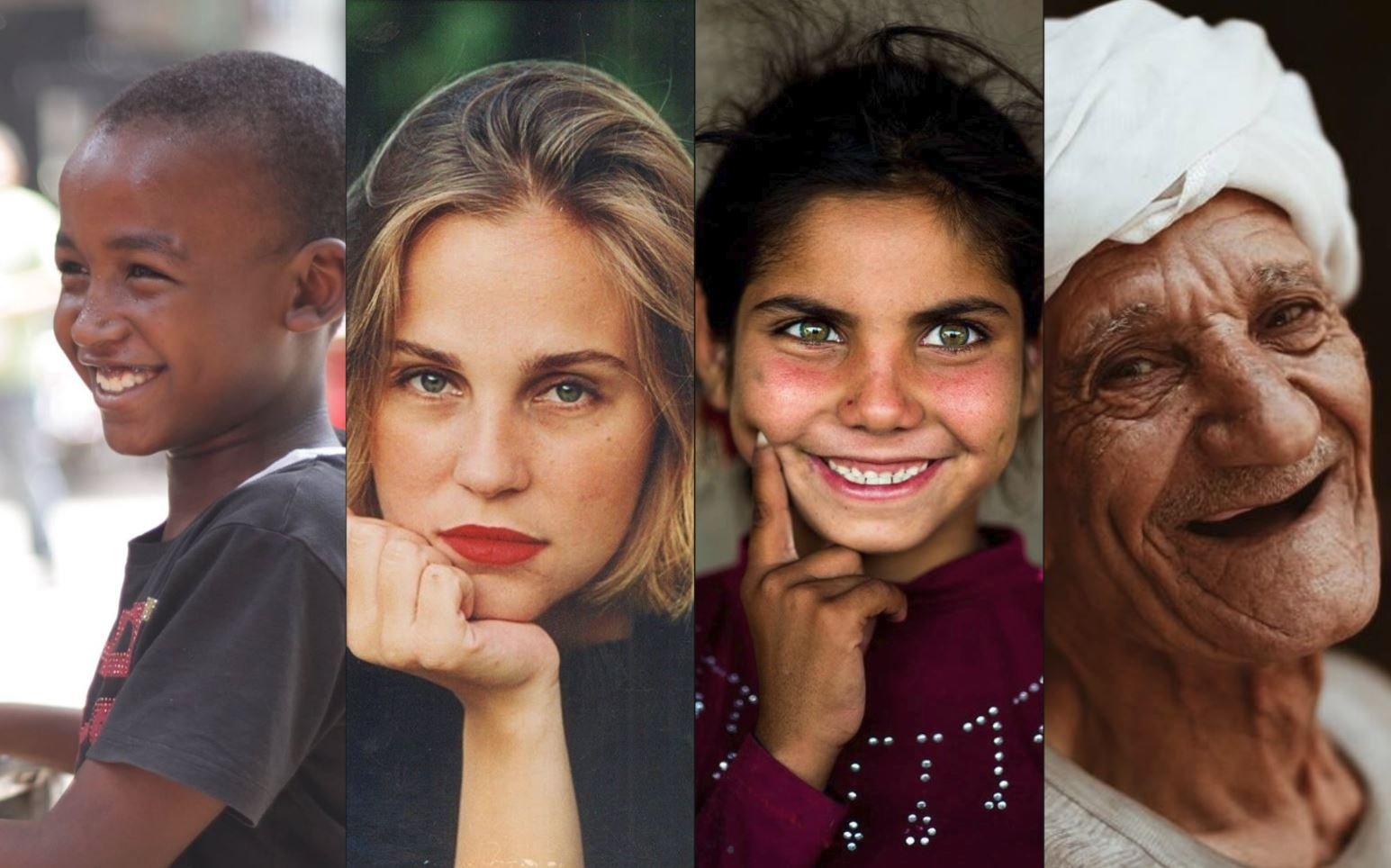
The Egyptian people are among the oldest on Earth. Their ethnic and genetic origins represent a unique blend that combines, on the one hand, a remarkable historical continuity, and, on the other, cultural integration and multiple genetic layers introduced over the centuries due to the country’s strategic geographical location.
Based on modern anthropological and genetic research (such as the Genographic Project and data from DNA research institutes), the genetic origins of the Egyptian people can be divided into several main pillars:
1. The Fundamental Foundation: Ancient Egypt (North Africa)
Modern genetic studies conducted on both ancient Egyptian mummies and modern Egyptians (Muslims and Copts) have revealed a striking fact: there is a very strong genetic continuity between modern Egyptians and their Pharaonic ancestors.
- The overwhelming majority of the genes of modern Egyptians trace back to the indigenous population of the Nile Valley and Northeast Africa, who have lived in this region for thousands of years.
- These genes possess unique characteristics specific to the inhabitants of the Nile Basin and North Africa, and form the basis of the Egyptians’ genetic identity.
2. Genetic Inflows and Migrations (Through the Centuries)
Since Egypt has always been a crossroads of worlds and the center of great empires, throughout its long history it has welcomed waves of migration that have left their mark (in varying proportions) on the genetic map:
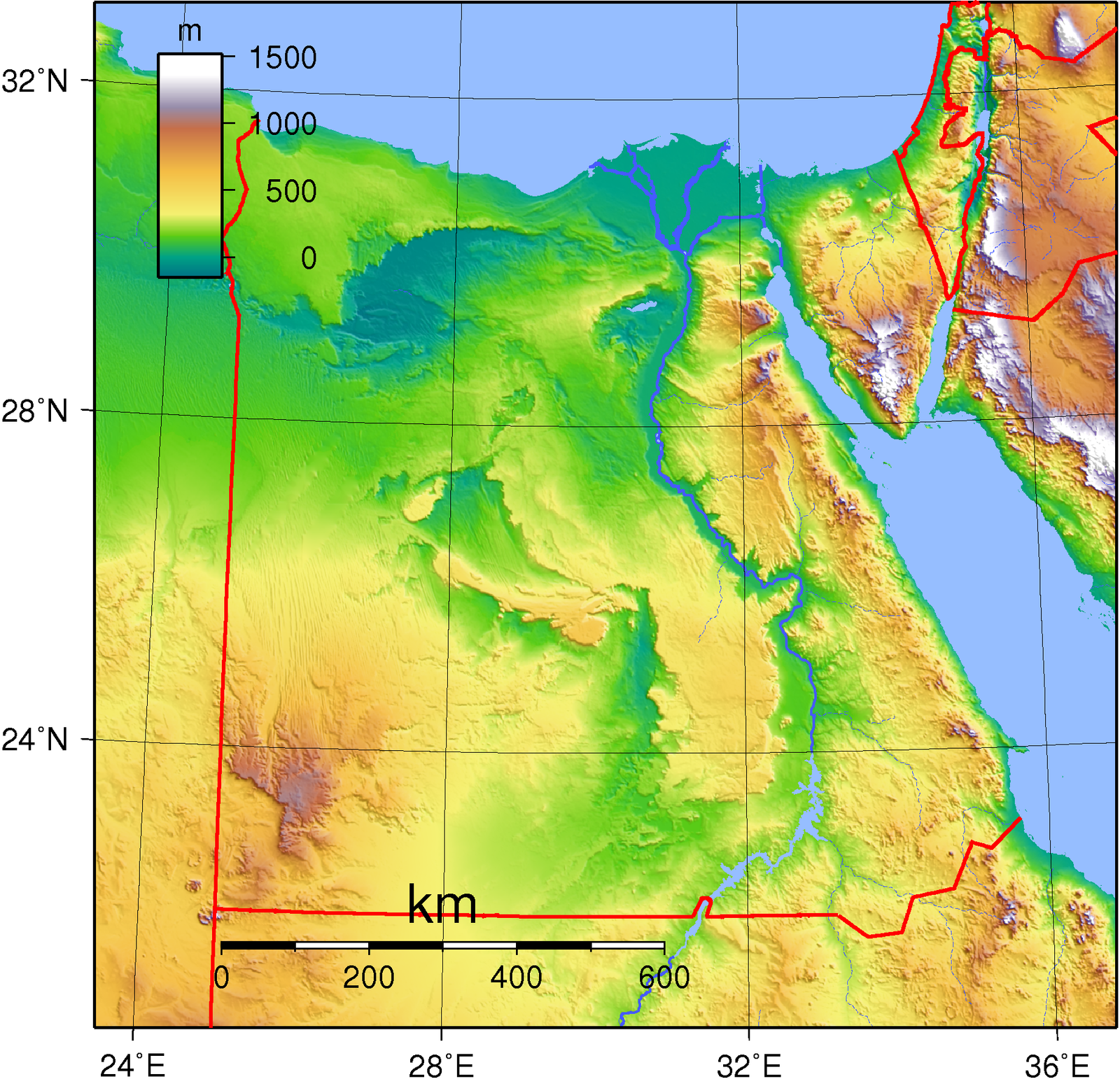
- Arab (Middle Eastern) Roots: With the Islamic conquest of Egypt and the arrival of Arab tribes who settled in the Delta, Upper Egypt, and the Sinai, significant intermingling occurred. This added a distinct Middle Eastern (Arab) component, especially in those regions where the tribes settled most densely.
- Mediterranean roots: Thanks to trade ties and conquests (by the Greeks, Romans, Ptolemies), a genetic link can be traced between some Egyptians—especially on the northern coast and in the Delta—and the peoples of Southern Europe and the Mediterranean basin.
- African Roots (Sub-Saharan): Due to geographical proximity, trade along the Nile, and historical ties with Nubia and Sudan, there has been a steady genetic influx from Sub-Saharan Africa. The proportion of these genes gradually increases as one moves southward into Upper Egypt.
- Ottoman, Circassian, and Balkan Roots: During the Mamluk, Ottoman, and Muhammad Ali eras, military garrisons and families of Turkish, Circassian, Albanian, and Armenian descent settled in Egypt. Although this influence was mainly concentrated in major cities (such as Cairo and Alexandria) and among the ruling class of the time, it has been completely assimilated into the broader Egyptian ethnic group.
In conclusion:
Genetically and culturally, Egyptians are not an immigrant people. They are the indigenous children of their land, who have absorbed and assimilated into their genes and culture all those who have passed through this territory. The “indigenous Egyptian component” remains dominant, accounting for an average of 65% to 75%, harmoniously complemented by genetic contributions from the Middle East, Africa, and the Mediterranean.