Tourist Market Egypt
$ USD
$ USD USD Default
1 USD = 1.0000 USD
EUR EUR
1 USD = 0.8600 EUR
£ GBP British pound
1 USD = 0.7400 GBP
Filter by Category
<p>Where does the name "Hurghada" come from?</p>

The name "Hurghada" is derived from the Arabic word "gharqad," which refers to a type of thorny shrub that was once abundant in the region. This shrub, also known as "Nabt al-ghardaq" or "A'oosaj," was commonly called "Anab al-deeb" (wolf's grapes) in colloquial Arabic. Due to the widespread presence of this plant in the area, the city was named after it, essentially meaning "the city of gharqad." This name was given when Hurghada was a small fishing village before the discovery of oil and the rise of tourism. Although the correct pronunciation in classical Arabic is "gharqad," the name is often pronounced as "ghardaq" in various Arabic dialects, including those spoken in Egypt, Kuwait, Sudan, and eastern Saudi Arabia.

<p>How and when did Hurghada transform into a tourist city?</p>

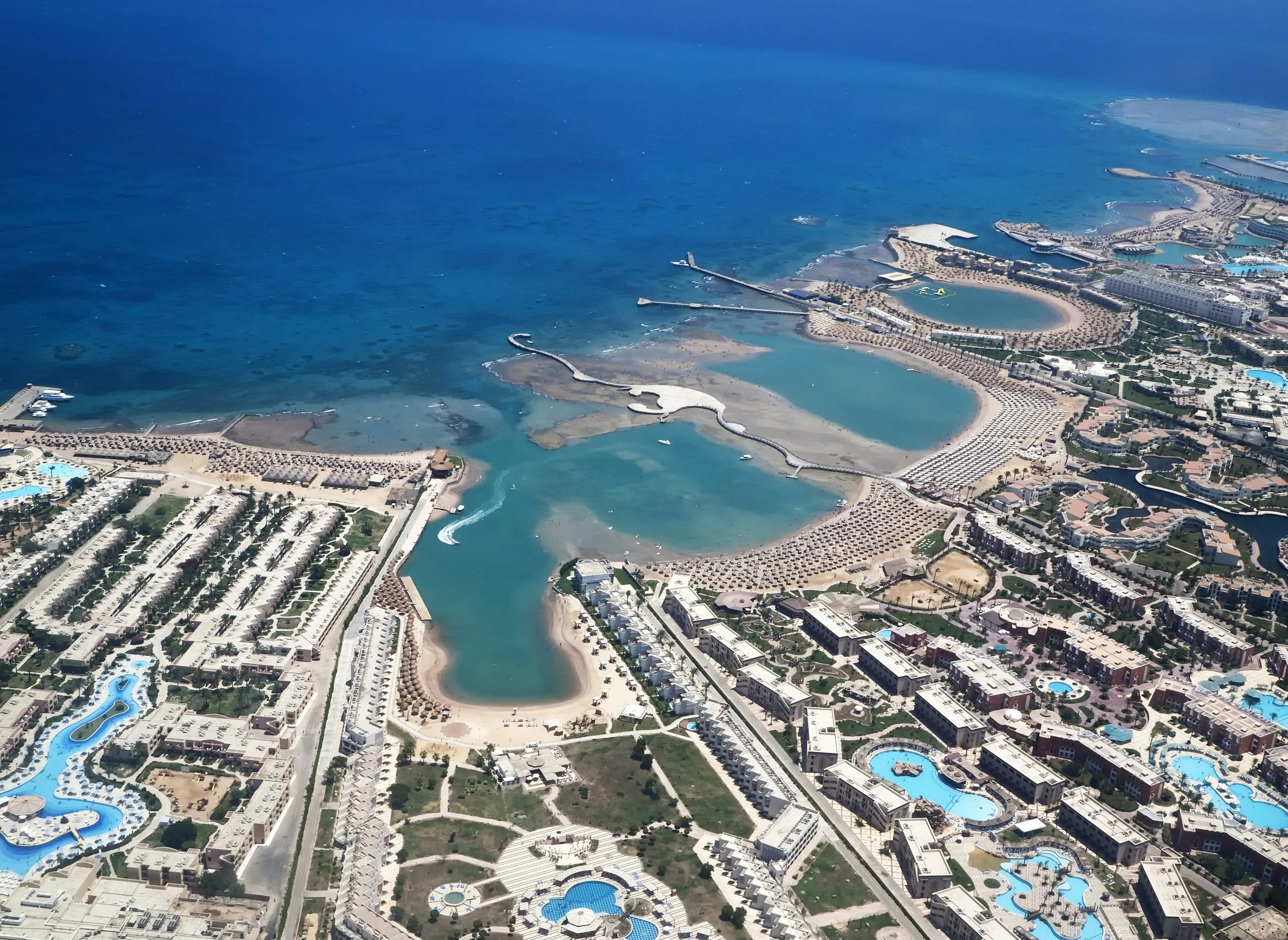
Hurghada began as a small fishing village, with nearby quarries for extracting phosphorus and sulfur. The significant change came with the discovery of oil along the Red Sea coast, attracting foreign oil companies. To accommodate the workers and their families, the Sheraton Hurghada Hotel was built and opened in 1963. This hotel not only served as a base for oil company employees but also marked the beginning of tourism in the area. The main street in Hurghada is named after this hotel, known today as Sheraton Street. In the 1980s, the Egyptian government recognized Hurghada's potential as a tourist destination and initiated the construction of more hotels. The first government-owned hotel, named Magawish after the nearby Magawish Island, was built, and it is currently the site of the Rixos Magawish Hurghada. With the entrance of the private sector into hotel construction, the number of hotels along the Red Sea coast has now exceeded 300. This development has established Hurghada as a major hub for tourism in Egypt, attracting visitors from around the world.

<p>What is the best time of year to visit the resorts in Hurghada?</p>

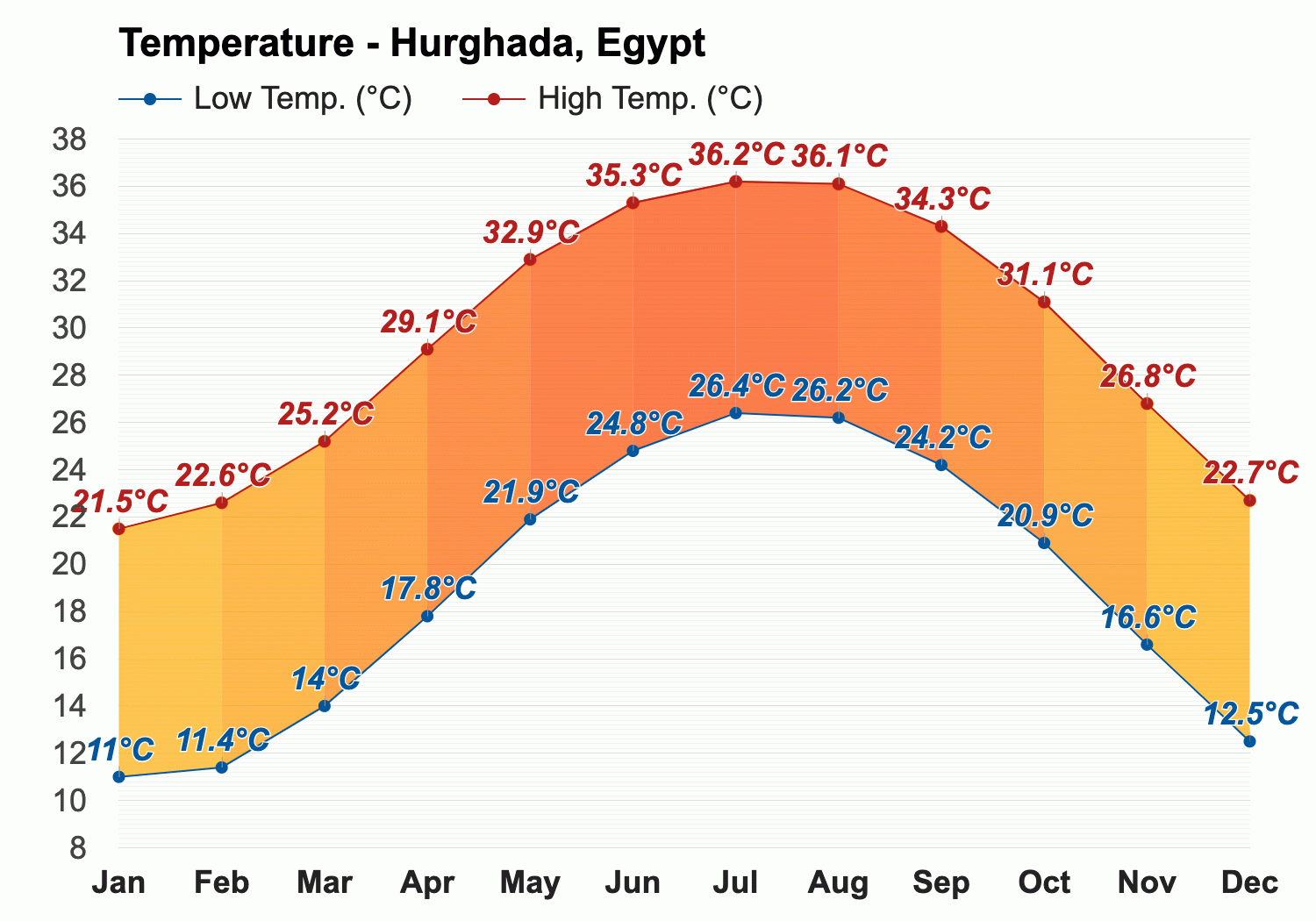
In general, Hurghada can be visited year-round due to its southern location in the tropical region, which provides a relatively mild climate. This makes it a popular destination for both summer and winter vacations throughout the year. The best time to visit Hurghada is during the spring months of March, April, and May. During this period, the weather is pleasantly warm, making it ideal for outdoor activities and beach relaxation. Temperatures typically range from 20 to 30 degrees Celsius, and the winds are generally mild, providing a comfortable atmosphere. As summer approaches, particularly in June, July, and August, temperatures can soar above 30 degrees Celsius, which may be too hot for some visitors. Fall, particularly September, October, and November, offers another excellent window for visiting. The weather during these months is still warm but more manageable compared to the peak summer heat. In winter, from December to the end of February, temperatures drop to below 20 degrees Celsius, which can be quite chilly for beach activities. Overall, spring and fall are the most favorable times to enjoy Hurghada's beautiful resorts and stunning underwater landscapes.

<p>What are the top 10 places to visit in Hurghada for sightseeing and leisure?</p>

Hurghada offers a diverse range of attractions for visitors seeking adventure, relaxation, or a taste of local culture. Here are the top 10 places to explore:

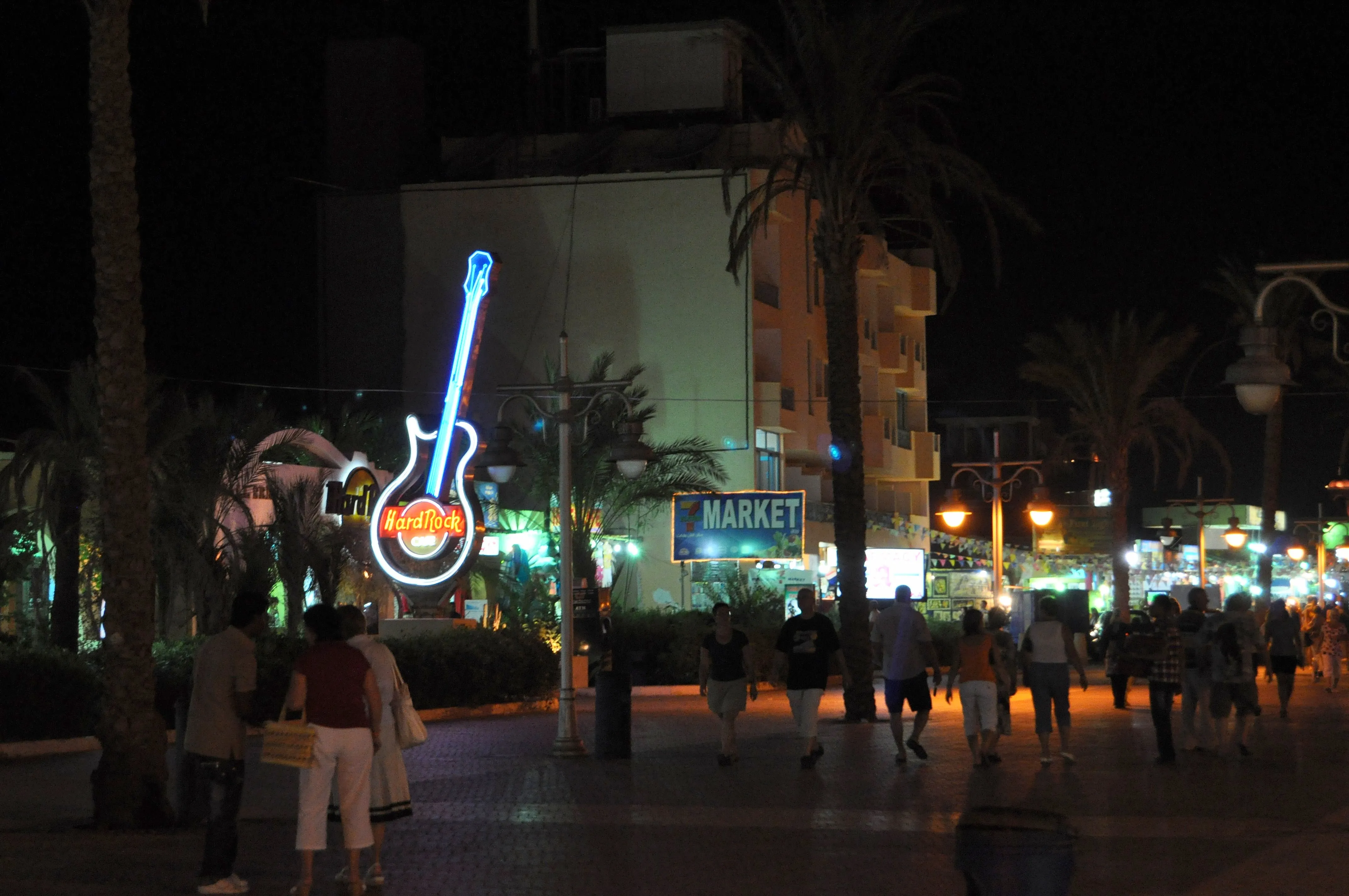
  1. Sheraton Street: This bustling street is the heart of Hurghada, lined with shops, bazaars, and restaurants catering to tourists
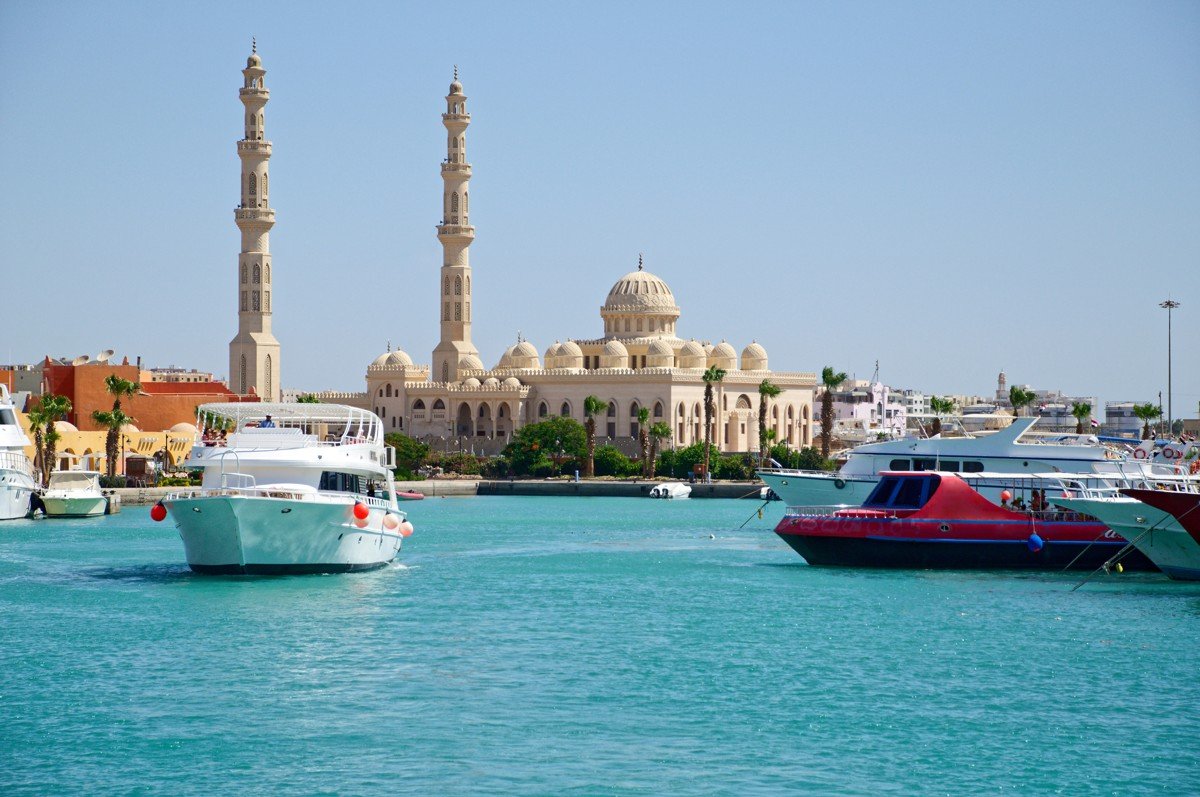
  2. Hurghada Marina: Enjoy a leisurely stroll along the marina, admiring the yachts and visiting the trendy cafes
  3. The Promenade: Take a scenic walk along the 7-kilometer promenade and soak up the beautiful hotel views
  4. Sherry Street Promenade: Discover local shops and savor delicious meals at traditional restaurants in this vibrant area
  5. Al-Kothr District: Explore the main street of Al-Kothr, filled with restaurants and shops offering a variety of products
  6. Dahar Old Market: Immerse yourself in the local culture by visiting this traditional market with its unique shops and bazaars
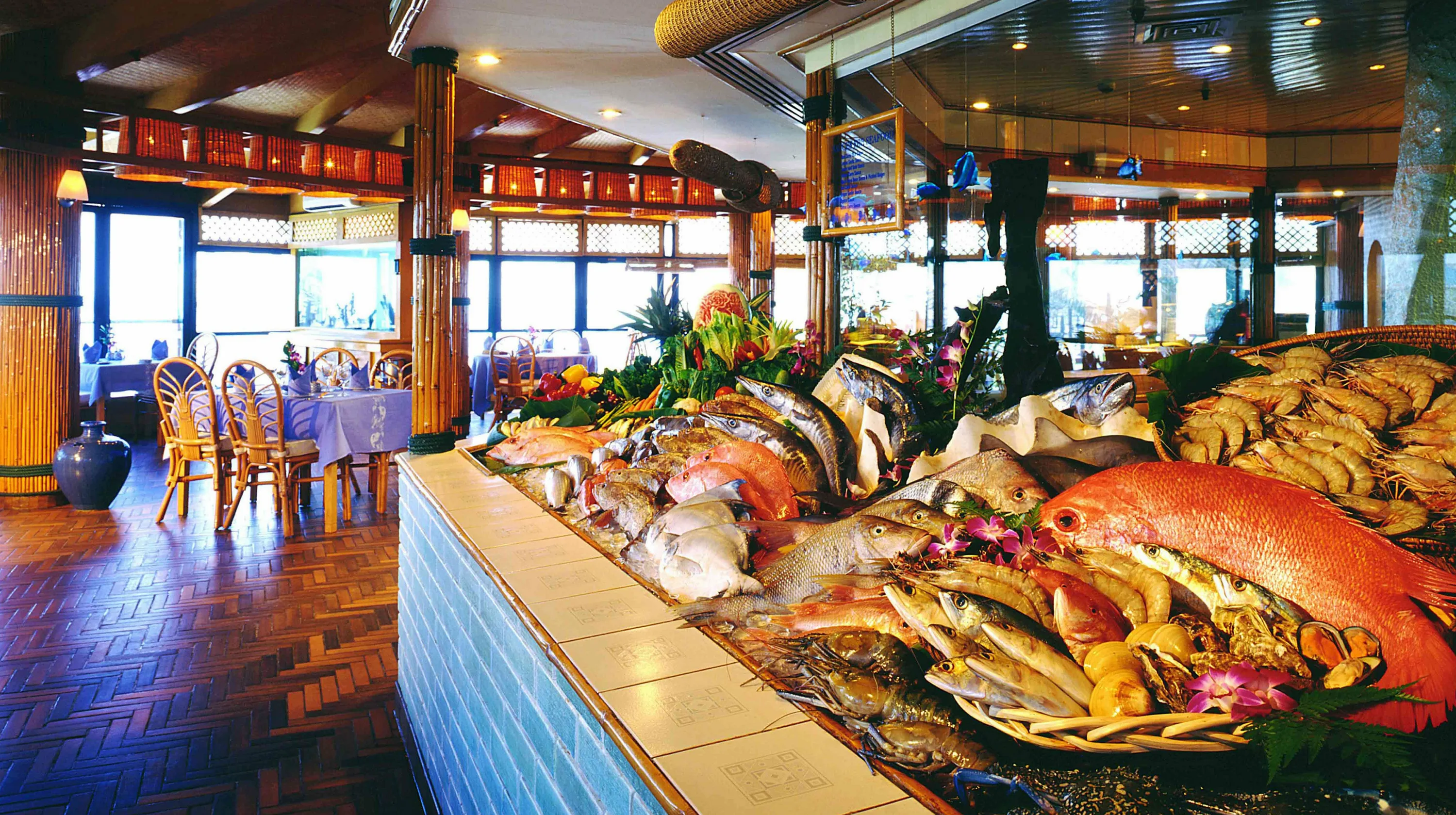
  7. Fish Market: Witness the daily hustle and bustle of the fish market and purchase fresh seafood
  8. Fruit and Vegetable Market: Experience the local produce and find fresh fruits and vegetables
  9. Senzo Mall: Indulge in retail therapy at this modern shopping mall with a wide range of stores
  10. Hurghada City Centre Mall: Enjoy a more upscale shopping experience at this large and modern mall

These ten locations offer a variety of experiences, from traditional markets to modern shopping malls, allowing visitors to explore the best of what Hurghada has to offer.

<p>What are the top 10 fish restaurants in Hurghada?</p>
  1. Star Fish Restaurant
  2. Al Halaka Fish Restaurant
  3. El Mina Fish Restaurant
  4. King Fish Restaurant
  5. Hefny Fish Restaurant
  6. Alsheraa Fish Restaurant
  7. City Fish Restaurant
  8. Family Fish Restaurant
  9. Scampi Restaurant
  10. Fish Market Restaurant

You can also enjoy our delivery service to order all the special and fresh seafood dishes from the best seafood restaurants in Hurghada without having to leave your hotel. This way, you won't waste your precious vacation time or money on transportation.

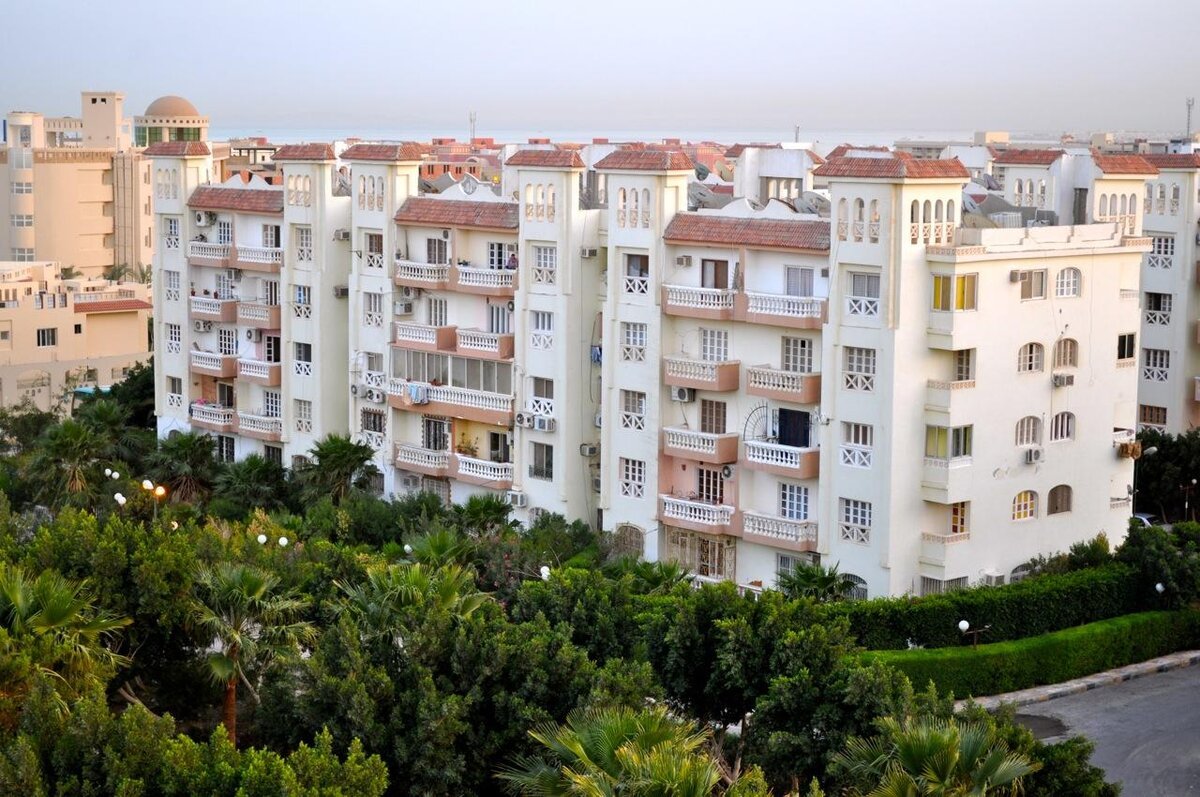
<p>Why is the maximum height of buildings in Hurghada limited to only five stories?</p>

There are several reasons for the restriction on building heights in Hurghada:

  1. Safety Concerns: Hurghada is located in the Red Sea's seismic belt, making it susceptible to earthquakes. Limiting building height reduces risks associated with seismic activity
  2. Proximity to the Airport: Hurghada International Airport is adjacent to residential areas, necessitating height restrictions to ensure flight safety and prevent obstruction
  3. Horizontal Urban Expansion: The city aims for horizontal growth in the desert rather than vertical development, preventing overcrowding and maintaining a balanced urban landscape
  4. Infrastructure Preservation: Many older neighborhoods near the coast were established before tourism and lack robust infrastructure. Tall buildings could strain these facilities
  5. Aesthetic Appeal: As a tourist destination, maintaining a visually appealing skyline is crucial. Random high-rise developments could disrupt the city's beauty
  6. Preserving Sea Views: Limiting building heights ensures that more properties have access to beautiful sea views, enhancing the overall experience for residents and visitors alike
<p>What are the prices of apartments in Hurghada?</p>

The prices of apartments in Hurghada range from around 20,000$ for economical options to 120,000$ for luxury units, with an average price of about 60,000$. The cost largely depends on the apartment's location, proximity to the sea and city center, as well as its size. Typically, apartment sizes in Hurghada range from 50 to 120 square meters. There are studio apartments featuring one bedroom, an open living area, kitchen, and bathroom. Additionally, you can find two-bedroom apartments with an open living area, kitchen and bathroom, and three-bedroom apartments with an open living area, kitchen and bathroom. Monthly utility costs average around 10$ for water and sewage, 20$ for electricity, and 5$ for gas.

<p>How can foreigners obtain a residence visa for the purpose of living in Egypt?</p>

Foreigners can obtain a residence visa in Egypt through a specific option known as the Property Residence Visa. This visa is granted to individuals who own property in Egypt valued at 100,000$ or more. Based on this property, a free annual residence permit is issued, which is renewable as long as the property remains in the owner's name.

The duration of the Property Residence Visa increases with the value of the property. For example, if the property is valued at 400,000$, a three-year residence permit is granted, which can be renewed periodically as long as the property is still owned by the applicant.

To qualify for the Property Residence Visa, the applicant must meet the following conditions:

  1. Enter Egypt with a valid tourist visa, an entry visa, or a regular visa
  2. Provide proof of the funds used for purchasing the property, which must be transferred through Egyptian banks. By law, cash or unofficial money transfer methods are prohibited, so funds must be transferred from the applicant's bank in their home country to an official Egyptian bank (such as the National Bank of Egypt, Bank Misr, or Banque du Caire)
  3. Present a registered and notarized property ownership contract with the Egyptian Notary Public
  4. Provide a valid passport

The process is not lengthy, and residency can be obtained within 30 days after submitting the required documents. If the property value is below $100,000, a regular residence visa can be obtained at an annual cost of approximately 170$, which is renewable each year.

Didn't find an answer to your question?

Contact us and we'll be happy to help you