Tourist Market Egypt
$ USD
$ USD USD Default
1 USD = 1.0000 USD
EUR EUR
1 USD = 0.8600 EUR
£ GBP British pound
1 USD = 0.7400 GBP
Filter by category:
<p>What is the area of Egypt?</p>

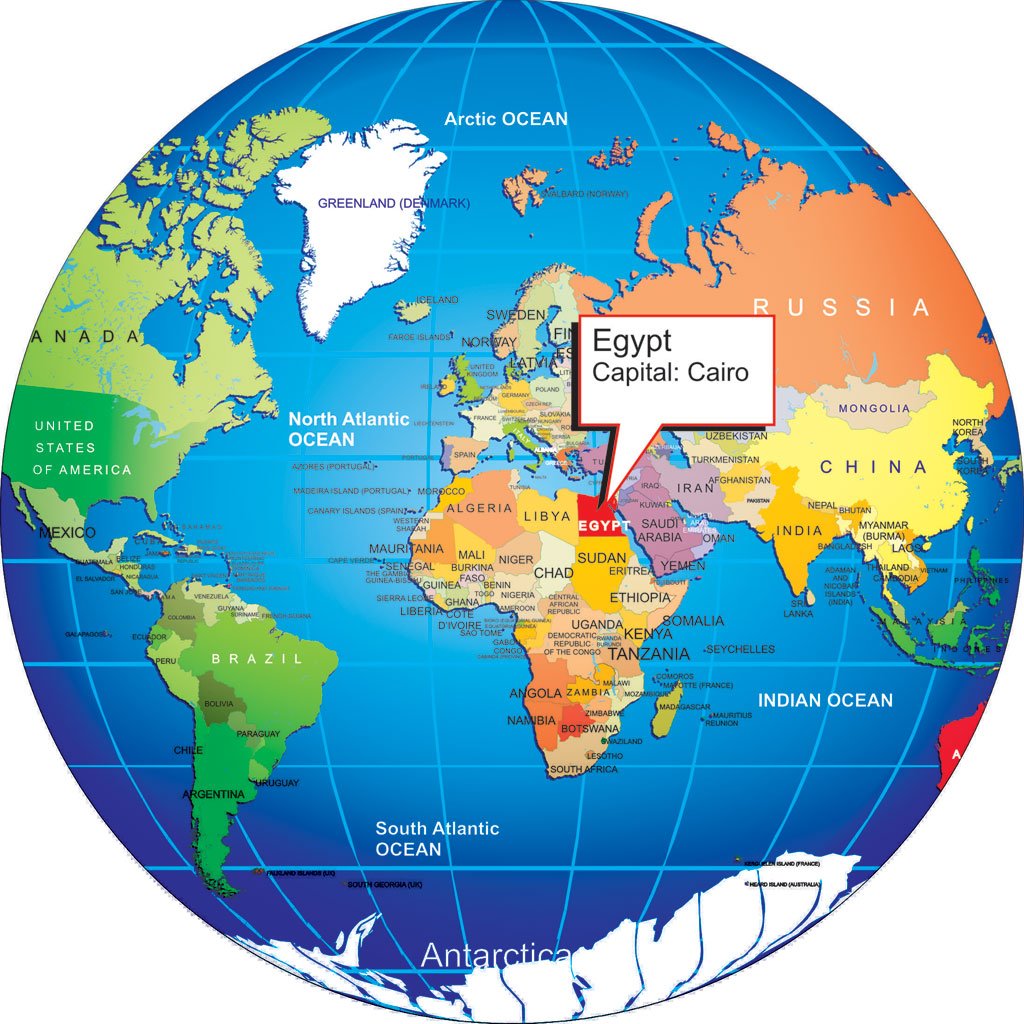
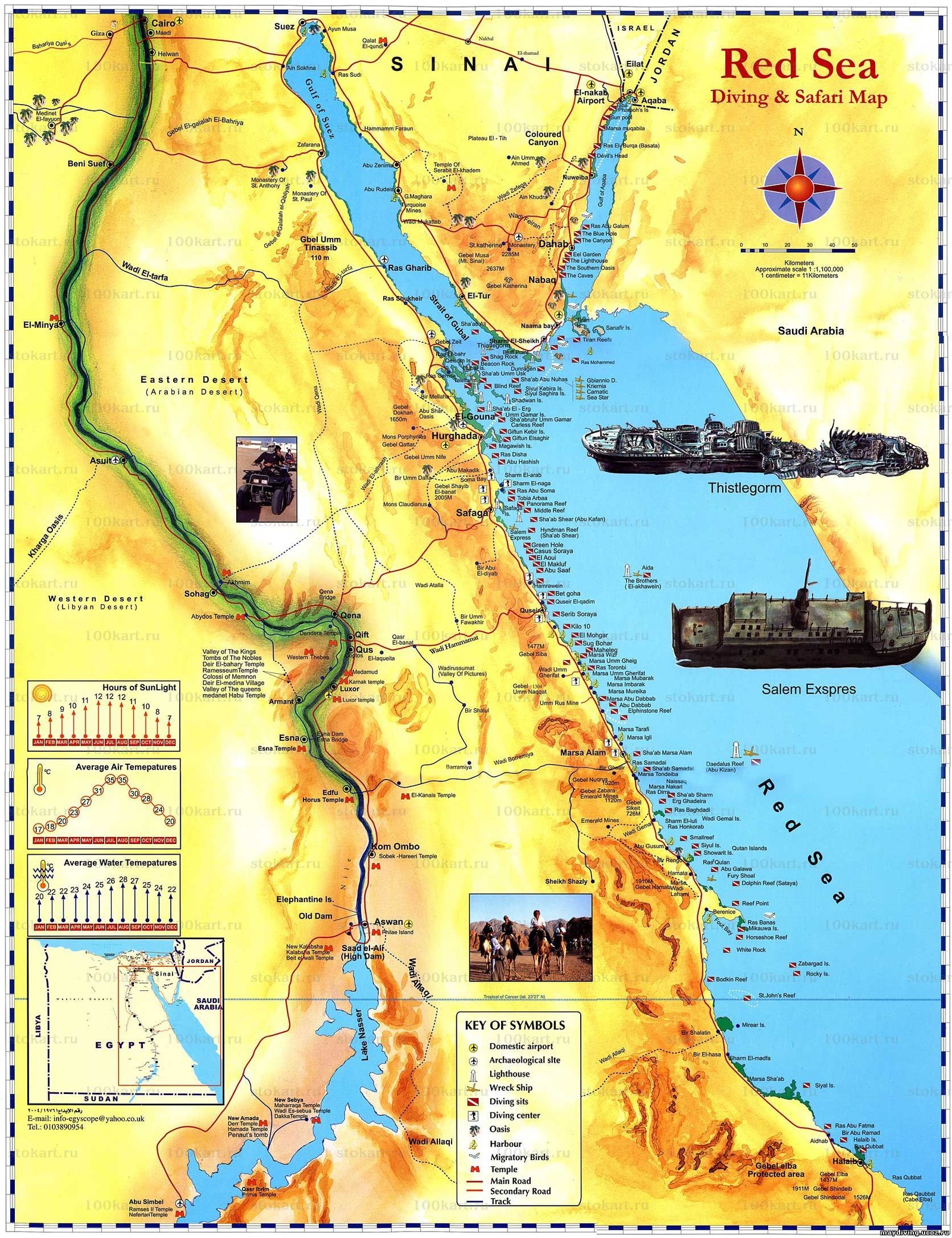
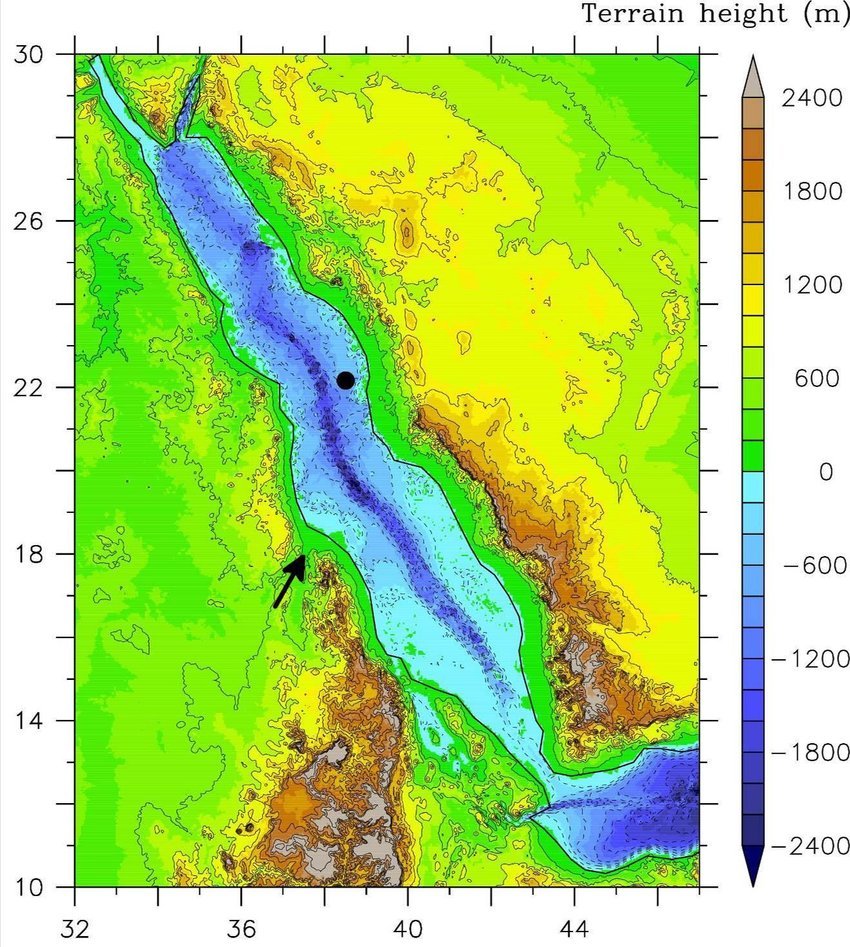
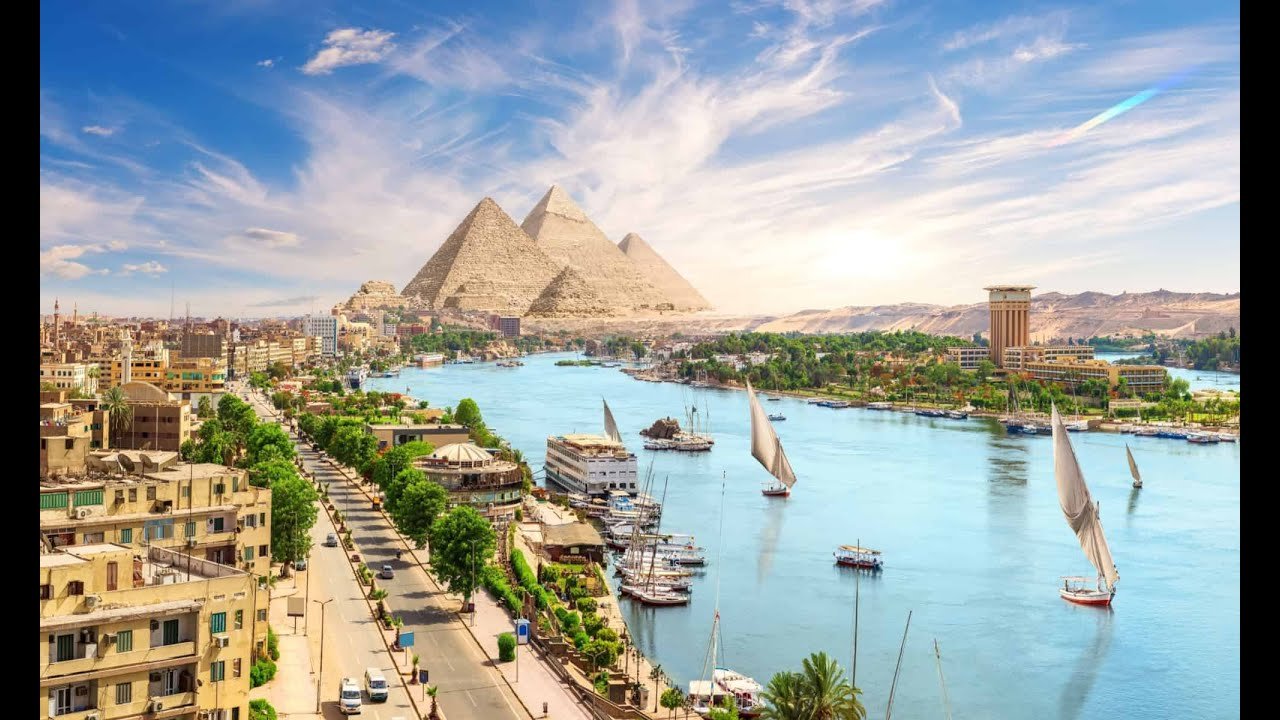
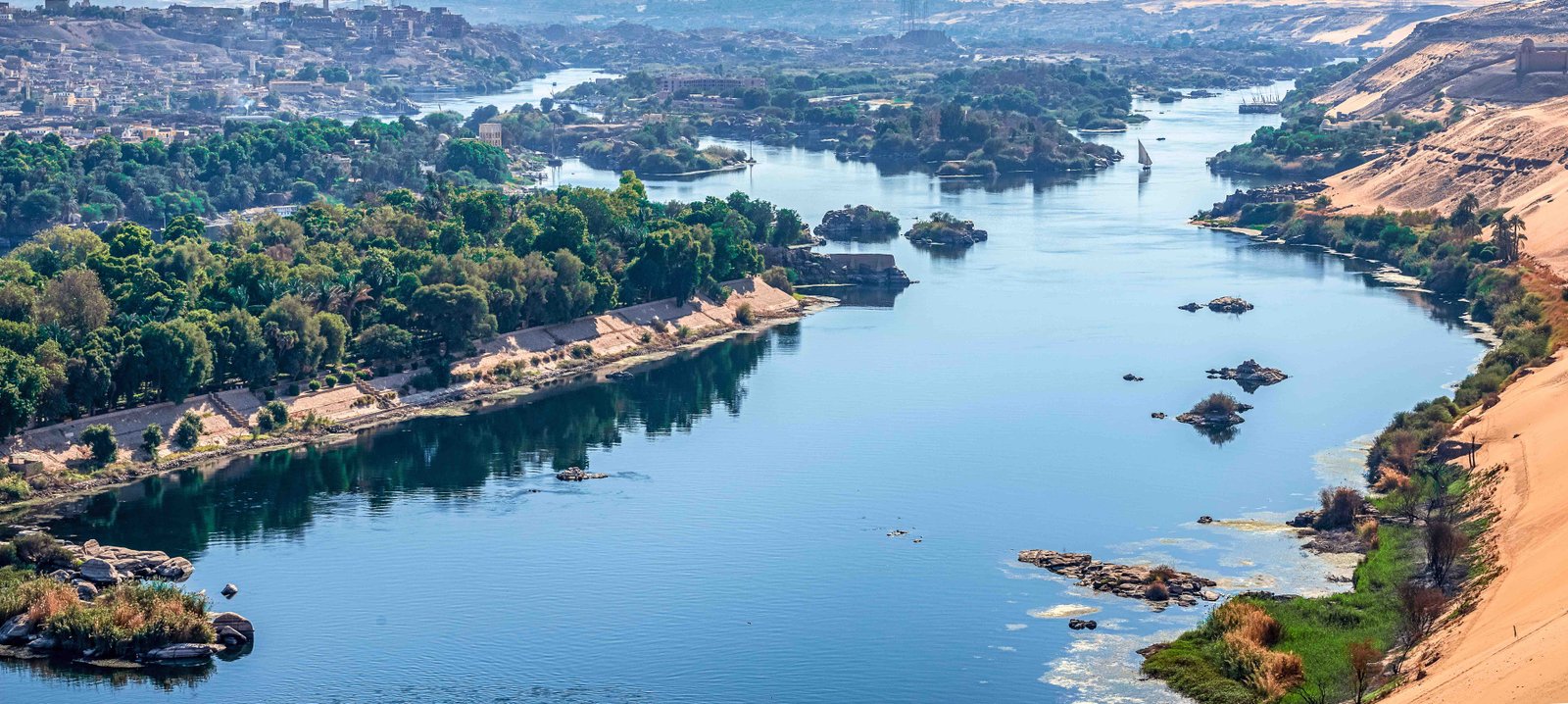
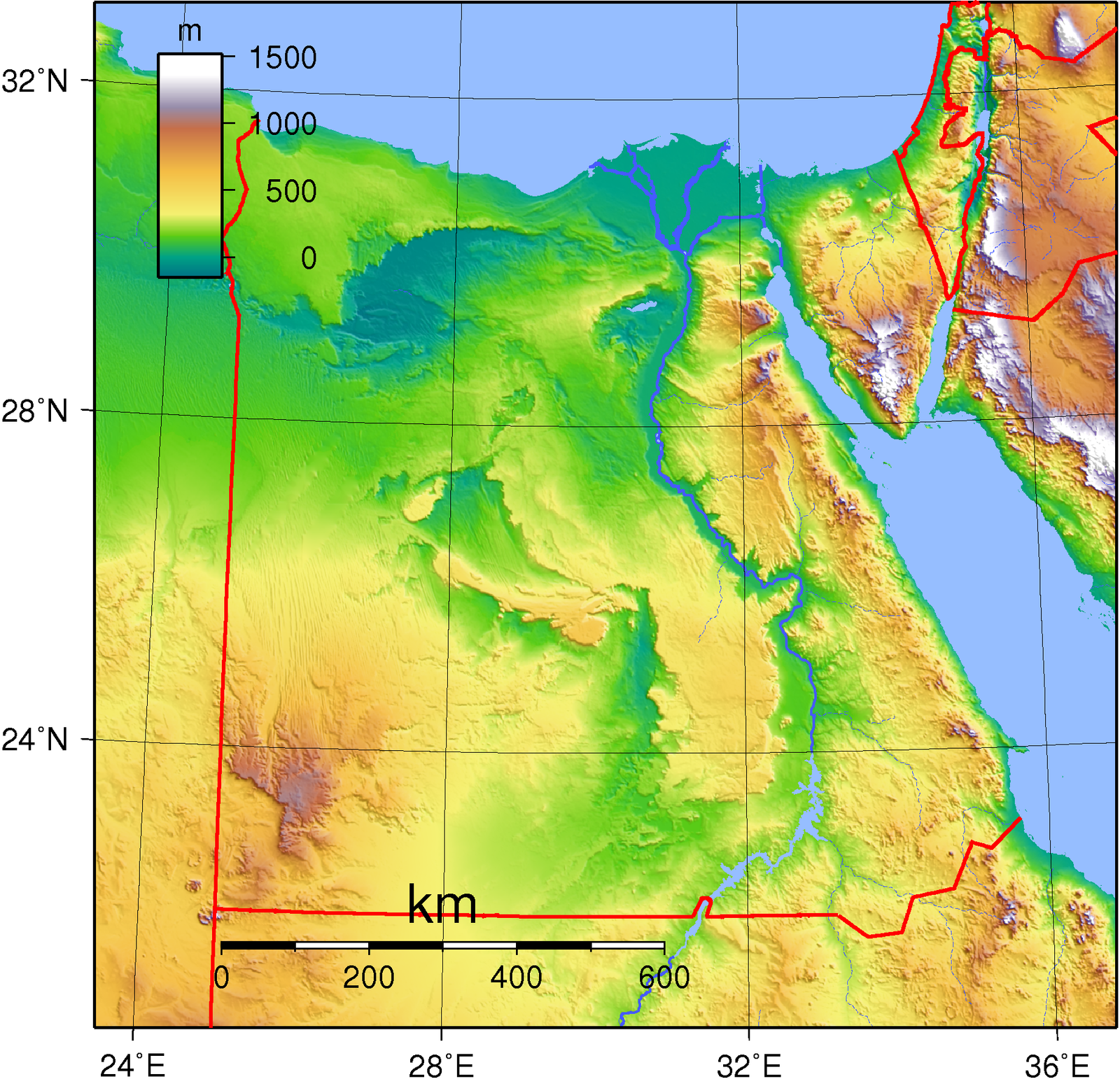
Egypt covers an area of approximately 1,001,450 square kilometers. It is located in northeastern Africa, bordered by the Mediterranean Sea to the north, the Red Sea to the east, and the Sahara Desert to the west. The Nile River, the longest river in the world, runs through Egypt, providing vital water resources.

8
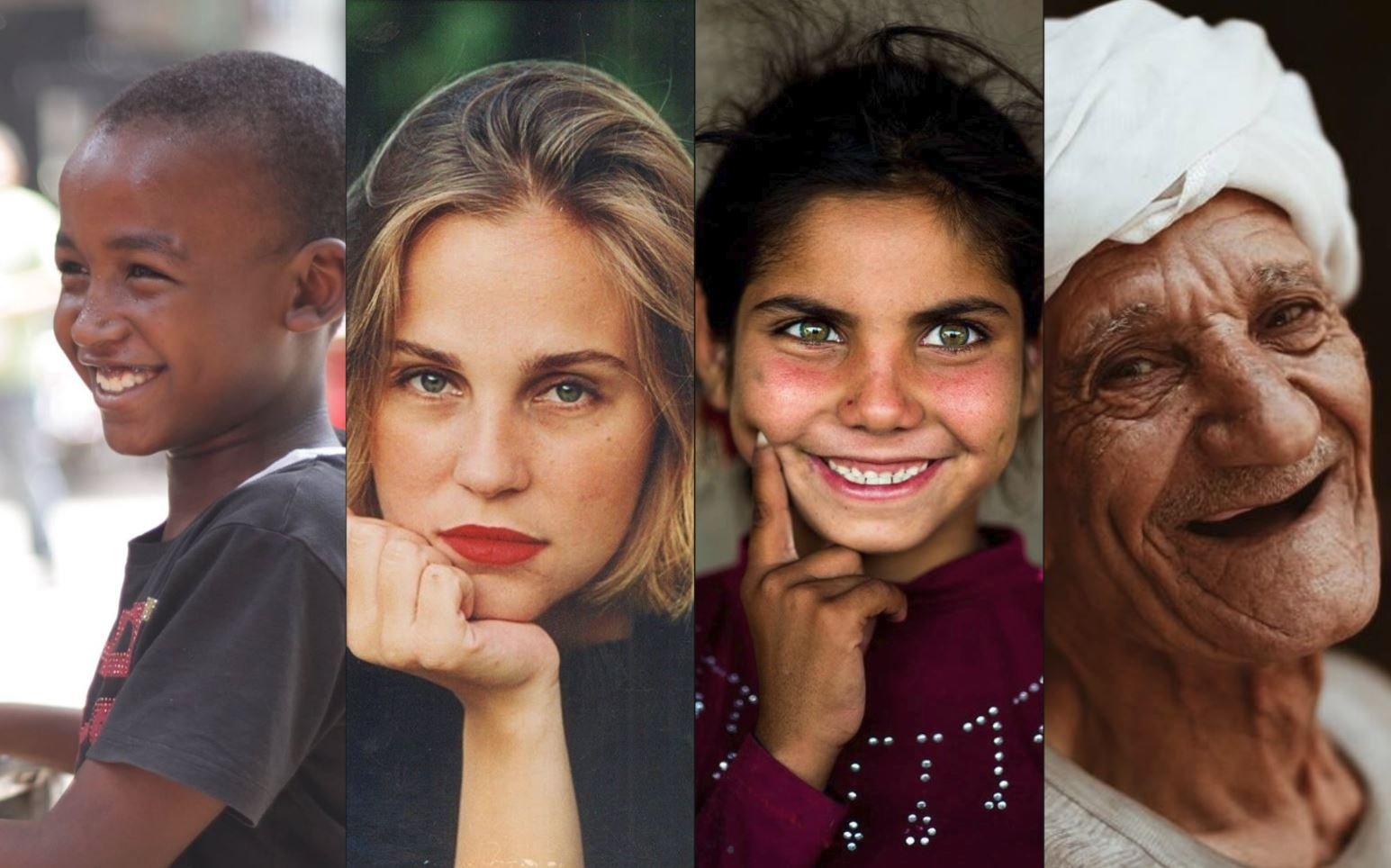
<p><strong>What are the ethnic roots of the Egyptian people?</strong></p><p><br></p>

The Ethnic and Genetic Origins of the Egyptian People

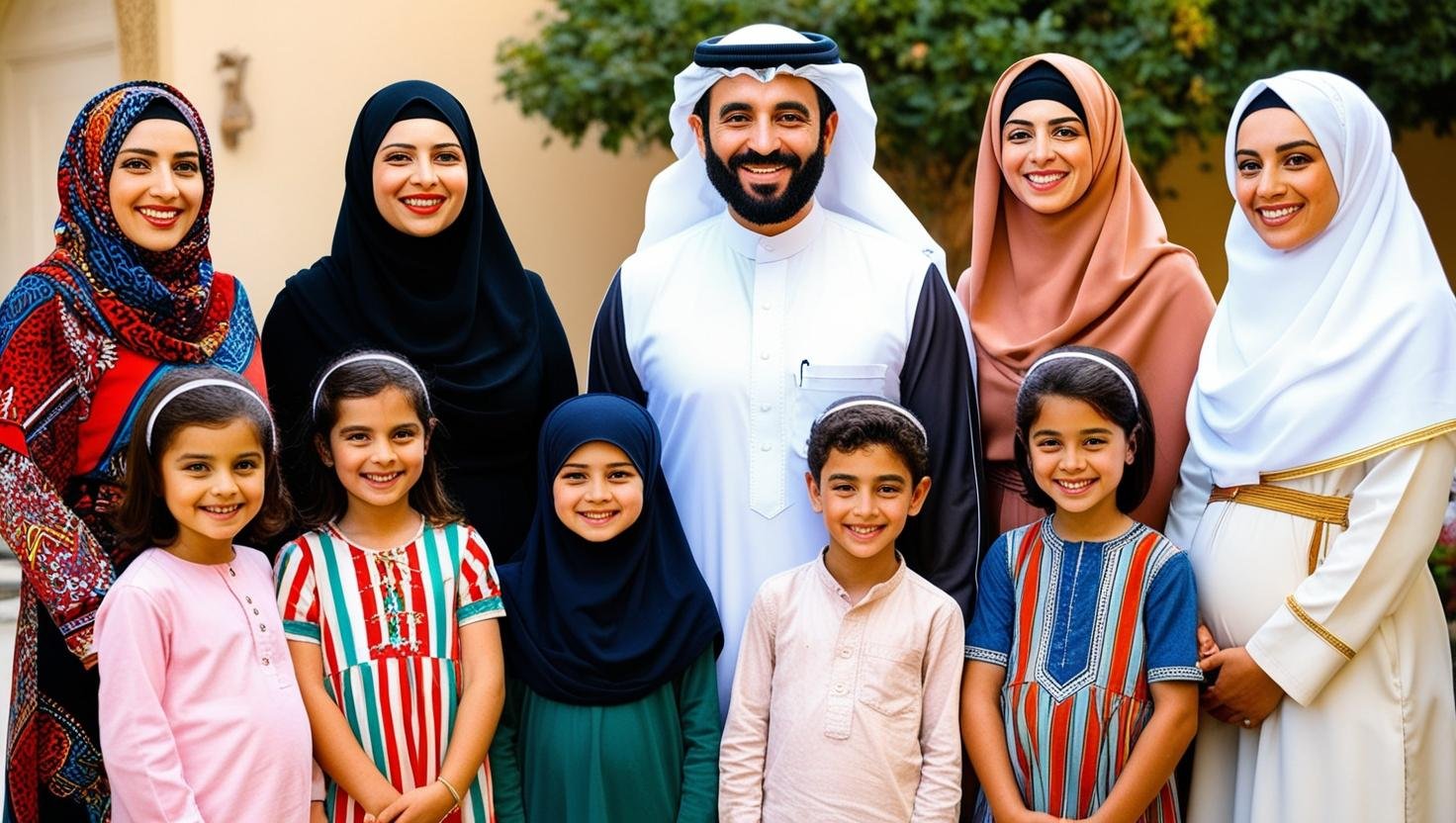
The Egyptian people are among the oldest on Earth. Their ethnic and genetic origins represent a unique blend that combines, on the one hand, a remarkable historical continuity, and, on the other, cultural integration and multiple genetic layers introduced over the centuries due to the country’s strategic geographical location.

Based on modern anthropological and genetic research (such as the Genographic Project and data from DNA research institutes), the genetic origins of the Egyptian people can be divided into several main pillars:


1. The Fundamental Foundation: Ancient Egypt (North Africa)

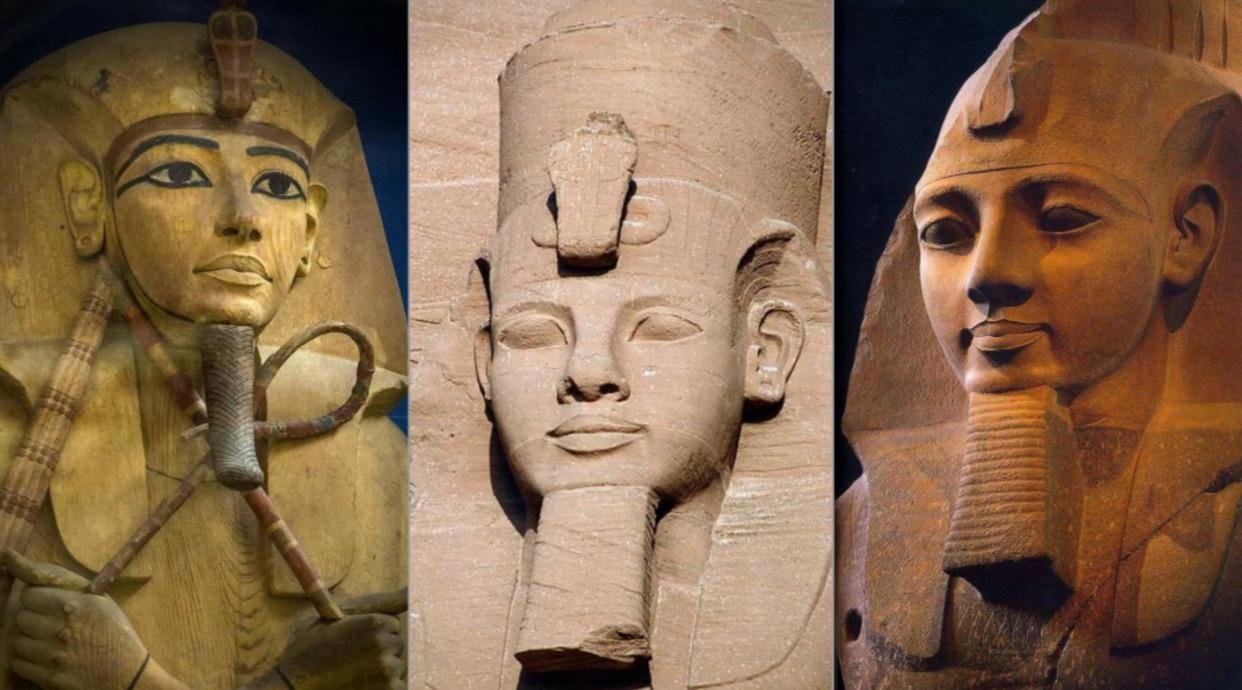
Modern genetic studies conducted on both ancient Egyptian mummies and modern Egyptians (Muslims and Copts) have revealed a striking fact: there is a very strong genetic continuity between modern Egyptians and their Pharaonic ancestors.

  • The overwhelming majority of the genes of modern Egyptians trace back to the indigenous population of the Nile Valley and Northeast Africa, who have lived in this region for thousands of years.
  • These genes possess unique characteristics specific to the inhabitants of the Nile Basin and North Africa, and form the basis of the Egyptians’ genetic identity.

2. Genetic Inflows and Migrations (Through the Centuries)

Since Egypt has always been a crossroads of worlds and the center of great empires, throughout its long history it has welcomed waves of migration that have left their mark (in varying proportions) on the genetic map:

  • Arab (Middle Eastern) Roots: With the Islamic conquest of Egypt and the arrival of Arab tribes who settled in the Delta, Upper Egypt, and the Sinai, significant intermingling occurred. This added a distinct Middle Eastern (Arab) component, especially in those regions where the tribes settled most densely.
  • Mediterranean roots: Thanks to trade ties and conquests (by the Greeks, Romans, Ptolemies), a genetic link can be traced between some Egyptians—especially on the northern coast and in the Delta—and the peoples of Southern Europe and the Mediterranean basin.
  • African Roots (Sub-Saharan): Due to geographical proximity, trade along the Nile, and historical ties with Nubia and Sudan, there has been a steady genetic influx from Sub-Saharan Africa. The proportion of these genes gradually increases as one moves southward into Upper Egypt.
  • Ottoman, Circassian, and Balkan Roots: During the Mamluk, Ottoman, and Muhammad Ali eras, military garrisons and families of Turkish, Circassian, Albanian, and Armenian descent settled in Egypt. Although this influence was mainly concentrated in major cities (such as Cairo and Alexandria) and among the ruling class of the time, it has been completely assimilated into the broader Egyptian ethnic group.
In conclusion:
Genetically and culturally, Egyptians are not an immigrant people. They are the indigenous children of their land, who have absorbed and assimilated into their genes and culture all those who have passed through this territory. The “indigenous Egyptian component” remains dominant, accounting for an average of 65% to 75%, harmoniously complemented by genetic contributions from the Middle East, Africa, and the Mediterranean.


4
<p><strong>How much to tip in Egypt?</strong></p>

Tipping, often referred to as “baksheesh” in Arabic, is a long‑standing tradition in Egypt and an important part of the tourism experience. Just like in many countries around the world, tipping here is not governed by law but rather by custom. It is a personal gesture of appreciation for good service, and the amount varies depending on the type of service and the overall cost of what has been provided. In general, if one wishes to set a guideline, tips usually range between 1% and 5% of the service value.


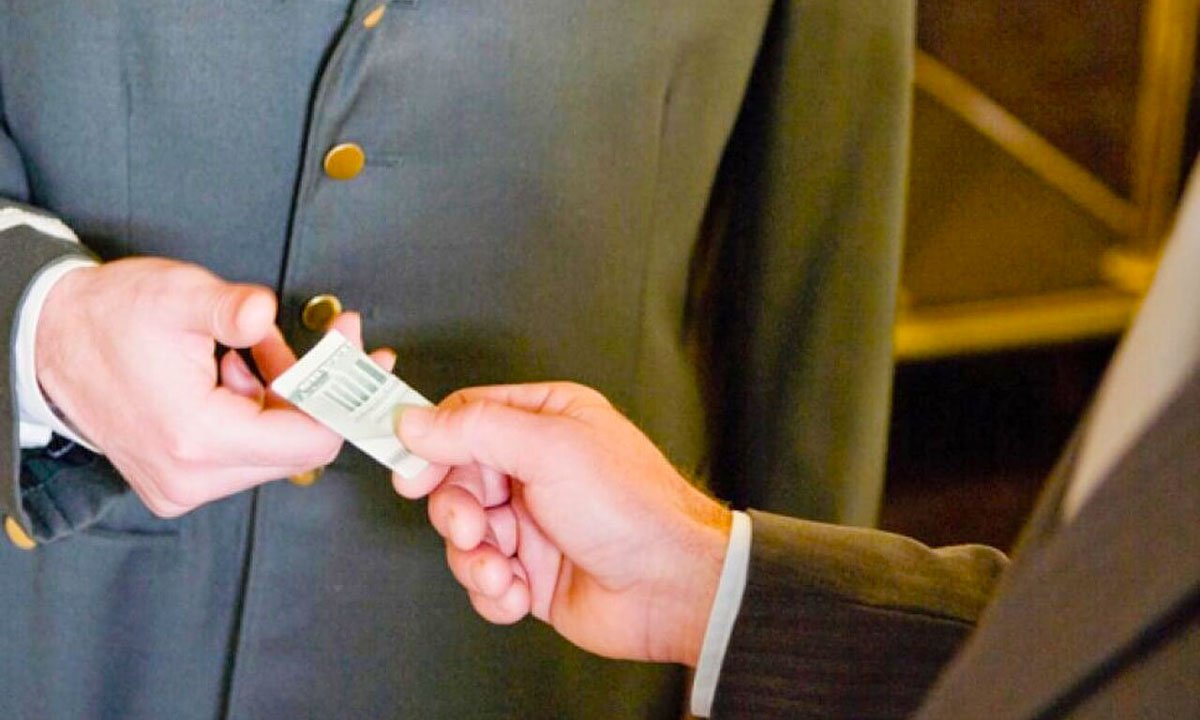
In hotels, for example, guests often leave between five and ten dollars at reception when checking in, especially if they hope for a better room. Bellmen who assist with luggage usually receive one to two dollars, while housekeeping staff are commonly tipped one to two dollars per day for keeping rooms clean. Tour company representatives who help solve problems or answer questions may be given five to ten dollars. During excursions, drivers and tour guides are also tipped: one to two dollars for short trips, and three to five dollars for longer journeys.


It is generally advised to tip after receiving the service, not before. Importantly, service providers should not show dissatisfaction if no tip is given, since tipping remains a voluntary act of gratitude. Some guests give the minimum, others nothing at all, while many are generous. Ultimately, tipping in Egypt reflects personal choice and appreciation, making it a meaningful part of the hospitality culture.  


Practical tip: Travelers are advised to carry small change or banknotes before their trip, as this makes tipping easier and more convenient throughout their stay.  

8
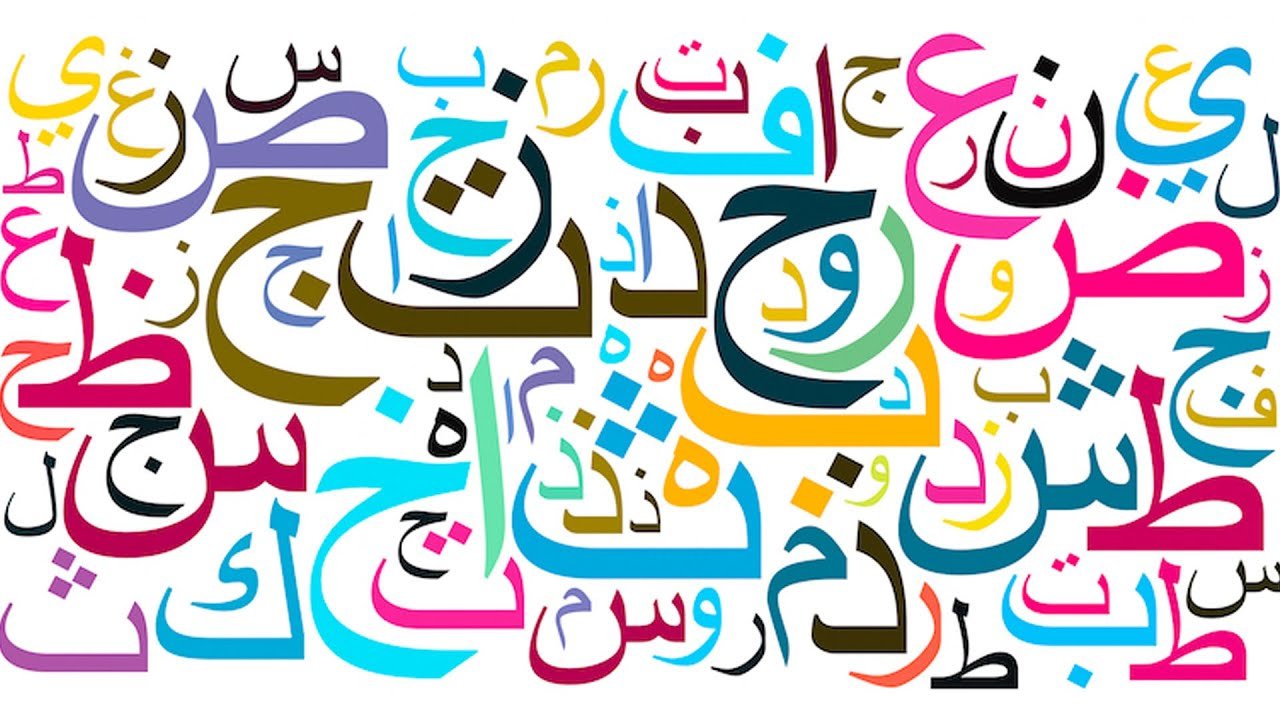
<p><strong style="color: rgb(71, 85, 105);">What simple, basic Arabic words can I learn to communicate with the locals?</strong></p>

1. Greetings

  • Salam Alaikum → Peace be upon you / Response: And upon you be peace
  • أهلاً وسهلاً (Ahlan wa Sahlan) → Welcome / Short form: Hi
  • صباح الخير (Sabah el‑Kheir) → Good morning / Response: Good morning
  • مساء الخير (Masa’ el‑Kheir) → Good evening / Response: Good evening

2. Politeness

  • شكراً (Shukran) → Thank you / Response: You’re welcome
  • لو سمحت (Law Samaht) → Please
  • من فضلك (Min Fadlak) → Please
  • Habibi / Ya Ghali → Dear / Brother
  • Teslam Eidak → Thank you

3. Basic Communication

  • Aywa / Na‘am → Yes
  • La → No
  • Ana Mesh Fahim → I don’t understand
  • Bekam Da? → How much is this?
  • Al‑Hamdu Lillah → Praise be to God

4. Getting Around

  • Fein…? (Fein…?) → Where…?
  • Ala Tool → Straight ahead
  • Yameen / Shimal → Right / Left
  • Hasib / Ala Ganbak Ya Usta → Please stop here

5. Useful Phrases

  • إزيك؟ (Ezayyak?) → How are you?
  • Tamam → Everything’s fine
  • YallaLet’s go
  • Khalas → That’s it, enough


3
<p><strong>Can tourists attend traditional Egyptian weddings?</strong></p><p><br></p><p><br></p>


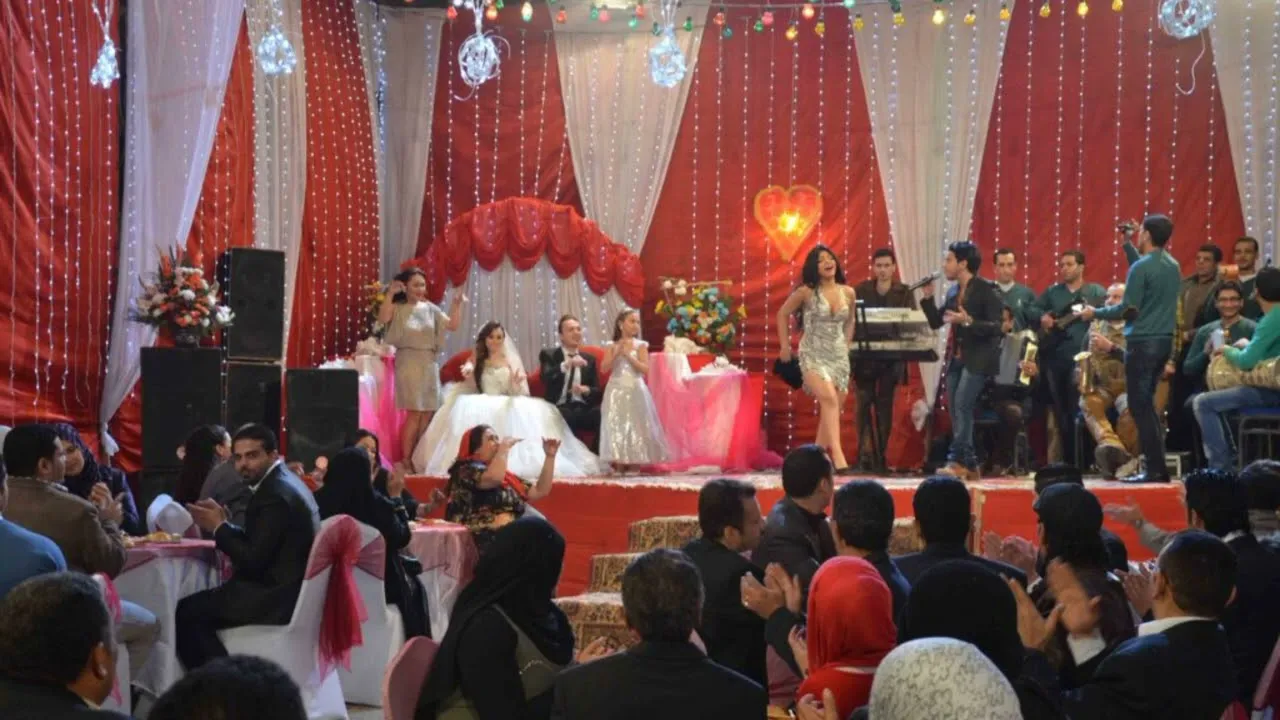
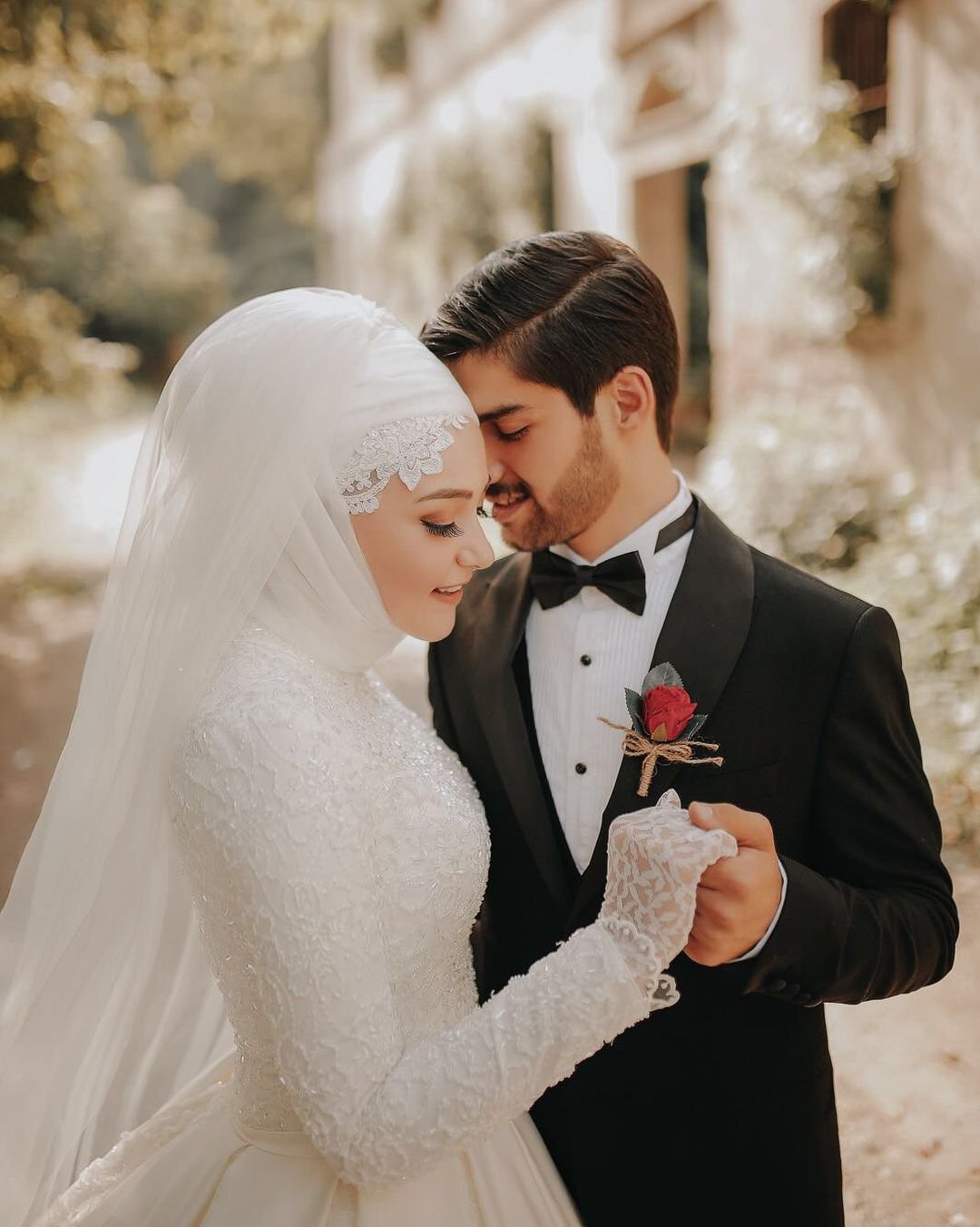
Yes, tourists can sometimes attend traditional Egyptian weddings, usually as part of cultural programs or by special arrangement with local organizers. Egyptian weddings are joyful celebrations filled with music, dancing, and vibrant traditions. Guests are welcomed with open arms, and the atmosphere at the celebration is lively and unforgettable. The ceremonies are often accompanied by traditional songs, folk dances, and delicious food, giving visitors the opportunity to experience authentic Egyptian culture beyond the monuments and beaches.


Egyptian weddings vary greatly depending on social class:

  • Families with modest incomes often set up a colorful tent on the street near the groom’s home, where neighbors and friends gather to celebrate the occasion with music and dancing.
  • Middle-class families usually rent a special wedding hall designed specifically for such joyous occasions.
  • Wealthier families often hold their weddings at well-known clubs or luxury hotels, combining elegance with Egyptian hospitality.

Weddings are usually held on weekends, especially on Thursdays and Fridays, when families and friends can freely gather together to celebrate.

Although it is not customary to attend a private family wedding without an invitation, many resorts and cultural centers organize events that recreate the festive atmosphere of a real wedding. These programs allow tourists to enjoy the celebration safely and respectfully.


And if you’d really like to attend a real traditional wedding, you can contact us directly. We’ll organize this event for you to ensure it’s safe and enjoyable. The only costs will be the transfer and a small gift for the newlyweds, such as a bouquet of flowers or a box of chocolates.

This is a unique chance to experience local traditions, get to know Egyptian families, and create unforgettable memories of Egypt’s vibrant culture.

3
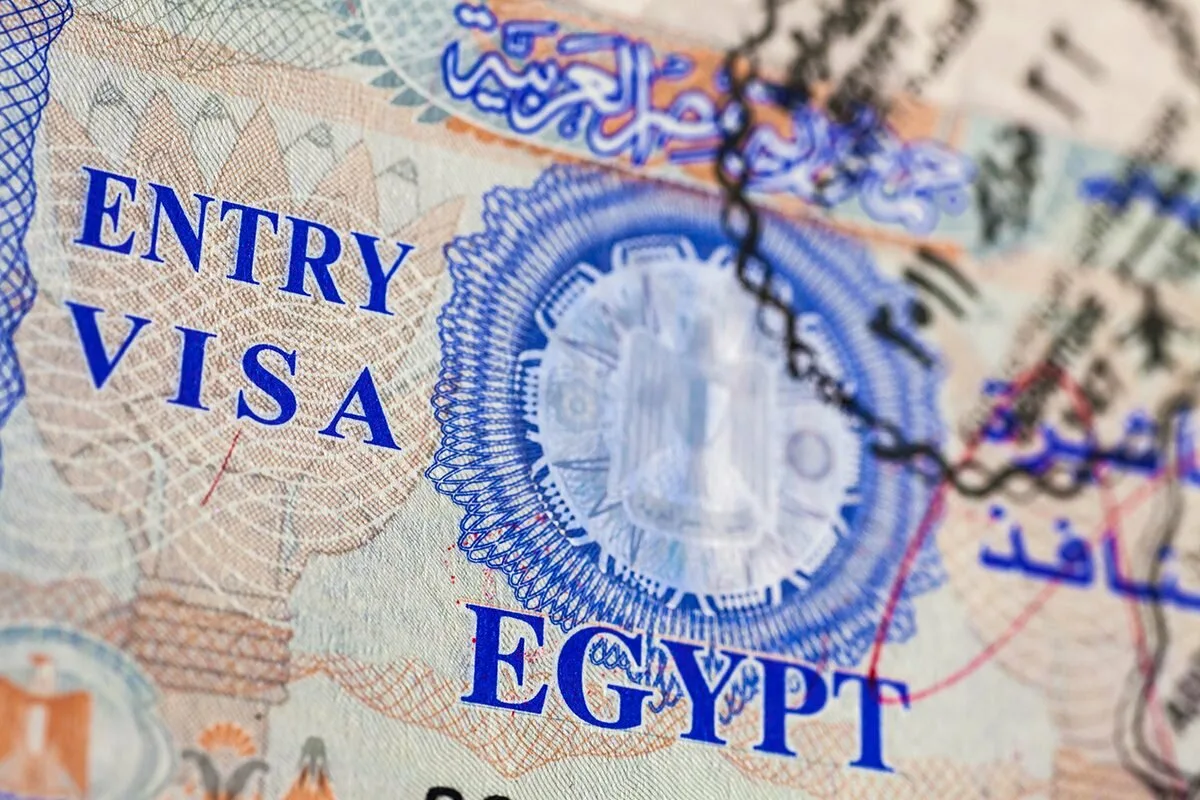
<p>How long is a tourist visa valid for in Egypt, and how can it be extended?</p>

A standard tourist visa for Egypt is usually valid for up to 30 days from the date of arrival. The visa costs 30 USD (or its equivalent in other major currencies). You can easily obtain it upon arrival at the airport; however, tour operator representatives at the airport might offer it at a slightly higher price to help you skip the official bank queues. If there are no long lines, purchasing the visa directly from the official bank counter inside the arrivals hall is the most cost-effective option. Alternatively, you can apply for an e-visa online in advance, though this requires filling out a detailed application and meeting specific criteria, which often makes getting it upon arrival the simpler choice.

To extend your stay beyond the initial period, you must apply for a visa extension at the Egyptian Immigration Police before your current visa expires. The application process typically involves submitting your passport, visa, and the required fees. The maximum extension period varies and depends on specific circumstances. It's crucial to renew your visa well in advance of the expiration date to avoid penalties.

2
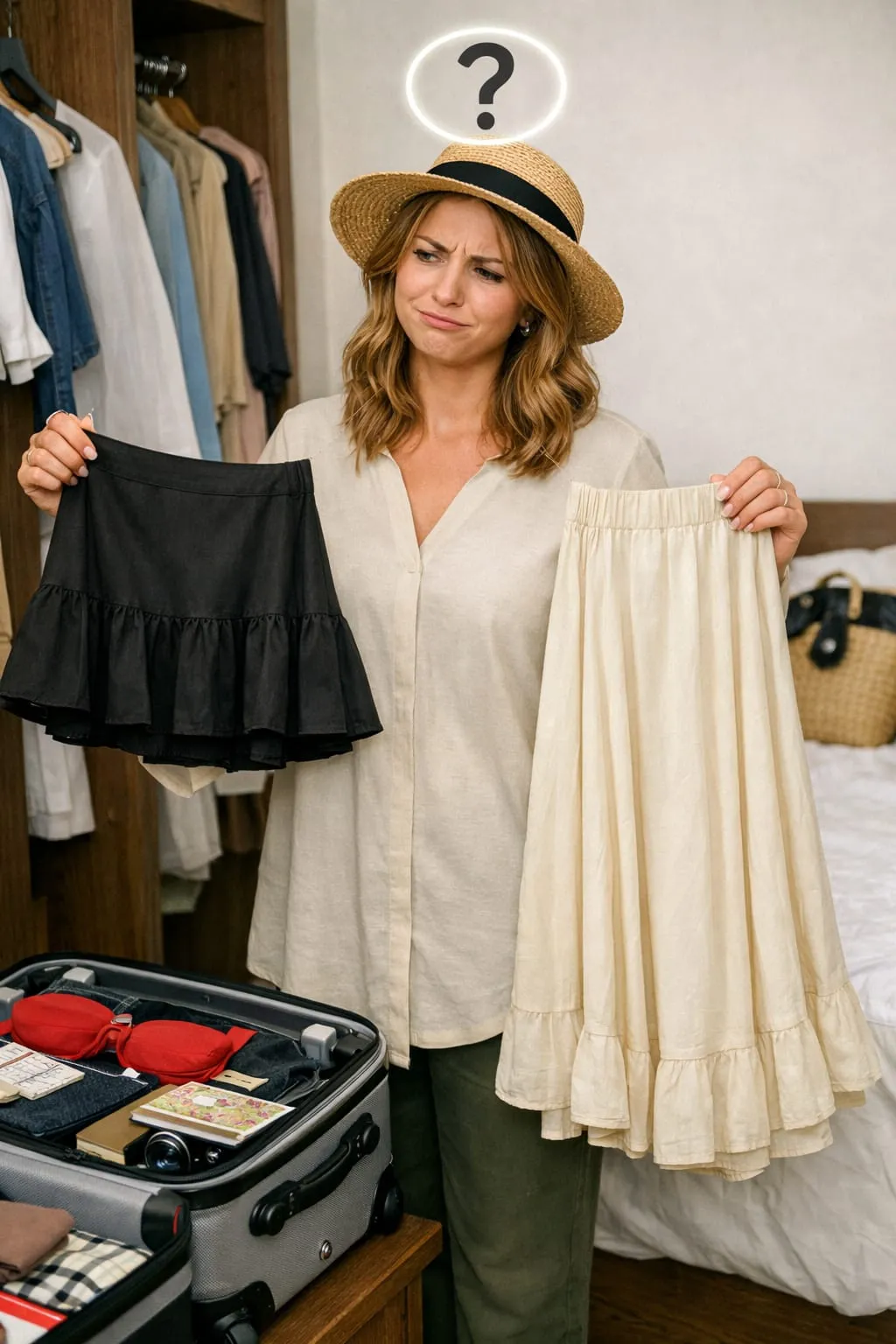
<blockquote>Is there a dress code for tourists in Egypt?</blockquote><p><br></p><p><br></p>

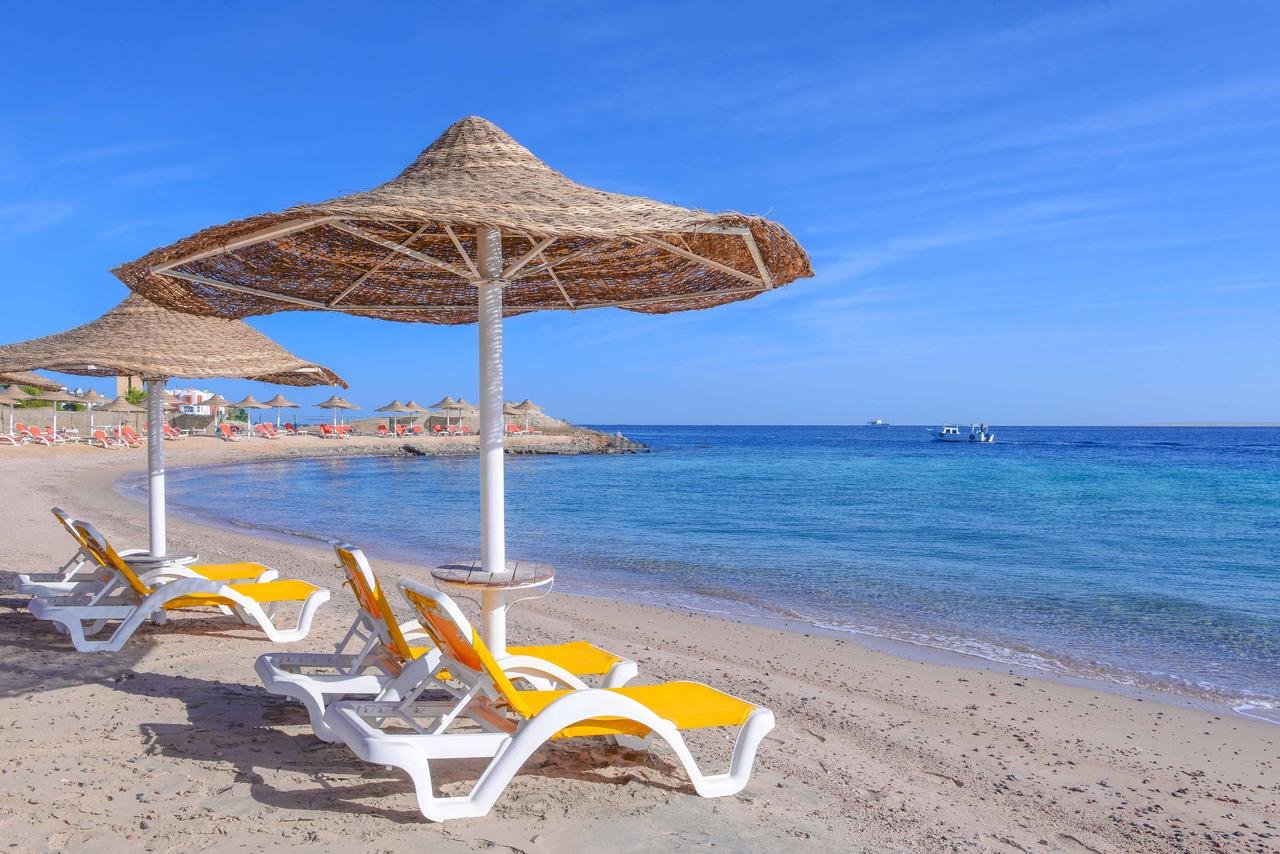
Egypt does not enforce a strict dress code for tourists, but cultural and religious traditions do shape certain expectations. On hotel grounds, beaches, and by the pools, guests are free to wear swimsuits and summer clothing without any issues. Red Sea resorts are known for their relaxed atmosphere, allowing tourists to move about comfortably in beachwear.


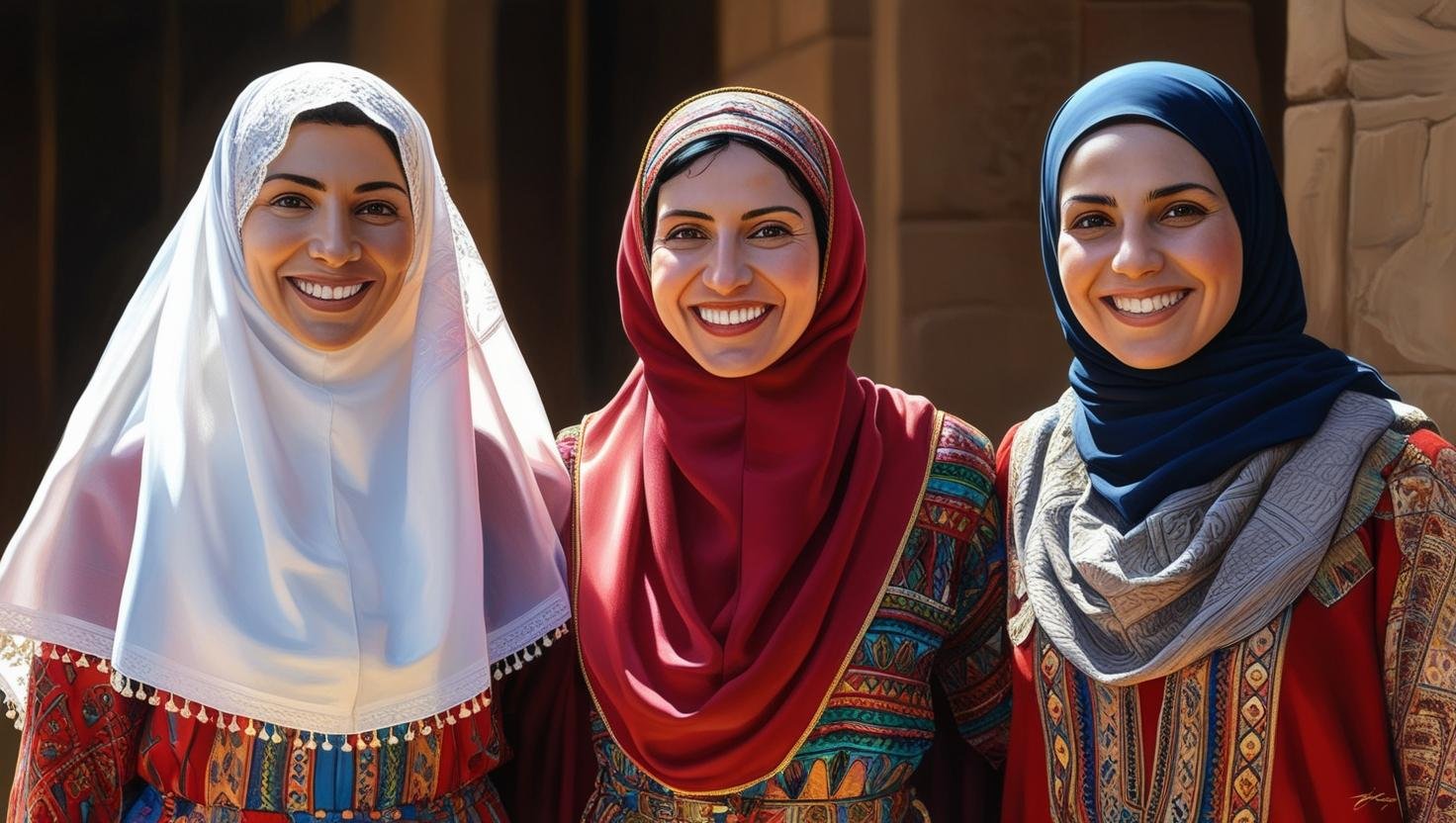
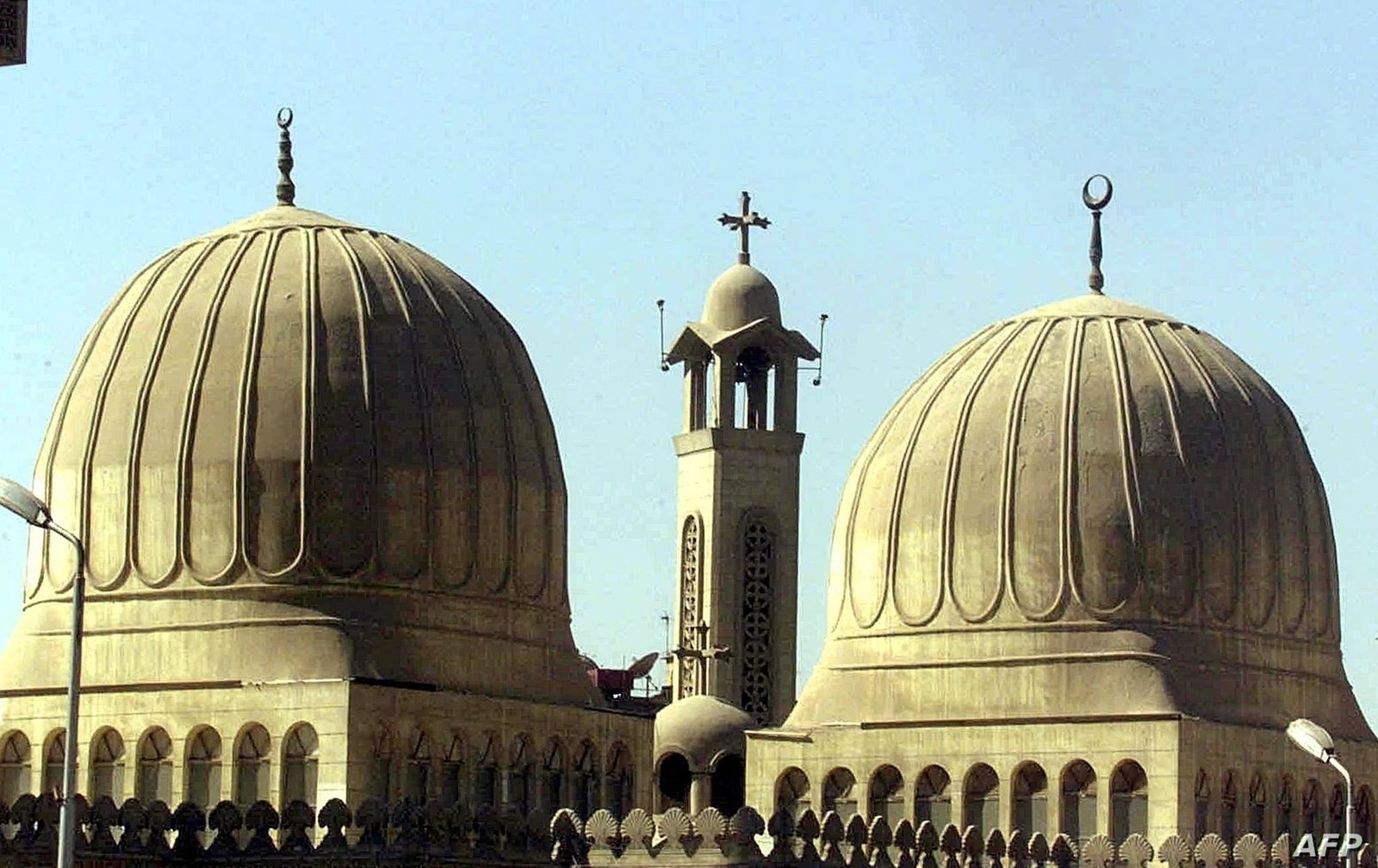
However, when walking through the streets, visiting cities, or going to shopping centers, it’s best to avoid revealing outfits, such as short shorts or very tight-fitting clothing. Egypt is an Islamic country where about 85% of the population practices Islam, and modest dress is considered a sign of respect for local traditions.


When visiting mosques and religious sites, you must cover your arms and legs, and women are advised to carry a scarf to cover their heads. At Pharaonic temples and monuments, modesty requirements are less strict; however, lightweight, long-sleeved clothing and pants are practical for protection from the sun.


For tourists, modest clothing is not just a matter of following the rules, but a way to show respect for the culture and people of Egypt. Striking a balance between comfort, the climate, and respect for traditions ensures more harmonious interactions and an authentic travel experience. Dressing respectfully will help you blend in seamlessly with your surroundings while still enjoying the freedom to choose your vacation wardrobe.

1
<p>How far back does Egyptian history extend?</p>

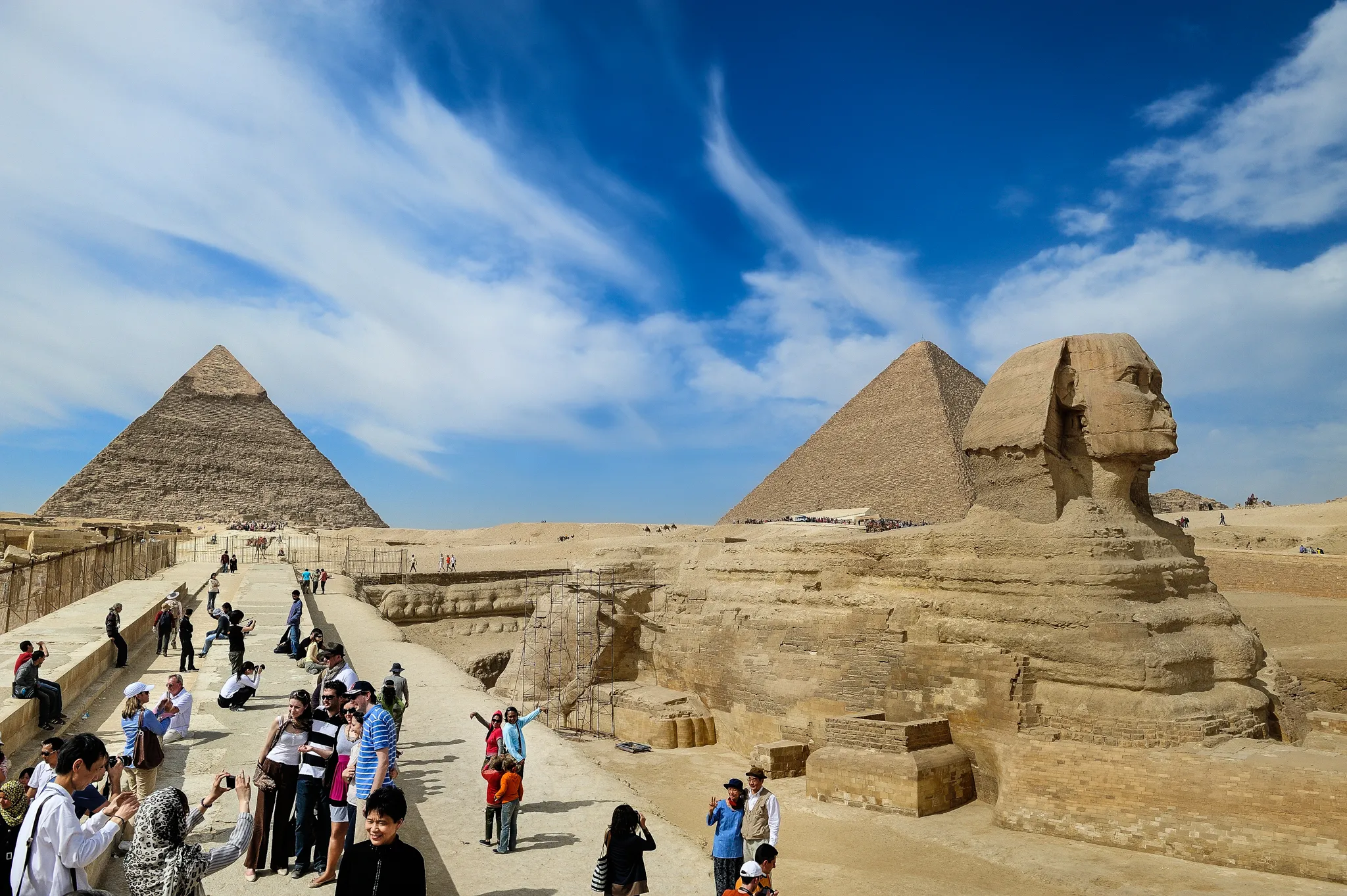
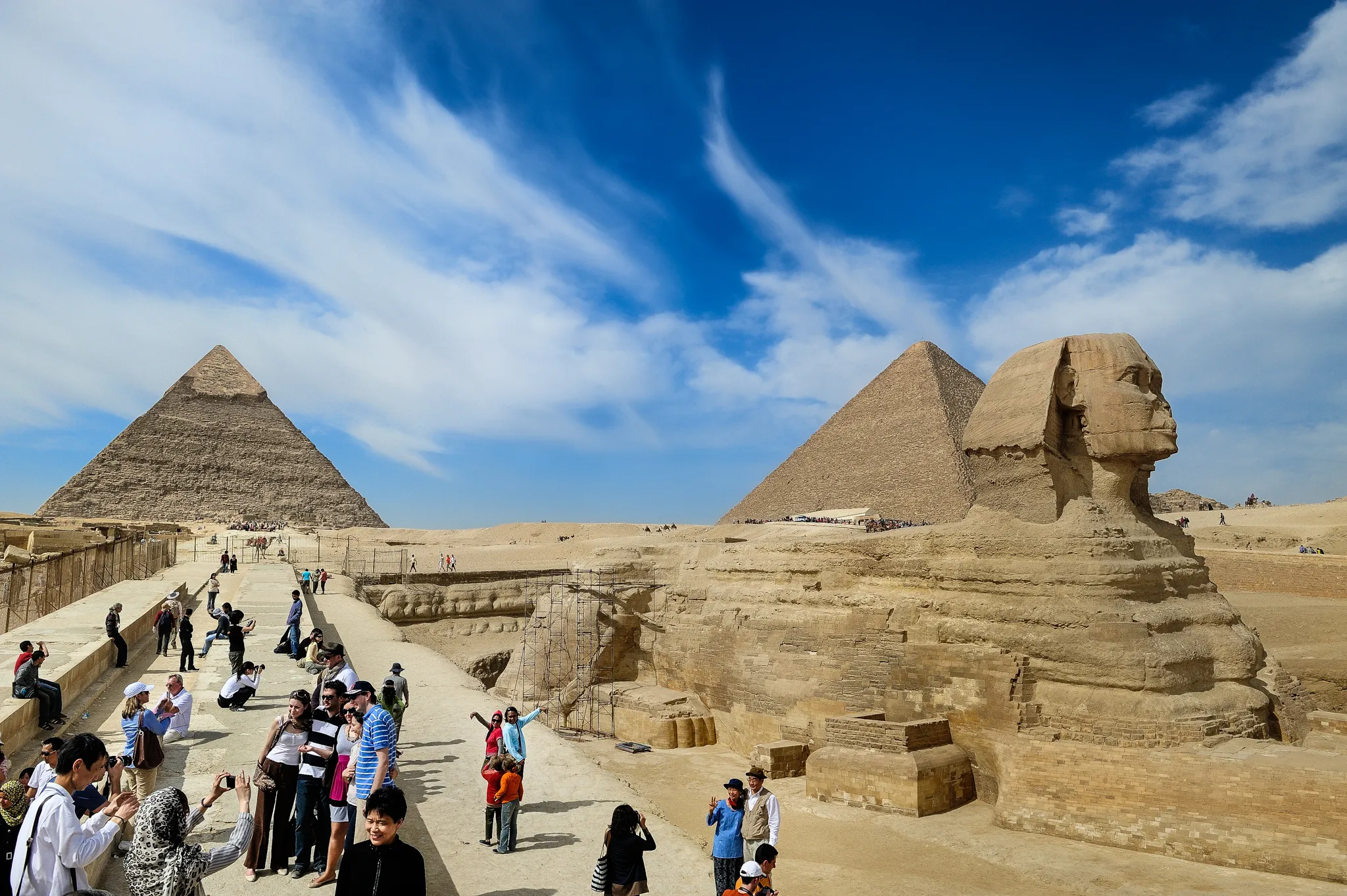
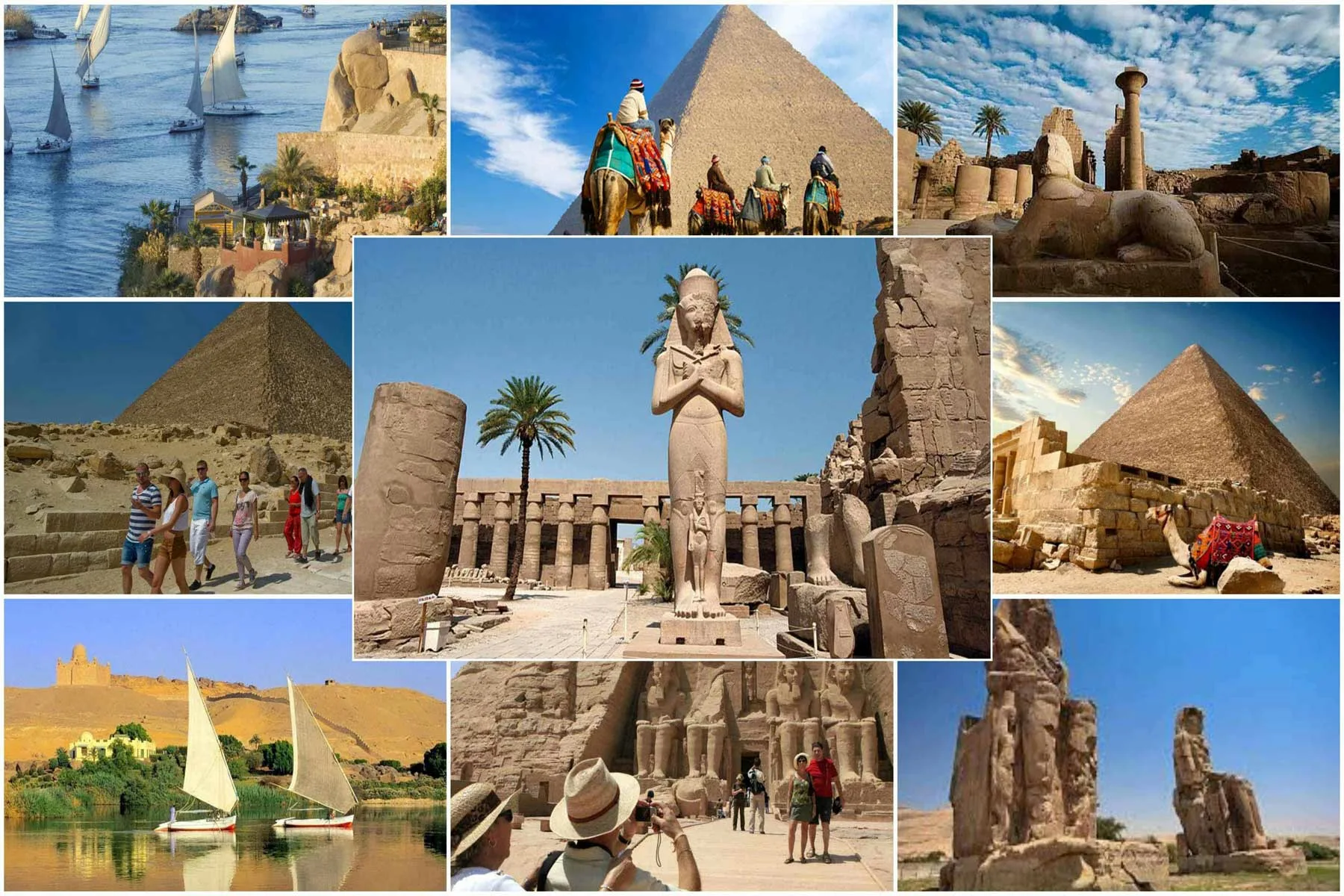
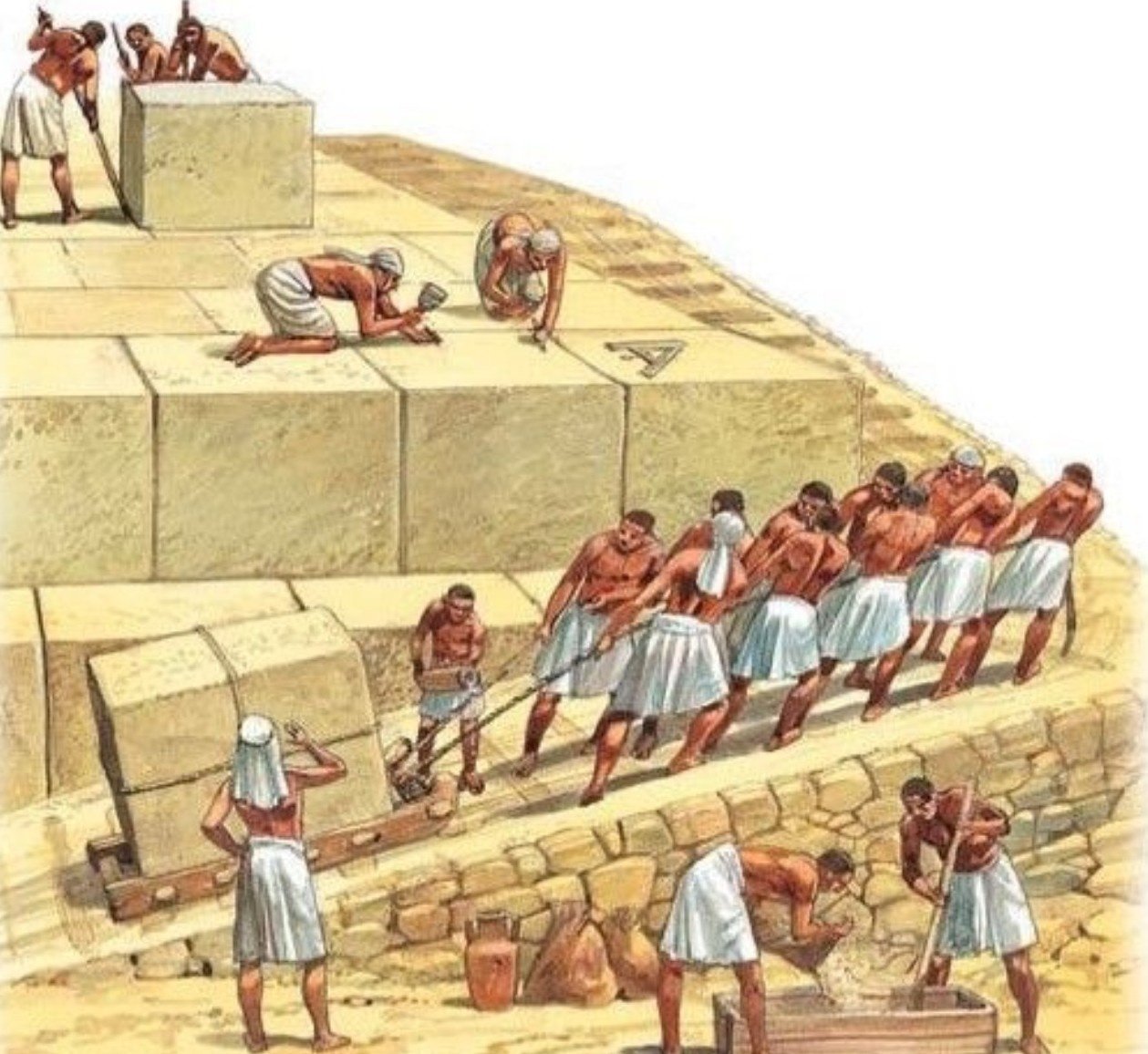
Egyptian history extends over 5,000 years, making it one of the oldest continuous civilizations in the world. It began around 3100 BCE with the unification of Upper and Lower Egypt under the first pharaoh, Narmer. This marked the start of the Early Dynastic Period, leading to the development of the Old Kingdom, famous for its monumental pyramids, including the Great Pyramid of Giza. Over the centuries, Egypt experienced various periods of prosperity and decline, including the Middle Kingdom and the New Kingdom, which saw the rise of powerful pharaohs like Ramses II. The civilization made significant contributions to art, architecture, mathematics, and medicine. Following the decline of pharaonic rule, Egypt was influenced by various cultures, including the Greeks and Romans. Today, the rich history of Egypt continues to captivate scholars and tourists alike, with numerous archaeological sites and artifacts that reflect its incredible legacy.

2
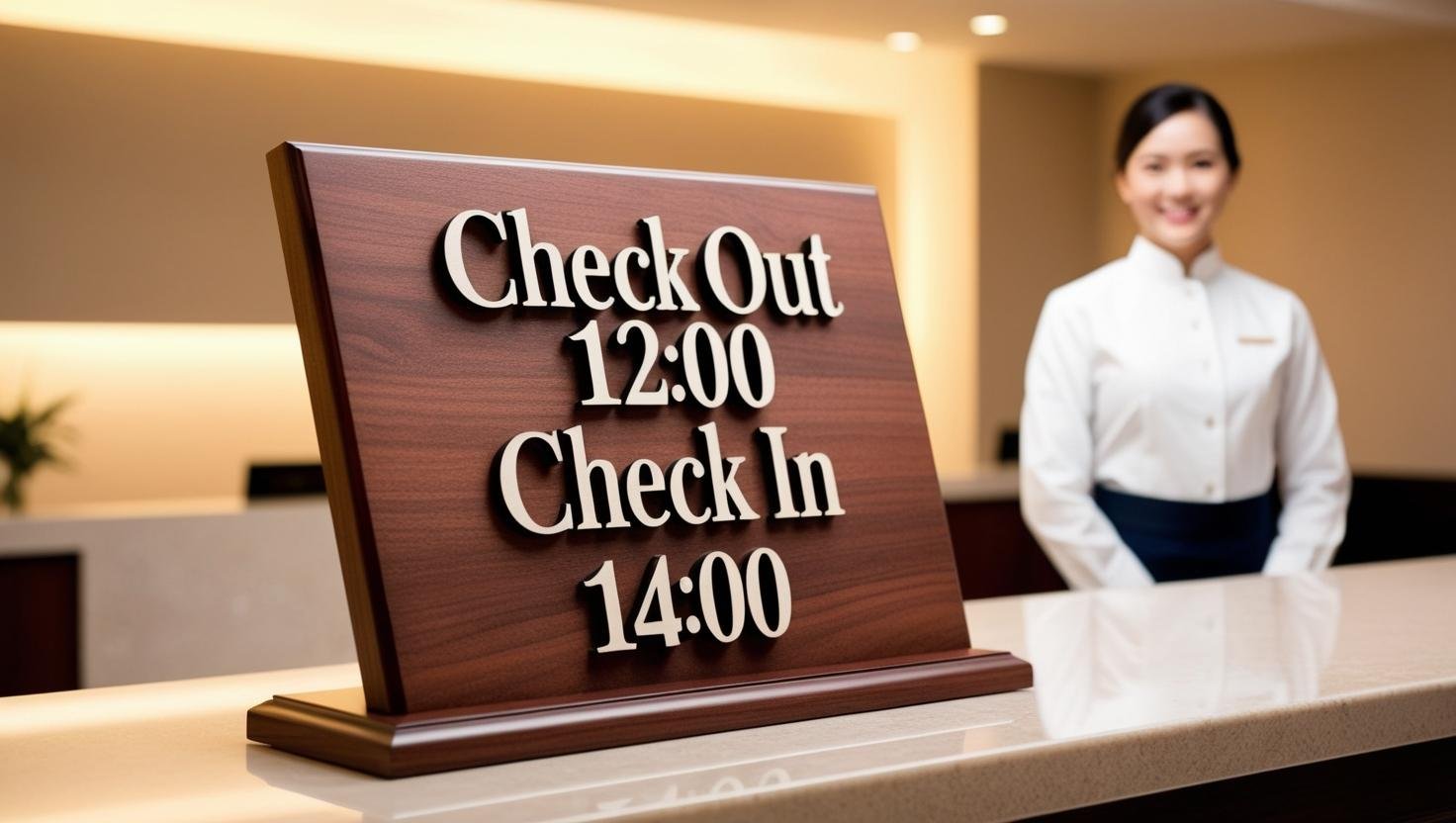
<p><strong> If I check out at night, will I still be able to use the hotel&#x27;s services after checking out at 12:00?</strong></p><p><br></p><p><br></p><p><br></p>

Most hotels in Hurghada and throughout Egypt have a standard check-out time of 12:00 p.m. After this time, you must vacate your room; however, many hotels allow guests to continue using amenities such as pools, beaches, bars, and restaurants until their departure.

  • Luggage storage: Hotels typically provide a secure place to store your luggage after check-out at no charge.
  • Wristband Access: At all-inclusive resorts, your wristband may remain valid for food and drinks until your transfer, although some hotels restrict this option. If you arrive after lunch and have missed that meal, hotels are required to include lunch in the cost of your stay on the day of your departure. It’s important to confirm this at the front desk when you check in or check out.
  • Late check-out option: If you’d like to keep your room until the evening, you can request a late check-out for an additional fee.
  • Practical tip: Always check with the front desk regarding meal substitution policies and access to amenities to avoid unpleasant surprises.


0
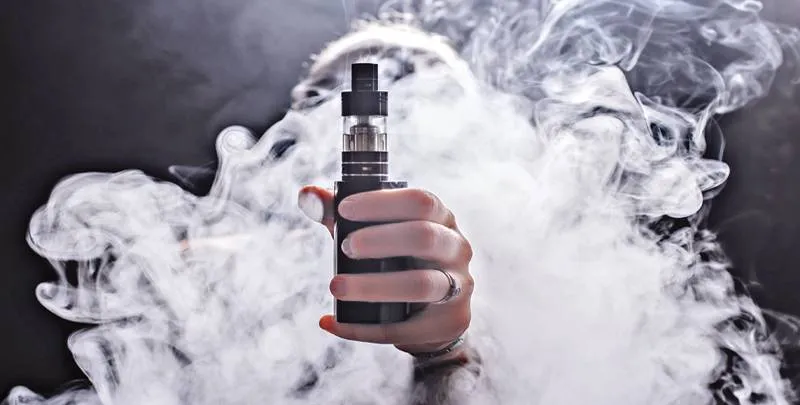
<blockquote><strong>Is it legal to use e-cigarettes (vapes) in public places and hotels in Egypt?</strong></blockquote><p><br></p><p><br></p>


The use of e-cigarettes (vapes) in Egypt has been permitted by law since the Ministry of Health lifted the ban on their commercial import and sale. However, their use in public places and hotels is governed by strict rules, which largely mirror those for traditional cigarettes.

Below are the specific details on how to use a vape while in Egypt to avoid fines or unpleasant situations:

1. In hotels and tourist resorts

  • Inside hotel rooms: It is strictly prohibited to use e-cigarettes in non-smoking rooms. Most modern hotels are equipped with highly sensitive smoke detectors that can be triggered by dense vapor, which may result in a fine from the hotel management.
  • Indoor hotel areas: Smoking traditional or electronic cigarettes is completely prohibited in the lobby (at the front desk), hallways, and indoor restaurants.
  • Permitted Areas: You may vape freely on your room’s balcony, in open areas around the pools, on the beaches, and in designated smoking areas.

2. In Public Places and Institutions

In Egypt, laws prohibiting smoking in public and enclosed spaces are strictly enforced, and the same fines and penalties apply to e-cigarettes in accordance with Ministry of Health regulations:

  • Strictly prohibited: Vaping is completely prohibited inside government buildings, hospitals, schools, universities, and on public transportation (including the metro and airports).
  • Shopping Malls: Most large shopping malls prohibit vaping inside hallways or stores, although some provide designated smoking rooms.
  • Restaurants and Cafes: This depends on the type of establishment. Vaping is usually permitted in outdoor cafes and restaurants. However, in indoor, air-conditioned restaurants, you should always check with management before vaping, as many places prohibit it to ensure the comfort of other patrons.
Important Tips for Travelers:
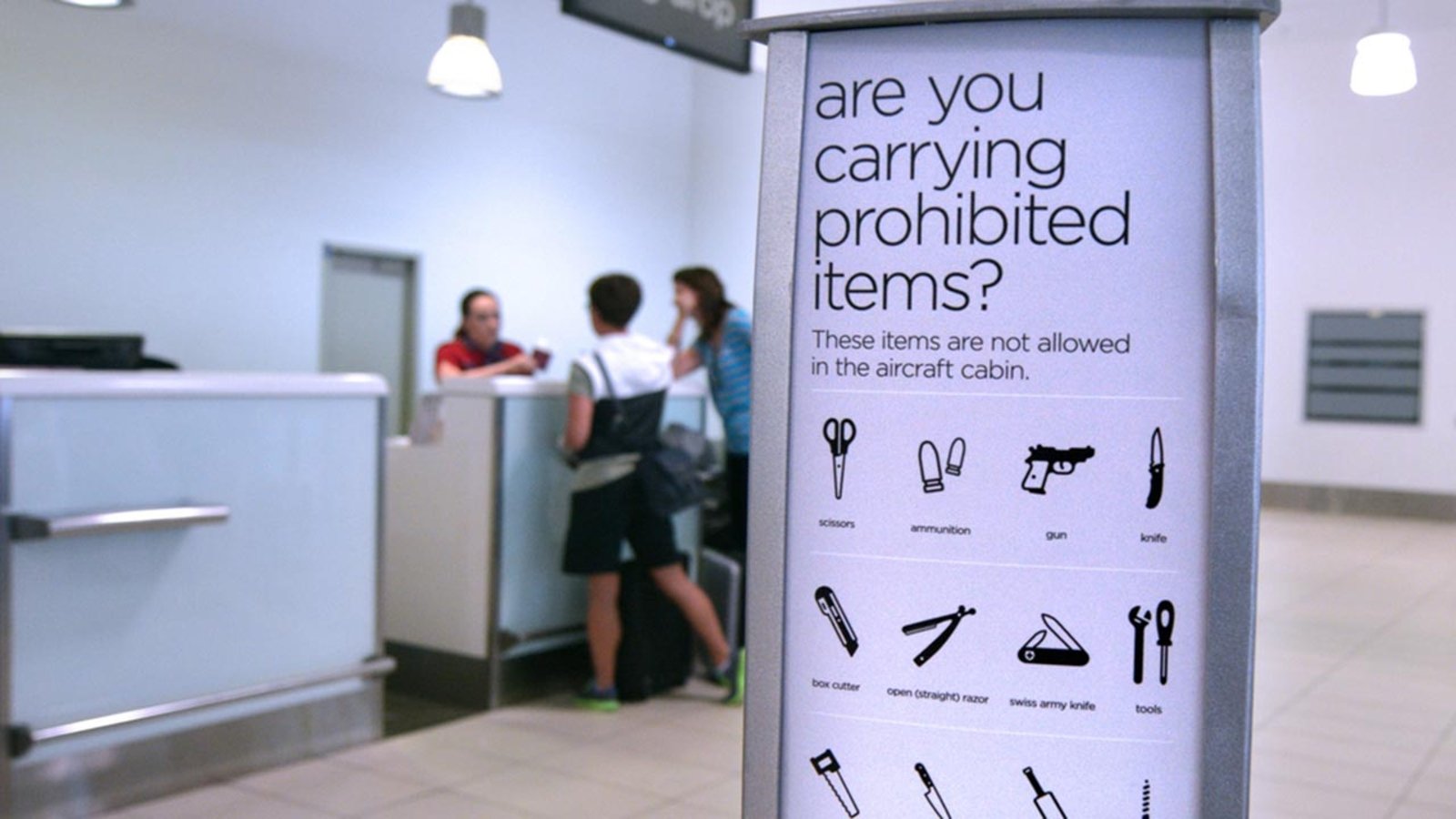
  • Flights and Aviation: When entering Egypt, you must pack your vape device in your carry-on luggage (Hand Luggage) rather than in checked baggage (since it contains lithium batteries). You are also permitted to carry a reasonable amount of e-liquid for personal use through customs.
  • Public etiquette: It’s always best to avoid producing large clouds of vapor in crowded places or areas where children are present, so as not to cause inconvenience, and to vape discreetly.


0
<p><strong>What type of electrical outlets are used in Egyptian hotels? Do I need an adapter?</strong></p><p><br></p>
Types of Outlets Used in Egypt

In Egypt, the standard electrical grid operates at 220 V and 50 Hz. There are two main types of outlets used in Egypt:

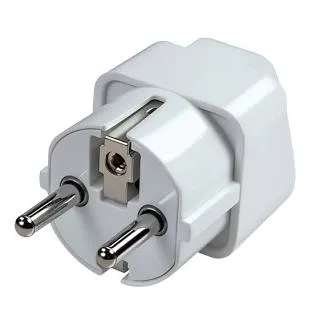
  • Type C: a standard European plug with two round prongs. This is the most common type of outlet in standard hotels and residential buildings.
  • Type E/F: These are also plugs with two round prongs, but with grounding contacts on the top and bottom (commonly known as “Schuko” plugs). They are widely used in modern, luxury international resorts.

Do I need an adapter?

  • If your devices use European plugs (types C, E, or F): no, you won’t need an adapter. You can plug your smartphone, laptop, and camera chargers directly into the outlets.
  • If you’re traveling from the UK, the US, Canada, or Australia (types G, A, B, or I): yes, you’ll definitely need a universal travel adapter compatible with the European two-pin configuration.
  • Note on voltage: If your devices are from North America (110 V), make sure they are labeled “Dual Voltage” (110–240 V). Most modern electronic devices handle this automatically, but high-power appliances, such as hair straighteners, may require a voltage converter.
Forgot your adapter? No problem! If you forgot to pack a travel adapter, there’s absolutely no need to worry. You can easily order one directly to your hotel through the delivery service available right here on our platform.


0
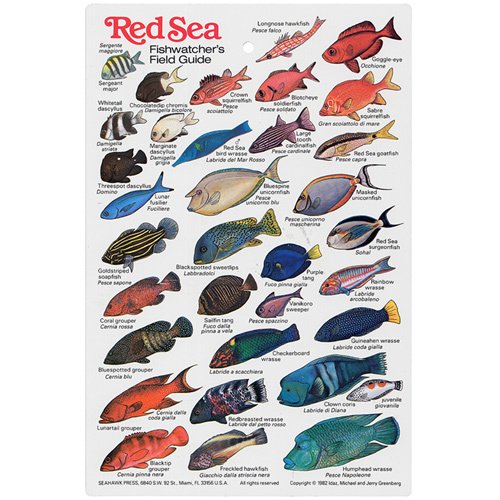
<p>Why is the Red Sea called the Red Sea?</p>

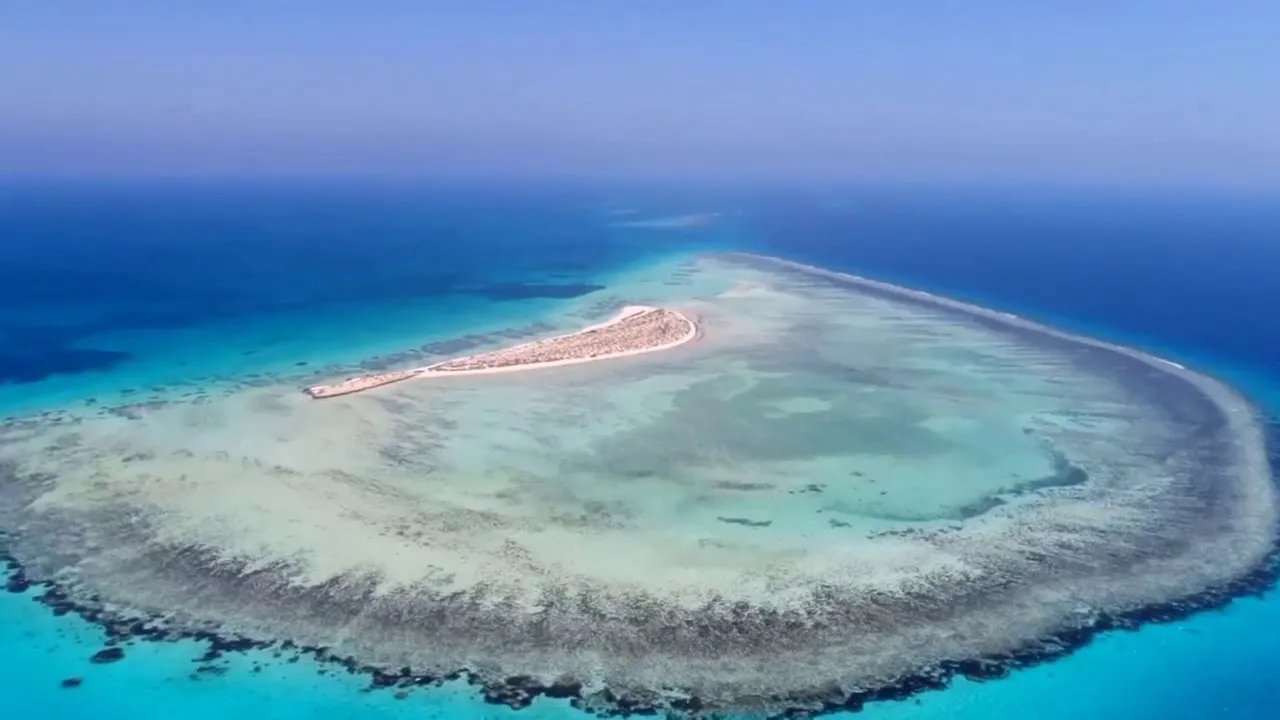
There are several theories about why the Red Sea is called the Red Sea. One theory suggests that it's due to seasonal blooms of a type of algae called Trichodesmium erythraeum, which can turn the water a reddish color. Another theory proposes that the name might be related to the reddish hue of the surrounding mountains or deserts. Some believe it could be linked to the ancient Egyptians' term for the southern direction, which was associated with the color red. Finally, it's possible that the name refers to the Red Land, or the desert, which borders the sea.

1
<p>Why do most Egyptian women not work?</p>

According to Egyptian and Arab traditions, a woman's primary role is to stay at home, caring for the family and raising children. This cultural norm has historically limited women's participation in the workforce. However, in recent years, economic hardships have prompted many women to seek employment to support their families alongside their husbands. Despite this shift, the percentage of working women in Egypt remains lower than in European countries. Many still face societal pressures and expectations that prioritize home and family responsibilities over professional ambitions. As a result, while the landscape is gradually changing, the traditional view of women's roles continues to influence their participation in the labor market.

8
<p><strong>Does the phenomenon of tides affect the quality of the beaches at hotels in Hurghada, and how can I find out which hotels are less affected by this?</strong></p>

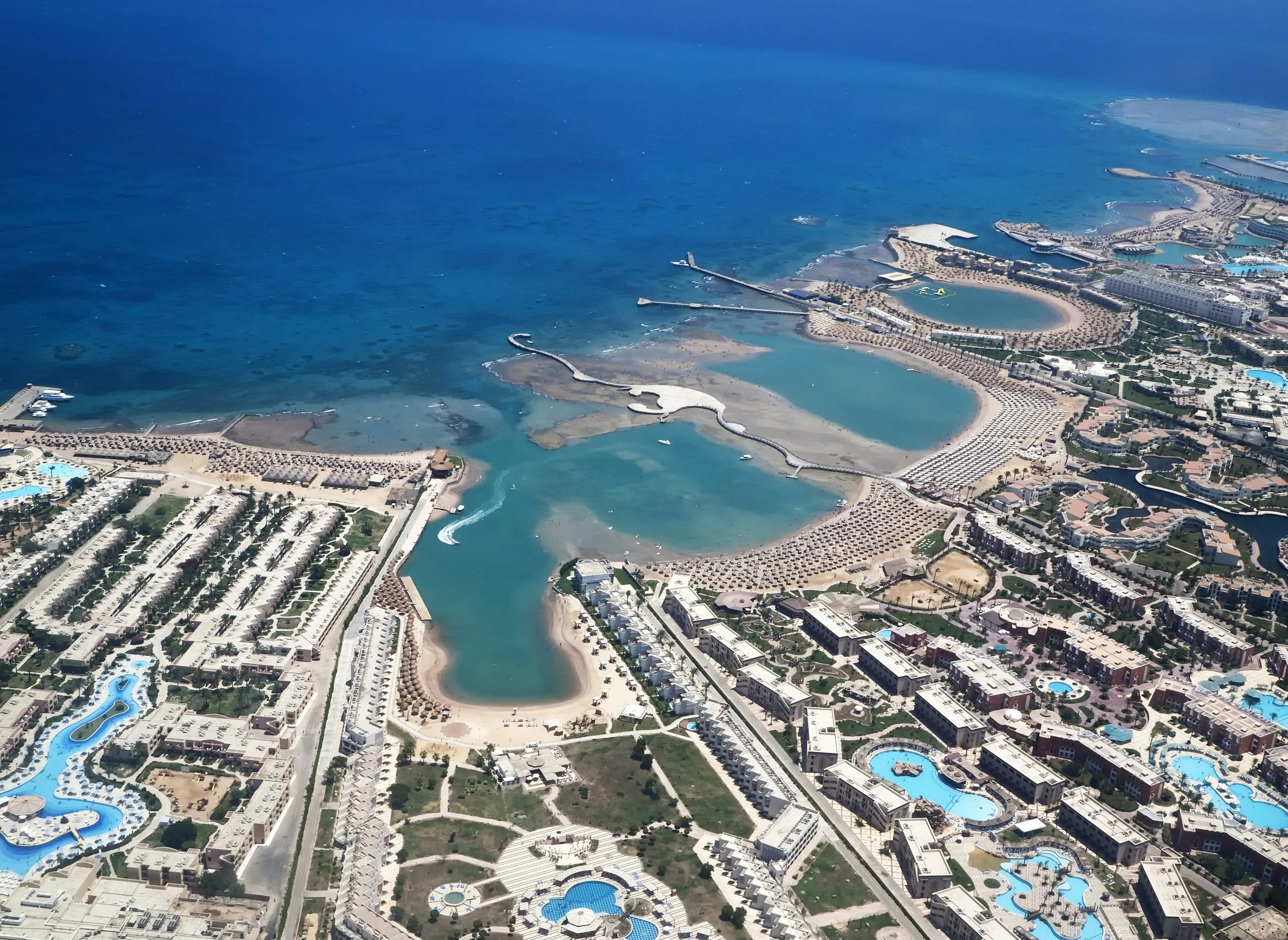
The tides in the Red Sea are gentle but noticeable on shallow-water beaches. At low tide, the water can recede by 10–40 meters, leaving wide sandy areas. This does not affect water quality, but it makes entering the sea less convenient. Hotels in Soma Bay and Sahl Hasheesh are less affected, as their beaches are deeper and sandy. In Makadi Bay, many hotels are located on coral reefs, where piers are used for swimming, and low tides make entering the water more difficult. In El Gouna, lagoons and artificial bays predominate, where water levels fluctuate but swimming remains calm and safe. To choose the right hotel, check traveler reviews on forums and booking sites, where they describe the beach depth and the impact of the tides. Lagoons are better for families and beginners, while reef areas are better for snorkeling enthusiasts.

1
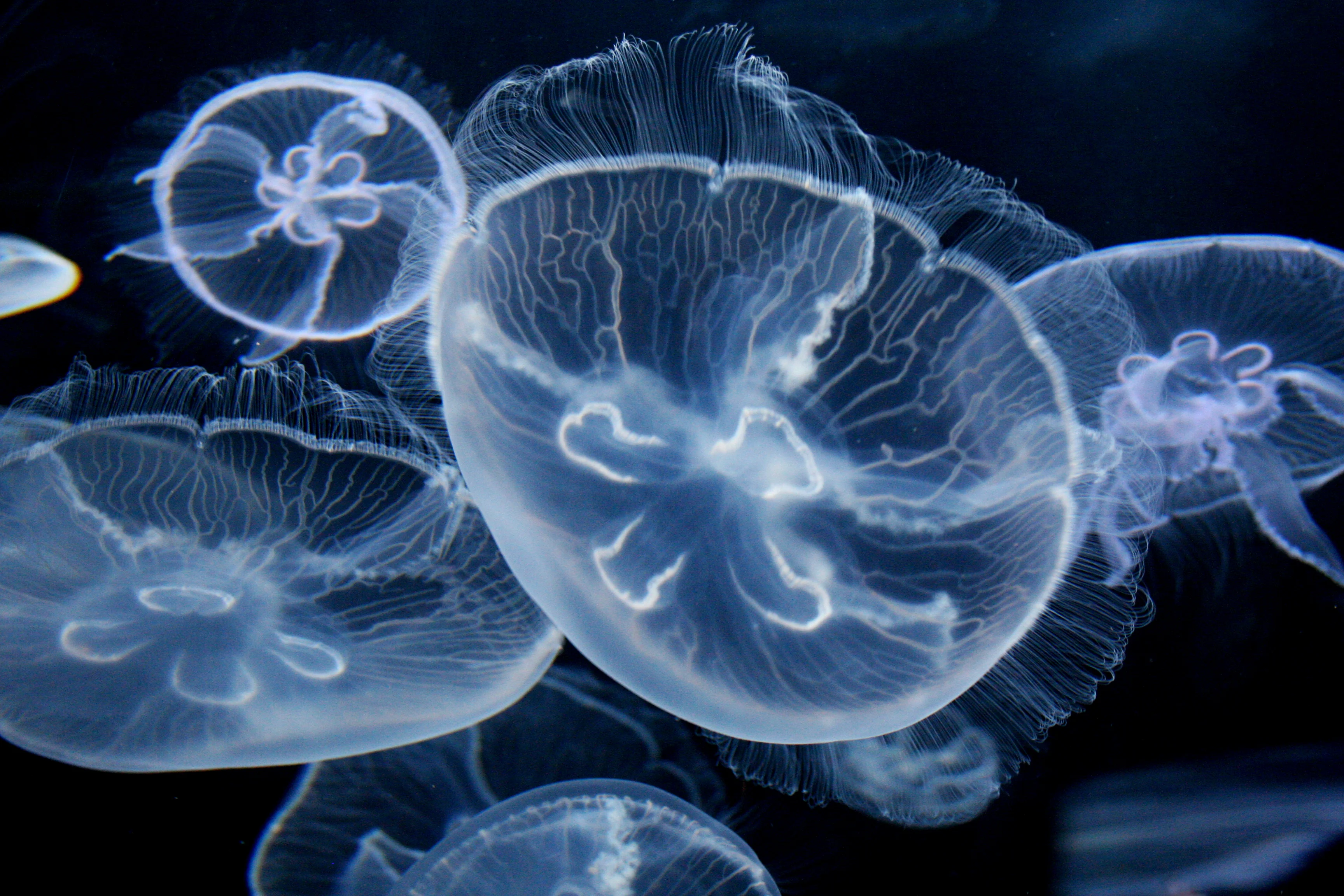
<p><strong>Do jellyfish appear seasonally in Hurghada, and are their stings poisonous?</strong></p><p><br></p>

Yes, jellyfish appear in the Red Sea near Hurghada, usually in the summer (June–August). Their stings are generally mild and not life-threatening; they cause pain, redness, or a rash. Most hotel beaches remain safe, and serious incidents are rare.

Jellyfish in Hurghada

When They Appear

  • Season: Summer (June–August).
  • Outbreaks: Related to ocean currents and reproduction.
  • Larvae (“sea lice”): May cause mild irritation.

Are the stings dangerous?

  • Mild, like insect bites.
  • Symptoms: Burning, redness, itching, rash.
  • Rare severe reactions: Treat with vinegar or seek medical attention.
  • Not fatally poisonous.

Tourist Safety

  • Hotel beaches are monitored and cleaned.
  • Guides check conditions before trips.
  • Precautions: Wear a wetsuit; do not touch jellyfish; rinse with vinegar or seawater; seek medical attention if a reaction occurs.

Practical Tips

  • Check forums and hotel announcements.
  • Best months for swimming: March–May, September–November.
  • Shallow lagoons are best for families.


0
<p><strong>Is the Red Sea warm enough for swimming in the winter (December, January, February)?</strong></p><p><br></p><p><br></p>

Yes, the Red Sea remains pleasantly warm even during the winter months of December, January, and February. Sea temperatures average around 22–24°C, which is comfortable for swimming, snorkeling, and diving. This makes Egypt a unique getaway for travelers from colder climates, who can enjoy sunny beaches while Europe is covered in snow. Resorts in Hurghada, El Gouna, and Marsa Alam are popular choices, offering calm waters and vibrant coral reefs year-round. Daytime air temperatures usually range from 20–25°C, creating a mild and pleasant atmosphere, while evenings are cooler but still comfortable. Winter also means fewer crowds, so guests can enjoy more relaxed service and quieter beaches. Whether you want to swim, dive, or simply relax by the sea, the Red Sea in winter offers the perfect balance of warmth, sunshine, and tranquility—making Egypt one of the best destinations for a winter vacation.

0
<p><strong>What are the best hotels with a sandy beach in the Red Sea?</strong></p>

The Best Sandy Beaches in Red Sea Hotels: A 2026 Guide

The Red Sea coast remains a premier destination for those seeking the perfect blend of turquoise waters and soft shorelines. While many areas are rocky, specific resorts have mastered the art of the "natural sandy entry." Here is an updated list of the top hotels.

1. Rixos Premium Magawish Suites & Villas (5★)

Reviewers consistently call this the "Maldives of Egypt." The beach is praised for its vastness and exceptionally soft white sand. Guests love the private cabanas and the fact that you can walk deep into the sea without encountering a single stone, making it a top luxury choice for 2026.

2. The Oberoi Beach Resort, Sahl Hasheesh (5★)

Known for its ultimate privacy, guests describe the beach here as a "silent sanctuary." Reviews highlight the impeccable cleanliness of the sand and the personalized service where staff anticipate your needs before you even ask. It is the gold standard for couples seeking a quiet, sandy retreat.

3. Xanadu Makadi Bay / High Class (5★)

A newer favorite in the region, Xanadu is frequently mentioned for its "High Class" all-inclusive concept. The beach is a standout feature, with visitors noting the perfect balance between sandy lounging areas and crystal-clear water. Families appreciate the well-maintained shore and the premium feel of the sunbeds.

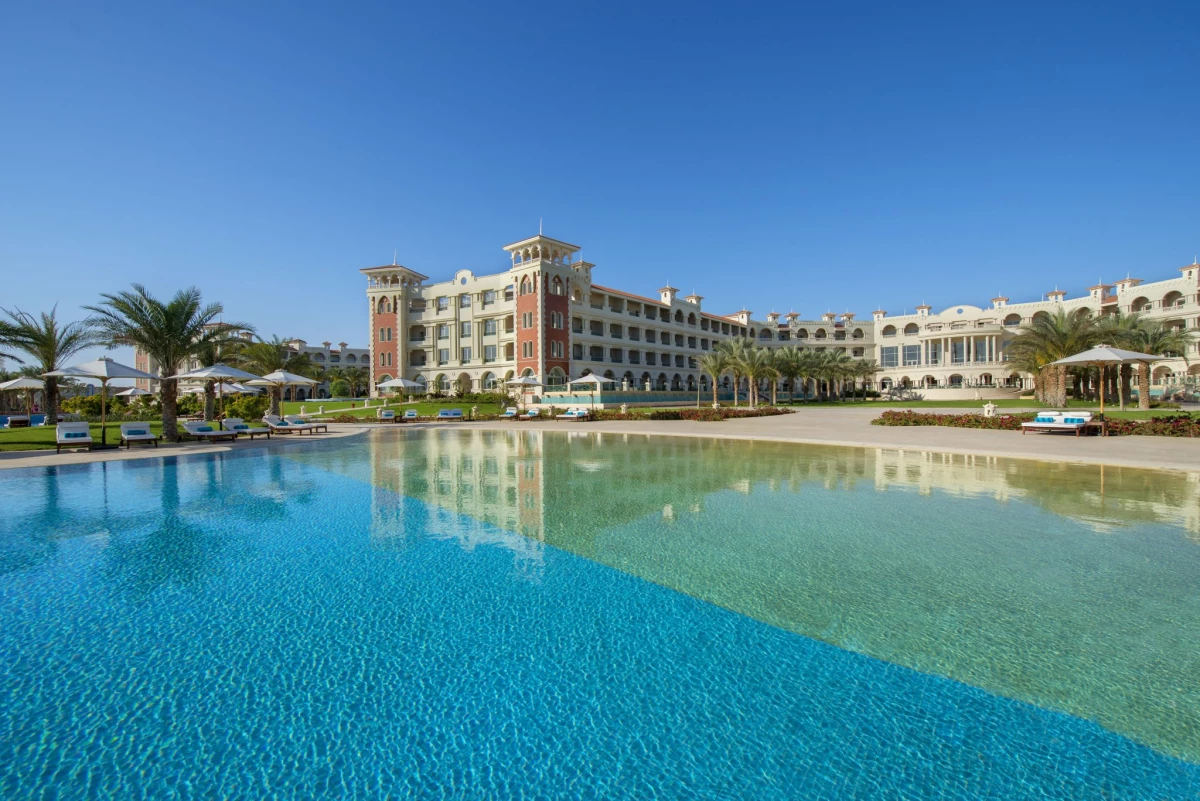
4. Baron Palace Sahl Hasheesh (5★)

This hotel is often cited for having the most "manicured" beach in Sahl Hasheesh. Comments online emphasize the velvet-like texture of the sand and the grand scale of the bay. It’s a frequent recommendation for those who want a royal atmosphere alongside a perfect natural swimming pool.

5. Steigenberger ALDAU Beach Hotel (5★)

Famous for its wide, expansive shoreline, reviewers often mention the "lazy river" that leads toward a beach where the sand is raked daily. Guests love the easy access to the water, noting it is perfect for elderly travelers and children who prefer a smooth, stone-free entry.

6. Sheraton Soma Bay Resort (5★)

Often described as having "the best natural water in Egypt," the beach here is legendary. Reviewers highlight the panoramic views and the unique way the tide creates natural sandy pools. It remains a top choice for those who prioritize the quality of the sea and shore above all.

7. Cleopatra Luxury Resort Makadi Bay (5★)

Guests frequently praise this resort for its "immaculate beach layout." Reviews often mention the spaciousness between umbrellas and the soft, golden sand that defines the Makadi area. It is highly rated for its professional service and the natural beauty of its well-kept coastal strip.

8. Palm Royale Resort Soma Bay (5★)

This resort is celebrated for having one of the longest private beaches in the area. Online feedback often focuses on the "freedom of space," with guests enjoying long walks on the sand. It is a favorite for kite-surfers and beach lovers who dislike crowded shorelines.

9. Sunrise Garden Beach Resort (5★)

A family powerhouse, reviews here center on the "kid-friendly" nature of the beach. The water is shallow and the sand is perfect for building castles. Guests appreciate the safety of the bay and the variety of water sports available right off the sandy shore.

10. Xanadu Resort (Belek/International Style) (5★)

Borrowing from its international reputation, the Xanadu brand is synonymous with luxury. Reviewers highlight the "sophisticated beach club atmosphere." Guests enjoy the high-end amenities and the meticulously cleaned sand, noting that it feels more like a private club than a standard hotel beach.

11. Mövenpick Resort El Quseir (5★)

Reviewers adore the unique, rugged beauty of this location. The sandy cove is described as "charming and secluded." While the area is known for diving, the direct sandy access from the beach into the water is a highlight for those who want to see fish without a jetty.

12. Pickalbatros Dana Beach Resort (5★)

The "lagoon" is the star of the show here. Guests love the boat transport to the beach and the unique layout. Reviews often mention that despite the hotel's size, the sandy beach area is managed efficiently, offering plenty of space for everyone to enjoy the sun.

13. Jaz Makadi Saraya Resort (5★)

While located slightly back from the shore, guests have access to a "prime slice of Makadi Bay." Reviews consistently mention the high quality of the sand and the vibrant atmosphere. It’s often cited as the best way to experience a 5-star beach with excellent value.

14. Hurghada Long Beach Resort (4★)

True to its name, guests rave about the "endless shoreline." Reviewers mention that you can always find a quiet spot because the beach is so massive. It is highly recommended for those who prioritize long beach walks and a variety of different swimming lagoons.

15. Coral Beach Resort Hurghada (4★)

This hotel is a favorite for nature lovers. Reviews often highlight the "wild and natural" feel of the beach. Guests appreciate the large sandy areas and the proximity to coral patches, allowing for a mix of sandy lounging and easy snorkeling right from the shore.

16. Labranda Royal Makadi (4★)

Often called a "hidden gem," reviews focus on the quality of the bay. Guests love that they can walk into the water without shoes, praising the "pure sandy bottom." It is frequently cited as the best 4-star option for a premium beach experience.

1
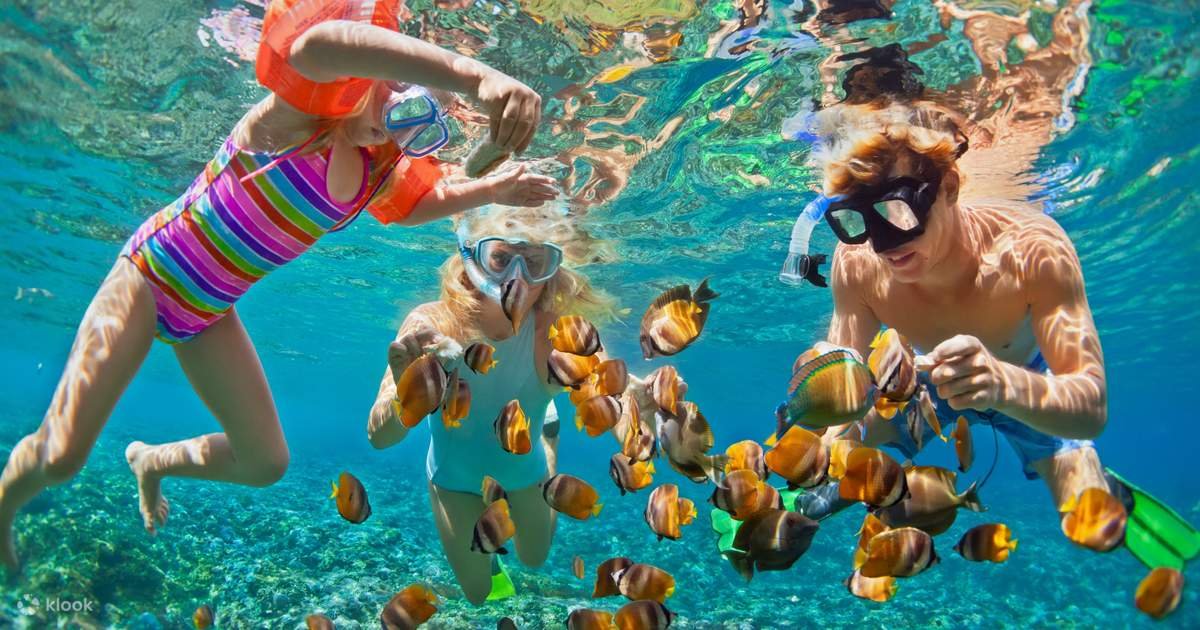
<p><strong>What are the best Red Sea hotels for world-class house reef snorkeling directly from the beach?</strong></p><p><br></p>

1. The Oberoi Beach Resort-Sahl Hasheesh- 5★ : Families Welcome

Guests frequently describe this reef as a "private underwater garden." Reviews highlight the exceptional preservation of the coral, noting that because the resort limits the number of snorkelers, the marine life remains unafraid and highly visible. It is often cited as the most tranquil snorkeling experience in Sahl Hasheesh.

2. Steigenberger Resort Alaya-Marsa Alam-5★ : Adults Only

Located in the heart of Coraya Bay, this resort is a favorite for those seeking peace and vibrant reefs. Recent comments praise the "effortless entry" via the jetty and the abundance of blue-spotted rays and eagle rays frequently seen gliding along the reef wall just meters away.

3. Sheraton Soma Bay Resort-Soma Bay-5★ : Families Welcome

The snorkeling here is defined by its legendary 800-meter jetty. Reviewers emphasize that the walk is worth it, as it drops you directly into a "kaleidoscope of colors." Guests often mention the unique panoramic views of the bay while snorkeling along the steep, fish-rich reef drop-off.

4. Mövenpick Resort El Quseir-El Quseir-5★ : Families Welcome

This resort is famous for its environmentally protected bay. Feedback from 2026 highlights the "unspoiled" nature of the corals. Many guests return specifically for the snorkeling, noting that the variety of rare fish species found here is significantly higher than in the more developed tourist hubs.

5. Baron Palace Sahl Hasheesh-Sahl Hasheesh-5★ : Families Welcome (Adults-only sections available)

While famous for its sand, the deep reef wall accessible from the jetty is highly rated. Snorkelers often report sightings of large sea turtles and barracudas. Reviews mention that the water clarity here is consistently excellent, making it a dream for amateur underwater photographers.

6. Rixos Premium Magawish Suites & Villas-Hurghada-5★ : Families Welcome

This luxury destination offers protected lagoons that are perfect for beginners. Guests appreciate the "safe and calm" snorkeling environment. While the reefs are more scattered than in Marsa Alam, the sheer variety of colorful reef fish accessible in shallow water makes it a family favorite.

7. Xanadu Makadi Bay-Makadi Bay-5★ : Families Welcome

Visitors often comment on the "crystal-clear visibility" in the bay. The house reef is described as vibrant and easily accessible. Recent guests have noted that the reef is teeming with life, including octopus and pufferfish, providing a high-quality snorkeling experience right in front of the hotel.

8. Pickalbatros Citadel Resort-Sahl Hasheesh-5★ : Families Welcome

Unique for its man-made lagoons carved directly into the coral rock, this hotel offers a "sheltered snorkeling" experience. Reviews highlight how fish swim directly into the lagoons from the open sea, allowing guests to snorkel safely even when the outer sea is too rough for swimming.

9. Marsa Shagra Village-Marsa Alam-Eco-Resort (Highly Rated) : Families Welcome

A mecca for divers and snorkelers alike. The house reef is world-renowned for its health and biodiversity. Reviews consistently mention seeing dolphins and small reef sharks. It is described as a "raw and authentic" experience where the focus is entirely on the beauty of the Red Sea.

10. Cleopatra Luxury Resort Makadi Bay-Makadi Bay-5★ : Families Welcome

This resort is praised for its "patch reefs" that are just a short swim from the beach. Guests love that they don't need a jetty to see beautiful marine life. Comments often mention the "impeccably maintained" beach area that leads directly into clear, fish-filled waters.

11. Iberotel Costa Mares-Marsa Alam-5★ : Families Welcome

Famous as the "home of the Dugong." Reviewers are thrilled by the frequent sightings of these rare sea cows and giant green turtles. The sandy bottom mixed with seagrass and nearby coral clusters creates a unique ecosystem that guests find absolutely "magical and unforgettable."

12. Jaz Maraya Family Resort-Marsa Alam-5★ : Families Welcome

Highly rated for family snorkeling, this hotel offers easy access to Coraya Bay’s northern reefs. Reviews highlight the "safety and friendliness" of the bay, noting it is perfect for children’s first snorkeling attempts. Guests often see colorful parrotfish and curious clownfish very close to the entry.

13. Palm Royale Resort Soma Bay-Soma Bay-5★ : Families Welcome

Guests love the "vastness" of the bay here. While known for water sports, the coral outcrops scattered across the sandy bottom provide excellent snorkeling spots. Reviews suggest it’s a great place for those who want to combine a relaxing beach day with occasional snorkeling trips.

14. Hilton Marsa Alam Nubian Resort-Marsa Alam-5★ : Families Welcome

Located at the famous Abu Dabbab Bay, this resort is a "turtle paradise." Guests consistently report swimming alongside multiple turtles in a single session. The coral reefs on the sides of the bay are also highly praised for their diversity and easy beach-entry access.

15. Fort Arabesque Resort, Spa & Villas-Makadi Bay-4★ Plus : Families Welcome

Frequently cited as having the "best beach-entry snorkeling in Makadi." Reviewers love the multiple coral blocks that sit in shallow water, making it perfect for those who are not strong swimmers. The variety of soft and hard corals is a common highlight in guest feedback.

16. The Westin Soma Bay Golf Resort & Spa-Soma Bay-5★ : Families Welcome

Although slightly set back, its beach access to the Soma Bay reef wall is top-tier. Guests praise the "professional snorkeling infrastructure" and the stunning drop-offs where one can see larger pelagic fish. It is often recommended for serious snorkelers who appreciate deep-water coral formations.

17. Labranda Royal Makadi-Makadi Bay-4★ : Families Welcome

This resort offers a "natural sandy walk-in" that leads directly to beautiful coral patches. Reviews often mention that it’s the best value-for-money option for snorkeling. Guests appreciate being able to see a wide variety of fish without having to use a jetty or boat.

18. Hurghada Long Beach Resort-Hurghada-4★ : Families Welcome

With a massive shoreline, this resort features several jetties that lead to "hidden coral gems." Reviewers suggest exploring the ends of the piers for the best fish sightings. It is noted for providing a "sense of discovery" across its extensive and varied coastal area.

19. Coral Beach Resort Hurghada-Hurghada-4★ : Families Welcome

This resort is loved for its "wild and unpretentious" beach. The coral is described as being in surprisingly good condition for Hurghada, with plenty of rays and moray eels spotted near the shore. Guests enjoy the natural, less-manicured feel of the underwater environment here.

20. Jaz Lamaya Resort-Marsa Alam-5★ : Families Welcome

Another Coraya Bay gem, this hotel is praised for its "consistently clear water." Reviews highlight the ease of snorkeling via the shared jetty and the abundance of "friendly" reef fish. It is a top recommendation for a high-quality, hassle-free snorkeling holiday in 2026.


0
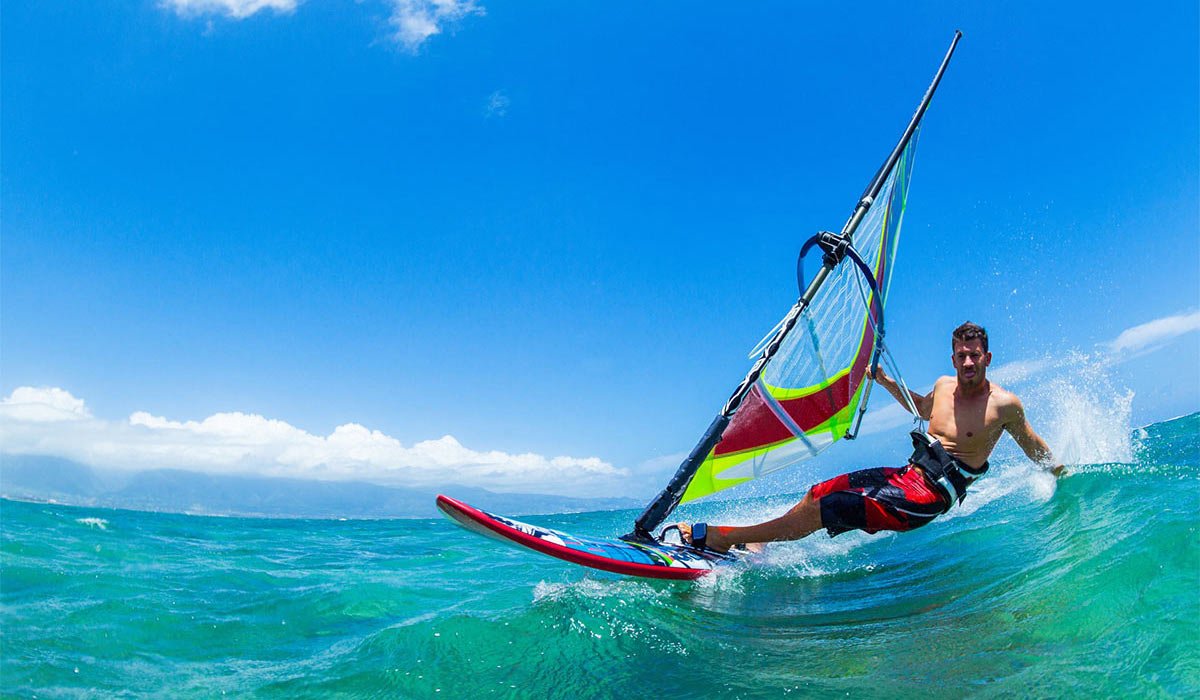
<p><strong>What are the Top Red Sea hotels for Windsurfing &amp; Kiteboarding?</strong></p><p><br></p>

1. Mövenpick Resort & Spa El Gouna | El Gouna | 5★ | Families Welcome

This resort is a legendary hub for wind enthusiasts, featuring a massive 1.5 km private beach. Reviews in 2026 highlight the perfectly flat, shallow water lagoons that provide a safe environment for beginners and a high-speed playground for professionals seeking consistent, reliable wind conditions.

2. Sheraton Miramar Resort | El Gouna | 5★ | Families Welcome

Architecturally stunning across several islands, this resort offers direct access to El Gouna’s premier kiting spots. Guests praise its strategic location, which allows surfers to enjoy steady cross-shore winds during the day while being just steps away from the vibrant town center for evening relaxation.

3. Steigenberger Golf Resort | El Gouna | 5★ | Families Welcome

Nestled among winding lagoons, this resort provides a sophisticated and peaceful base for water sports lovers. Recent feedback emphasizes the high-quality equipment available at the beach station and the professional instructors who help guests navigate the steady breezes and clear, turquoise waters surrounding the resort.

4. Casa Cook El Gouna | El Gouna | 5★ | Adults Only

A modern, lifestyle-focused hotel that caters specifically to the athletic traveler. Reviewers describe it as the "trendiest" windsurfing spot, boasting a world-class kite center and a community atmosphere where guests can enjoy consistent winds and a stylish, minimalist environment designed for active recovery and sport.

5. Caves Beach Resort | North Hurghada | 5★ | Adults Only

Located in the windy Al Ahyaa district, this unique cave-themed resort is highly rated for its proximity to professional surf stations. Guests appreciate the strong, reliable winds characteristic of northern Hurghada, making it a budget-friendly yet adventurous choice for those focusing on maximizing their time on the water.

6. The Three Corners Sunny Beach Resort | North Hurghada | 4★ | Families Welcome
This resort features an incredibly wide shoreline, providing ample space for launching and landing gear. Reviews frequently mention the professional water sports team that specializes in teaching windsurfing to beginners in the safe, shallow lagoons before they transition to the more challenging conditions of the open sea.
7. Fanadir Hotel | El Gouna | 4★ | Adults Only

Situated in Abu Tig Marina, this hotel is a favorite for those who want quick access to the famous Marina Beach kiting hub. Travelers recommend it for its strategic location, allowing athletes to spend their days chasing winds and their nights enjoying the sophisticated dining and nightlife.

8. SUNRISE Serano (Ex. Hawaii) Riviera | North Hurghada | 5★ | Families Welcome

A vibrant resort in northern Hurghada that offers a vast sandy beach and excellent wind conditions for intermediate surfers. 2026 reviews highlight the active atmosphere and the variety of water sports available, noting that the steady wind flow makes it an ideal spot for improving sailing techniques.

9. The Oberoi Beach Resort | Sahl Hasheesh | 5★ | Families Welcome

This luxury sanctuary offers a more exclusive and quiet windsurfing experience. Guests enjoy the stable thermal winds of Sahl Hasheesh, noting that the vast open water and lack of crowds provide a sense of freedom and tranquility that is rare in the more densely populated tourist hubs.

10. Steigenberger Resort Ras Soma | Soma Bay | 5★ | Families Welcome

One of the newest luxury additions to Soma Bay, attracting serious athletes due to its proximity to world-class surfing centers like KBC. Feedback points to the "flawless" flat water and consistent cross-shore winds, making it a premier 2026 destination for those who prioritize performance and modern comfort.

11. Sheraton Soma Bay Resort | Soma Bay | 5★ | Families Welcome

A classic destination known for its massive beach and elite water sports infrastructure. Surfers call it a "Wind Paradise" because the natural geography of the bay creates perfect conditions for speed sailing and training, with high-end equipment and rescue services readily available for all skill levels.

12. Kempinski Hotel Soma Bay | Soma Bay | 5★ | Families Welcome

This resort combines ultra-luxury with direct access to some of the Red Sea's best windsurfing waters. Reviews emphasize the professional nature of the beach operations, highlighting the presence of rescue boats and advanced gear that ensure a safe, high-performance experience for even the most demanding athletes.

13. Sentido Caribbean World | Soma Bay | 5★ | Families Welcome

Famous for its soft golden sand and powerful offshore winds, this resort offers a thrilling and fast surfing experience. Guests love the easy entry into the water and the social vibe of the surf center, where enthusiasts from around the world gather to share tips and experiences.

14. Jaz Soma Beach | Soma Bay | 4★ | Families Welcome

This contemporary resort has earned top ratings in 2026 for its energetic water sports team and modern equipment. Reviewers suggest it is a perfect choice for active families, as the center provides tailored lessons for children while offering challenging conditions for more experienced windsurfing parents.

15. Bel Air Azur Resort | Hurghada | 4★ | Adults Only

A long-standing favorite in Hurghada, known for housing one of the region's most prestigious and established windsurfing schools. Guests prefer this resort for its "old-school" professional training approach and the natural lagoons that provide the calm, flat water necessary for beginners to build their confidence.

0
<p><strong>How late at night can a tourist safely stay outside their hotel in Hurghada?</strong></p>

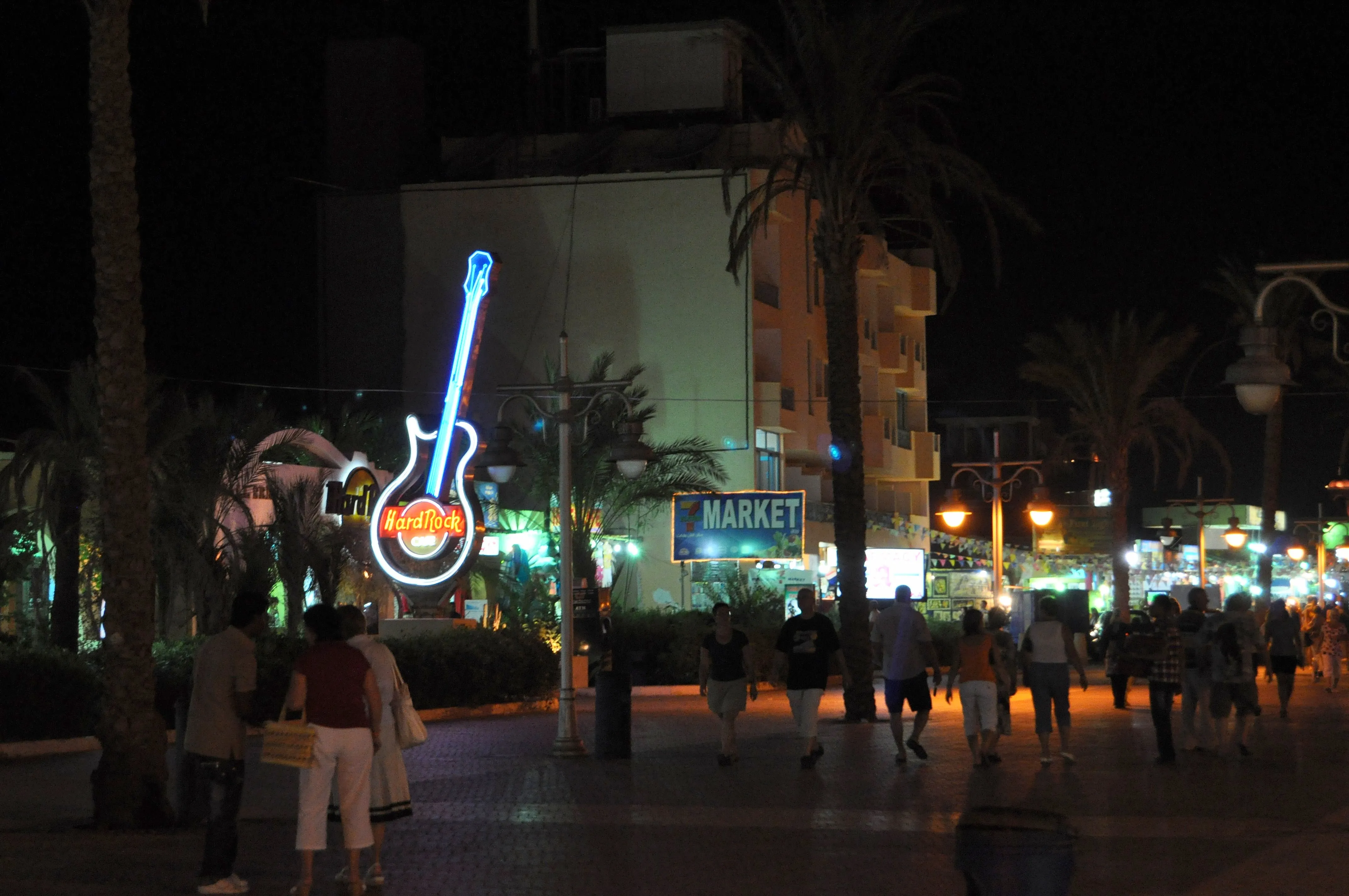
Tourists can walk around Hurghada late into the night: most nightlife venues stay open until 2:00–3:00 a.m. on weekends, and the main tourist areas remain safe until morning.


Hurghada Nightclubs: Hours of Operation by Area.

Hurghada Marina: The most convenient and safest place to visit bars; establishments are usually open from 6:30 p.m. to 1:00 a.m. It’s easy to get around on foot here; the area is well-lit and everything is designed specifically for tourists, making it the perfect spot for a relaxed evening.

Sheraton Road / Sakkala: This area is known for its livelier street life, with plenty of hookah bars and places to grab a late-night bite, and activity peaks from 11:00 PM to 2:00 AM. It’s noisier here and has a local vibe, but it’s generally safe as long as you follow standard city safety precautions.

El Mamshah Promenade: A quiet, family-friendly area, ideal for strolling and live music, which winds down around midnight. It’s best suited for mixed-age groups or for those heading out on morning boat tours.

Resort Hotels (Makadi Bay, Sahl Hasheesh, Soma Bay): If you’re staying south of the city, spending the night at a resort is the safest option: beach bars, themed nights, and DJ sets usually wrap up by midnight, which is ideal for divers heading out on early-morning excursions.

Clubs (Little Buddha, Elements): To dance until dawn, clubs start filling up after 11:30 p.m. and stay open until 2:00–3:00 a.m. from Thursday through Saturday. Admission is usually $20–$30.


Nighttime Safety Tips:

Transportation is crucial: book your ride before you have your first drink. You can safely rely on our specialized private transfer service. Never haggle with street taxi drivers at 2:00 a.m.

Stick to the main streets: avoid secluded pedestrian areas after 1:00 a.m. Stay in well-lit, crowded places.

Keep an eye on your drinks: drunk tourists are easier targets for scammers. Keep your drinks with you and avoid talking to strangers.

For women traveling alone: reports of harassment and unwanted attention have been received even from resort areas. At night, use transportation arranged by your hotel and avoid informal tour offers or private invitations.

Dress code: closed-toe shoes or clean sneakers for men (beach flip-flops are prohibited), elegant sandals, and light clothing for women. If you look younger than 25, bring a form of ID.

Bottom line: Hurghada is one of the safest cities in Egypt for nightlife. In the main areas (Marina, Sheraton Street, El Mamsha), tourists can safely walk around until 1:00–3:00 a.m., provided they take standard precautions. The key is to plan your transportation in advance and stay within the designated tourist areas.

0
<p><em>Do I need to buy a local SIM card to access the Internet while on vacation in Hurghada?</em></p><p><br></p><p><br></p><p><br></p>

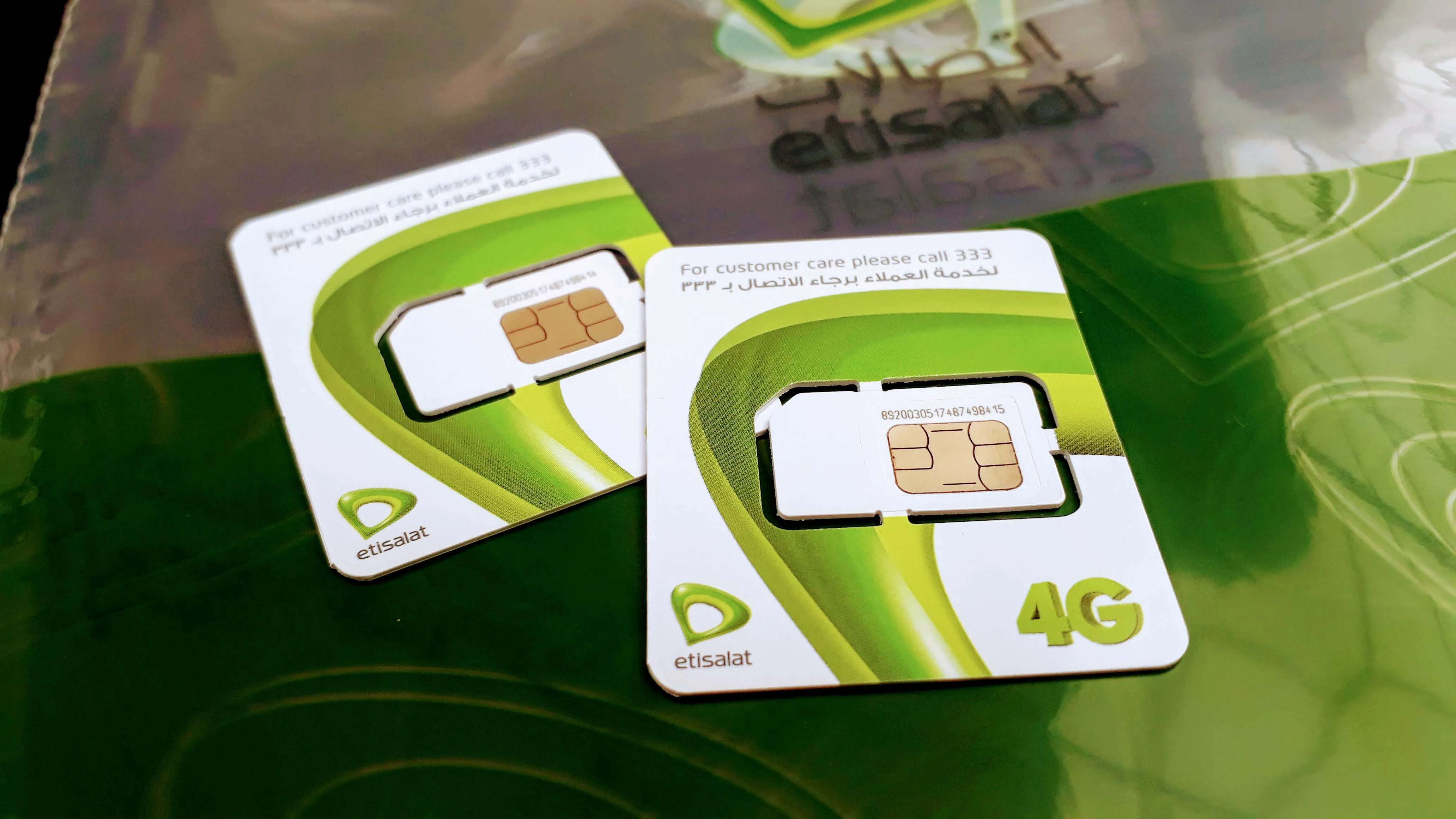
According to many travelers, it is highly recommended that you purchase a local SIM card. Although most hotels in Egypt offer Wi-Fi, it is not available everywhere and often has slow speeds or limited coverage. If you need high-speed Wi-Fi, hotels usually charge an extra fee for it, and it can be quite high.

A local SIM card is very useful, especially during excursions or day trips, as it allows you to stay in touch with family, friends, and even work, no matter where you are. With mobile data, you won’t have to rely on the hotel’s Wi-Fi or search for hotspots in cafes.

It’s also safer to pay by card or use online services if your phone is connected to the internet via your own SIM card. That way, you can receive bank SMS notifications instantly.

And here’s the good news: you can easily order an Egyptian SIM card to be delivered right to your hotel with various rate plans through the delivery service available on our platform. This ensures that you’ll start your vacation with reliable internet access from day one.

0
<p><strong>Will buying a local SIM card in Egypt cause my phone to be blocked on my next visit?</strong></p><p><br></p><p><br></p>

No, purchasing a local SIM card in Egypt will not cause your phone to be blocked and will not cause any problems on future trips. Egypt allows tourists to use a local SIM card in their personal phone for a three-month grace period. This means you can insert and use an Egyptian SIM card for three months from the date of activation without paying the import tax that is levied on phones brought in from abroad.

For the average tourist staying in Egypt for one or two weeksor even up to a month—this isn’t a problem at all. You can comfortably use a local SIM card during your vacation, enjoy reliable internet and local calls, and then simply remove the SIM card when you leave. On your next visit, you can buy a new SIM card or top up your old one, if it’s still active.

0
<p><strong>Is it easy to rent a car in Hurghada?</strong></p>

Yes, you can rent a car in Egypt, and it’s not difficult, especially in tourist hubs like Cairo, Hurghada, Sharm el-Sheikh, and Luxor. Travelers on forums often note that, although traffic in major cities can be chaotic, the rental process itself goes smoothly as long as you have all the necessary documents.

Requirements

  • Passport and visa
  • Your home country’s driver’s license
  • International driver’s license (recommended if your license is not in English)
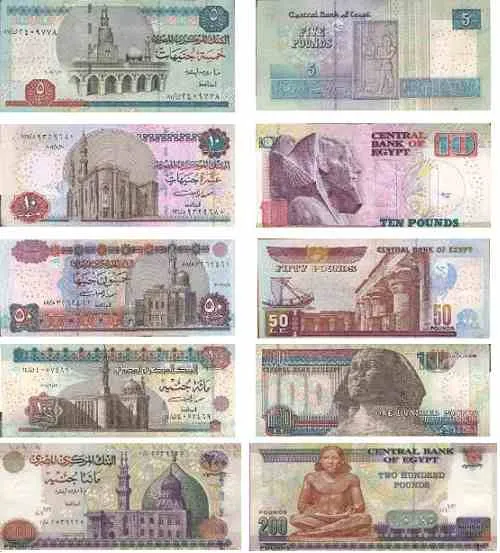
  • Credit card for a security deposit (5,000–20,000 Egyptian pounds, depending on the car class)

Driving Notes

  • Drive on the right
  • Seat belts are mandatory for all passengers
  • Speed limits: 60 km/h in cities, 90–100 km/h on highways
  • Zero tolerance for drunk driving
  • Be prepared for police checks and keep your documents with you


And to make things even easier, you can use our car rental services directly through our platform. This saves you the hassle of searching, comparing, and gathering information—everything is organized for you in one place.

1
<p><strong>Is there a specific season when domestic tourism in Hurghada picks up, and how does that affect hotel occupancy rates?</strong></p>

Yes, Hurghada has distinct peak seasons for domestic tourism. The largest influx of tourists occurs during Egyptian school vacations and in the summer months (July–August), as well as during the winter holidays (December–February). During these periods, hotels are fully booked, prices rise, and the number of available rooms is limited.

Main Domestic Tourism Seasons in Hurghada

  • Summer vacation (June–September):
  • Families from Cairo and other cities flock to Hurghada for beach vacations.
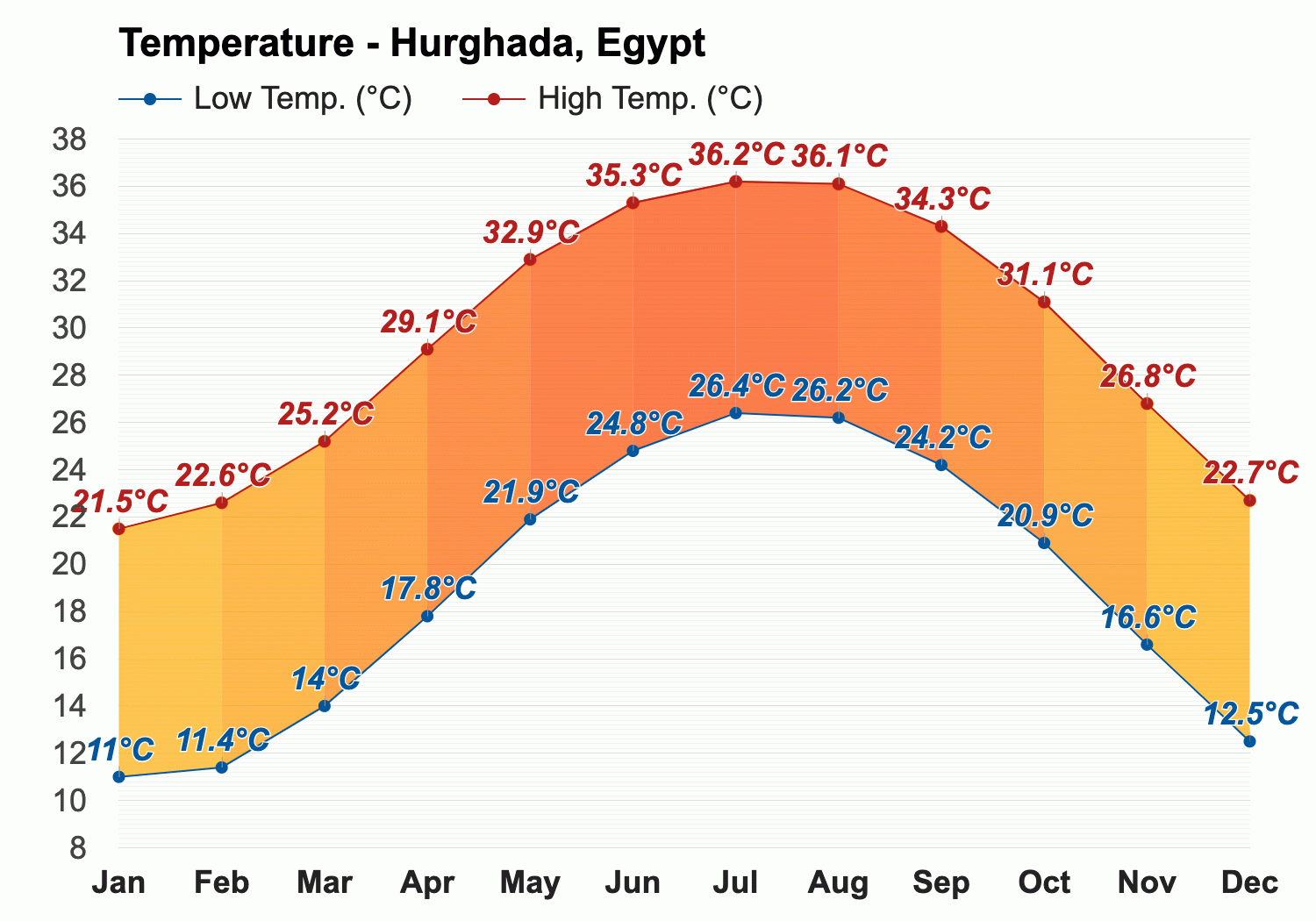
  • The weather is very hot (29–35 °C), but the sea is at its warmest.
  • Hotels are at their most crowded, and prices reach their peak.
  • Winter Break (December–February):
  • Popular among Egyptians escaping the cool northern cities.
  • Temperatures are moderate (17–23 °C), comfortable for walking.
  • Hotels are full, especially around New Year’s.
  • Shoulder seasons (March–May and October–November):
  • Mild weather (23–30 °C), fewer tourists, and better hotel rates.
  • Ideal for families and divers.
  • It’s still lively, but not as busy as during the peak summer or winter seasons.

Impact on hotels

  • Occupancy: Hotels in Hurghada are busiest in July–August and December–February and are often fully booked.
  • Rates: Room rates can be 20–40% higher than during the off-season.
  • Availability: Last-minute bookings are difficult; booking in advance is strongly recommended.
  • Atmosphere: During peak season, expect bustling resorts, crowded beaches, and a limited number of quiet spots.

Tips for Travelers

  • If you prefer less crowded hotels, choose April–May or October–November.
  • If you want to save money, hotel prices in January–February (excluding the New Year’s holidays) can be up to 40% lower.
  • During peak season, always book in advance to guarantee a room and avoid disappointment.


0
<p><strong>What is it like to vacation in Hurghada and Egypt during Ramadan? Are tourist activities still taking place?</strong></p><p><br></p><p><br></p>

Traveling to Hurghada and Egypt during Ramadan is a unique cultural experience. Tourist activities continue as usual, but the rhythm of daily life changes:

  • Daytime atmosphere: Many locals are fasting, so restaurants and cafes may be closed until sunset. However, tourist hotels and resorts continue to serve food and drinks as usual for international guests.
  • Tourist attractions: Major attractions, such as the pyramids, the temples of Luxor, and Red Sea excursions, remain open, although operating hours may be slightly adjusted.
  • Evening hours: After sunset, cities come alive with festive lights, street food, and family gatherings. This is a great time to experience the local culture.
  • Hotels: Resorts in Hurghada continue to offer a full range of services, entertainment, and excursions without interruption.
  • Practical advice: Respect local customs—avoid eating and drinking in public places during the day outside of tourist areas.

For tourists, Ramadan doesn’t put a stop to activities; it simply adds a special cultural flair to the experience. You’ll be able to enjoy the same tours and services, as well as have the opportunity to witness Egypt’s most spiritual and festive season.

0
<blockquote><strong><span class="ql-cursor"></span>Is there a duty-free shop in Hurghada where you can shop after leaving the airport?</strong></blockquote>


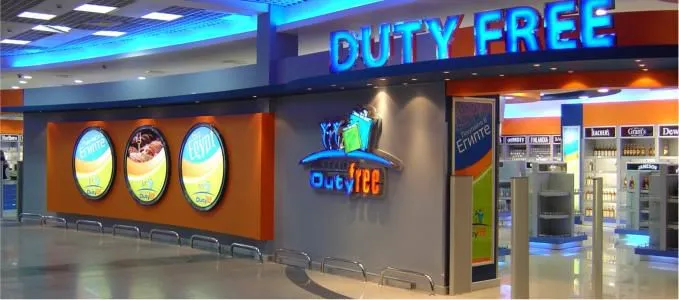
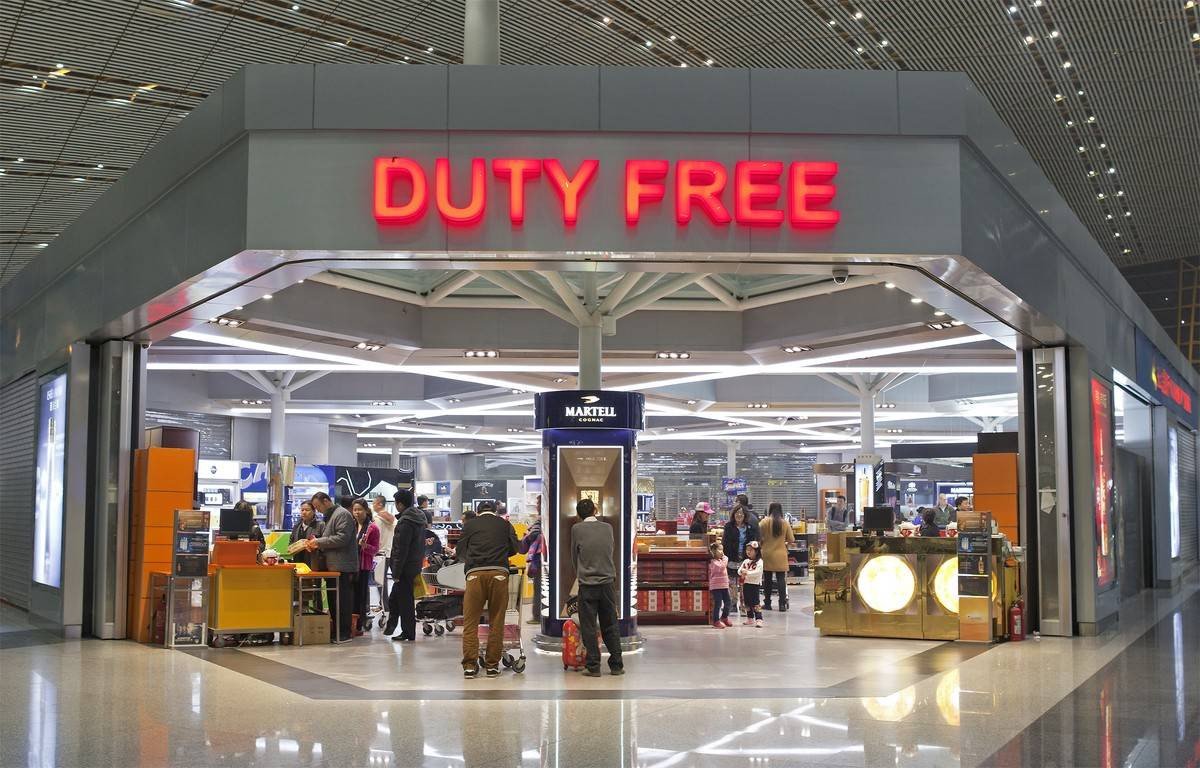
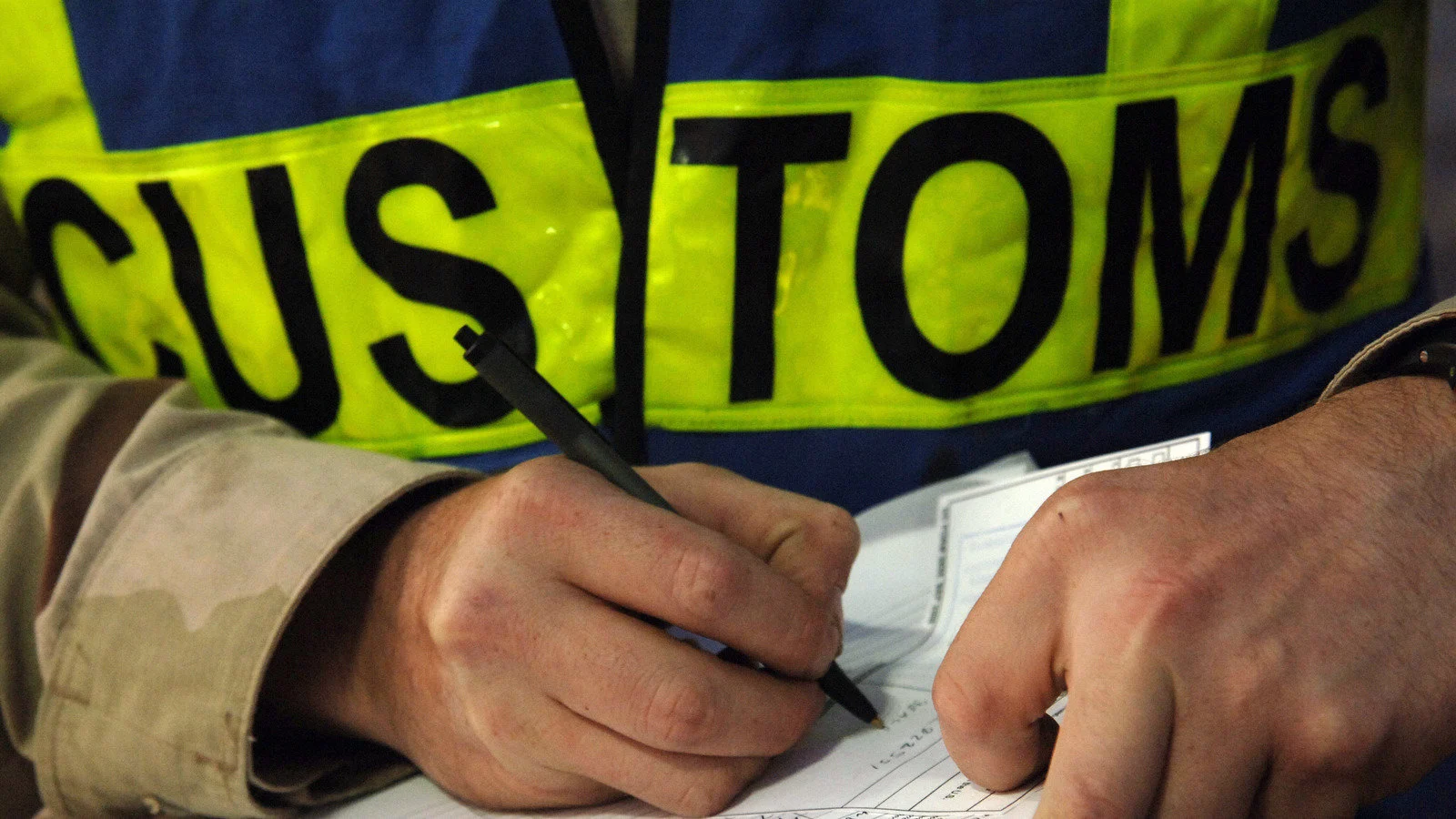
Yes, there are several downtown duty-free shops in Hurghada where you can shop after clearing customs and exiting the airport. However, to make purchases at these downtown locations, you must strictly follow Egyptian customs regulations:

The 48-Hour Rule and Purchase Requirements

  • Time Limit: You must make your purchases strictly within 48 hours of the entry stamp being affixed to your passport.
  • Required documents: When visiting a store, you must have your original passport with a recent entry stamp and your airline ticket or boarding pass.
  • Purchase Limits: Upon arrival, adult passengers (18 years of age and older) are permitted to purchase up to 3 liters of spirits/alcohol and up to 2 cartons of cigarettes (200 cigarettes) at local duty-free shops.

List of Official City Duty-Free Shops

You may purchase goods within the established limits within 48 hours of arrival (upon presentation of your original passport and airline ticket) at the following branches of Egypt Duty Free Shops (EFSCO) and AKA:

  • AKA International Duty-Free Megastore (El Mamsha): Located along the El Mamsha El Seyahi tourist promenade in the First Avenue Northside complex in the Al-Hamra district. This is the largest urban duty-free department store in the region.
  • Egypt Duty-Free Shops – El Mamsha Branch: Located on Youssef Afify Road (also known as Villages Road), just past the Giftun Azur Beach Resort.
  • Egypt Duty-Free Shops – El Mina branch: Located in the Sakala district (downtown Hurghada) within the Hurghada Maritime Port.
  • Egypt Duty-Free Shops – Sheridan Road Branch: Located right on the bustling Sheraton Road in the heart of the Sakala district, conveniently situated next to the Sea Gull Beach Resort.
  • Egypt Duty-Free Shops – Senzo Mall Branch: Located on the southern outskirts of Hurghada inside the Senzo Mall shopping and entertainment center (Safaga Road), offering a modern shopping experience alongside international brands.

Hours of Operation for City Duty-Free Branches

While the airport terminals are open 24 hours a day, the city branches have fixed operating hours:

  • Branches on Sheraton Road, El Mamshah, and El Mina:
  • Hours: Typically open daily from 10:00 a.m. to 11:00 p.m.
  • Note: Closing times may be extended until midnight during the peak summer tourist season or during Ramadan/Eid holidays for the convenience of shoppers.
  • Branch at Senzu Mall:
  • Hours: The schedule fully aligns with the mall’s official hours—typically from 10:00 a.m. to midnight (12:00 a.m.) every day.
Need transportation or a local guide? If you want to plan a shopping trip to Senzo Mall or Sheraton Road within a 48-hour window, you can instantly book a car with a private driver or contact a local guide directly through the tour and transfer services on our platform.


0
<blockquote><strong>Can I arrange my own trips during my visit to Egypt, and is it really safe to do so?</strong></blockquote><p><br></p><p><br></p>

Yes, of course, it’s possible, but it requires some planning and experience. Egypt isn’t suitable for beginner independent travelers—it’s more challenging than other countries. If you’re an experienced traveler who understands the local culture, independent travel is a great option. However, for first-time visitors, it’s recommended to book organized day trips to the main attractions (such as Cairo and Luxor) and rely on a trusted travel agent. Independent travel is cheaper, but organized tours provide peace of mind and help you avoid scams. Explore all available group and private tour options on our platform and travel with complete peace of mind.

0
<p>Is it worth visiting the Grand Egyptian Museum (GEM) right now?</p>

Yes, the Grand Egyptian Museum (GEM) is definitely worth visiting right now! Following its impressive grand opening, this architectural masterpiece has become the world’s largest museum dedicated to a single civilization.

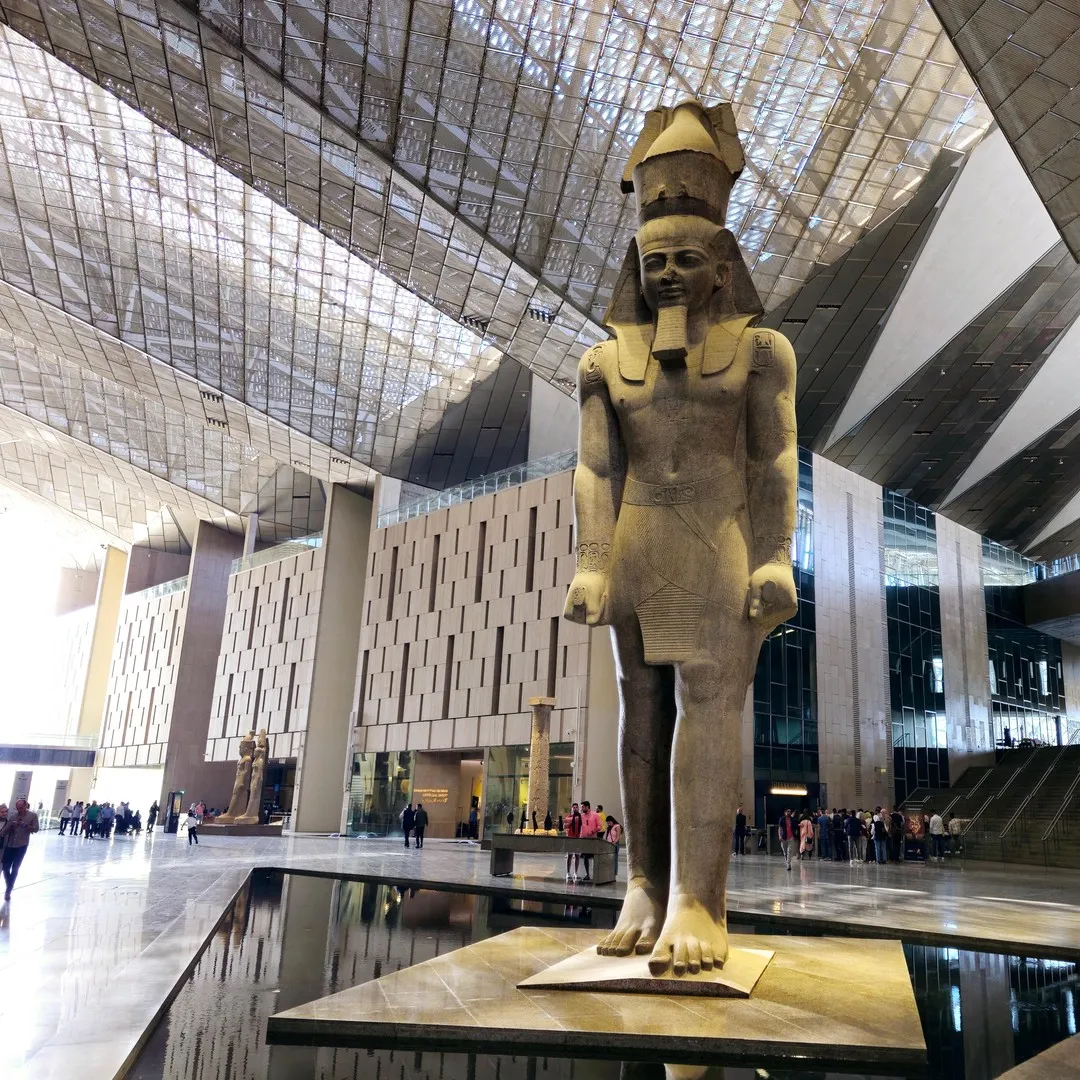
A visit to the museum will be an unforgettable cultural journey, offering exclusive access to all 12 main galleries, spanning the period from prehistoric times to the Greco-Roman era. The true highlight of your visit will be the complete, legendary Tutankhamun collection, featuring over 5,000 treasures displayed together for the first time in history. You’ll also be amazed by the colossal statue of Ramses II adorning the Great Hall and the ancient solar boat of Khufu.

To make this unforgettable journey as comfortable as possible, we organize daily excursions from Hurghada to Cairo, combining a comfortable transfer by air-conditioned car directly to the new museum with an unforgettable day exploring the museum.

0
<p>Is one day enough to visit Cairo and Luxor?</p>

For many travelers vacationing on the beaches of Hurghada or Sharm el-Sheikh, the most popular choice is a day trip to Cairo or Luxor. These tours are designed to provide a quick overview of Egypt’s amazing history and its breathtaking monuments. Tour operators usually develop special itineraries for day trips, but inevitably, some notable sites are left out. Even within the chosen itinerary, time is limited. For example, when visiting the Egyptian Museum, guides often show only certain galleries or exhibits, leaving little opportunity for independent exploration before continuing with the program.

In contrast, history buffs sometimes fly directly to Cairo or Luxor and spend an entire week there, which gives them the opportunity to explore all the wonders of the world in detail. However, this option isn’t always practical due to flight availability or cost. That’s precisely why two- or three-day package tours have become popular, offering a balance between a beach vacation and cultural exploration.

On our platform, you can find exclusive historical tours.Tours departing from Hurghada let you choose your preferred itinerary—for one, two, or three days. These customizable packages let you combine the joys of the Red Sea with the wonders of Egypt’s heritage, guaranteeing you a truly unforgettable journey.

0
<p><strong>Are there domestic flights from Hurghada to Cairo, and how much time do they save compared to taking the bus?</strong></p>

Yes, domestic flights from Hurghada to Cairo are a great option, available daily and on a regular basis. Numerous direct flights connect Hurghada International Airport and Cairo International Airport throughout the day, making travel between the two cities incredibly fast and comfortable.

Choosing to fly instead of traveling by highway offers you significant advantages, especially if you’re planning a day trip to explore the capital’s sights:

  • Huge time savings: The flight itself takes only about 1 hour. By comparison, a trip by bus or car takes 6 to 7 hours one way due to speed limits on the highway and road checkpoints.
  • Comfort and energy conservation: A 12- to 14-hour round-trip bus journey on the same day causes severe physical fatigue. Flying ensures that you’ll arrive in Cairo full of energy and ready to explore the pyramids and museums without feeling tired.
  • Maximizing the itinerary: By saving more than 10 hours on ground transportation, flying allows you to create a balanced and leisurely itinerary. Standard air tour programs typically include an early morning departure (around 6:00 a.m.) and an evening return (around 7:00 p.m.), giving you plenty of time to comfortably explore the city.
  • Convenient connections to international flights: If you plan to fly home from Cairo International Airport at the end of your vacation, a domestic flight will take you directly to the correct terminal in Cairo, eliminating the need for a long interprovincial transfer.
💡 Traveler Tip: To ensure a stress-free and completely safe trip, you can book a flight to Cairo directly through our platform. Due to high demand and limited seating on daily domestic flights, we strongly recommend booking in advance to ensure availability at a time that’s convenient for you.


0
<p><strong>A company representative at the hotel told me that my tour isn&#x27;t covered by insurance if I book it outside the hotel. Is that true?</strong></p><p><br></p>

The true guarantee of safety for any tour in Hurghada is not the booking site, but an official license from the Egyptian Ministry of Tourism and oversight by the tourist police. Licensed tour operators are required to follow strict safety regulations, provide insured transportation, and register every trip. Whether you book through your hotel or directly with a licensed company, your tour is legally protected and regulated.

Sometimes hotel representatives claim the opposite to encourage guests to book only through them, but this has more to do with sales than with actual safety. In practice, many independent Egyptian operators are fully licensed and provide excellent service with proper insurance.

Therefore, the key is to ensure that the company you choose displays its tourism license number and operates under police supervision. This is the true safeguard for your vacation, guaranteeing that your tour is safe, insured, and recognized by the authorities.

Booking outside the hotel with a licensed tour operator is completely safe—and often more personalized and cost-effective.

0
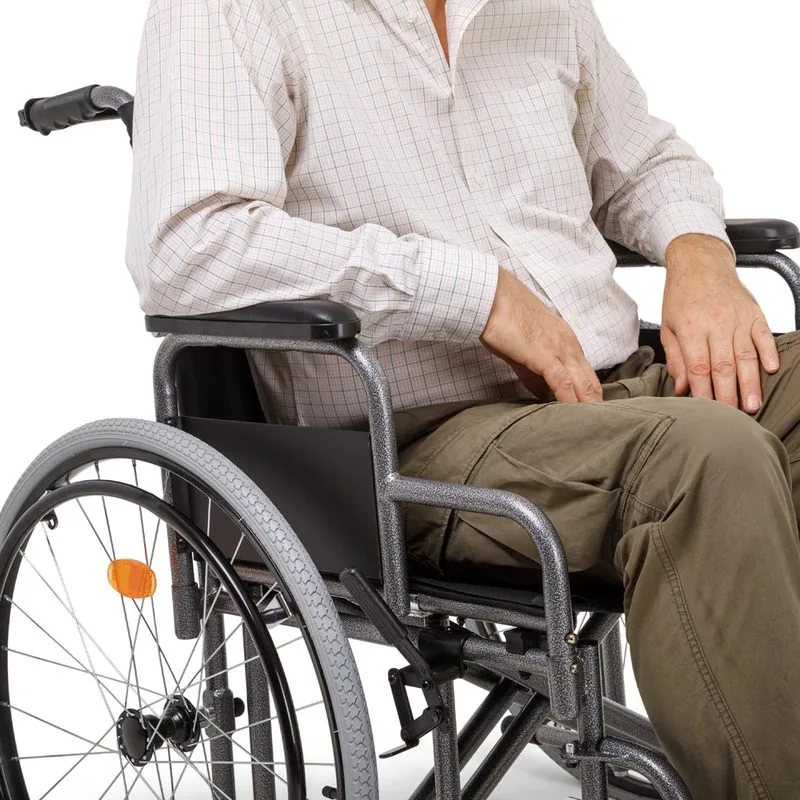
<p><strong style="color: rgb(15, 23, 42);">We have a family member with a disability. Would a trip to Hurghada—including excursions such as boat tours and trips to Cairo and Luxor—be suitable for him?</strong></p>

Visiting Hurghada, Cairo, and Luxor with a family member who has a disability or limited mobility is entirely possible and can be a lot of fun, although it requires careful planning that takes into account the specific characteristics of each of these cities.


Hurghada is well-suited for guests with limited mobility. The vast majority of modern beach resorts and coastal hotels are equipped with ramps, paved walkways, and level, step-free access to pools and beaches. As for boat trips, standard public vessels are generally not equipped with special ramps for wheelchairs; however, local crews are well-trained in how to safely assist guests in boarding. For maximum comfort, we strongly recommend choosing private yachts or specialized speedboat tours.


Cairo is a vast and historic city, which means that the old streets and traditional markets may have uneven sidewalks. However, Egypt’s leading cultural attractions have undergone significant modernization. World-class attractions, such as the Grand Egyptian Museum (GEM) and the National Museum of Egyptian Civilization (NMEC), are fully wheelchair-accessible, equipped with modern elevators, smooth ramps, and dedicated pathways. Even on the Giza Pyramid Plateau, new paved paths have been laid, which has made getting around much easier and allowed visitors to explore the monuments in comfort.


Luxor is an open-air historical city with ancient structures, where the ground can sometimes be sandy or uneven. Fortunately, the massive temples on the East Bank—Karnak and Luxor—have large, level, paved open areas where wheelchairs can move without difficulty. On the West Bank, in the Valley of the Kings, excellent accessibility improvements have been implemented, including smooth, paved access roads and electric golfto transport guests from the main gates directly to the tomb entrances. (Note: Entering the burial chambers themselves usually requires navigating steps.)


Beyond the infrastructure, the greatest asset for any traveler with a disability in Egypt is the character of its people.

Deeply rooted in local culture, social values, and religious beliefs, the tradition of assisting people with disabilities is viewed as a sacred, noble, and deeply respected duty. In Egypt, people do not consider helping a guest an inconvenience; on the contrary, it is a welcome act of hospitality. Whether you’re getting into a car, entering a historic site, or navigating an obstacle, hotel staff, drivers, site security guards, and ordinary citizens will readily come to your aid with sincere warmth, respect, and a smile.


Although the hospitality of the locals and improved facilities make the trip more comfortable, managing the day-to-day physical aspects can still be a heavy burden on family members. To ensure a completely relaxing and hassle-free vacation for your entire group, we are proud to introduce our new service: FREEDOM TOUR COMPANION.

With this specialized service, you can secure a dedicated, trained professional companion who will accompany your family member throughout the entire trip—whether it’s a cruise on the Red Sea, a sightseeing tour of Cairo, or an exploration of the ancient monuments of Luxor.

What Freedom Tour Companion offers:

  • Provides all necessary physical assistance, lifting and carefully guiding your family member across varied terrain and archaeological sites.
  • Seamlessly coordinates with transportation drivers and boat crews to ensure smooth and dignified boarding and accommodation.
  • Completely relieves the other family members of any physical or logistical burdens, ensuring that each of them can fully relax, focus on the sights, and enjoy their vacation together.

You can easily book and add the Freedom Tour Companion service to any of your planned tours or custom itineraries directly through our platform.

0
<p><strong>What is the difference between the Valley of the Kings and the Valley of the Queens in Luxor, and which one is better to visit?</strong></p><p><br></p><p><br></p>

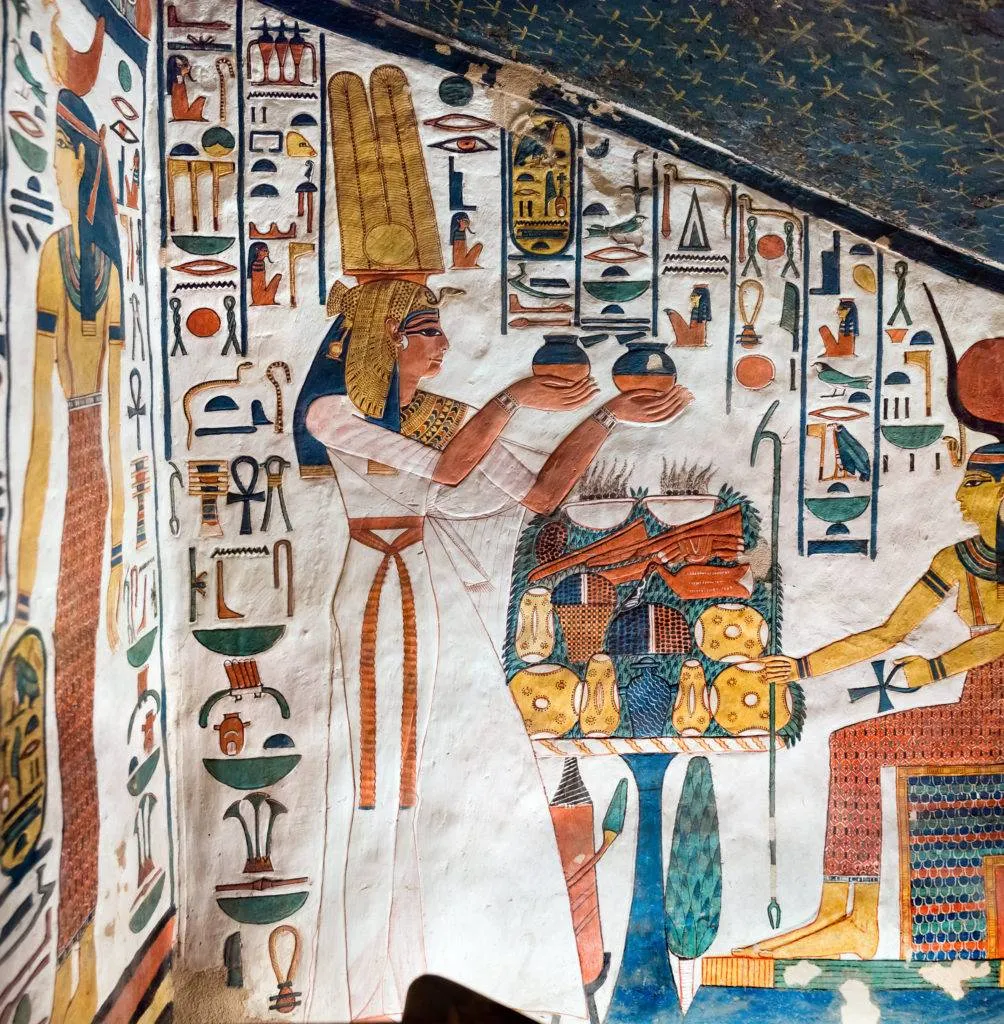
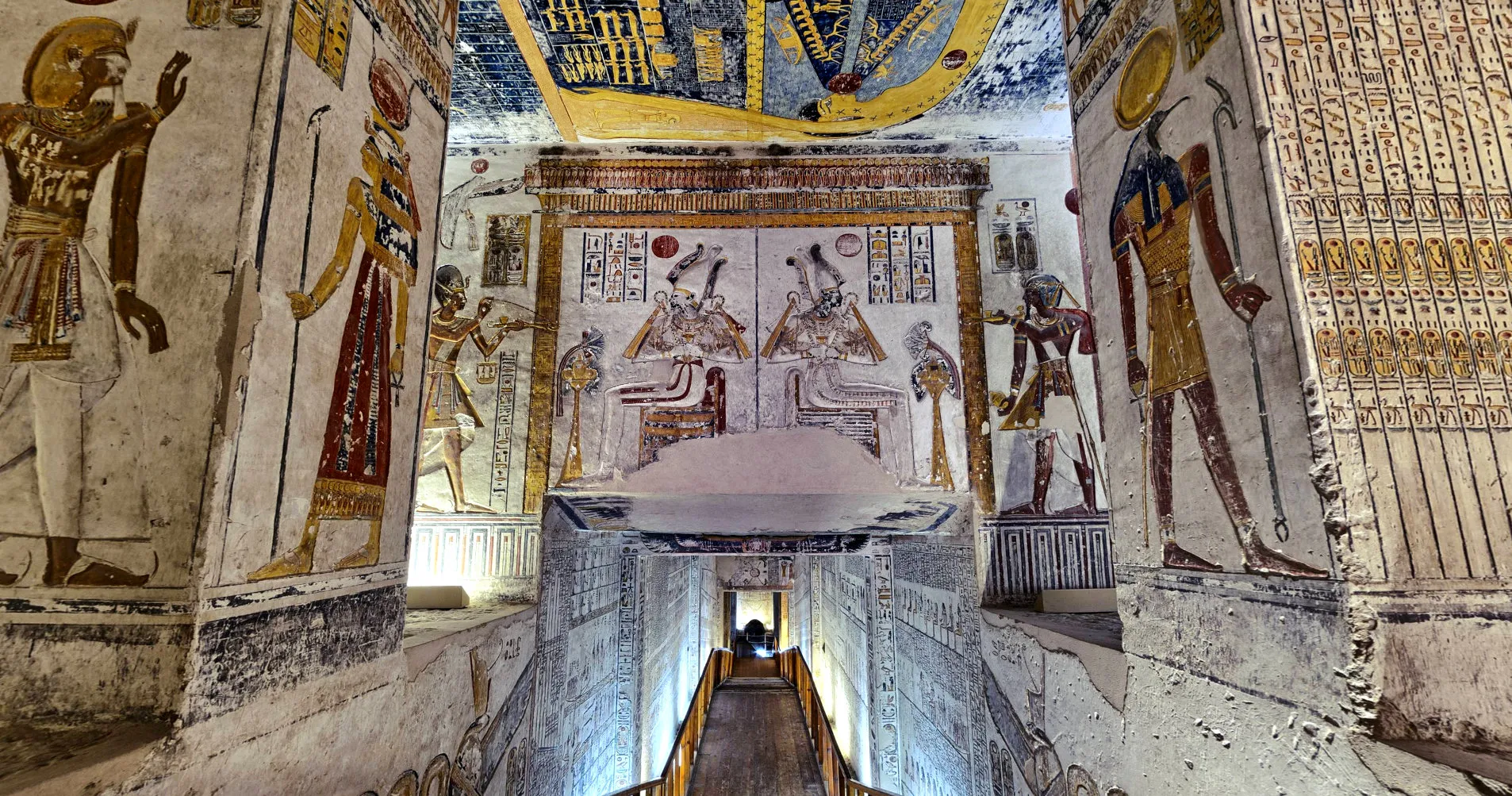
The Valley of the Kings and the Valley of the Queens are two unique sites in Luxor, each with its own special charm. The Valley of the Kings is the final resting place of the Egyptian pharaohs, including the famous tomb of Tutankhamun. Visitors are amazed by the scale of the tombs, the colorful hieroglyphs, and the rich history of the New Kingdom. The Valley of the Queens, smaller in size but no less fascinating, is where the pharaohs’ wives and children were buried. Its main attraction is the tomb of Queen Nefertari, often called one of the most beautiful in Egypt, with vibrant murals preserved in stunning condition. Which one to visit depends on your interests: The Valley of the Kings offers grandeur and diversity, while the Valley of the Queens offers intimacy and artistic mastery. Many travelers choose to visit both, as together they reveal the full story of the Egyptian royal families and their enduring legacy.

0
<p><strong>Is it permitted to take photos inside the pharaohs&#x27; tombs and the pyramids using cell phones or professional cameras?</strong></p><p><br></p><p><br></p>

Taking photos is one of the most exciting parts of visiting Egypt’s ancient monuments, but the rules vary depending on the specific site. In most tombs and pyramids, taking photos with cell phones is permitted, giving visitors the opportunity to capture memories of their trip. However, using professional cameras with tripods or flashes often requires special permission, as authorities strive to protect fragile wall paintings and artifacts from damage. Photography with a flash is generally prohibited, as it can damage the colors of ancient hieroglyphs. Tourists are encouraged to enjoy this experience with respect, focusing on the beauty of the monuments rather than just taking pictures. Many sites also offer official photo passes that allow visitors to use cameras inside selected tombs. This system ensures the preservation of the monuments while giving travelers the opportunity to capture their adventure. The result is a balanced experience: unforgettable photos combined with the joy of discovering Egypt’s timeless treasures.

0
<p><strong>Will a one-day trip from Cairo to Luxor be tiring for the kids?</strong></p><p><br></p><p><br></p>

A day trip from Cairo to Luxor is possible, but it can be quite tiring, especially for families with children. The trip involves an early departure, a long drive, and a packed schedule of sightseeing. Luxor’s attractions—the Valley of the Kings, Karnak Temple, and the Nile—are breathtaking, but seeing them all in a single day requires energy and focus. Adults can handle this just fine, but it can be exhausting for children due to the heat, long distances, and limited time for rest. Many families prefer private tours, which offer flexibility, reduce waiting times, and allow you to adjust the pace to suit the children’s needs. Another option is to stay overnight in Luxor, which allows you to explore the sights at a more leisurely pace and gives you time to enjoy the city’s atmosphere. With careful planning, families can still enjoy the wonders of Luxor, but private or extended tours are often the best choice for comfort and creating unforgettable memories.

0
<p><strong>Do you recommend private tours or group tours?</strong></p><p><br></p><p><br></p>

Both private and group tours in Egypt have their own advantages, and the choice depends on your travel style. Private tours offer maximum comfort and flexibility. You can set your own pace, visit the sights that interest you most, and enjoy the guide’s undivided attention. Families with children or travelers who value privacy often prefer this option. Group tours, on the other hand, are more social and budget-friendly. They allow you to meet other travelers, share experiences, and enjoy the lively atmosphere of traveling together. Group tours also follow a fixed itinerary, which can be convenient for those who prefer organized schedules. Many visitors choose private tours for cultural destinations such as Luxor or Cairo, while group tours are popular for Red Sea excursions and island cruises. Whatever you choose, Egypt’s beauty and hospitality will make your trip unforgettable, giving you memories that will last a lifetime.

0
<p><strong>How long does the bus ride from Hurghada to Luxor and Cairo take?</strong></p><p><br></p><p><br></p>

The bus ride from Hurghada to Luxor takes about 4–5 hours, depending on traffic conditions and stops along the way. The route passes through desert landscapes and small towns, offering a glimpse into everyday life in Egypt. The trip from Hurghada to Cairo takes longer, usually 6–7 hours, as the route passes through the Eastern Desert before reaching the capital. Modern tourist buses are air-conditioned and comfortable, with stops along the way for snacks. Many travelers enjoy the ride as part of the adventure, while others prefer a private transfer for greater flexibility. For families or those who value convenience, private cars can shorten travel time and allow for stops as desired. Whether you choose a bus or private transportation, both routes are safe and scenic, connecting the beaches of the Red Sea with Egypt’s cultural treasures. It’s an unforgettable experience that combines relaxation with the joy of discovery.

0
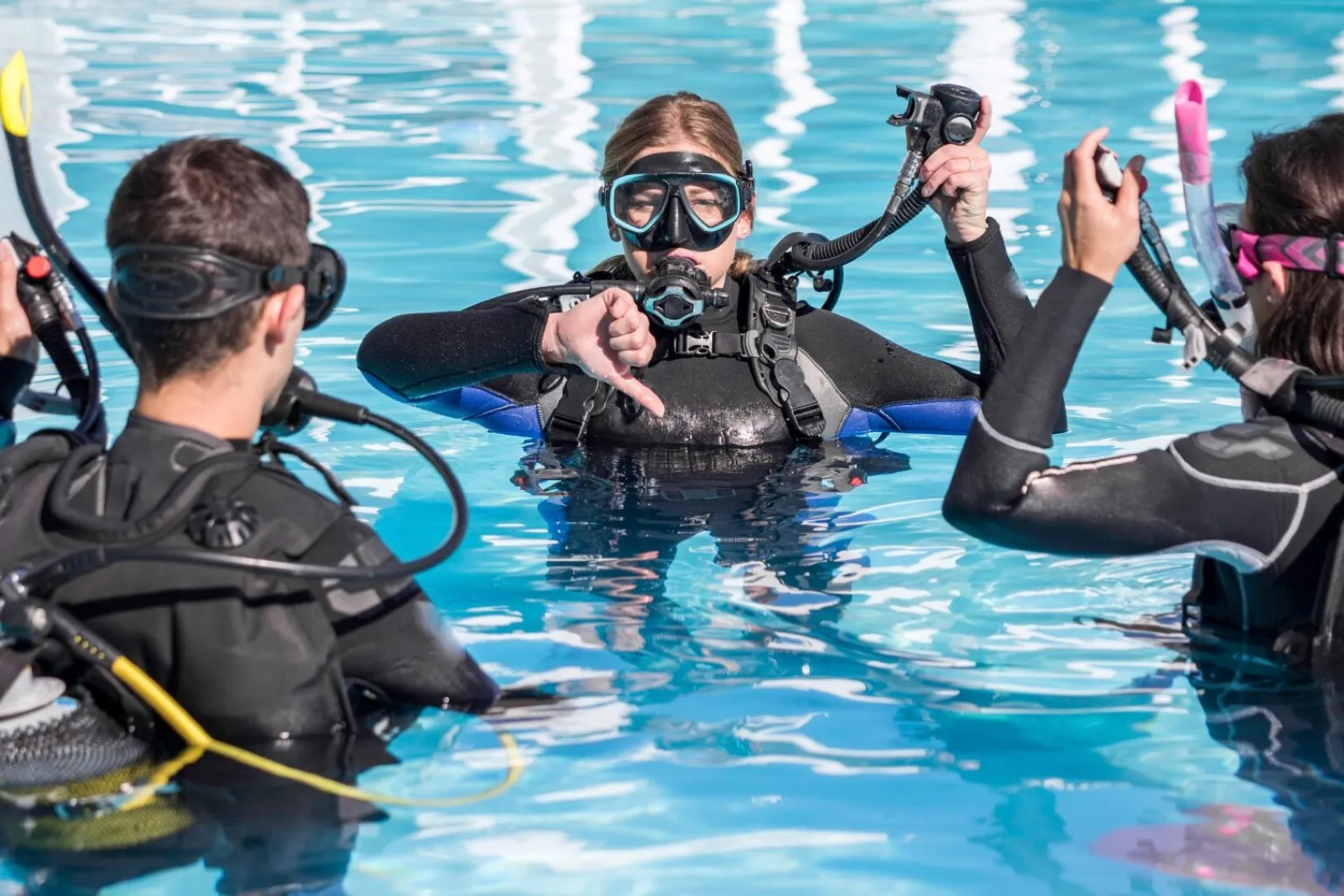
<p><strong>Do I need a valid diver&#x27;s certificate to take the &quot;Intro Dive&quot; course in Hurghada?</strong></p><p><br></p><p><br></p>

No, you do not need a diving certification to participate in the “Intro Dive” program in Hurghada.

The Intro Dive course is designed specifically for beginners who want to safely and easily explore the underwater world. Professional instructors will guide you step by step, starting with a brief overview of the equipment and breathing techniques. You’ll then practice in shallow water before heading out to the reef, always under close supervision. The Red Sea is known for its calm conditions, excellent visibility, and diverse marine life, making it one of the best places in the world for beginner divers. Even if you’ve never tried diving before, you’ll still be able to enjoy the thrill of swimming among corals and tropical fish. It’s a safe and unforgettable adventure that requires no experience—just curiosity and enthusiasm. Many guests say that the Intro Dive is the highlight of their trip to Hurghada.

Now you can find amazing diving deals on our platform and have an unforgettable experience like never before!

0
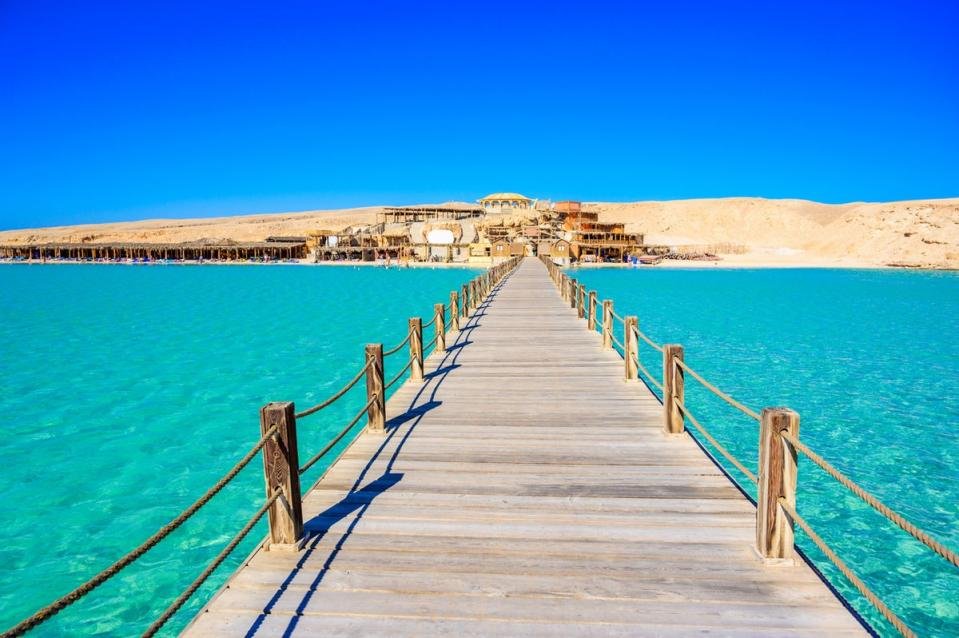
<p><strong>I can&#x27;t swim—will I still be able to enjoy trips to the islands (such as &quot;Paradise&quot; or &quot;Orange&quot;) or snorkeling?</strong></p><p><br></p><p><br></p>

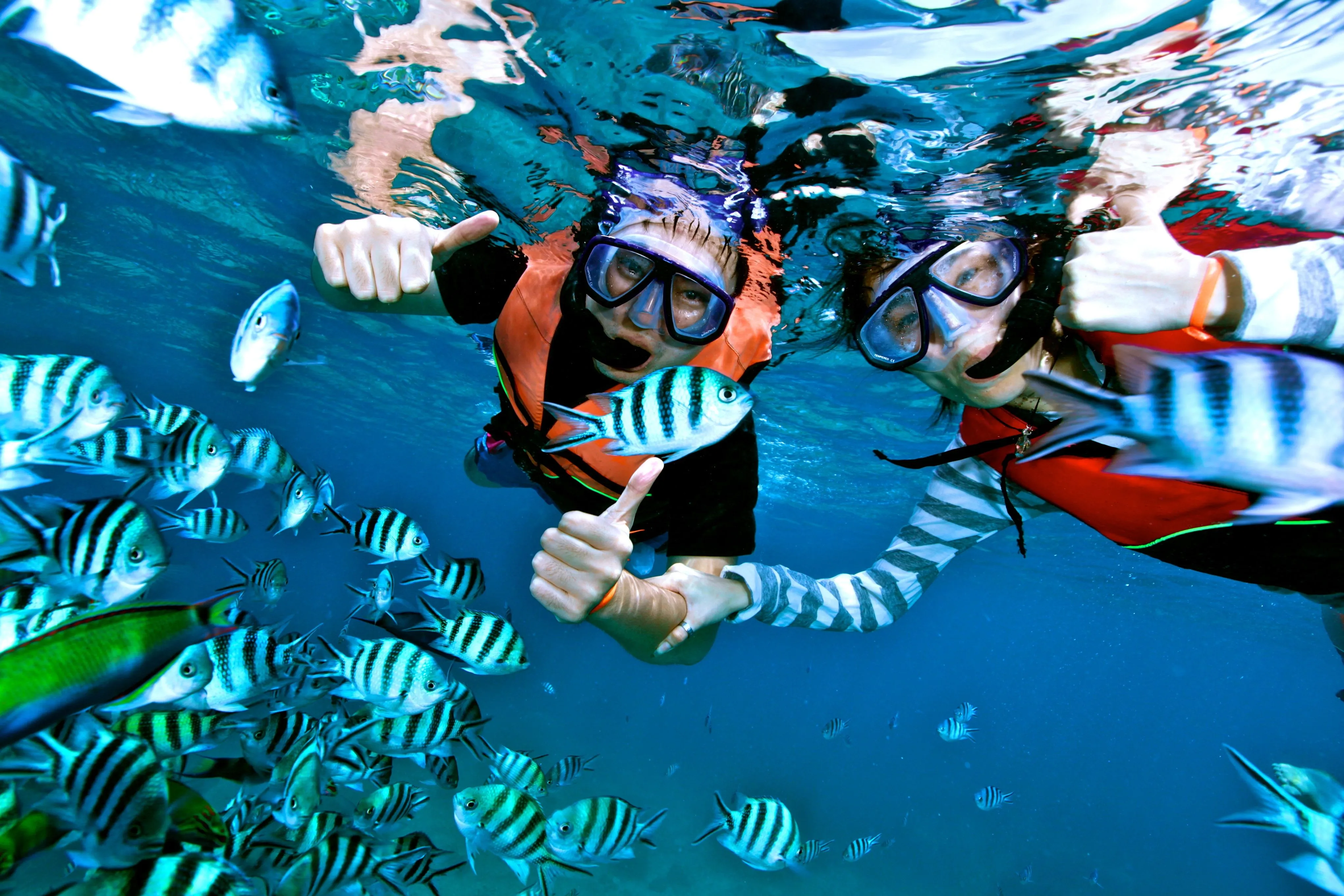
Yes, even if you can't swim, you can still enjoy trips to the islands and snorkeling in Hurghada. Life jackets are provided to all guests on the boats, ensuring safety and comfort in the water. The guides have been specially trained to assist non-swimmers, helping them stay afloat and enjoy the sea without any worries. Many islands, such as Paradise Island and Orange Bay, feature shallow lagoons with sandy beaches where you can relax, float on inflatable mats, or simply enjoy the scenery. Snorkeling can also be done safely while wearing a life jacket, allowing you to observe colorful fish and coral from the water’s surface. For those who prefer to stay dry, island trips offer plenty of fun on land—sunbathing, beach games, and delicious meals. These excursions are designed for everyone, regardless of swimming ability, so you won’t miss out on the beauty of the Red Sea. It’s an exciting adventure that combines relaxation, adventure, and safety.

0
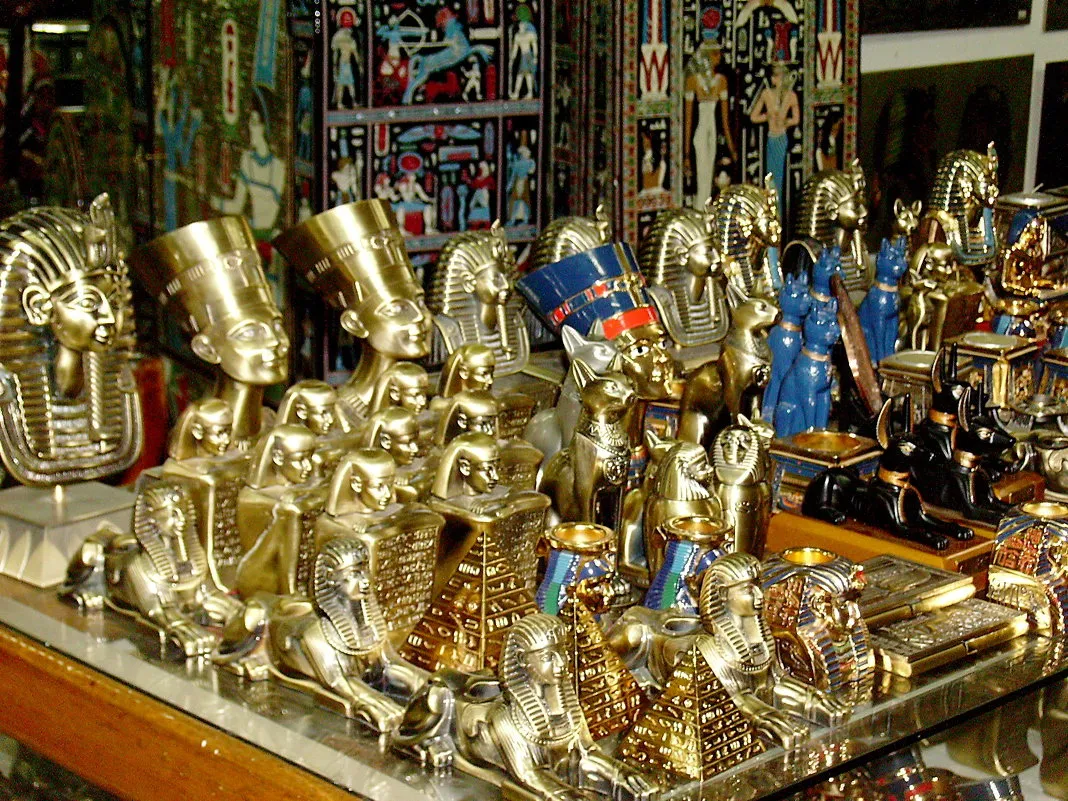
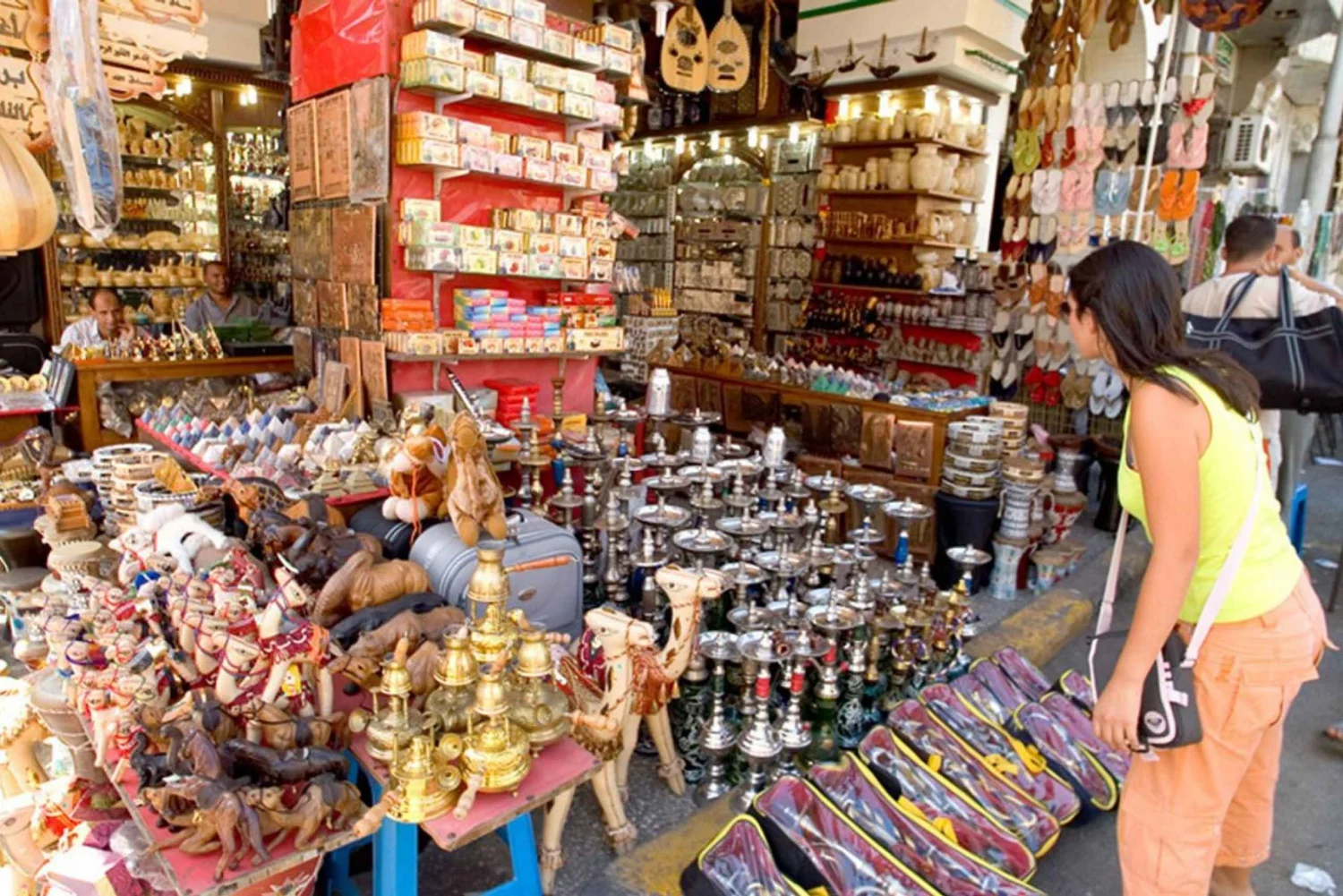
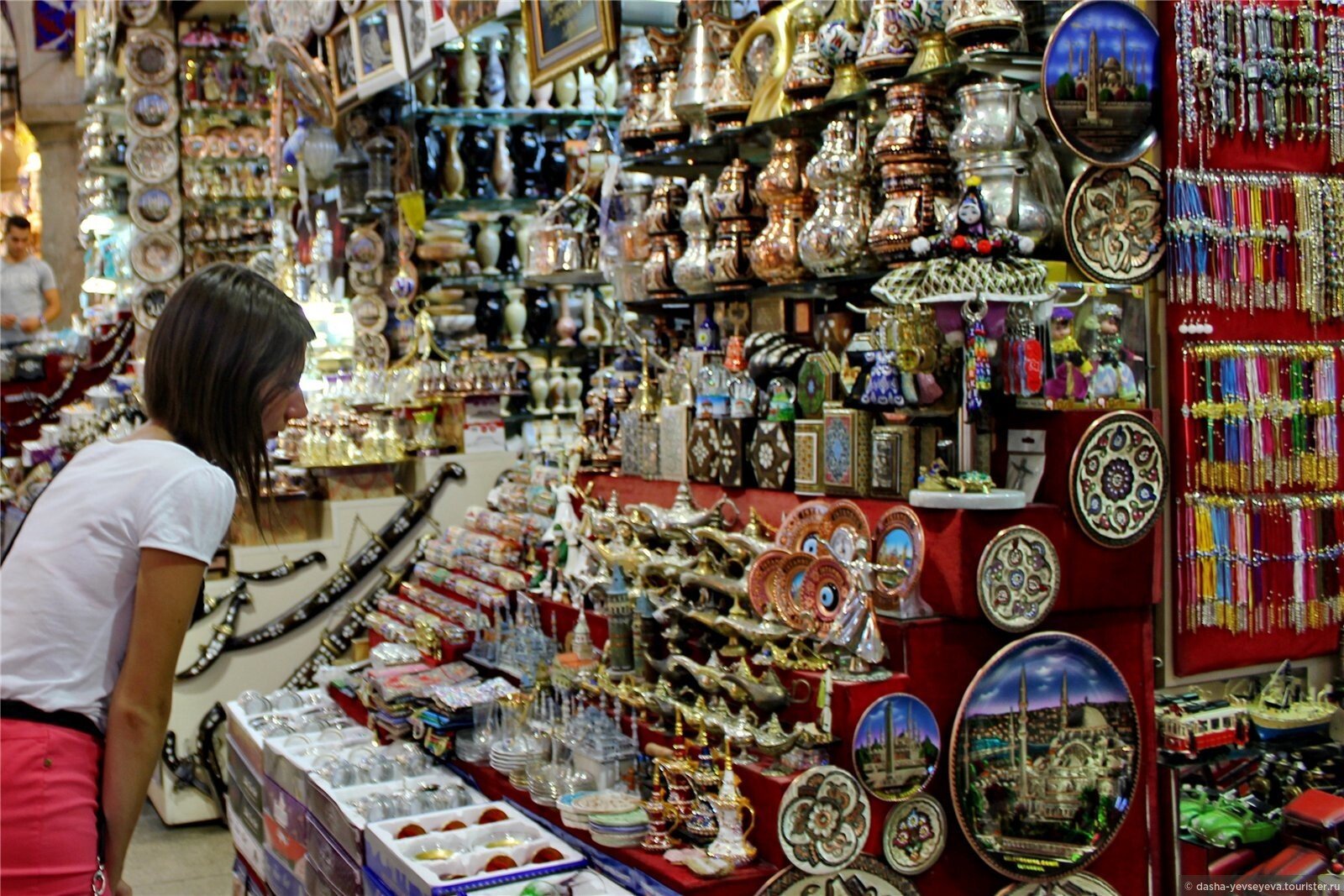
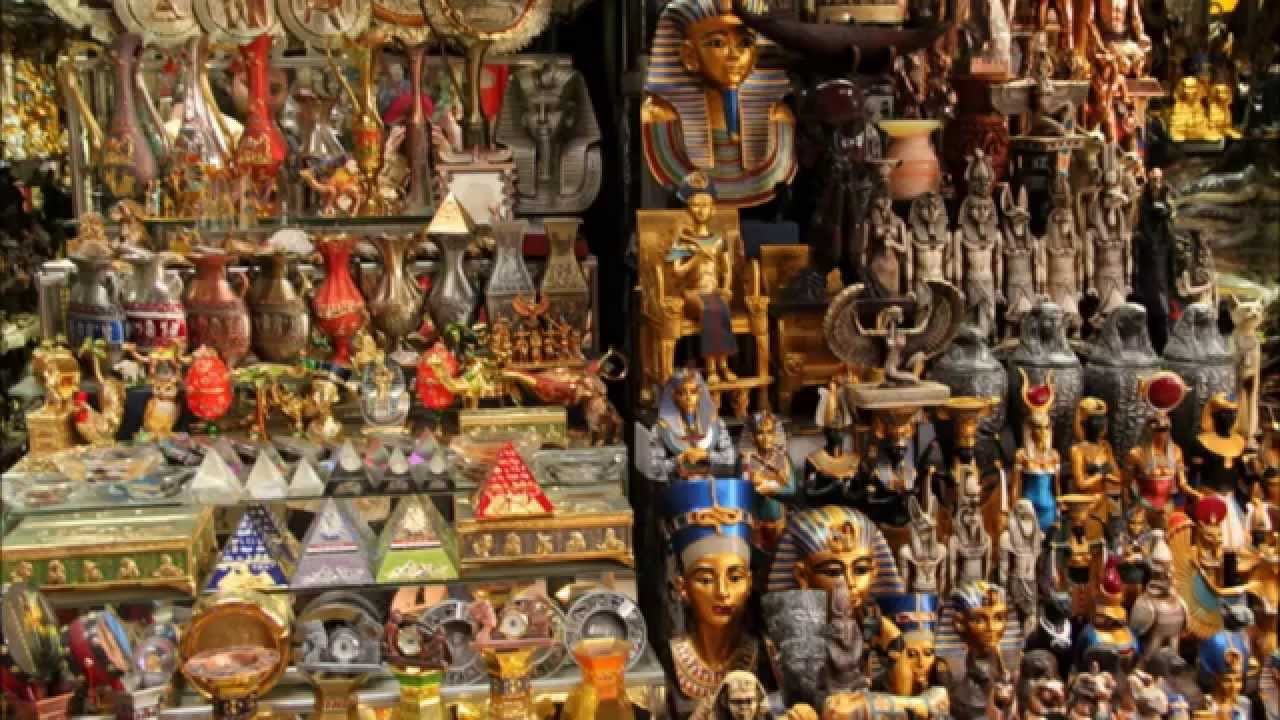
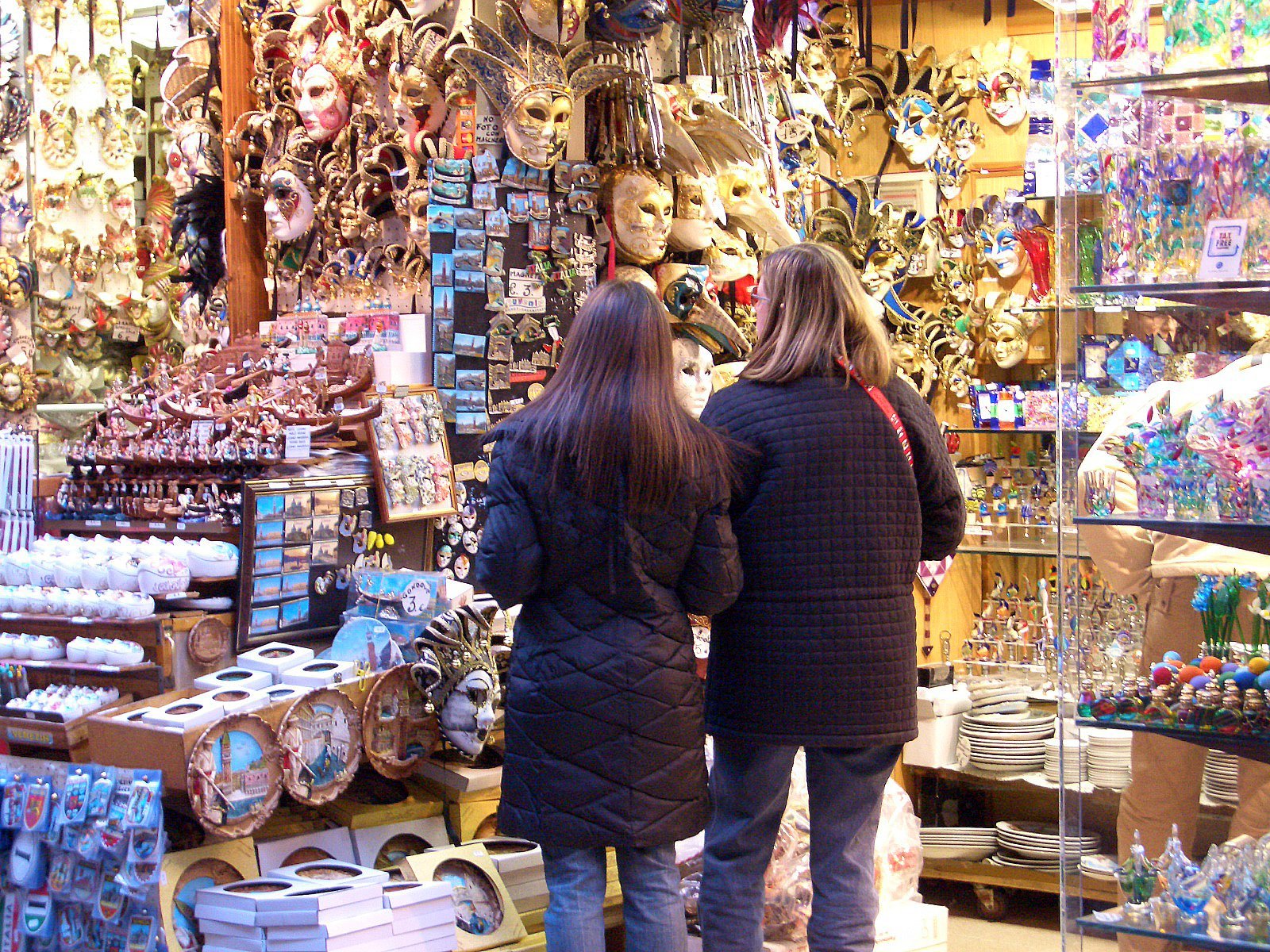
<p><strong>What tips can help you avoid being scammed when buying souvenirs in Egypt?</strong></p><p><br></p><p><br></p>

Here are the most helpful tips:

  • Compare prices: don’t buy from the first store you see—prices vary widely.
  • Check for authenticity: be wary of labels like “antique” or “handmade”; ask to see certificates for jewelry or papyri.
  • Don’t give in to pressure from sellers: some shop owners use aggressive tactics; stay polite but firm.
  • Negotiate fairly: bargaining is part of the culture—start at half the asking price.
  • Use small bills: paying the exact amount helps avoid disputes.
  • Check the quality: carefully inspect textiles, leather, and perfumes.
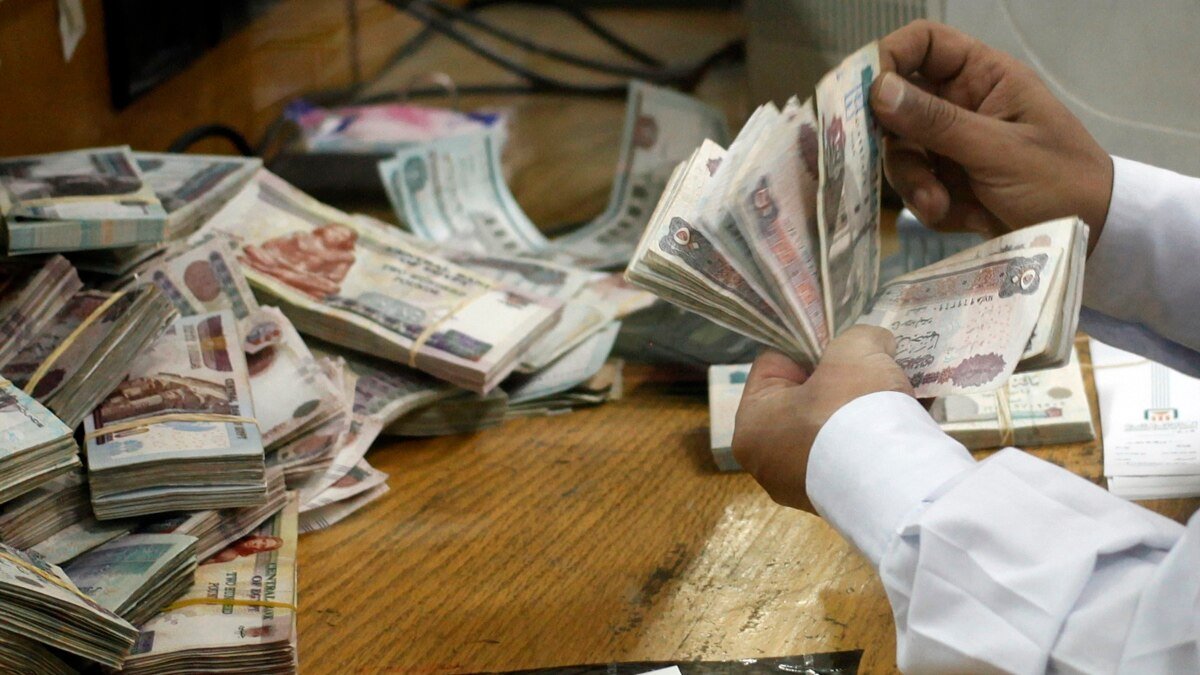
  • Avoid exchanging currency on the street: pay in Egyptian pounds or use cards at reputable stores.

A Friendly Tip

Buying souvenirs should be a pleasant experience, not a stressful one. By following these tips, you can enjoy authentic shopping and avoid scams.

And to make things even easier, use our souvenir delivery service—your gifts will be delivered right to your hotel. This will save you the hassle of searching for items, haggling, and carrying your purchases, while also providing comfort and peace of mind. It’s convenient, safe, and cost-effective.

2
<blockquote><strong>Is there a free shuttle service to pharmacies in Hurghada?</strong></blockquote><p><br></p>

In Hurghada, you can easily access world-class pharmaceutical and wellness services. The city is home to the largest and most reputable pharmacy chains, which are fully stocked with everything a tourist might need—from basic medications and vitamins to international cosmetics, sunscreen, and skincare products. To ensure your complete comfort and peace of mind, these pharmacies are staffed by professional pharmacists who speak English, Russian, German, and French. You’ll be able to easily explain your needs and understand prescriptions without any language barrier, all while enjoying guaranteed fixed official prices that protect you from astronomical markups at hotel shops.

Since visiting a pharmacy has become an integral part of any vacation, you no longer need to waste time and money searching all over the city for a reliable place.

Our exclusive partnership: a free round-trip shuttle just for you!

To make your vacation carefree and cost-effective, our platform is proud to partner with these leading pharmacies, offering you a 100% FREE round-trip shuttle directly from your hotel’s front desk to the pharmacy and back.
How does it work? It’s a win-win strategy! Instead of spending huge budgets on traditional advertising, these pharmacies redirect their marketing resources toward organizing comfortable, free shuttle service for our guests. This provides them with indirect promotion, while you enjoy absolute comfort, safety, and huge savings. The entire trip takes less than an hour, ensuring you don’t waste any precious vacation time.

Book your free ride right now! This exclusive service was created just for you. Simply send us a message via any communication channel convenient for you that’s available on our platform (WhatsApp, Viber, Telegram, email, or a direct call), and we’ll instantly find the perfect transfer time for you.

1
<p>What are your operating hours for hotel delivery services?</p>

Our standard delivery hours are from 9:00 AM to 10:00 PM. However, we can arrange deliveries outside of these hours for an additional fee. The extra charge is determined upon agreement, depending on your hotel's location and distance from Hurghada.

2
<p><strong>How can I pay for your services?</strong></p>

Currently, we accept cash payments as we finalize the integration of our secure online payment system. Please note our payment terms for different services:

  • Tours & General Services: Payment is collected at the start of the trip upon hotel pickup.
  • Private Tours: A deposit of at least 50% must be paid no later than one day before the tour date.
  • Car Rentals: Payment is made at our office upon receiving the vehicle.
  • Hotel Delivery Service: Payment is due upon receiving your order at the hotel.

Accepted Currencies: We accept cash in USD, EUR, GBP, and EGP. For Russian Rubles, payments are accepted only via bank card transfer using a phone number.

1
<p><strong>Why do you require my personal information when booking?</strong></p>

We do not collect or store unnecessary personal data. We only request essential information to ensure a seamless service, such as your phone number and email for communication, and your hotel name and room number. This information is strictly used to identify the correct guest for tour pickups and to ensure our delivery orders reach the right person at the hotel.

1
<p><strong>If I order multiple items from the Store section, will I be charged a delivery fee for each item separately?</strong></p>

No, regardless of the number of items you order from our store, they will all be processed as a single order. You will only be charged one delivery fee for the entire shipment.

1
<p><strong>If I left a personal item on the bus or on the yacht, how can I get it back?</strong></p><p><br></p>

We always strive to make your vacation complete and carefree. Our commitment to you doesn’t end before or during your trip—we continue to assist you afterward to ensure you have an unforgettable experience without any unnecessary worries.

If you realize you’ve left a personal item on the bus or yacht, just let us know right away. We’ll immediately contact the relevant staff, and as soon as the item is found, we’ll arrange a time and method to return it directly to your hotel.

To minimize the likelihood of such situations, please double-check your personal belongings before leaving the bus or boat.

0
<p><strong>How can I contact you in case of an emergency during my trip to Egypt? Do you offer 24/7 support on WhatsApp?</strong></p><p><br></p>

Answer: Yes, we’re always here for you. If an emergency arises during your tour or while using our service, you can contact us immediately through all major communication channels: WhatsApp, Viber, Telegram, Messenger, direct phone call, or email. Our support team is available 24 hours a day, 7 days a week, ready to assist you at any stage of your trip.

We believe that true care means being there for you before, during, and after your trip. If an unexpected situation arises on the bus, on the yacht, or at the service location, simply send us a message, call us, or email us. We’ll respond immediately, contact hotels or local partners as needed, and stay with you until the issue is fully resolved.

This way, you can enjoy a fulfilling and stress-free vacation, knowing that help is always just a message, a call, or an email away.

1
<p><strong>Why are the prices for tours on your platform much cheaper than the prices offered by the tour operator&#x27;s representative at the hotel?</strong></p><p><br></p>

The difference isn’t due to quality or safety, but rather to sales channels and commissions. Tour operator representatives at hotels are required to sell tours at higher prices because those prices include commissions that are distributed among all tour operator staff. This can amount to 25–40% of the trip’s cost, which significantly inflates the final price compared to the actual cost of the service.

On our platform, we operate as a locally licensed company without these additional layers of commissions. This means:

  • You pay the organizer directly, rather than through the tour operator’s staff.
  • There are no hidden fees or markups.
  • The same licensed buses, guides, and insurance as those used by the tour operator.
  • More flexibility and personalized service.

Thus, the tour operator’s representative at the hotel tries to monopolize excursions by convincing guests that booking outside the hotel is unsafe. In reality, the true guarantee is a license from the Ministry of Tourism and oversight by the tourism police. Booking through our platform provides the same legal security, but at a fairer price, since you avoid the tour operator’s staff commissions.

That’s exactly why our tours are cheaper: you get the same licensed service, but without the monopoly and extra fees.

1
<p><strong><em>Do I receive a receipt when I book trips and services through your company?</em></strong></p><p><br></p><p><br></p>

Yes. Our booking system automatically sends the customer a booking confirmation once the booking process is successfully completed. This confirmation includes all the necessary information:

  • Dates of service or travel
  • Amounts paid
  • Booking terms and conditions

You can save the receipt on your phone or print it out for your convenience. This ensures that you always have a clear record of your booking.

We place special emphasis on this step as part of our commitment to protecting your rights as a customer and helping you fully understand the details of the service you’re booking. Keeping the receipt also makes it easier to resolve any questions or clarifications in the future.

Having your receipt on hand gives you the confidence that your booking is securely protected and all details are documented—so you can simply relax and look forward to your trip.

0
<p><strong>Can I change the date of my trip or cancel it if I suddenly get sick? And what is the refund policy?</strong></p>

If you suddenly feel unwell and need to cancel or change your trip, please don’t worry—your health and comfort are always our top priority! We fully understand the situation and sincerely want to support you.


To ensure our trips remain flawlessly organized and our terms are fair for every guest, we have simple and transparent booking policies.

Here’s how they work depending on the type of trip:

Group Tours If you’re unable to travel, we’ll gladly reschedule your booking to any other convenient date at absolutely no cost—so you definitely won’t miss out on your adventure! If you decide to cancel your trip entirely, we’ll refund 100% of the cost if you notify us more than 24 hours in advance. For cancellations made less than 24 hours in advance, 50% of the tour cost will be retained.

Custom Tours Every detail of this tour is tailored exclusively for you. If you’d like to change the date, we’ll gladly reschedule your trip at no charge—just let us know at least 24 hours before the start. If you cancel or reschedule with less than 24 hours’ notice, 50% of the cost will be charged, as this amount covers the cost of booking the yacht and car, as well as the services of your personal guide and crew.

Tours with Flights Airline tickets are purchased immediately upon confirmation and, unfortunately, are non-refundable by the airlines. Therefore, if you cancel the tour more than 24 hours in advance, we can only refund 25% of the total cost. If there are less than 24 hours remaining before the trip, the amount, unfortunately, is non-refundable.


We sincerely hope for your understanding and believe that these rules help us maintain the perfect balance between taking care of you and ensuring the quality of our work.

Get well soon! We look forward to seeing you when you’re back to full strength and ready for new, exciting experiences.

0
<p><strong>What are the areas in Hurghada that foreigners prefer to live in, and why?</strong></p>

Hurghada, one of Egypt’s most famous Red Sea resorts, has become a popular destination not only for tourists but also for long‑term foreign residents. Many foreigners choose to settle in specific neighborhoods that combine proximity to the city center, access to the sea, and availability of modern services. These areas are relatively new, well‑planned, and provide a lifestyle that meets international expectations.


One of the most notable districts is El Kawthar. This area is considered a modern hub, with newly built apartments, wide streets, and a large community of foreign residents. In fact, many describe it as a “colony” for expatriates because the majority of its inhabitants are foreigners. El Kawthar offers supermarkets, restaurants, banks, and schools, all within walking distance, making daily life convenient and comfortable.


Another attractive neighborhood is Mubarak 2, which is known for its organized residential compounds. It provides affordable housing options while still being close to the beach and city services. Many foreigners appreciate the balance between cost and quality of life in this area.


Arabia district is also popular, especially among those who want to live near the sea. Apartments here often have direct sea views, and the area is lively with shops, cafes, and easy access to transportation. It is a good choice for foreigners who enjoy an active lifestyle.


For retirees and older residents, the Sheraton area is particularly suitable. Located in the very heart of Hurghada, it offers immediate access to all city services without the need for transportation. Hospitals, markets, and entertainment venues are all nearby, which makes life easier for senior residents.


Finally, the El Ahyaa district is developing rapidly and attracts foreigners looking for modern housing in a growing community. It combines new construction with proximity to the beach, making it a promising area for future investment.


0
<p>How Can Foreigners in Egypt Obtain a Work Visa?</p>

Foreign nationals who wish to work in Egypt must obtain a work permit through the Ministry of Manpower. The process is designed to balance foreign expertise with the protection of local employment opportunities.  


Application Steps

- Submit a paper request: Employers and applicants must file an official application with all required documents.  

- Response time: The Ministry of Manpower usually replies within two working days.  

- Initial fee: A fee of 1,000 EGP applies, though exemptions exist for certain nationalities (Greek, Palestinian, Sudanese in the private sector) and those covered by international agreements.  


Conditions for Approval

- Experience: Applicants must have at least three years of relevant professional experience.  

- Economic need: Foreign workers should not compete with Egyptian labor and must provide skills essential to the economy.  

- Legal compliance: Valid entry and residence permits are required.  

- Security: Permits can be revoked if the worker is convicted of crimes involving dishonesty or if national security is affected.  


Duration and Renewal

- Validity: Work permits are usually valid for one year or less.

- First year: 5,000 EGP, increasing by 1,000 EGP each year until the third year.  

- Fourth to sixth year: 10,000 EGP, with an annual increase of 1,000 EGP.  

- Seventh to tenth year: 15,000 EGP, with an annual increase of 1,000 EGP.  

- Eleventh year onward: 20,000 EGP, rising by 2,000 EGP annually, capped at 50,000 EGP.  

- Special case: If a company exceeds the 10% quota for foreign workers, the fee is 8,000 EGP for the first year, increasing by 2,000 EGP annually, also capped at 50,000 EGP.  


Exemptions

Certain groups are exempt from standard requirements, including:  

- Religious workers serving without pay.  

- Foreign crew on Egyptian ships operating beyond territorial waters.  

- International experts in archaeology and architectural research.  

0
<p><strong>What Job Opportunities Are Available for Foreigners Living in the Red Sea?</strong></p><p><br></p>


Foreigners residing in Egypt’s Red Sea region often wonder what career paths are open to them. The answer lies mainly in the tourism and service industries, where language skills and prior experience are highly valued.  


Tourism and Hospitality

- Diving centers & aqua sports: Roles as instructors, guides, or support staff in diving schools and aqua centers.  

- Tour companies: Positions as hotel guides, transfer guides, marketing specialists, quality control officers, or call center agents.  

- Hotels & resorts: Opportunities as receptionists, guest relations officers, or animation team members.  


Retail and Services

- Tourist shops & pharmacies: Sales and marketing jobs for foreigners with strong communication skills.  

- Private businesses: Many expatriates open cafés, beauty salons, or restaurants offering cuisine from their home countries. Nurseries for expatriate families are also in demand.  


Real Estate

- Property sales & marketing: The Red Sea region has a growing real estate market targeting foreign buyers. Foreign residents often find opportunities in real estate agencies, working in sales, marketing, or client relations to help other expatriates purchase or rent property.  


Key Requirement: Work Visa

Before pursuing any of these opportunities, foreigners must obtain a valid Egyptian work visa. This permit allows them to work legally without facing issues from the tourism police and ensures that employment is recognized by the authorities.  

0
<p><strong>How much do government services cost in Egypt?</strong></p>

When people consider moving to Egypt or spending an extended period in one of its coastal cities, one of the first questions that comes to mind is the cost of daily living. In addition to food and leisure, utilities such as electricity, water, gas, and internet are extremely important for any household. Understanding these costs helps families and retirees assess whether Egypt offers not only cultural richness and a pleasant climate, but also affordable living conditions. Compared to many European countries, the cost of utilities in Egypt is surprisingly low, making it an attractive destination for those seeking comfort and savings.


Electricity

Electricity is one of the most significant monthly expenses. Bills depend on consumption, and for a household with standard appliances, the average cost is $10–15 per month. If you use one or two air conditioners, especially during the hot summer months from June through October, the bill can rise to $25–30. Air conditioning is practically indispensable in the summer, while in the winter, the mild climate makes heating unnecessary, which significantly reduces expenses.

Cleaning Fees

Municipal sanitation fees are added to the electricity bill or to the prepaid meter. They are small, usually amounting to 1–2 U.S. dollars per unit per month, and may vary slightly depending on the neighborhood. This system ensures the continuous provision of public services such as street cleaning.

Water

Water costs are relatively low, averaging $5–10 per month. In many buildings, a single shared meter divides total consumption among residents, although individual meters can be installed for more accurate billing. This flexibility allows households to manage their expenses more effectively.

Natural Gas

Gas is mainly used for cooking and heating water. Monthly costs range from $3 to $5 if only a stove is used, and can reach $10 if gas heaters are installed in the bathrooms. Even at its most expensive, gas remains affordable compared to many countries.

Landline

Although cell phones dominate the communications sector, a landline is still required for home internet. The bill is minimal—about $4 every three months—making it a small but necessary expense.

Internet

Internet plans are varied and affordable. Options include $5 for 150 GB, $8 for 250 GB, and $12 for 400 GB per month. This allows households to choose plans that suit their needs, whether it’s simple web browsing or heavy video streaming.

Property Tax

Egyptian law exempts most households from property tax if the home is used exclusively for residential purposes, is not used for commercial purposes, and its value does not exceed five million pounds. This exemption reduces the financial burden on families and makes homeownership more affordable.

General Expenses

Overall, utility costs average about $50 per month. Compared to European countries, this is an extremely low figure. The affordable cost of living, combined with Egypt’s warm climate, cultural richness, and coastal lifestyle in cities such as Hurghada and Sharm el-Sheikh, attracts retirees and families seeking comfort, opportunities to save money and improve their quality of life.

0
<p>What is the average cost of food in Egypt?</p>

Getting to know life in Egypt isn’t just about its history, beaches, and warm climate—it’s also an opportunity to see just how affordable everyday life can be. One of the most appealing aspects for newcomers and retirees is the low cost of food compared to Europe. From fresh fruits and vegetables to meat, fish, and staple foods, prices remain affordable, allowing families to eat healthy meals without financial strain. Seasonal fluctuations and regional differences add to the richness of this experience, but overall, the affordability of prices makes Egypt a place where quality of life and savings go hand in hand.


Meat and Poultry

Beef and lamb typically cost $6–10 per kilogram, depending on quality and where they’re sold. Chicken and other poultry are more affordable—$3–5 per kilogram—though prices rise during Ramadan and in the summer months. Seasonal demand can drive up poultry prices by 15–20%.

Fish and Seafood

Coastal cities such as Hurghada and Alexandria offer fresh fish at competitive prices. Tilapia and local fish cost an average of 2–4 U.S. dollars per kilogram, while imported or premium fish, such as salmon and shrimp, cost between 8 and 12 U.S. dollars per kilogram. Prices in cities along the Red Sea are generally lower than in cities located further inland.

Vegetables

Fresh vegetables are widely available and inexpensive. Tomatoes, cucumbers, potatoes, and onions cost $0.50–$1.50 per kilogram. Prices rise slightly in the summer due to increased demand and transportation costs, peaking during Ramadan.

Fruits

Bananas, oranges, and apples cost $1–2.50 per kilogram, while mangoes, grapes, and strawberries range from $2 to $4 per kilogram, depending on the season. Winter fruits are cheaper, while summer fruits are more expensive.

Other Staple Foods

Bread and rice are heavily subsidized and cost $0.50–1.00 per kilogram. Milk and dairy products cost an average of $1–2.00 per liter, while cheese and yogurt are slightly more expensive. A carton of 30 eggs costs about $3, vegetable oil costs between $1 and $2 per liter, and pasta costs about $1 per kilogram.

Regional Differences

It is important to note that prices in coastal and tourist cities, such as Hurghada and Sharm el-Sheikh, may be slightly higher due to transportation costs, as most products are sourced from other regions.

Overall Comparison

The average cost of a monthly grocery basket for a small family in Egypt is about $120–150, which is significantly lower than the average in Europe. It is estimated that food in Egypt is 70–75% cheaper than in Europe or the United States. This affordability, combined with Egypt’s warm climate and coastal lifestyle, makes cities such as Hurghada and Sharm el-Sheikh attractive to retirees and expatriates seeking a lower cost of living and a comfortable lifestyle.

0
<p>What are the general etiquette rules for hotel guests?</p>

1. General etiquette rules:

  • Be respectful of other guests and staff
  • Follow the hotel's rules and regulations
  • Tip appropriately for services rendered
  • Be mindful of your surroundings

2. At Reception Desk:

  • Greet the staff politely upon entering
  • Wait patiently for your turn; do not interrupt
  • Thank the staff for their assistance
  • Avoid arguing or raising your voice

3. In the Lobby:

  • Keep noise levels down to maintain a peaceful atmosphere
  • Be mindful of personal space
  • Use the designated seating areas
  • Avoid blocking walkways with luggage or personal items

4. In the Restaurant:

  • Dress appropriately as per the restaurant's dress code
  • Wait to be seated if there's a host
  • Use polite language when ordering and thank the staff
  • Be mindful of your table manners

5. At the Bar:

  • Wait your turn at the bar and don't push ahead
  • Order drinks politely and thank the bartender
  • Drink responsibly and be respectful to other patrons

6. In the Room:
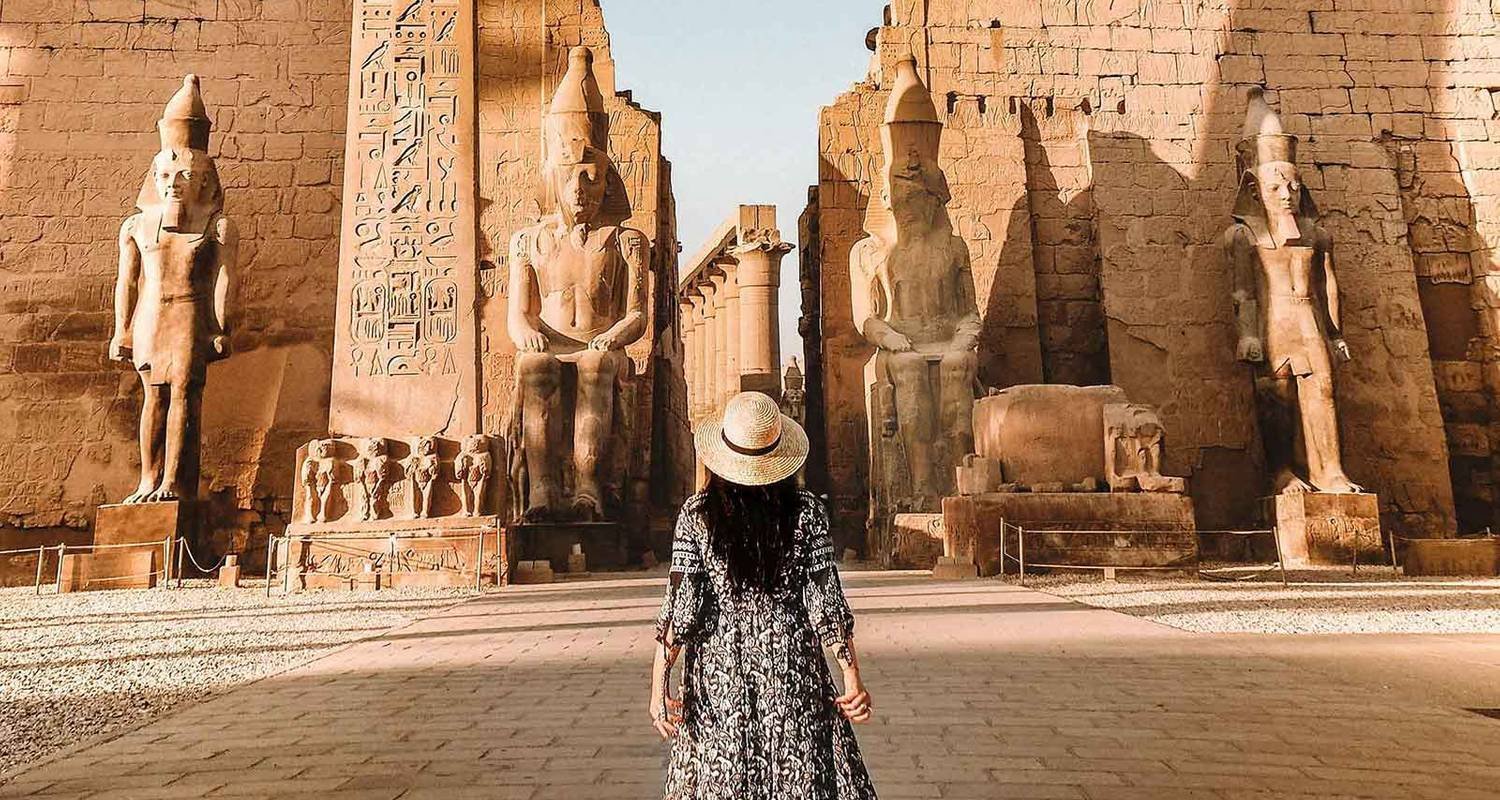
  • Keep noise to a minimum, especially during late hours
  • Keep your room tidy and avoid disturbing housekeeping
  • Respect the privacy of housekeeping staff
  • Follow hotel rules regarding smoking or pets

7. At the Beach:
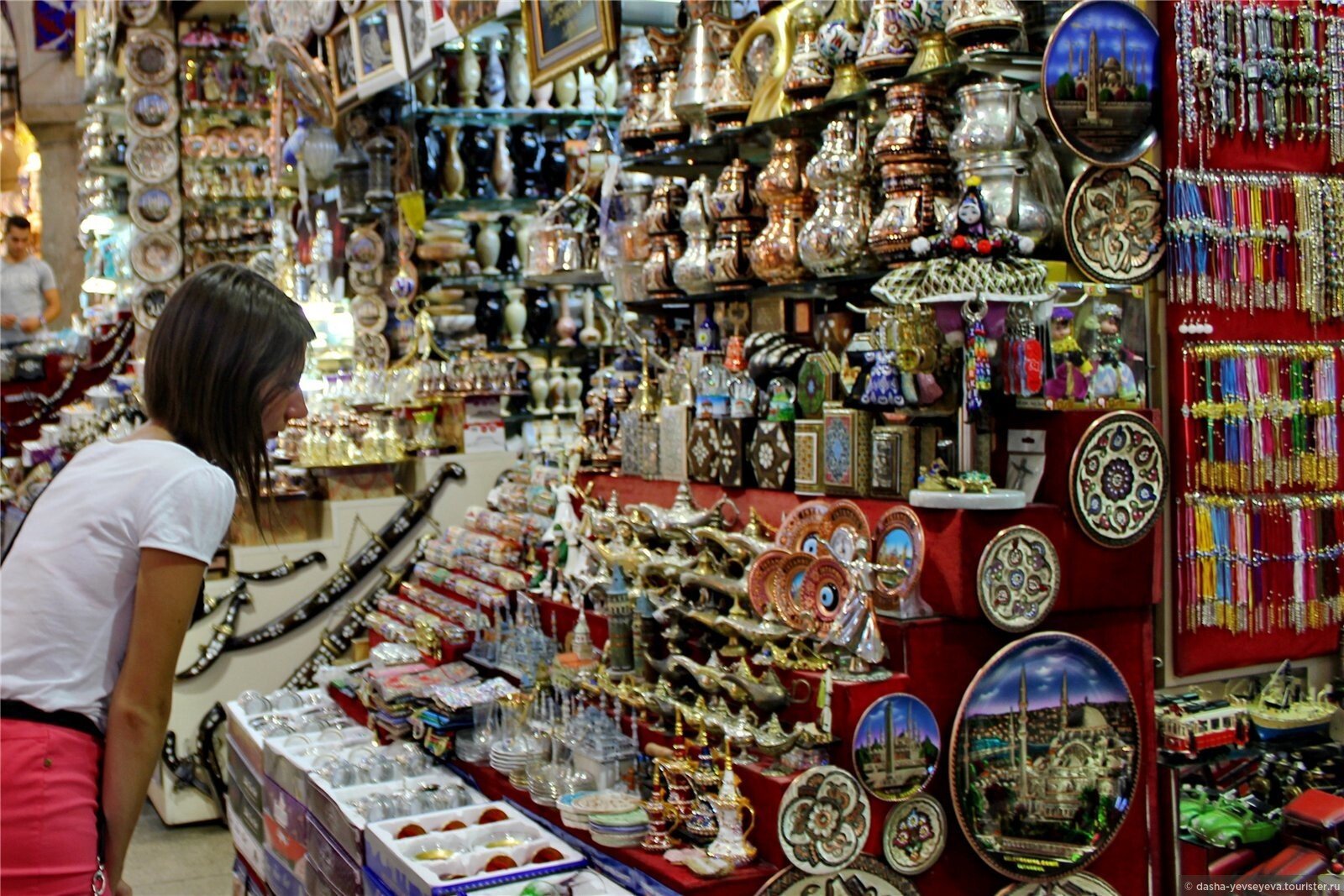
  • Clean up after yourself and dispose of trash properly
  • Respect personal space and avoid crowding others
  • Be courteous when playing games or setting up equipment
  • Avoid loud music

8. At the Pool:

  • Follow posted rules regarding pool usage
  • Keep noise levels down and avoid disruptive behavior
  • Share pool space respectfully with other guests
  • Avoid splashing water on others

9. In the Gym:

  • Wipe down equipment after use
  • Be considerate of others waiting for machines or weights
  • Keep conversations quiet to maintain a focused atmosphere

10. At the Disco:

  • Dress appropriately and respect the venue's policies
  • Be polite to staff and fellow guests
  • Respect personal space on the dance floor

By following these etiquette rules, guests can contribute to a pleasant environment for themselves and others during their hotel stay.

1
<p><strong>What should I do if my luggage didn&#x27;t arrive at the airport?</strong></p>

Don't panic—here's exactly what you need to do before leaving the baggage claim area:

  • Why did this happen? In most cases, this problem occurs at the departure airport, where your luggage is mistakenly routed or loaded onto a different flight.
  1. Go to the Lost & Found or Baggage Service Desk: It’s located right in the arrivals hall. Do not leave the terminal until you’ve done this.
  2. File a Property Irregularity Report (PIR): Present your ticket, passport, and baggage tag (usually attached to your boarding pass). You will receive a case number (claim number).
  3. Track your luggage online: You can easily check the status of your luggage in real time on the airline’s official website using the PIR number you received.
  4. Provide your local address: Provide the exact details of your hotel or place of residence in Egypt and a working phone number.
  5. Keep receipts for reimbursement: Save all receipts for the purchase of essential items, clothing, and transportation costs for your trip to and from the airport to retrieve your luggage. Most airlines cover these emergency expenses in accordance with their policies.
  6. When Claiming Your Luggage: Be sure to bring your passport and the Property Information Report (PIR) with you to the airport; otherwise, you will not be able to retrieve your belongings.

Note: Most delayed suitcases are located and delivered within 24–48 hours.

2
<p><strong>What Can You Carry in Your Carry-On Luggage? (Permitted Items)</strong></p>
  • Electronics: Laptops, tablets, smartphones, cameras, and standard chargers.
  • Portable chargers (power banks): These must be carried in your carry-on luggage; transporting them in checked luggage is strictly prohibited. Typically, their capacity must not exceed 100 Wh (approximately 20,000 to 30,000 mAh).
  • Liquids (100-ml Rule): Liquids, gels, and aerosols (perfumes, hand sanitizers, cosmetics) are permitted only in containers of no more than 100 ml each. All containers must fit freely into a single transparent, resealable plastic bag with a capacity of up to 1 liter.
  • Medications: Essential medications that may be needed during the flight are permitted. For liquid medications exceeding 100 ml, it is strongly recommended that you carry a doctor’s note or prescription.
  • Baby Food: Baby formula, sterilized water, and liquid baby food needed during the flight are permitted and are exempt from the 100-ml rule.
  • Valuables and documents: Money, jewelry, passports, and important personal documents should always be kept in your carry-on luggage.
  • Duty-Free Purchases: Liquids (such as perfume or alcohol) purchased at airport duty-free shops after passing through security are permitted, provided they remain sealed in a special branded bag (STEB) with the receipt attached.

Permitted Weight and Dimensions of Carry-On Luggage

Although rules may vary slightly depending on the airline (especially between full-service carriers and low-cost carriers), the following general international standards apply at Egyptian airports:

1. Weight limit

  • Full-service airlines: The weight limit for economy class is typically between 7 and 10 kg (most often 8 kg).
  • Budget airlines: They enforce a strict 7-kg limit. Some basic economy fares allow only one small personal item that fits under the seat, and a surcharge applies for standard carry-on luggage stored in the overhead bin.

2. Standard Dimensions

To ensure your bag fits on the overhead compartment, the standard approximate dimensions for carry-on luggage are:

  • 55 x 40 x 23 cm (including wheels, handles, and side pockets).
Quick tip for travelers: In addition to your main carry-on, most airlines allow you to bring one small personal item for free—such as a laptop bag, a purse, or a backpack—which must fit under the seat in front of you. Always check the specific airline’s rules 24 hours before departure, as budget airlines are very strict about size and weight limits.


1
<p><strong>What items are prohibited from being carried on an airplane?</strong></p><p><br></p>

Prohibited Items in All Types of Baggage (Strictly Prohibited)

These items pose a threat to flight safety and are strictly prohibited in both carry-on and checked baggage:

  • Flammable liquids and solids: Lighter fluid, fuel, paint, solvents, sparklers, firecrackers, and fireworks.
  • Gases and pressurized containers: Camping gas canisters, butane, propane, and self-defense devices (e.g., pepper spray or tear gas).
  • Toxic and infectious substances: Bleach, poisons, herbicides, insecticides, and contaminated biological materials.
  • Corrosive chemicals: Mercury (including old thermometers), acids, alkalis, and liquid-cell batteries.
  • Explosives: Dynamite, gunpowder, plastic explosives, and realistic replicas of explosive devices.
  • "Smart" suitcases with non-removable batteries: Suitcases with built-in lithium batteries or power banks that cannot be removed are strictly prohibited from transport under international aviation regulations.

Prohibited in checked baggage (must be carried in carry-on luggage)

These items pose a fire hazard in the cargo hold, so they are permitted or required to be carried exclusively in the aircraft cabin:

  • Lithium batteries and external batteries (power banks): Individual lithium-ion batteries and portable chargers are strictly prohibited from being checked as baggage. They must be carried in the cabin.
  • E-cigarettes and vapes: E-cigarettes, vaporizers, and their spare batteries must be carried in carry-on luggage to prevent accidental activation or overheating in the cargo hold.
  • Lighters: Standard safety matches or one small cigarette lighter must be carried on your person or in your carry-on luggage, but under no circumstances in a checked bag.

Prohibited in carry-on luggage (Must be checked as baggage)

These items are not permitted in the aircraft cabin for safety reasons, but can be safely transported in the cargo hold:

  • Sharp objects: Knives, scissors (with blades longer than 6 cm), utility knives, dangerous razors, folding knives, and decorative swords.
  • Tools: Drills, hammers, screwdrivers, saws, and any heavy tools that could be used as weapons.
  • Sports equipment: Baseball bats, golf clubs, ski poles, martial arts equipment, and pool cues.
  • Firearms and ammunition: All types of firearms, including toy guns or realistic replicas, are strictly prohibited in the cabin. (Note: Transporting real firearms in checked baggage requires a special declaration and strict compliance with customs regulations.)
  • Liquids exceeding 100 ml: Any containers holding liquids, gels, or aerosols with a volume exceeding 100 ml must be packed in checked baggage, even if the container is only partially filled.


1
<p><strong>Can I pack Egyptian mangoes or local fruits in my checked luggage? What are the packaging requirements?</strong></p><p><br></p>

Yes, you can bring Egyptian mangoes and other local fruits with you, but whether you can import them depends largely on the customs and phytosanitary regulations of your destination country, rather than on Egyptian laws. Egypt generally allows tourists to take a reasonable amount of fresh fruit for personal consumption, provided it does not contain seeds for planting, seedlings, or soil.

Here are the main packaging requirements and rules you must follow to ensure a smooth trip:

1. Where is the best place to carry fruit?

  • In checked luggage (Highly recommended): It’s best to pack fruits, such as mangoes, in a suitcase that you check in. This will save you from questions during carry-on screening.
  • In carry-on luggage: Some airlines allow you to bring a small amount of firm, fresh fruit into the cabin to eat during the flight. However, you should not pack soft or heavy fruits (such as a whole box of mangoes) in your carry-on, as they may get crushed or exceed weight limits.

2. Packaging and Labeling Requirements

To protect your luggage and keep the fruit in good condition, follow these tips:

  • Use sturdy cardboard boxes: If you’re carrying a lot of fruit, pack it in a clean, sturdy, ventilated cardboard box rather than a plastic bag.
  • Individual wrapping: Wrap each piece of fruit separately in clean paper or a special foam mesh bag to prevent them from bumping into each other during transport.
  • No plant debris: Make sure the fruit is completely clean, free of soil, leaves, and stems. The phytosanitary regulations of most countries strictly prohibit the import of leaves and soil to prevent the spread of pests.
  • Leak-proof packaging: If you’re placing the box inside your main suitcase, put it in a leak-proof plastic bag in case any fruit gets crushed due to pressure changes and starts to leak.

3. Important Step: Check the Rules of Your Destination Country

Although Egypt allows you to bring fruit into the country, customs officials in your home country may confiscate it upon arrival if it violates local laws:

  • Russia and CIS countries: As a rule, regulations are more lenient regarding personal items. For example, in Russia, you’re allowed to bring up to 5 kg of fresh fruit per person in your luggage without a phytosanitary certificate.
  • European Union and the United Kingdom: Very strict rules. An official phytosanitary certificate is required to import most fresh fruits in personal luggage from non-EU countries. Without it, mangoes will most likely be confiscated.
  • United States and Australia: An extremely strict ban. Bringing any fresh fruit or agricultural products in your personal luggage is completely prohibited. You are required to declare all food items; otherwise, you face a hefty fine.


0
<p><strong>Do airports in Egypt charge a departure tax that must be paid in cash?</strong></p>

No, you do not need to pay the departure tax in cash at the airport when leaving Egypt.

Although Egypt has an airport fee and a development tax (ranging from $25 to $30 for international flights), these fees are automatically included in the price of your ticket when you purchase it.

You won’t encounter any unexpected payment counters or cash requirements for leaving the country in the airport terminal.

Exceptions when cash is required at the airport:

There are only a few specific situations in which a traveler may be required to pay for something in cash at immigration or customs:

  • Fines for overstaying a visa: If a tourist stays in Egypt longer than the validity period specified on their tourist visa, they will be required to pay a fine in cash at the airport before boarding their flight.
  • Customs violations: Transporting goods that exceed the limits for commercial or personal use, or carrying restricted items without a declaration, may result in immediate cash fines.
  • Entry Visa (Upon Arrival): If you are confused about the difference between entry and exit visas, the standard 30-day tourist visa upon arrival costs $25 and must be paid in cash at the bank counters before passing through passport control.


0
<p><strong>How early should I arrive at Hurghada Airport for an international flight?</strong></p><p><br></p>

For international flights departing from Hurghada International Airport (HRG), it is strongly recommended that you arrive at the airport 3 hours before your scheduled departure time.

During peak tourist season (especially in winter and spring) or during major holidays, it is safer to arrive 3.5 hours early.

Why are 3 hours necessary at Hurghada Airport?

Unlike many international airports, where security screening is conducted only once, Egyptian airports have a strict, multi-tiered security protocol in place, and going through these checks during peak hours can take extra time:

  • Initial security screening (airport entrance): Even before you enter the terminal building or reach the check-in counters, you and all your luggage must undergo an initial X-ray screening. Queues here can sometimes stretch out onto the street in front of the building during peak hours, when several charter flights are departing at the same time.
  • Check-in and Baggage Drop-off: Airline check-in counters in Hurghada typically open 3 hours before departure and close strictly 60 minutes before takeoff.
  • Passport Control (Immigration): You will then proceed to the passport control counters to obtain your exit stamp.
  • Final security screening before boarding: Just before you enter the boarding gate waiting area, your carry-on luggage and personal belongings will undergo a final, thorough security screening.


0
<p><strong>What is the “Fast Track” service at Hurghada Airport, and is it worth booking?</strong></p><p><br></p>

The “Fast Track” service at Hurghada International Airport is a prepaid service designed to save passengers time and effort (both upon arrival and departure) by helping them avoid long lines at the airport.

You will be met by a dedicated agent and a service representative, who will escort you through all procedures via special fast-track lanes.

What does this service include?

1. Upon departure:
  • Meet-and-greet at the airport exit: A representative will meet you at the airport exit before the first security checkpoint.
  • Skip the lines for security screening and baggage check-in: A representative will help you pass through the initial baggage screening (X-ray) and then escort you to the check-in and baggage drop-off counters without waiting.
  • Expedited passport control: Pass through passport control via a special, highly efficient fast-track lane.
  • Final security screening: Escort to the boarding gate after passing the final security screening.
  • Note: Higher levels of service are available, which also include access to the airport’s VIP lounge.
2. Upon arrival:
  • Meet-and-greet at the terminal entrance: A representative will meet you with a sign bearing your name as soon as you enter the terminal building.
  • Assistance with obtaining a visa upon arrival: Assistance in obtaining an entry visa at the airport bank without having to wait in line.
  • Expedited passport control: Complete passport control and stamping procedures in just a few minutes.
  • Baggage assistance: Escort to the baggage carousel, help retrieving your luggage, and ensuring a quick passage through airport customs before exiting the terminal.

Should you book the Fast Track service?

The answer largely depends on the timing and nature of your trip:

We strongly recommend booking the service in the following cases:
  • Travel during peak seasons: for example, during the winter and spring months, on holidays, and during vacation periods, when Hurghada Airport is overwhelmed with charter flights and the lines for security screening and passport control become very long.
  • Families, children, and seniors: Sparing children from long waits and standing for extended periods ensures a comfortable start or end to your trip.
  • If you’re short on time: to ensure you make your flight without the stress and anxiety caused by crowds at the airport.
You may not need this in the following cases:
  • Traveling during off-peak periods: outside of peak tourist seasons or in the early morning hours when there are fewer flights, as standard procedures naturally go faster.
  • Independent travelers (young people): if you don’t mind the standard wait time to save money.
💡 Traveler Tip: To ensure a comfortable and stress-free start and end to your vacation in Hurghada, you can book the “Fast Track” service directly through our platform as a premium add-on to your itinerary. Since this service requires prior approval from airport authorities, it’s recommended that you always make your reservation no later than 48 hours before your departure time to ensure that a representative will be ready to meet you at the scheduled time.


0
<p><strong><span class="ql-cursor">What is</span> the maximum amount of cash that travelers are allowed to carry when entering or leaving Egypt through airports?</strong></p>

When entering or leaving Egypt, you are permitted to carry up to $10,000 (or the equivalent amount in foreign currency) and up to 5,000 Egyptian pounds in local currency. Amounts exceeding these limits must be declared at customs; otherwise, they may be confiscated, and you may face fines or legal proceedings.

Cash Restrictions at Egyptian Airports

  • Foreign currency: no restrictions upon entry or exit, but amounts exceeding 10,000 U.S. dollars (or the equivalent in euros, pounds sterling, etc.) must be declared.
  • Local currency (EGP): A strict limit of 5,000 Egyptian pounds per person.
  • Declaration: If you are carrying an amount exceeding the established limit, you are required to declare it to customs upon arrival or departure.

Practical Tips for Tourists

  • Declaration procedure: At Egyptian airports (Cairo, Hurghada, Sharm el-Sheikh), if you are carrying cash exceeding the established limit, you should use the “red channel.” Customs officials may request the relevant documents.
  • Penalties: Carrying undeclared amounts exceeding the established limit may result in confiscation, fines, or legal prosecution.
  • Definition of cash: includes banknotes, coins, traveler’s checks, money transfers, and securities.

Tips for Travelers

  • Bring foreign currency (U.S. dollars/euros) rather than large amounts of Egyptian pounds, as Egyptian pounds are more difficult to exchange outside of Egypt.
  • Safe currency exchange: Use currency exchange offices or local banks. You’ll need your passport or a copy of it to exchange currency at a bank.
  • Avoid street money changers: even if they offer you a favorable rate, exchanging currency outside official channels is illegal and risky.
  • Keep your receipts: Always keep your exchange receipts until the end of your trip.

A Friendly Reminder

If you have any Egyptian pounds left over, don’t worry—they’ll still be valid for your next visit. In fact, many tourists see this as a good reason to return to Egypt and spend them!

1
<p>What are the most popular tourist resorts in Egypt along the Red Sea?</p>
  1. Sharm El Sheikh: Located on the Sinai Peninsula, it's famous for vibrant nightlife and world-class diving spots like Ras Mohammed National Park
  2. Dahab: A laid-back resort known for its beautiful beaches and excellent snorkeling, particularly at the Blue Hole
  3. Taba: Nestled near the borders of Jordan, it offers stunning views and access to the beautiful Taba Heights
  4. Hurghada: A bustling resort town with numerous hotels, water sports, and vibrant nightlife, popular for its coral reefs
  5. El Gouna: An upscale resort town with lagoons, golf courses, and a focus on eco-tourism
  6. Sahl Hasheesh: Known for its luxury resorts and beautiful beaches, ideal for relaxation and diving
  7. Makadi Bay: Famous for its clear waters and coral reefs, perfect for snorkeling
  8. Soma Bay: Offers luxurious resorts and excellent windsurfing conditions
  9. Safaga: Known for its therapeutic beaches and windsurfing
  10. El Quseir: A historic town with beautiful beaches and great diving spots
  11. Marsa Alam: A quieter destination with stunning marine life and beautiful beaches
0
<p>Where does the name "Hurghada" come from?</p>

The name "Hurghada" is derived from the Arabic word "gharqad," which refers to a type of thorny shrub that was once abundant in the region. This shrub, also known as "Nabt al-ghardaq" or "A'oosaj," was commonly called "Anab al-deeb" (wolf's grapes) in colloquial Arabic. Due to the widespread presence of this plant in the area, the city was named after it, essentially meaning "the city of gharqad." This name was given when Hurghada was a small fishing village before the discovery of oil and the rise of tourism. Although the correct pronunciation in classical Arabic is "gharqad," the name is often pronounced as "ghardaq" in various Arabic dialects, including those spoken in Egypt, Kuwait, Sudan, and eastern Saudi Arabia.

0
<p>What are the top 10 excursions from Hurghada?</p>
  1. Cairo Day Trip: Explore the Pyramids of Giza, the Sphinx, and the Egyptian Museum, where you can marvel at ancient artifacts
  2. Luxor Day Trip: Visit the Valley of the Kings and Karnak Temple, experiencing the rich history of ancient Egypt
  3. Paradise Island Boat Trip: Enjoy a relaxing day on the beautiful Paradise Island with opportunities for snorkeling and sunbathing
  4. Orange Island Boat Trip: A scenic trip to Orange Island, perfect for swimming, snorkeling, and enjoying the stunning marine life
  5. Diving Trip: Discover the vibrant underwater world of the Red Sea with guided diving tours suitable for all levels
  6. Safari Trip: Experience the desert's beauty with a safari adventure, including quad biking and camel rides
  7. Hurghada Museum Trip: Learn about the history and culture of the region through various exhibits at the Hurghada Museum
  8. Grand Aquarium Hurghada: Explore the diverse marine life and enjoy interactive exhibits at this impressive aquarium
  9. Dolphin Show: Enjoy an entertaining and educational show featuring dolphins and other marine animals
  10. Hurghada City Tour: Discover local markets, restaurants, and attractions, immersing yourself in the vibrant culture of Hurghada

These excursions offer a blend of history, adventure, and relaxation, making them perfect for any traveler.

0
<p>What are the top 10 souvenirs tourists can buy from Egypt?</p>
  1. Papyrus: A symbol of ancient Egypt, papyrus scrolls are a popular choice for souvenirs. You can find them with various inscriptions and artwork
  2. Alabaster Statues: Beautifully carved figures, often representing gods or pharaohs, showcasing Egyptian craftsmanship
  3. Cartouche: Personalized nameplates in hieroglyphics, making for a unique and meaningful keepsake
  4. Perfume and therapeutic oils: Experience the exotic fragrances of the Middle East with authentic Egyptian perfume oils. They come in beautifully decorated bottles and make a unique gift
  5. Spices: Bring a taste of Egypt home with aromatic spice blends. They are perfect for cooking or adding a touch of exotic flavor to your home
  6. Egyptian Cotton Products: Renowned for its softness, items like towels and bed linens are luxurious gifts
  7. Pharaonic Artifacts: From miniature statues to replica amulets, pharaonic artifacts are a popular choice for history buffs
  8. Handmade Carpets: These carpets feature traditional patterns and craftsmanship, adding a touch of Egypt to any home
  9. Handcrafted Jewelry: Egyptian jewelry, often featuring intricate designs and precious stones, is a timeless piece. Look for gold, silver, and gemstone pieces inspired by ancient Egyptian motifs
  10. Egyptian Leather Products: High-quality bags and wallets made from genuine leather, combining tradition with modern style
3
<p>What are the prices of apartments in the Red Sea?</p>

The real estate market in the Red Sea is currently witnessing a significant boom, offering diverse options that cater to various budgets. Prices for apartments start from approximately $60,000 for economical units in vibrant local areas in Hurghada like El Hadaba, El Sheraton, Mubarak 2, El Kawthar, Arabia or El Ahyaa, reaching up to $120,000 or more for luxury beachfront properties in prestigious resorts like Sahl Hasheesh or Soma Bay. On average, a high-quality finished apartment costs around $75,000.

Pricing is heavily influenced by the proximity to the Red Sea coast and the city center (Sheraton or Mamsha). Most units range from 50 to 120 square meters, offering layouts from cozy studios to spacious three-bedroom apartments. Beyond the purchase price, Hurghada is a hotspot for "Buy-to-Let" strategies, where owners can achieve an annual rental yield of 8% to 12% due to the year-round tourism season.

Furthermore, many developers now offer flexible payment plans with down payments starting at 10% and installments over 3 to 5 years. Whether you are looking for a vacation home or a long-term residency, Hurghada provides a unique blend of affordability and a high-quality coastal lifestyle.

0
<p>How can foreigners obtain a residence visa for the purpose of living in Egypt?</p>

Foreigners can obtain a residence visa in Egypt through a specific option known as the Property Residence Visa. This visa is granted to individuals who own property in Egypt valued at 100,000$ or more. Based on this property, a free annual residence permit is issued, which is renewable as long as the property remains in the owner's name.

The duration of the Property Residence Visa increases with the value of the property. For example, if the property is valued at 400,000$, a three-year residence permit is granted, which can be renewed periodically as long as the property is still owned by the applicant.

To qualify for the Property Residence Visa, the applicant must meet the following conditions:

  1. Enter Egypt with a valid tourist visa, an entry visa, or a regular visa
  2. Provide proof of the funds used for purchasing the property, which must be transferred through Egyptian banks. By law, cash or unofficial money transfer methods are prohibited, so funds must be transferred from the applicant's bank in their home country to an official Egyptian bank (such as the National Bank of Egypt, Bank Misr, or Banque du Caire)
  3. Present a registered and notarized property ownership contract with the Egyptian Notary Public
  4. Provide a valid passport

The process is not lengthy, and residency can be obtained within 30 days after submitting the required documents. If the property value is below $100,000, a regular residence visa can be obtained at an annual cost of approximately 170$, which is renewable each year.

0
<p>What is the population of Egypt?</p>

Egypt has a population of about 104 million people, predominantly ethnic Egyptians. Approximately 90% reside along the Nile River and in the Nile Delta. The remaining 10% live along the northern Mediterranean coast, the eastern Red Sea coast, in deserts, and in Sinai. The largest cities are Cairo, with around 20 million residents, Alexandria, and Giza.

0
<p>Why is the typical hotel check-out time at 12 PM and check-in time at 2 PM?</p>

The standard check-out time at 12 PM and check-in time at 2 PM allows hotels sufficient time to prepare and clean rooms for incoming guests, especially in fully booked hotels. This two-hour window ensures that housekeeping can effectively prepare the room for new arrivals. If there are available rooms before 12 PM, hotels may offer early check-in for a fee, depending on their policies. Sometimes, they provide this service for free as a gesture of hospitality to enhance the guest experience. This system helps maintain smooth operations and high standards of cleanliness.

0
<p>What are the most famous historical sites in Egypt that tourists should visit?</p>

Egypt is home to numerous historical sites that attract millions of tourists each year:

  1. Cairo: Home to the Egyptian Museum and stunning Islamic architecture
  2. Giza: Famous for the Great Pyramids and the Sphinx
  3. Saqqara: Known for the Step Pyramid of Djoser
  4. Memphis: Once the capital, featuring a colossal statue of Ramses II
  5. Luxor: The world's greatest open-air museum with the Valley of the Kings
  6. Dendera: Famous for the Temple of Hathor
  7. Abydos: Houses the Temple of Seti I
  8. Aswan: Home to Philae Temple and the Aswan High Dam
  9. Edfu: Features the well-preserved Temple of Horus
  10. Kom Ombo: Unique double temple dedicated to Sobek and Horus
  11. Abu Simbel: Famous for colossal statues of Ramses II
  12. Alexandria: Founded by Alexander the Great
0
<blockquote>How can a tourist <strong style="color: rgb(0, 41, 102);"><span class="ql-cursor">get</span></strong> a good hotel room?</blockquote><p><br></p><p><br></p>

Getting a good hotel room often depends on how you communicate and plan your trip before arrival. One effective way is to contact the hotel directly after making your reservation: go to the official website and email the Guest Relations department, providing your reservation details and preferences. For example, you can request a room on a specific floor, in a specific building, or near friends or family who are staying at the same hotel. The Guest Relations department usually coordinates with the reservations and front desk teams to prepare a room that meets your requests.

If you weren’t able to contact them in advance, you can still improve your chances during check-in. Approach the front desk clerk politely and with a smile—a friendly attitude often helps staff find a better room for you. A small tip can also increase your chances of getting a more comfortable room or an upgrade.

If you’re not satisfied with the room you’ve been assigned, calmly ask the front desk manager to show you another option. Hotels generally strive to meet guests’ requests and maintain good reviews, so they’ll do their best to help.

In short, open communication, politeness, and a positive attitude are the keys to ensuring a pleasant stay.

0
<p>Why are most employees in Egyptian hotels men?</p>

In Egyptian and Arab culture, there is a prevailing belief that women should not work in service-oriented roles, especially those involving interaction with strangers. This perspective is rooted in the idea that serving others, particularly foreign guests, can diminish a woman's status. Traditionally, it has been considered more appropriate for men to take on these responsibilities. However, in recent years, there has been a gradual cultural shift, allowing some women to enter the tourism sector. Despite this progress, the number of women working in hotels remains low compared to men. As society evolves and attitudes change, we may see an increase in female participation in this field, but traditional norms still influence the current workforce.

1
<p>What is the average temperature of the Red Sea?</p>

The Red Sea is known for its consistently warm waters, with an average temperature ranging from 22°C to 30°C (72°F to 86°F) throughout the year. In summer, surface temperatures can reach 28-30°C (82-86°F), while in winter, it drops to about 21-24°C (70-75°F). This warm temperature is due to its location in a tropical region and its relatively enclosed nature. Compared to other seas and oceans, the Red Sea maintains a higher year-round temperature. Coral reefs, which thrive in warmer waters (typically between 23-29°C (73-84°F)), play a crucial role in maintaining this warm temperature of the Red Sea by providing shelter and food for marine life. However, coral reefs are sensitive to temperature changes, and prolonged exposure to extreme heat can lead to bleaching.

0
<p>What items are prohibited for tourists to bring into Egypt?</p>

When traveling to Egypt, it's important to be aware of items that are prohibited from being brought into the country. These items typically include illegal drugs, weapons of any kind, counterfeit goods, and materials that could be considered offensive to Egyptian culture or religion. Additionally, certain food items, plants, and animals may be restricted to prevent the introduction of pests or diseases. It's advisable to check with the Egyptian embassy or consulate in your home country for the most up-to-date and comprehensive list of prohibited items.

0
<p>What are the denominations of Egypt&#x27;s official currency?</p>

The official currency of Egypt is the Egyptian pound (EGP), issued by the Central Bank of Egypt. It exists in the form of both paper bills and coins, whose denominations vary in size, color, and design, which helps prevent confusion. Each banknote clearly indicates its face value: in Arabic on one side and in English on the other.


Overview of the Egyptian Currency

  • Official unit: Egyptian pound (EGP); local name: جنيه مصري (Geneh Masri).
  • Subunit: 1 pound = 100 piastres (قرش).
  • Symbols: £E, LE, or EGP.

Banknotes (paper currency)

  • Common denominations: 1, 5, 10, 20, 50, 100, 200 pounds.
  • Smaller denominations: 25 piastres, 50 piastres (rarely used).
  • Material: Since 2022, 10- and 20-pound banknotes have been printed on polymer film; the rest are printed on paper.
  • Design differences:
  • Each banknote has its own size and color.
  • The front side features text in Arabic, while the back side displays the denomination in English.
  • The banknotes feature Egyptian landmarks, mosques, and historical motifs.

Coins (metal currency)

  • Denominations: 25 piastres, 50 piastres (half a pound), 1 pound.
  • Design:
  • Various diameters and metal colors.
  • The 1-pound coin is bimetallic (silver center, gold ring).
  • Denominations are indicated in Arabic and English.


Key points to avoid confusion

  • Size and color: Each banknote is intentionally different in size and color to prevent denominations from being mixed up.
  • Denominations in Arabic and English: Always check both sides—Arabic on one, English on the other.
  • Coins and banknotes: Some denominations exist in both forms (for example, a 1-pound coin and a 1-pound banknote).
  • Confusion with foreign currency: Be careful not to confuse Egyptian banknotes with foreign currency of a similar color or size.


Practical Tips for Tourists

  • Check both sides of the bill before paying.
  • Remember the colors: for example, 5 pounds is green, 50 pounds is purple, and 200 pounds is a large brown bill.
  • Use coins for small purchases (transportation, kiosks).
  • Keep small bills on hand for markets and tips.


Quick Reference Table

  • 25 piastresPaper / CoinRare, small denomination
  • 50 piastres Paper / Coins Half a pound
  • 1 pound: Paper and coins; bimetallic coins
  • 5 pounds: Paper bill, green, small size
  • 10 pounds Paper/polymer Orange, medium size
  • 20 pounds Paper / Polymer Red, large size
  • 50 pounds Paper Purple
  • 100 pounds Paper Blue
  • 200 pounds (paper/polymer), brown, largest


Overall, the Egyptian pound is easy to use if you know how to distinguish its sizes, colors, and inscriptions in both languages. Always double-check the printed denomination to avoid confusing it with banknotes of other denominations or foreign banknotes.

1
<p>Hurghada or Sharm El Sheikh?</p>

When selecting between Hurghada and Sharm El Sheikh for a vacation in Egypt, both destinations offer unique experiences tailored to different interests.

Sharm El Sheikh is a premier choice for those passionate about diving and snorkeling. The Red Sea around Sharm is renowned for its vibrant coral reefs and diverse marine life, particularly in protected areas like Ras Mohammed National Park and Tiran Island. These spots provide exceptional underwater experiences that are difficult to match elsewhere.

Additionally, Sharm El Sheikh serves as a gateway to historical and religious sites. Tourists can visit Mount Sinai, where Moses is said to have received the Ten Commandments, and the stunning Saint Catherine's Monastery. For those interested in extending their journey, excursions to Jerusalem can also be arranged conveniently from Sharm.

A practical advantage of choosing Sharm is the visa situation. Travelers staying within Sinai do not require a tourist visa, offering significant savings for those who plan to enjoy the area's attractions without venturing into mainland Egypt. However, it's worth noting that the beaches in Sharm predominantly feature rocky areas and shallow waters, which may be less appealing for those seeking sandy shores.

Hurghada appeals to travelers interested in cultural exploration and shopping. This bustling city, home to approximately 250,000 residents, offers a vibrant marketplace atmosphere with various shops and bazaars. Hurghada also provides better access to historic cities like Luxor and Cairo, making it easier to explore ancient temples, museums, and pyramids.

In terms of climate, Hurghada tends to be warmer in winter, while Sharm can get cooler due to its northern location. However, summer temperatures in Hurghada can soar, which may be a consideration for some tourists. Hurghada's beaches are primarily sandy, making them more suitable for traditional beach activities.

0
<p>How and when did Hurghada transform into a tourist city?</p>

Hurghada began as a small fishing village, with nearby quarries for extracting phosphorus and sulfur. The significant change came with the discovery of oil along the Red Sea coast, attracting foreign oil companies. To accommodate the workers and their families, the Sheraton Hurghada Hotel was built and opened in 1963. This hotel not only served as a base for oil company employees but also marked the beginning of tourism in the area. The main street in Hurghada is named after this hotel, known today as Sheraton Street. In the 1980s, the Egyptian government recognized Hurghada's potential as a tourist destination and initiated the construction of more hotels. The first government-owned hotel, named Magawish after the nearby Magawish Island, was built, and it is currently the site of the Rixos Magawish Hurghada. With the entrance of the private sector into hotel construction, the number of hotels along the Red Sea coast has now exceeded 300. This development has established Hurghada as a major hub for tourism in Egypt, attracting visitors from around the world.

0
<p>What are the top 10 family-friendly excursions with young children in Hurghada?</p>
  1. Pirates Boat Trip: Experience a delightful sea trip on the Pirates Yacht, one of the most beautiful yachts in Hurghada. Enjoy activities for children and visit Orange Island. Marvel at the glass-bottom boat and swim among the coral reefs, all while savoring a seafood lunch that feels like dining in a top-notch seafood restaurant
  2. Paradise Island Trip: A beautiful island getaway with soft sandy beaches, ideal for children to play and parents to relax
  3. Orange Island Trip: Enjoy a day of sun and sea, where families can snorkel and enjoy a picnic in a picturesque setting
  4. Dolphin House Trip: An exciting experience where families can watch dolphins in their natural habitat and even swim with them
  5. Sindbad Submarine: This unique underwater adventure allows families to observe marine life without getting wet, making it perfect for young kids
  6. Glass-Bottom Boat Trip: A fun ride for families to see colorful fish and coral reefs through the glass bottom, ensuring everyone stays dry
  7. Grand Aquarium Hurghada: Explore the fascinating marine life of the Red Sea with interactive exhibits that engage children and adults alike
  8. Dolphin Show: A delightful show featuring trained dolphins, providing entertainment and education for the whole family
  9. Sand City Park: A creative attraction where families can admire intricate sand sculptures of Egypt's famous landmarks and learn about the art of sand carving
  10. Mini Egypt Park: A unique park showcasing miniatures of Egypt's famous landmarks, allowing families to explore the country's heritage in a fun way
3
<p>Where can a tourist buy gifts in Hurghada?</p>
  1. Hotel Shops: Many hotels have their own gift shops. While convenient, prices are typically higher due to the expensive rental costs associated with these locations
  2. Tourist Area Shops: Near hotels, you'll find gift shops aimed at tourists. These shops may offer slightly lower prices than hotel shops, but they generally remain expensive as they cater primarily to tourists
  3. City Center shops: For more affordable options, visit shops in the city center. These stores often have lower prices due to competition, along with a wider variety of products and frequent sales. Note that these shops do not display fixed prices, meaning tourists should be savvy bargainers to secure the best price.
  4. City Tour Shops: Some organized city tours include shopping stops. However, be cautious; while these tours can be free, they often lead to stores that inflate prices significantly. Tour companies typically earn big commissions from these shops, which can raise prices by over 100%
  5. Delivery Services: Consider using a gift delivery service that brings items directly to your hotel. This option can be cheaper than purchasing from local shops, as these services often source products directly from manufacturers and charge reasonable delivery fees. Consider using the hotel delivery service available on our platform to save both your time and money
1
<p>What languages are spoken in Egypt?</p>

The official language of Egypt is Arabic, specifically Egyptian Arabic, spoken by over 100 million people. English and French are also widely used, especially in business and education. Other languages like Nubian and Berber are spoken by smaller communities, reflecting Egypt's diverse cultural heritage.

0
<p>Who are the ten most famous kings who ruled Egypt throughout history?</p>
  1. Narmer: The first pharaoh who unified Upper and Lower Egypt around 3100 BCE
  2. Djoser: Known for the Step Pyramid at Saqqara
  3. Khufu (Cheops): Builder of the Great Pyramid of Giza
  4. Hatshepsut: One of the few female pharaohs who expanded trade routes
  5. Thutmose III: Called the "Napoleon of Egypt" for his military conquests
  6. Ramses II: Known for his long reign and monumental constructions
  7. Tutankhamun: Famous for his nearly intact tomb discovered in 1922
  8. Cleopatra VII: The last pharaoh of Egypt, known for her intelligence
  9. Seti I: Renowned for his military campaigns and temple at Abydos
  10. Akhenaten: Known for introducing monotheism with worship of Aten
1
<p>Why is it prohibited to drink tap water in hotels?</p>

Drinking tap water in hotels, especially in places like Hurghada, is highly discouraged due to several safety and health concerns:

  • Water Source and Transportation: The freshwater supplied to Hurghada comes from the Nile River and is transported through metal pipes across long desert distances. These pipes are challenging to clean and maintain regularly, which can lead to contamination.
  • Storage System: The water is stored in large tanks for extended periods, potentially affecting its quality and purity.

Safe Water Practices During Your Stay:

  • Drinking and Hot Beverages: You must use bottled water (usually provided by the hotel) to fill the kettle. Even boiled tap water may not eliminate all microbes or remove existing impurities and minerals.
  • Oral Hygiene: It is advised not to use tap water for brushing your teeth; use bottled water instead.
  • Washing Fruits and Vegetables: You can initially wash them under the tap to remove dirt, but it is preferred to give them a final rinse with bottled water to ensure safety.
  • Bathing: Tap water is perfectly safe to use for bathing and personal hygiene purposes only.
Important Note on Water Conservation: Please conserve water and limit consumption as much as possible to protect the environment. Water is a scarce and precious commodity in such coastal desert environments where rainfall is rare. The region relies mainly on transporting water from distant areas or resorting to seawater desalination, which is a highly complex and expensive process.
0
<p>Are there sharks in the Red Sea?</p>

Like all the oceans and seas of the world, there are several species of sharks in the Red Sea, making it a fascinating destination for marine life enthusiasts. Some common species include the reef shark, which is often seen around coral reefs, and the hammerhead shark, known for its distinctive head shape. Other species include the blacktip reef shark and the tiger shark, which can occasionally be found in deeper waters. The Red Sea's warm waters and diverse ecosystems provide a suitable habitat for these sharks. While they are generally not a threat to humans, it's important to respect their environment and observe them from a safe distance.

0
<p>Why do Egyptian women dress differently?</p>

The choice of clothing for Egyptian women is greatly influenced by their cultural background, religious upbringing, and personal factors. Egyptian women have a wide range of options to express their individual style and beliefs. Most women wear the hijab, which typically covers the hair while leaving the face and hands visible. A smaller number opt for the niqab, which covers all but the eyes. Additionally, some women choose to appear without any head covering at all, especially in more urban areas. These choices can be attributed to various factors, including religious education, socioeconomic status, and level of education. Ultimately, the decision of what to wear remains a personal decision for Egyptian women, free from coercion by family, husbands, or the state. This diversity in clothing reflects the rich tapestry of beliefs and values within Egyptian society.

3
<p>What items are tourists warned not to take with them when leaving Egypt?</p>

Tourists leaving Egypt should be cautious about carrying certain items. Firstly, drugs are strictly prohibited, and possession can lead to severe legal consequences. Additionally, firearms and weapons of any kind are not allowed. Tourists should also refrain from taking coral or any marine life, as this is illegal and harmful to the environment. Furthermore, carrying more than 10,000 Egyptian pounds in cash is not permitted without proper declarations. It is essential for travelers to be aware of these regulations to avoid complications during their departure from the country.

0
<p><strong>Should Tourists Exchange Money When Visiting Egypt?</strong></p><p><br></p>

When visiting Egypt, many travelers wonder whether they must exchange their money into the local currency, the Egyptian pound. Legally, there is no requirement to do so. The choice depends on whether the foreign currency is widely accepted in the country. In Egypt, major currencies such as the US dollar, the euro, and the British pound are recognized and can be used through banks and in many tourist areas.  


For tourists who feel uncomfortable handling the local currency, paying directly in these three currencies is possible in hotels, large shops, and tourist zones. However, exchanging some money into Egyptian pounds can be very useful in local markets, supermarkets, pharmacies, or when buying fruits and vegetables, where small change is often needed. In malls and bigger stores, especially those near tourist centers, dollars are commonly accepted.  

1
<p><strong>Where can tourists exchange money for Egyptian pounds during their trip?</strong></p><p><br></p>

You can easily exchange money at ATMs, which are located in most hotels and on main streets, as well as at currency exchange offices and local banks. Banks are usually open from 8:00 a.m. to 2:00 p.m., and it’s always a good idea to keep your exchange receipt.

When exchanging money at a bank, you must present your passport or a copy of it. It’s best not to exchange too large an amount at once, as it can be difficult to exchange unused Egyptian pounds back into your original currency. A practical approach is to start with about $100 or the equivalent, and then exchange more only as needed.

If you pay in foreign currency, it’s best to ask for change in the same currency so you don’t accumulate too much local currency. Important: It’s not recommended to exchange money on the street or in small shops, even if they offer a good rate, as this is illegal and could lead to legal problems.

Sometimes Egyptian banknotes may look a little worn or have markings on them, but don’t worry—they’re accepted everywhere.

And if you have Egyptian pounds left over at the end of your trip—that’s no problem; it’s just an excuse to come back to Egypt again to spend them, and we’ll be happy to see you again!

0
<p>What are the top 20 five-star hotels in Hurghada?</p>
  1. Rixos Premium Magawish
  2. Steigenberger Al Dau Beach
  3. Hurghada Marriott Beach Resort
  4. Hilton Hurghada Plaza
  5. Sentido Mamlouk Palace
  6. Swiss Inn Resort Hurghada
  7. Pickalbatros White Beach Resort Hurghada
  8. Pickalbatros Dana Beach Resort
  9. Serry Beach Resort
  10. Continental Hurghada Hotel
  11. Titanic Royal
  12. Jaz Aquamarine Resort Hurghada
  13. Sun Rise Grand Select Crystal Bay
  14. Pickalbatros Palace Resort Hurghada
  15. Titanic Beach Spa & Aqua Park
  16. Titanic Palace
  17. Sun Rise Holidays Resort
  18. Desert Rose Resort Hurghada
  19. Gravity Hotel & Aqua Park Hurghada
  20. Pharaoh Azur Resort
0
<p>What is the best time of year to visit the resorts in Hurghada?</p>

In general, Hurghada can be visited year-round due to its southern location in the tropical region, which provides a relatively mild climate. This makes it a popular destination for both summer and winter vacations throughout the year. The best time to visit Hurghada is during the spring months of March, April, and May. During this period, the weather is pleasantly warm, making it ideal for outdoor activities and beach relaxation. Temperatures typically range from 20 to 30 degrees Celsius, and the winds are generally mild, providing a comfortable atmosphere. As summer approaches, particularly in June, July, and August, temperatures can soar above 30 degrees Celsius, which may be too hot for some visitors. Fall, particularly September, October, and November, offers another excellent window for visiting. The weather during these months is still warm but more manageable compared to the peak summer heat. In winter, from December to the end of February, temperatures drop to below 20 degrees Celsius, which can be quite chilly for beach activities. Overall, spring and fall are the most favorable times to enjoy Hurghada's beautiful resorts and stunning underwater landscapes.

0
<p>What is more interesting: trip to Cairo or to Luxor?</p>

Both Cairo and Luxor are incredible destinations that every tourist should visit at least once in their life. Each city offers unique insights into Egypt's history and ancient civilization, making them equally important and complementary. If a traveler can only visit one, for deciding which to visit, logistical factors often play a significant role. Travelers can easily reach Cairo from both Sharm El Sheikh and Hurghada, with Hurghada being preferable to avoid visa fees for those who won't leave Sinai. In contrast, Luxor is mainly accessible from Hurghada, as traveling from Sharm El Sheikh typically requires a flight, which can be more expensive. Weather also influences the decision. Cairo is best visited in the summer, while Luxor is ideal in the winter when temperatures are more pleasant. During the summer, Luxor can be extremely hot, which may not suit everyone. Ultimately, both journeys provide invaluable experiences that greatly enrich any visit to Egypt.

0
<p>How can a tourist bargain when buying souvenirs in Egypt?</p>

Bargaining, or haggling, is a common practice when shopping in Egypt, especially in traditional markets and souvenir shops. Here are some tips on how to effectively bargain:

  1. Start Low: Always offer a significantly lower price than the initial asking price. This sets the stage for negotiation
  2. Be Firm but Friendly: Maintain a friendly demeanor while being firm in your desired price. A smile and a friendly attitude can go a long way
  3. Know the Value: Do some research beforehand to have a general idea of the fair price for the items you want to buy
  4. Pay in Local Currency: Having Egyptian pounds on hand can give you more bargaining power, as you can offer smaller denominations to reach a compromise
  5. Walk Away: If you can't agree on a price, be prepared to walk away. Sometimes, this is the best way to get a seller to lower their price
  6. Buy in Bulk: If you're purchasing multiple items, you may be able to negotiate a better price for the entire lot
  7. Visit Multiple Shops: Compare prices at different shops to get a better sense of the going rate
  8. Show that your experienced tourist: Never tell the seller that it's your first time in Egypt; instead, say that you have been here many times during the season to give the impression that you are experienced and know everything here, and that it's not easy to deceive you
  9. Learn Basic Arabic Phrases: Knowing a few basic Arabic phrases can help you connect with the seller and show that you are an experienced tourist, even in the local language, as you know it
  10. Be Patient: Bargaining can take time, so be patient and persistent

Enjoy the Experience: Bargaining is part of the cultural experience in Egypt, so embrace it and have fun

0
<p>What religions are practiced in Egypt?</p>

The main religion in Egypt is Islam, with around 90% of the population being Muslim, primarily Sunni. Christianity, mainly Coptic Orthodox, is practiced by about 10% of the population. There are also small communities of Jews and other religious groups, reflecting Egypt's rich cultural history.

0
<p>What factors contributed to the rise of Egyptian civilization?</p>
  1. The Nile River: Its annual flooding provided fertile soil essential for agriculture
  2. Geographical Location: Natural barriers like deserts protected Egypt from invasions
  3. Agricultural Innovations: Advances in irrigation and farming techniques enhanced crop production
  4. Centralized Government: Strong pharaonic authority unified the people and organized resources
  5. Trade Networks: Extensive trade routes facilitated cultural exchange and access to goods
  6. Religious Beliefs: Rich spiritual life and monumental temples fostered social cohesion
0
<p><strong>The Titans of the Red Sea: Who Really Owns Egypt’s Luxury Hotels?</strong></p><p><br></p>

Egypt’s tourism landscape is a fascinating blend of open-door investment and strategic land control. While Egyptian law is designed to aggressively encourage foreign investment by allowing international entities to own tourist establishments, there is a crucial legal distinction every investor must know: the land remains sovereign. Under the "usufruct" system, while a foreigner can own the hotel structures and the brand, the earth beneath them belongs to the Egyptian state.

A Local Empire in a Global Market Although international flags fly over many Red Sea resorts, the true "Kings of the Coast" remain predominantly Egyptian. The concentration of power in this sector is remarkably narrow; the majority of these vast coastal properties are held by a tight-knit circle of fewer than ten elite Egyptian individuals. These hospitality moguls operate on a staggering scale—it is common for a single owner within this group to control more than 10 properties, with some industry titans overseeing empires of 25 hotels or more.

In the Red Sea, the hospitality business is more than just tourism; it is an exclusive club where global investment meets the enduring influence of Egypt’s most powerful hotel magnates.

0
<p>Where do Egyptians spend their vacations?</p>

Egyptian vacation destinations vary greatly depending on factors such as income level and personal preferences. The peak tourist season in Egypt is during the summer months. Those with limited budgets often opt for short trips to coastal cities on the Mediterranean Sea, renting apartments or chalets for a few days. Middle-income Egyptians frequently choose resorts in Hurghada and Sharm El-Sheikh on the Red Sea, especially those working abroad. Higher-income Egyptians often travel internationally to destinations like Turkey, Greece, and the United Arab Emirates. In recent years, there has been a growing trend of luxury resorts along Egypt's North Coast, in cities such as Alexandria, El Alamein, and Marsa Matrouh. These upscale destinations have become popular among the wealthy, who often own second homes there and spend their summers enjoying the beaches and exclusive amenities.

2
<p>Are there any restrictions on buying gifts from Egypt?</p>

There are generally no significant restrictions on purchasing gifts from Egypt, including food products and fruits, as long as they comply with local laws. However, the sale and purchase of coral reefs are prohibited. When leaving the country, ensure that your luggage does not exceed the allowed weight limit set by airlines. Additionally, familiarize yourself with airline regulations regarding items permitted in cabin baggage and those allowed only in checked luggage. By following these guidelines, you can enjoy shopping for unique gifts in Egypt without any issues.

0
<p>How can you protect your money and valuable belongings from theft while on vacation?</p>

To keep your money and valuables safe during your vacation, it's important to use the hotel safe, which most hotels provide for free, either in your room or at the reception. As soon as you check into your room, set a personal password for the safe. If you encounter any issues accessing it, report the problem to the reception, not housekeeping. It's also wise to make a list of all items stored in the safe and, if possible, take photos of any cash. Before leaving your room, always double-check that the safe is locked properly and consider wiping any fingerprints from the buttons. Taking these precautions will help ensure your belongings remain secure.

0
<p>Do sharks pose a significant threat to tourists in the Red Sea?</p>

While the thought of sharks might evoke fear, the reality is that they typically pose a minimal threat to tourists in the Red Sea. Most sharks found in this region are reef sharks, which are smaller and commonly observed around coral reefs. These species are not typically aggressive towards humans and pose little risk to swimmers. Other species like hammerhead and tiger sharks are known to inhabit deeper waters and are rarely seen near the shore. Furthermore, statistics show that shark attacks on humans in the Red Sea are extremely rare, occurring perhaps once every three years. This is significantly lower compared to other regions like the coasts of America or Australia, where the frequency of attacks can exceed 40 per year. As an additional safety measure, Egyptian authorities mandate hotels to install protective nets along the shoreline, and during boat trips, swimming is restricted to enclosed areas between islands and the shore. Tourists are also advised to swim in groups under the supervision of instructors, as sharks are less likely to attack larger groups. In conclusion, while it's essential to be aware of the presence of sharks, the risk of being attacked is exceptionally low, making the Red Sea a safe and enjoyable destination for water sports enthusiasts.

0
<p><strong>Can you pay with a credit card in Egypt?</strong></p><p><br></p>

Yes, tourists can pay by card in Egypt, but there are some important points to keep in mind.

Major, well-known stores, hotels, and restaurants usually accept credit cards, while small local shops, markets, and kiosks generally prefer cash.


When paying by card, keep the following tips in mind:


Stay in touch with your bank: Make sure your phone is connected to your bank’s network—even if you’re roaming—so you can receive an SMS notification from the bank confirming the transaction. This will help ensure that the amount is charged only once.


Entering your PIN: If the terminal requires a PIN, always enter it yourself for security reasons.


Receipt: Always take a printed copy of your receipt and check it carefully before leaving the store or restaurant.


Card security: Be sure to retrieve your card immediately after the transaction is complete.


Paying by card in Egypt is safe and convenient when used in the right places, but cash is still necessary for small purchases and at local markets. By following these recommendations, you can enjoy the convenience of paying by card and avoid common problems.

0
<p>What are the top 10 places to visit in Hurghada for sightseeing and leisure?</p>

Hurghada offers a diverse range of attractions for visitors seeking adventure, relaxation, or a taste of local culture. Here are the top 10 places to explore:

  1. Sheraton Street: This bustling street is the heart of Hurghada, lined with shops, bazaars, and restaurants catering to tourists
  2. Hurghada Marina: Enjoy a leisurely stroll along the marina, admiring the yachts and visiting the trendy cafes
  3. The Promenade: Take a scenic walk along the 7-kilometer promenade and soak up the beautiful hotel views
  4. Sherry Street Promenade: Discover local shops and savor delicious meals at traditional restaurants in this vibrant area
  5. Al-Kothr District: Explore the main street of Al-Kothr, filled with restaurants and shops offering a variety of products
  6. Dahar Old Market: Immerse yourself in the local culture by visiting this traditional market with its unique shops and bazaars
  7. Fish Market: Witness the daily hustle and bustle of the fish market and purchase fresh seafood
  8. Fruit and Vegetable Market: Experience the local produce and find fresh fruits and vegetables
  9. Senzo Mall: Indulge in retail therapy at this modern shopping mall with a wide range of stores
  10. Hurghada City Centre Mall: Enjoy a more upscale shopping experience at this large and modern mall

These ten locations offer a variety of experiences, from traditional markets to modern shopping malls, allowing visitors to explore the best of what Hurghada has to offer.

0
<p>Are tourists in Egypt obligated to purchase optional excursions from a specific provider?</p>

Egyptian tourism laws do not obligate tourists to buy optional excursions from any particular provider during their visit to Egypt. Tourists have the freedom to choose excursions from any company, whether it's the travel agency they booked with or an independent provider, including online platforms. This means tourists can arrange to purchase the excursions they wish to book from the place of their choice and at a price that suits them. All tours organized for tourists in Egypt are official and regulated by the Ministry of Tourism and the Egyptian Tourist Police. Before any excursion takes place, necessary licenses must be obtained, and relevant taxes and fees must be paid to appropriate authorities. Without these, excursions cannot be executed.

0
<p>What items are duty-free for tourists arriving in Egypt?</p>

Upon your arrival in Egypt, you are entitled to the following duty-free allowances:

  • Personal belongings: Used clothing, cameras, and other personal items commonly used during travel, whether new or used
  • Jewelry: Personal jewelry provided it's not for commercial purposes
  • Medicines: For personal use, as determined by the relevant authorities
  • New items: Up to 10,000 Egyptian pounds, provided they are not for commercial purposes
  • Cigarettes and alcohol: One carton of cigarettes (200 cigarettes), 25 cigars, or 200 grams of tobacco, and one liter of alcoholic beverages
  • Currency: Foreign currency up to $10,000 or its equivalent. Egyptian currency up to 5,000 Egyptian pounds
  • Duty-free shops: Items purchased from duty-free shops within 48 hours of arrival, up to $200

Conditions: You must be personally present, indicated on your passport, benefit only twice a year, and each family member is entitled to individual exemptions.

0
<p>What is the system of government in Egypt?</p>

Egypt is a presidential republic. The President is the head of state and government, elected for a six-year term. The legislative branch consists of a bicameral parliament, including the House of Representatives and the Senate. The judiciary is independent, ensuring checks and balances within the government.

0
<p>What role did the Nile River play in the rise and development of Egyptian civilization?</p>

The Nile River was fundamental to the rise of Egyptian civilization. Its annual floods deposited nutrient-rich silt on the banks, creating fertile land ideal for agriculture. This agricultural abundance supported population growth and the establishment of stable communities. The river also served as a vital transportation route, facilitating trade and communication between different regions. Additionally, the Nile's predictable flooding cycle allowed the Egyptians to develop advanced agricultural techniques and calendars. Its significance in religious beliefs further tied the river to the culture, as it was often seen as a divine gift, reinforcing social cohesion and identity.

0
<p>What are the top 10 adult-only hotels in Red Sea?</p>
  1. MERAKI RESORT - Hurghada
  2. SUNRISE HOLIDAYS RESORT - Hurghada
  3. PICKALBATROS BLU SPA - Hurghada
  4. PREMIER LE REVE HOTEL & SPA - Sahl Hasheesh
  5. STEIGENBERGER PURE LIFESTYLE - Hurghada
  6. CASA COOK EL GOUNA - El Gouna
  7. MAKADI SPA HOTEL - Makadi
  8. BEL AIR AZUR RESORT - Hurghada
  9. KAISOL ROMANCE RESORT - Sahl Hasheesh
  10. STEIGENBERGER MAKADI - Makadi
0
<p>What are the top 10 fish restaurants in Hurghada?</p>

From the rich treasures of the Red Sea, seafood dishes are an essential part of experiencing Egypt. The fresh taste of fish, shrimp, crab, and calamari is not just a meal, but a journey of flavor that completes your visit. No trip to Egypt is truly complete without savoring these authentic seafood delights prepared with a special local touch.

  1. Star Fish Restaurant
  2. Al Halaka Fish Restaurant
  3. El Mina Fish Restaurant
  4. King Fish Restaurant
  5. Hefny Fish Restaurant
  6. Alsheraa Fish Restaurant
  7. City Fish Restaurant
  8. Family Fish Restaurant
  9. Scampi Restaurant
  10. Fish Market Restaurant

You can also enjoy our SEA FOOD DELIVERY SERVICE to order all the special and fresh seafood dishes from the best seafood restaurants in Hurghada without having to leave your hotel. This way, you won't waste your precious vacation time or money on transportation.

0
<p>What are the most popular traditional Egyptian dishes?</p>

Here are some of the most popular traditional Egyptian dishes:

  • Koshari: A unique blend of rice, macaroni, lentils, and crispy fried onions, topped with a flavorful tomato-based sauce and garlic vinegar
  • Ful Medames: A hearty breakfast dish consisting of cooked fava beans, olive oil, and various spices, often served with bread and tahini sauce
  • Ta'amiya (Falafel): Deep-fried balls or patties made from ground chickpeas, herbs, and spices, typically served in pita bread with various toppings
  • Mahshi: Stuffed vegetables, such as vine leaves, peppers, and eggplants, filled with a mixture of rice, minced meat, and aromatic spices
  • Molokhia: A green, leafy vegetable cooked in a rich, flavorful broth and often served with rice
  • Fatta: A layered dish made with crispy bread, cooked meat or chicken, and a creamy yogurt sauce, topped with chickpeas and toasted nuts
  • Shawarma: Thinly sliced marinated meat, usually chicken or beef, cooked on a vertical rotisserie and served in pita bread with various toppings
2
<p>Can a tourist return gifts they purchased during their vacation in Egypt?</p>

According to the regulations of the Egyptian Consumer Protection Agency, a buyer can return gifts purchased in Egypt within 14 days if they are defective or damaged. However, this does not apply to food products or undergarments. It is crucial for the buyer to keep the receipt or invoice, which should be requested at the time of purchase. If the return is due to a change of mind or a desire to exchange the item, the store's return and exchange policy will be applicable. In any case, issues can usually be resolved amicably, ensuring no harm is done to either party.

1
<p>What are the top 10 most famous fish or marine creatures in the Red Sea?</p>

The Red Sea is a treasure trove of marine biodiversity, and these 10 species are just a small sampling of the amazing creatures that can be found there:

  1. Clownfish: These brightly colored fish are famous for their symbiotic relationship with sea anemones. They are known for their distinctive orange and white stripes and have gained popularity from the animated film "Finding Nemo"
  2. Manta Rays: These gentle giants are easily recognizable by their large, triangular pectoral fins. They are filter feeders and can grow to be quite large
  3. Moray Eels: These elongated fish have a fearsome appearance but are generally harmless to humans. They come in various colors and patterns and are often found hiding in crevices
  4. Reef Sharks: Several species of reef sharks can be found in the Red Sea. While they may look intimidating, most are not aggressive towards humans
  5. Turtles: Both green sea turtles and hawksbill turtles are common in the Red Sea. They are often seen grazing on seagrass beds or resting on coral reefs
  6. Butterflyfish: These colorful fish are named for their distinctive body shape and vibrant patterns. They are often seen in pairs and feed on small invertebrates
  7. Triggerfish: Known for their unique trigger mechanism on their dorsal fin, triggerfish are territorial and can be quite aggressive
  8. Napoleon Wrasse: This large, colorful fish is a popular sight for divers. It is named for the distinctive hump on its forehead, which resembles the hat of Napoleon Bonaparte
  9. Dolphins: Dolphins are highly intelligent marine mammals known for their playfulness and curiosity. Several species can be found in the Red Sea, including the false killer whale, the spinner dolphin, and the common bottlenose dolphin
  10. Barracuda: These long, slender fish are fast predators and can be found in schools. While they can be intimidating, they are not typically aggressive towards humans
0
<p><strong>Do ATMs in Egypt dispense U.S. dollars and euros, or only Egyptian pounds?</strong></p>

ATMs in Egypt

  • Cash withdrawals: Egyptian pounds only.
  • Availability: ATMs are widely available in most hotels, shopping centers, and along main streets.
  • Hours of operation: ATMs are available 24 hours a day, but banks themselves are usually open from 8:00 a.m. to 2:00 p.m. (Sunday through Thursday).
  • Tip: Always check the SMS notification from your bank to confirm the withdrawal amount, and keep the printed receipt.


0
<p>Does the travel insurance policy only cover trips booked through the tourist's travel agency?</p>

Travel insurance policies are designed to provide coverage for a wide range of activities that tourists may engage in during their travel, regardless of how those activities are booked. There are no stipulations within these policies that limit coverage to only those activities arranged through a specific travel agency. Whether the policy is purchased as part of a package through a travel agency or independently by the tourist, it generally covers all activities during the travel. Some of travel agencies may suggest that their insurance policies are tailored specifically for their trips to encourage tourists to book through them, but this is misleading. Travelers often arrive at their destination with their own insurance already in place, which is valid for any activities they choose to participate in. Furthermore, in Egypt, local insurance companies are not authorized to issue travel insurance policies for foreign tourists, emphasizing the importance of having comprehensive coverage from recognized providers before travel. Overall, tourists should feel confident that their travel insurance will protect them, irrespective of how they book their activities.

0
<p>What items are duty-free for tourists when leaving Egypt?</p>

When leaving Egypt, you are entitled to the following duty-free allowances:

  • Personal belongings: This includes clothing, personal belongings, and gifts that you brought with you or that were sent to you
  • Valuables: Items of value that you previously declared upon your arrival provided you have the necessary documentation
  • Currency: Foreign currency up to $10,000 USD or its equivalent in other currencies. If you declared a higher amount upon arrival, you can take out the remaining amount. Egyptian currency up to 5,000 Egyptian pounds. Any amount exceeding this limit must be declared
0
<p>What is the prevailing climate in Egypt?</p>

Egypt has a predominantly desert climate, characterized by hot, dry summers and mild winters. Rainfall is scarce, mainly occurring in the winter months. The coastal areas enjoy a Mediterranean climate, while the interior regions experience higher temperatures, especially in summer, making the climate generally arid.

0
<p><strong>What safety precautions should tourists always follow when swimming in the ocean?</strong></p>
  • Wear waterproof shoes. They’ll protect your feet from rocks and coral. You can usually find them in souvenir shops, and they’re inexpensive—only $5 to $8.
  • Never swim alone. Always keep someone nearby within sight.
  • Stay within the designated swimming area. Hotels mark it with floating barriers.
  • Do not touch or approach marine life. Respect their personal space.
  • Follow the official pool hours. They are usually from 7:00 a.m. to 6:00 p.m. Lifeguards are on duty during these hours.
  • After swimming, take a shower with fresh water. Salt left on your skin can cause sunburn.
  • Check the weather conditions before entering the water. Avoid swimming in strong winds or currents.
  • Apply sunscreen regularly. Reapply it after swimming to prevent skin damage. Drink plenty of water. Drink water before and after swimming.
  • Keep a close eye on children. Make sure they wear life jackets when necessary.
  • Do not drink alcohol before swimming. It impairs alertness and reaction time.
  • Follow local rules and lifeguards’ instructions. They are designed for your safety.
  • Enter the water slowly. A sudden plunge can cause shock to the body.
  • Know your limits. Do not swim too far out or into deep water if you are inexperienced.
0
<p>Who were the real builders of the pyramids?</p>

The question of who built the pyramids has been a subject of much speculation and debate for centuries. While there are many theories and myths surrounding the construction of these magnificent structures, the most widely accepted answer is that the ancient Egyptians, specifically the pharaohs and their workers, were responsible for their creation. The belief that aliens or other mysterious beings built the pyramids is a popular topic in science fiction and pseudoscience, but there is no concrete evidence to support these claims. The pyramids were constructed using advanced engineering techniques for their time, but these techniques were developed by the Egyptians themselves. Numerous archaeological discoveries and historical records provide compelling evidence that the pyramids were built as tombs for pharaohs during the Old Kingdom period.

0
<p>Can men in Egypt marry more than one woman?</p>

Yes, according to Islamic law and Egyptian legislation, a Muslim man can marry up to four wives. However, there are strict conditions that must be met. He is required to treat each wife fairly and provide them with the same standard of living. Additionally, the law mandates that the husband must inform his first wife if he intends to marry another. This practice, allowed for men, aims to address issues such as spinsterhood and promote family growth within a legal framework, which is essential for community building and to prevent illicit relationships that may lead to mixed lineage. Despite this allowance, marrying a second wife is quite rare due to economic challenges and the difficulty of supporting another family.

2
<p>What are the entrance fees for public beaches in Hurghada?</p><p><br></p>

Hurghada, located on the Red Sea coast of Egypt, offers a wide variety of beaches for both locals and tourists. These beaches can be divided into three main categories: public government beaches, private beaches, and hotel beaches. Each type has its own entrance fees and services.  


There are about 15 public government beaches spread along the Hurghada coastline. Entrance fees are very affordable, usually between 1 and 3 USD per person, and they include a sun umbrella and a chair. Popular examples are the Family Beaches No. 1, 2, 3, and 4, as well as the Social Club Beach. These beaches are simple but provide the basic facilities needed for a pleasant day by the sea.  


Private beaches, such as the Sheraton Beaches, Shellghada Beach, Old Vick beach and the Armed Forces Water Sports Club Beach, offer more comfort and services. Their entrance fees range from 5 to 10 USD, and they typically include a sun umbrella, a sunbed, and a towel. These beaches are more exclusive and attract visitors looking for extra convenience.  


Finally, many hotels in Hurghada allow non‑guests to use their beaches by paying a daily fee. Access is usually from 10:00 a.m. to 5:00 p.m., with prices ranging between 10 and 25 USD per person, depending on the hotel category. For an additional charge, visitors can receive a hotel bracelet that allows them to use the bars and restaurants during lunchtime.  

1
<p>Are there any poisonous fish in the Red Sea?</p>

Yes, the Red Sea is home to a variety of venomous fish that can pose a serious threat to swimmers, divers, and fishers. Here are ten of the most dangerous species:

  • Stonefish: Known for their excellent camouflage and venomous spines
  • Lionfish: With their striking appearance and venomous fins, lionfish are invasive species that have caused ecological damage
  • Pufferfish: Containing tetrodotoxin, a deadly neurotoxin, pufferfish are highly poisonous if not prepared correctly
  • Scorpionfish: These fish have venomous spines and are often found in coral reefs and rocky areas
  • Rabbitfish: These fish have venomous spines that can cause painful injuries
  • Stingrays: While they are not always aggressive, stingrays can inflict painful stings with their barbed tails
  • Moray eels: These eels have sharp teeth and can deliver a powerful bite, sometimes injecting venom into the wound
  • Sea snakes: Found in the warmer waters of the Red Sea, sea snakes are highly venomous and should be avoided
  • Boxfish: These fish have a box-like shape and venomous spines that can cause painful injuries
  • Triggerfish: Triggerfish have a sharp trigger spine that can lock into place when the fish feels threatened

How to avoid poisonous fish stings:

  • Wear protective footwear when wading or walking in shallow water
  • Be cautious at night as many poisonous fish are more active
  • Avoid touching unknown creatures
  • Learn about local marine life before swimming or diving
  • Dive with a qualified guide who can help identify potential hazards
0
<p>Why is the maximum height of buildings in Hurghada limited to only five stories?</p>

There are several reasons for the restriction on building heights in Hurghada:

  1. Safety Concerns: Hurghada is located in the Red Sea's seismic belt, making it susceptible to earthquakes. Limiting building height reduces risks associated with seismic activity
  2. Proximity to the Airport: Hurghada International Airport is adjacent to residential areas, necessitating height restrictions to ensure flight safety and prevent obstruction
  3. Horizontal Urban Expansion: The city aims for horizontal growth in the desert rather than vertical development, preventing overcrowding and maintaining a balanced urban landscape
  4. Infrastructure Preservation: Many older neighborhoods near the coast were established before tourism and lack robust infrastructure. Tall buildings could strain these facilities
  5. Aesthetic Appeal: As a tourist destination, maintaining a visually appealing skyline is crucial. Random high-rise developments could disrupt the city's beauty
  6. Preserving Sea Views: Limiting building heights ensures that more properties have access to beautiful sea views, enhancing the overall experience for residents and visitors alike
0
<p>When should a tourist go to customs at the airport when arriving or departing from Egypt?</p>

You should proceed to customs when:

  • You are carrying valuables that you wish to declare for reference upon your return
  • You are carrying valuables that you previously brought into the country
  • You are carrying items that are not considered personal gifts or for personal use
  • You are carrying more than $10,000 USD in foreign currency or its equivalent
  • You are carrying items or organisms that require inspection by other authorities or that require procedures according to international agreements, or items suspected of being antiques
  • You are collecting items that were previously stored in customs
  • You are claiming a refund of value-added tax on items purchased in Egypt that you are taking out of the country
0
<p>What are the sources of national income in Egypt?</p>

The national income of Egypt is derived from several key sources:

  • Tourism: Egypt is home to numerous historical sites and attractions
  • Agriculture: Crops like rice, wheat, and fruits contribute to the economy
  • Remittances: From Egyptians working abroad provide essential foreign currency
  • Manufacturing: Including textiles and chemicals adds to national income
  • Suez Canal: Generates substantial revenue through transit fees

Together, these sectors help sustain Egypt's economy and support its development.

1
<p><strong>What safety precautions should tourists always follow when swimming in a hotel pool?</strong></p>
  • Be careful not to let pool water get into your mouth or swallow it. It contains large amounts of cleaning agents, such as chlorine.
  • After swimming, take a shower with fresh water. This will prevent skin irritation before sunbathing.
  • Follow the official pool hours set by the hotel. Lifeguards are usually on duty only during these hours.
  • Keep a close eye on children. Pools can be dangerous without constant supervision.
  • Avoid running near the pool. Wet surfaces are slippery and can cause accidents.
  • Wear appropriate swimwear. This helps maintain hygiene and comfort.
  • Do not dive into shallow water. Always check the depth before jumping in.
  • Do not allow food or drinks in the pool. This reduces the risk of contamination and helps keep the area clean.
  • Follow the lifeguards’ instructions. They are trained to protect guests.
  • Avoid swimming after a heavy meal or after drinking alcohol. Both can impair your alertness and increase the risk of accidents.
  • Use sunscreen even when you’re by the pool. Water reflects sunlight and increases your exposure to the sun.
  • Drink plenty of bottled water. The heat and swimming can lead to dehydration.
  • Report any issues, such as broken tiles or slippery steps, to the hotel staff.
0
<p>Is the curse of the pharaohs real?</p>

The curse of the pharaohs is a popular belief, often associated with misfortune or death that befalls those who disturb ancient Egyptian tombs. This belief was especially popularized after the discovery of Tutankhamun's tomb in 1922. However, there is no scientific evidence to support the existence of such a curse. The deaths of some individuals involved in the discovery of Tutankhamun's tomb have been attributed to this curse, but these deaths can be explained by natural causes, such as illness or old age. Stories of the curse have been popularized in numerous books and films, including "The Mummy" series and Dan Brown's "The Pyramid." These works of fiction have helped to perpetuate the myth of the curse of the pharaohs.

0
<p>How do Egyptians get married?</p>

In Egypt, the process of getting married typically begins with courtship, where couples get to know each other through family introductions, friends or social gatherings. The engagement period, known as "khotba," can last for several years, allowing both parties to understand each other better and to plan for the wedding expenses and establish a home. During this time, it is important that no sexual relations occur, as the bride is expected to be a virgin at marriage. Marriage ceremonies are often elaborate and can last up to three days, featuring various traditions and celebrations. After marriage, the bride usually moves into her husband's home or a new apartment they have chosen together. It is uncommon for newlyweds to live with their families after marriage, as they begin their own independent life. These customs reflect the importance of family and societal values in Egyptian culture.

1
<p>What are the photography rules for tourists in public places in Egypt?</p>

Tourists in Egypt are generally allowed to take personal photographs in public places without needing special permits or fees. This includes the use of traditional and digital cameras, as well as personal video cameras and their tripods. However, professional photography equipment that might obstruct public pathways or require special lighting is prohibited unless prior permission is obtained. Certain locations, such as military sites, government buildings, and judicial institutions, require explicit approval before taking photos. Additionally, tourists must not capture images that could be considered offensive or violate public morals, including photos of children or individuals without their written consent. While photography is encouraged in cultural and archaeological sites, flash photography is not allowed in museums and enclosed spaces. These regulations aim to promote cultural tourism while maintaining respect for privacy and security.

0
<p>What are the most famous Egyptian islands in the Red Sea that tourists can visit for diving and snorkeling?</p>
  1. Giftun Islands: Known for their pristine beaches and vibrant coral reefs, they're a must-visit for snorkeling and diving
  2. Mahmya Island: A secluded paradise with crystal-clear waters, perfect for relaxation and water sports
  3. Orange Bay: Famous for its vibrant coral gardens and abundant marine life
  4. Abu Minqar: A smaller island offering a more secluded experience, ideal for snorkeling and diving
  5. Tobia Island: Known for its dramatic cliffs and rich marine biodiversity, perfect for underwater exploration
  6. Shaab Abu Nuhas: A famous dive site with several shipwrecks, attracting divers from all over the world
  7. Gota Abu Ramada: Offers a variety of marine life and stunning coral formations, perfect for snorkeling
  8. El Fanadir Island: A small island with a beautiful lagoon, ideal for swimming and relaxing
  9. Dolphin House: Known for its frequent dolphin sightings, a must-visit for marine life enthusiasts
  10. Al Fanus (lighthouse) reefs: A protected bay with stunning coral reefs and a variety of marine life
0
<p>What is the education system in Egypt?</p>

The education system in Egypt is divided into several stages: primary, secondary, and higher education. Primary education lasts six years, followed by three years of secondary school. The curriculum includes subjects like mathematics, science, and languages.

After completing secondary education, students can choose to attend universities or technical institutes. Education is compulsory for children until the age of 15, and the government has made efforts to improve quality and accessibility.

Despite challenges such as overcrowded classrooms and varying standards, Egypt continues to work on reforms to enhance educational outcomes and meet the needs of its population.

1
<p>How many children do Egyptian families typically have?</p>

The size of Egyptian families has undergone a significant transformation over the years. Historically, larger families were the norm, with many couples having four to five children or even more. However, in recent decades, a noticeable shift towards smaller families has occurred. Factors contributing to this change include increased urbanization, more women entering the workforce to help support their families, and government initiatives promoting family planning to address the population challenge. As a result, the average family size has shrunk considerably, with most couples now having two to three children.

1
<p><strong><em>What safety precautions should tourists always follow when staying in a hotel room?</em></strong></p>
  • Lock your doors and windows: Always latch the front door and check the balcony doors and windows.
  • Use the hotel safe: Keep your passports, money, and electronic devices in the safe; do not leave them in your room.
  • Practice good hygiene: Wash your hands frequently and sanitize them after touching shared surfaces, such as remote controls, doorknobs, or light switches.
  • Check electrical appliances: Avoid overloading outlets with multiple chargers and report any faulty devices.
  • Avoid smoking indoors: This will prevent fire hazards and comply with hotel policies.
  • Check the contents of the minibar: make sure that food and beverages are fresh and stored properly.
  • Ensure proper ventilation: use the air conditioner or open windows to prevent humidity and discomfort.
  • Report any problems immediately: broken locks, leaks, or damaged furniture must be reported right away.
  • Keep an eye on children: Keep them away from balconies, sharp edges, and electrical outlets.
  • Familiarize yourself with emergency exits: learn the evacuation routes and keep the hotel’s contact number handy.
  • Replacing a Lost Key Card: If you lose your electronic room key, contact the front desk directly, have your old code deactivated, and request a new card to prevent unauthorized access.
  • Keep your room number confidential: Do not share your room number with strangers; this reduces the risk of theft or unwanted attention.
  • Check your room before checking out: Experienced travelers recommend inspecting all drawers, closets, electrical outlets, and the space under the bed to ensure you haven’t left any valuables behind.


0
<p>How and when did the ancient Egyptian civilization collapse?</p>

The decline of ancient Egypt was a gradual process influenced by various factors. While there's no single event that caused its collapse, several contributing factors played a role. Internal factors such as political instability, economic decline, and social unrest weakened the empire. External threats, including invasions from neighboring civilizations, also contributed to its downfall. The rise and fall of different dynasties and periods of foreign rule further destabilized the nation. The exact timeline of the collapse is debated among historians, but it's generally agreed that the New Kingdom, Egypt's most powerful period, began to decline around the 12th century BCE. The subsequent centuries saw a series of foreign invasions and internal struggles that eventually led to Egypt becoming a province of the Roman Empire in the 1st century BCE.

1
<p>What are the most popular fish that can be caught in the Red Sea?</p>

The Red Sea is home to a variety of fish, but not all of them are safe to eat. Some species are poisonous, while others, like small reef fish, lack significant meat. Fishing in the Red Sea is also regulated; Egyptian authorities often impose seasonal bans to protect the marine environment during fish spawning periods. This helps maintain ecological balance and ensures the future of fish populations. Additionally, some species, like the Napoleon fish and reef sharks, are protected and cannot be fished.

Here are some known fish commonly caught in the Red Sea:

  1. Barracuda
  2. Tuna
  3. Grouper fish
  4. Snapper fish
  5. Mullet fish
  6. Parrotfish
  7. Rabbit fish
  8. Emperor fish
  9. Needlefish
  10. Sea bream
0
<p>What medications and drugs are prohibited for entry or exit to/from Egypt?</p>

When traveling to or from Egypt, authorities strictly prohibit carrying medications classified as narcotics unless accompanied by a medical prescription. Travelers may bring a maximum of 20 pills. Exceeding this limit without a prescription can result in confiscation of the medication and potential legal charges for drug possession or trafficking. The list of prohibited medications primarily includes strong sedatives, analgesics, and drugs containing addictive substances. Some examples include Nikocodein, Didrex, Proxyl, Mogadon, Nitrazepam, and various formulations of Codeine and Benzodiazepines, such as Valium and Xanax. Additionally, injectable medications like Ketamine and Ergotamine are also restricted. It is crucial for travelers to check the regulations and ensure they have the necessary documentation for any medications they wish to carry.

0
<p>What is the average per capita income in Egypt?</p>

The average per capita income in Egypt can vary significantly depending on factors such as location, occupation, and education level. Egypt, like many other developing countries, has a wide income gap between different social classes.

While the middle class constitutes a significant portion of the population, many Egyptians live below the poverty line. Given that men typically are the primary breadwinners in Egyptian households, a monthly income of around $300 is often considered the average for a middle-class family of four.

However, this amount can barely cover basic necessities in a country with a high cost of living and limited social safety nets.

0
<p>How much gold was found in Tutankhamun's tomb?</p>

The discovery of Tutankhamun's tomb revealed a treasure trove of gold artifacts, making it one of the most significant archaeological finds of all time. While the exact total weight of the gold is difficult to determine due to the countless objects, it's estimated that several hundred kilograms were found. The most famous example is Tutankhamun's golden mask, weighing approximately 11 kilograms, and his solid gold coffin, which weighs over 110 kilograms. The value of this gold in today's market is immeasurable, as the historical and cultural significance of these artifacts far surpasses their monetary worth. These pieces offer invaluable insights into ancient Egyptian culture and craftsmanship.

0
<p>In what situations should a tourist go to the tourist police in Egypt for help?</p>

A tourist should contact the tourist police in Egypt if they encounter any of the following situations:

  • Lost or stolen belongings: If you lose your passport, wallet, or other valuables, the tourist police can assist you in reporting the loss and initiating a search
  • Personal safety concerns: If you feel threatened or unsafe, the tourist police can provide protection and assistance
  • Disputes with local businesses or individuals: If you have a disagreement with a hotel, tour guide, or other individual, the tourist police can help mediate the dispute
  • Accidents or injuries: If you are involved in an accident or become injured, the tourist police can provide medical assistance and help you file a report
  • Legal issues: If you have any legal problems while in Egypt, the tourist police can provide guidance and assistance
  • Questions about local laws and customs: If you have questions about Egyptian laws or customs, the tourist police can provide information and answer your questions
0
<p>Why is swimming prohibited in the sea and hotel swimming pools after sunset?</p>

Swimming is prohibited in the sea after sunset mainly due to safety concerns. At night, certain marine creatures become active, and swimming in darkness can pose risks to swimmers. These creatures may be dangerous, and visibility is significantly reduced, making it hard to see potential hazards. In hotel swimming pools, swimming is restricted after sunset because chemicals, such as chlorine, are often added to the water at night. These chemicals can be harmful to the skin if swimmers are exposed to them before they properly dissolve and interact with the water. Overall, swimming is banned in both settings during the evening for safety reasons, particularly due to the absence of lifeguards who are typically on duty during the day to respond to emergencies.

0
<p>What are the current fuel prices in Egypt?</p>

Gasoline:

  • 95 Octane: Approximately $0.35 per liter
  • 92 Octane: Approximately $0.30 per liter
  • 80 Octane: Approximately $0.28 per liter

Diesel: Approximately $0.27 per liter

Natural Gas: Approximately $0.20 per cubic meter

0
<p><strong><em>How can tourists politely avoid pushy vendors on the hotel beach without offending them, while still enjoying their vacation in peace?</em></strong></p>

A Friendly Rejection: Smile and calmly say, “No, thank you.” A polite but firm response will deter potential customers without causing offense.

Body language: Avoid prolonged eye contact and focus your attention on the ocean or your book. Salespeople often interpret attention as interest.

Use guest-only areas: Many resorts have designated areas reserved exclusively for guests, where salespeople are not allowed. Staying in these areas minimizes interruptions.

Ask staff for help: If a salesperson is persistent, discreetly let the beach staff or lifeguards know. Hotels usually have policies in place to ensure guest comfort.

Time-of-day strategy: Vendors are most active around noon. Early morning or late evening are quieter and more relaxing times.

Distraction tactic: Wearing headphones and sunglasses signals that you’re not ready to talk, while also protecting your eyes from the sun.

Polite interaction: If someone approaches you, briefly greet the vendor before returning to what you were doing. This shows respect and brings the interaction to a close.

Learn local phrases: Simple expressions in the local language, such as “No, thank you” or “I’m fine,” are effective and are received positively.

Be consistent: By repeating the same polite refusal each time, you’ll avoid confusion and set clear boundaries.

Red flag: Most hotels have a red flag at the towel station. According to hotel policy, if you stick it in the sand next to you, it means that vendors offering towels are not allowed to approach you or speak to you.

Maintain a balance of enjoyment: Focus on your beach vacation—the sun, the sea, and relaxation—rather than on distractions, and keep a positive attitude.

0
<p>Which prophets lived in or visited Egypt?</p>

Egypt has been a significant location in the stories of many prophets:

  • Joseph: The biblical story describes his life in Egypt, where he rose to a position of great power
  • Moses and Aaron: Born into an Egyptian family, Moses and his brother Aaron led the Israelites out of Egypt
  • Joshua: A disciple of Moses, Joshua was born in Egypt and later led the Israelites into the Promised Land
  • Ishmael: The son of Abraham, Ishmael is believed to have lived in Egypt for a period
  • The Holy Family: According to Christian tradition, the infant Jesus, Mary, and Joseph sought refuge in Egypt to escape King Herod's persecution
1
<p>What should a tourist do if they lose their passport while on vacation in Egypt?</p>

If a tourist loses their passport in Egypt, unfortunately, they will not be able to enter the airport or leave the country. First, they should go to the Tourism Police station in Hurghada to file a report about the lost passport. This report will help in the search for the passport, if possible, and serves as proof of loss. Next, they need to visit the nearest embassy or consulate of their home country, which is usually in Cairo, except for some countries with a consulate in Hurghada. There, they can obtain a certificate of identity that allows them to travel. It's crucial for tourists to have some form of identification, like a copy of the lost passport or a driver's license, to facilitate this process. Therefore, it's advisable for tourists to always keep a copy of their passport on their phone.

0
<p>What are the circumstances under which a hotel has the right to terminate a guest's stay and request them to leave?</p>

A hotel cannot evict a guest as long as they adhere to the terms of the contract, comply with the hotel's regulations, and do not engage in any legal violations according to the laws of the country where the hotel is located. Therefore, a guest has the right to stay in the hotel for as long as they wish, provided they pay for their accommodation. However, the hotel may terminate a guest's stay in the following circumstances:

  1. Intoxication: If a guest is intoxicated to the extent that they lose control and begin to disturb other guests
  2. Physical Altercations: In cases of physical fights between guests that threaten the safety and security of others
  3. Verbal Harassment: If a guest repeatedly engages in verbal harassment towards other guests
  4. Property Damage: If a guest intentionally causes damage to hotel property

In all cases, the hotel must call the tourism police and prepare an official report documenting the situation that necessitates the eviction decision.

1
Didn't find an answer to your question?

Contact us and we'll be happy to help you