Tourist Market Egypt
$ USD
$ USD USD Default
1 USD = 1.0000 USD
EUR EUR
1 USD = 0.8600 EUR
£ GBP British pound
1 USD = 0.7400 GBP
Filter by Category
<p>How far back does Egyptian history extend?</p>

Egyptian history extends over 5,000 years, making it one of the oldest continuous civilizations in the world. It began around 3100 BCE with the unification of Upper and Lower Egypt under the first pharaoh, Narmer. This marked the start of the Early Dynastic Period, leading to the development of the Old Kingdom, famous for its monumental pyramids, including the Great Pyramid of Giza. Over the centuries, Egypt experienced various periods of prosperity and decline, including the Middle Kingdom and the New Kingdom, which saw the rise of powerful pharaohs like Ramses II. The civilization made significant contributions to art, architecture, mathematics, and medicine. Following the decline of pharaonic rule, Egypt was influenced by various cultures, including the Greeks and Romans. Today, the rich history of Egypt continues to captivate scholars and tourists alike, with numerous archaeological sites and artifacts that reflect its incredible legacy.
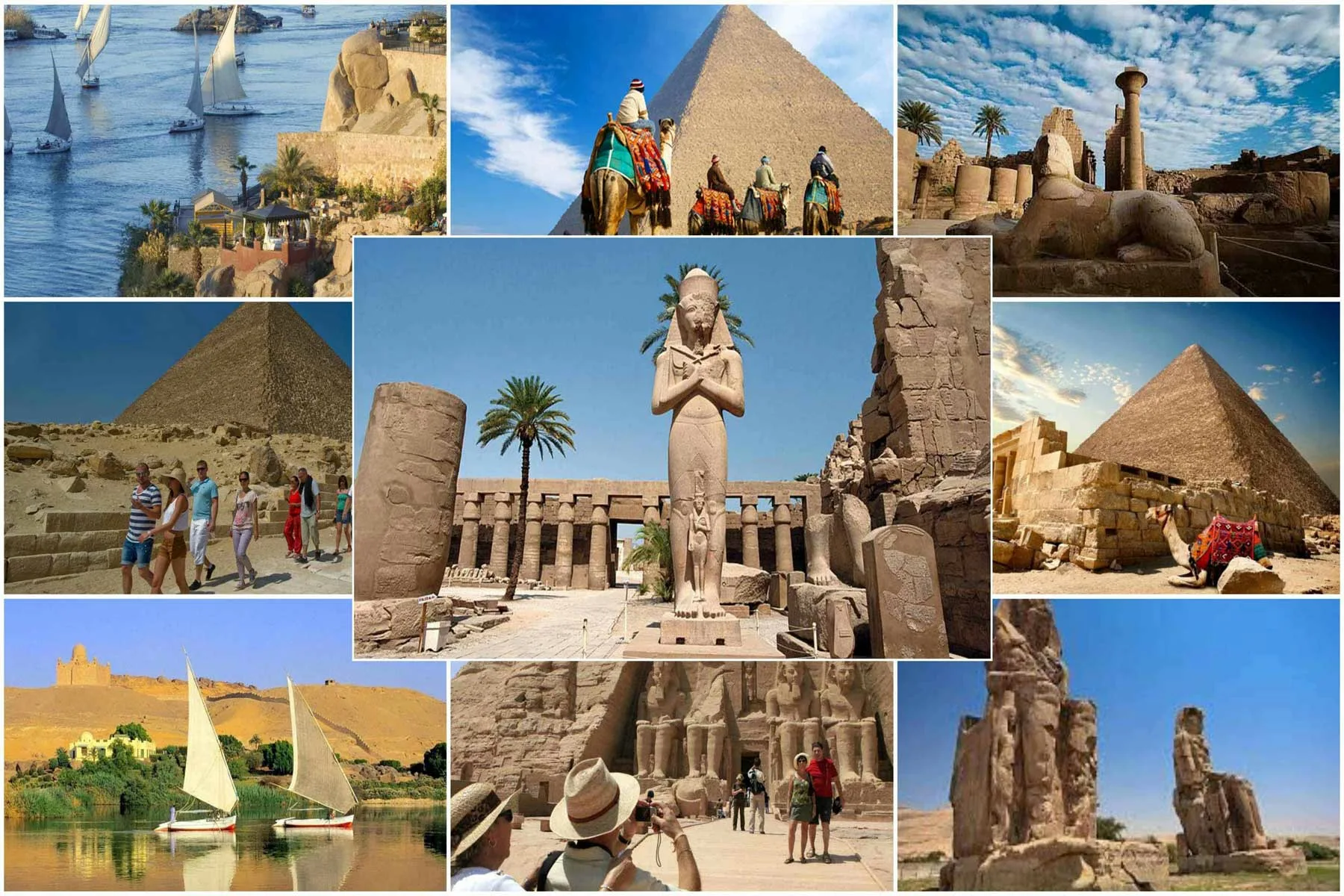
<p>What are the most famous historical sites in Egypt that tourists should visit?</p>

Egypt is home to numerous historical sites that attract millions of tourists each year:

  1. Cairo: Home to the Egyptian Museum and stunning Islamic architecture
  2. Giza: Famous for the Great Pyramids and the Sphinx
  3. Saqqara: Known for the Step Pyramid of Djoser
  4. Memphis: Once the capital, featuring a colossal statue of Ramses II
  5. Luxor: The world's greatest open-air museum with the Valley of the Kings
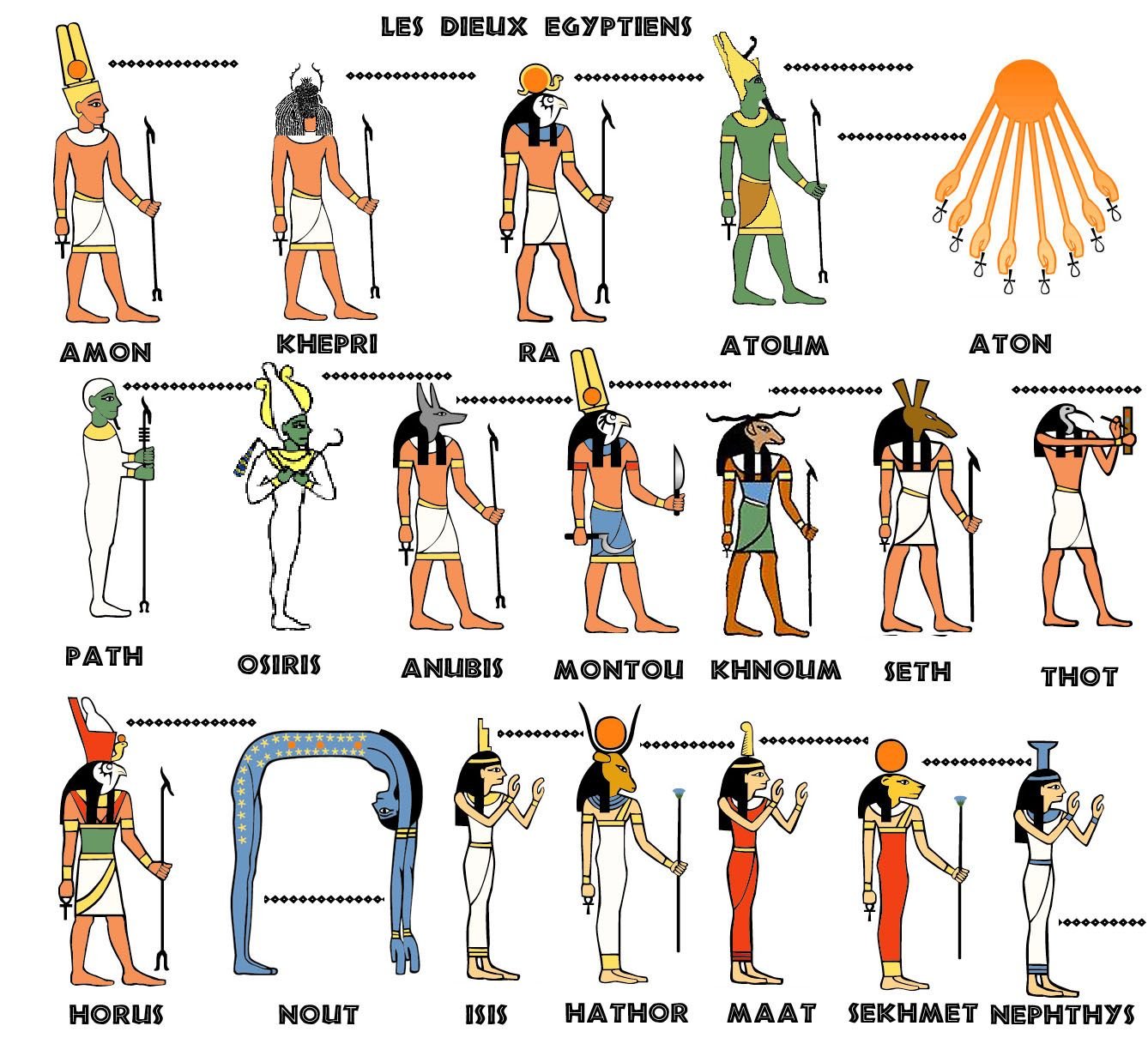
  6. Dendera: Famous for the Temple of Hathor
  7. Abydos: Houses the Temple of Seti I
  8. Aswan: Home to Philae Temple and the Aswan High Dam
  9. Edfu: Features the well-preserved Temple of Horus
  10. Kom Ombo: Unique double temple dedicated to Sobek and Horus
  11. Abu Simbel: Famous for colossal statues of Ramses II
  12. Alexandria: Founded by Alexander the Great
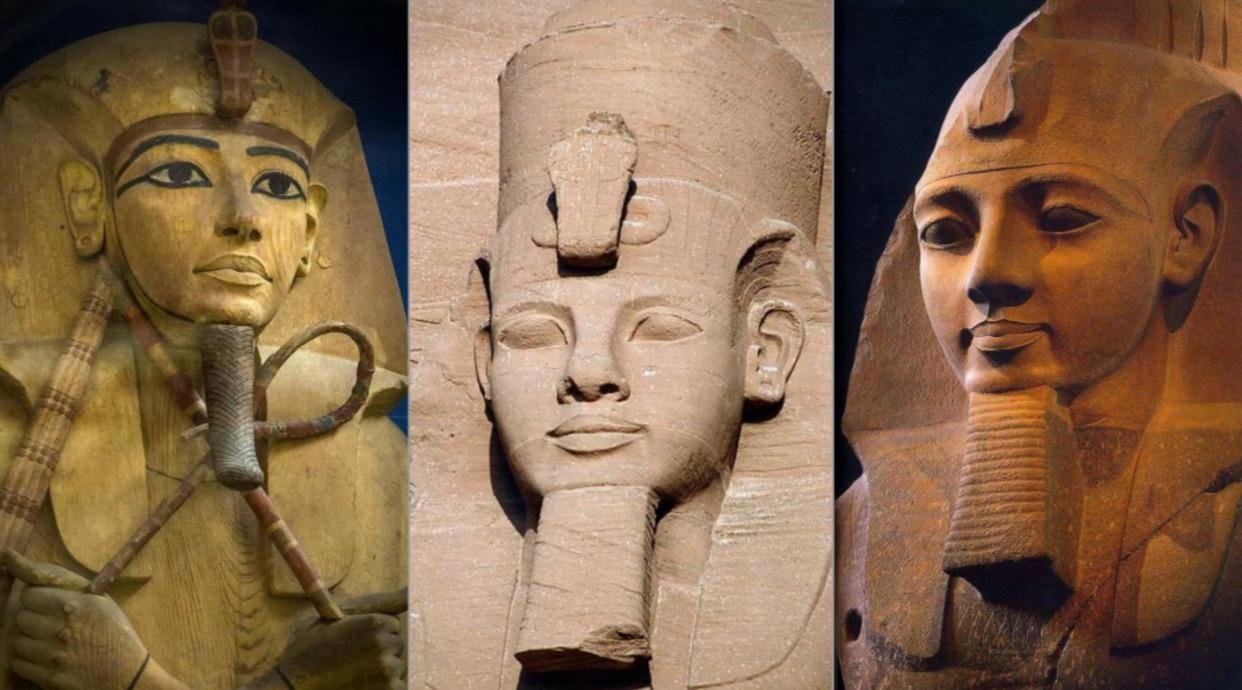
<p>Who are the ten most famous kings who ruled Egypt throughout history?</p>
  1. Narmer: The first pharaoh who unified Upper and Lower Egypt around 3100 BCE
  2. Djoser: Known for the Step Pyramid at Saqqara
  3. Khufu (Cheops): Builder of the Great Pyramid of Giza
  4. Hatshepsut: One of the few female pharaohs who expanded trade routes
  5. Thutmose III: Called the "Napoleon of Egypt" for his military conquests
  6. Ramses II: Known for his long reign and monumental constructions
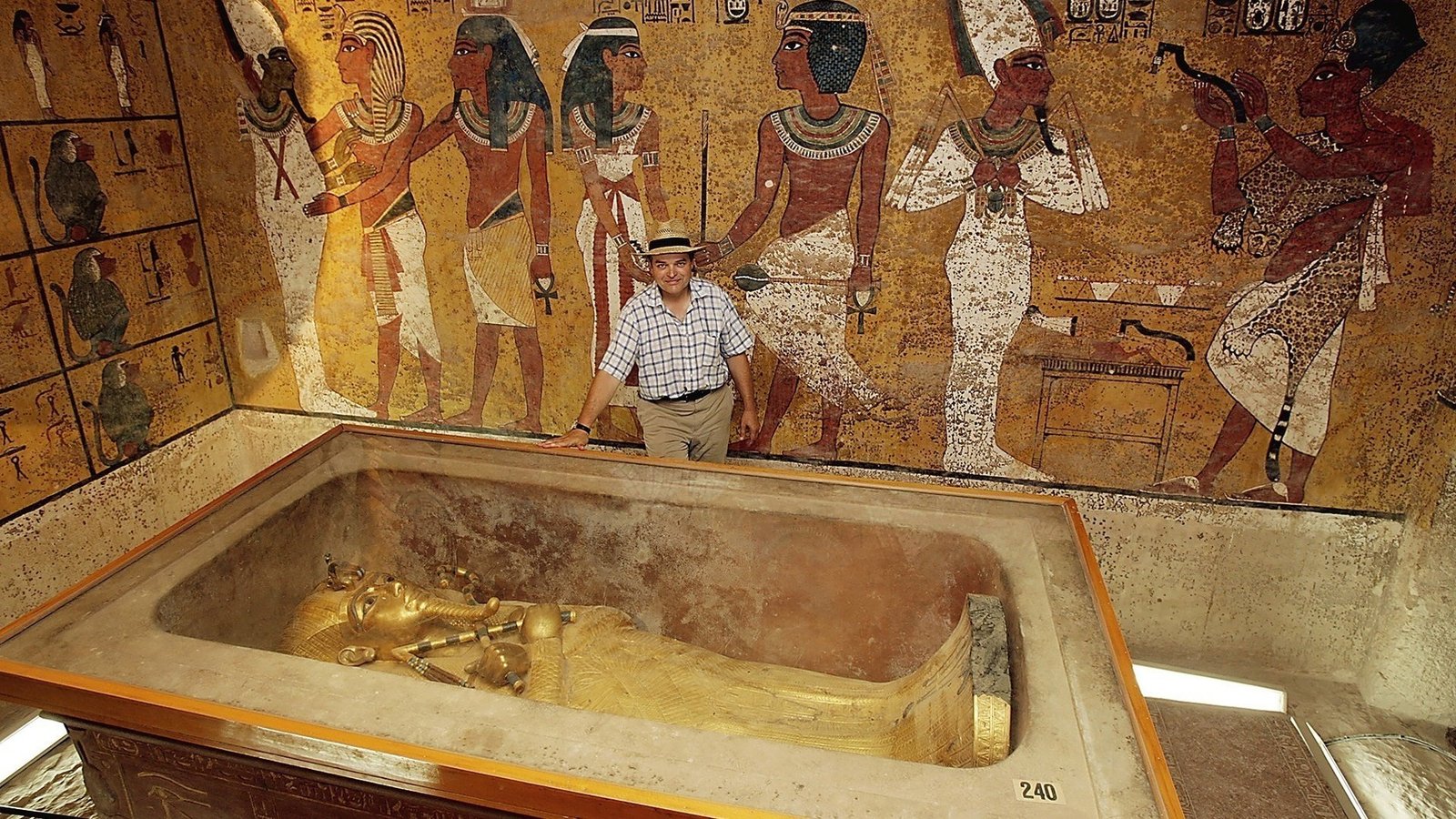
  7. Tutankhamun: Famous for his nearly intact tomb discovered in 1922
  8. Cleopatra VII: The last pharaoh of Egypt, known for her intelligence
  9. Seti I: Renowned for his military campaigns and temple at Abydos
  10. Akhenaten: Known for introducing monotheism with worship of Aten
<p>What factors contributed to the rise of Egyptian civilization?</p>
  1. The Nile River: Its annual flooding provided fertile soil essential for agriculture
  2. Geographical Location: Natural barriers like deserts protected Egypt from invasions
  3. Agricultural Innovations: Advances in irrigation and farming techniques enhanced crop production
  4. Centralized Government: Strong pharaonic authority unified the people and organized resources
  5. Trade Networks: Extensive trade routes facilitated cultural exchange and access to goods
  6. Religious Beliefs: Rich spiritual life and monumental temples fostered social cohesion
<p>What role did the Nile River play in the rise and development of Egyptian civilization?</p>

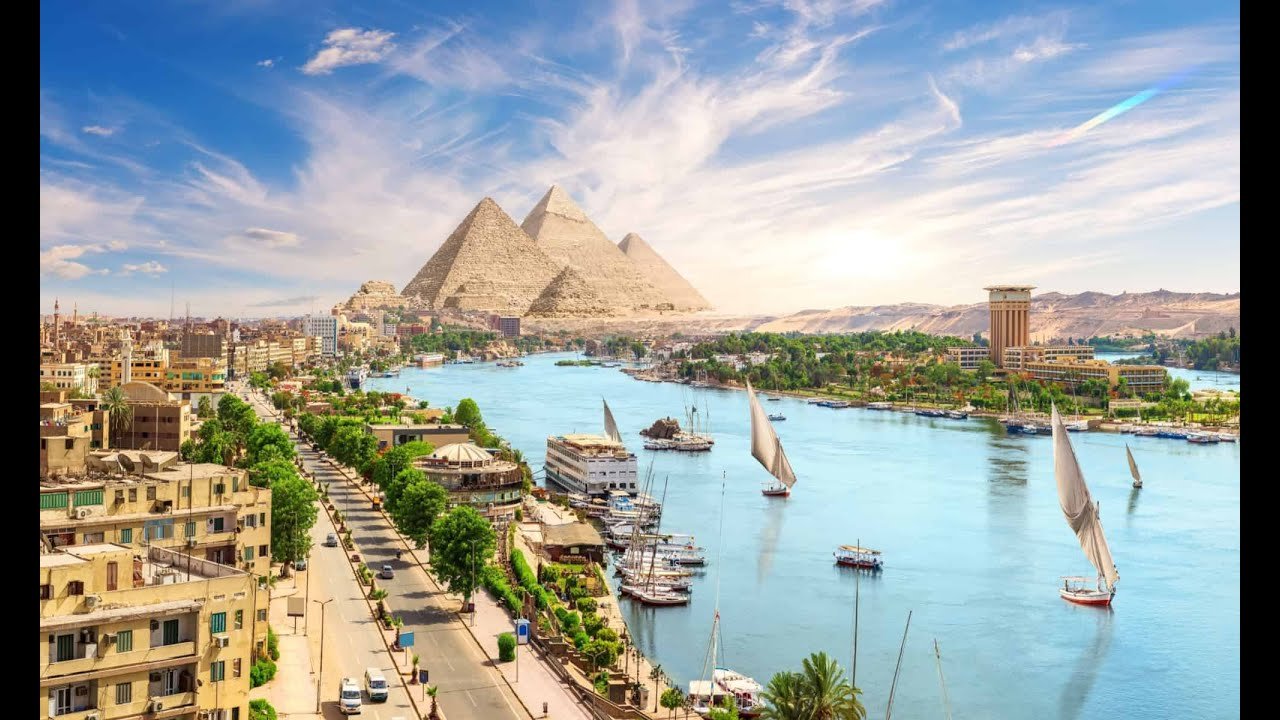
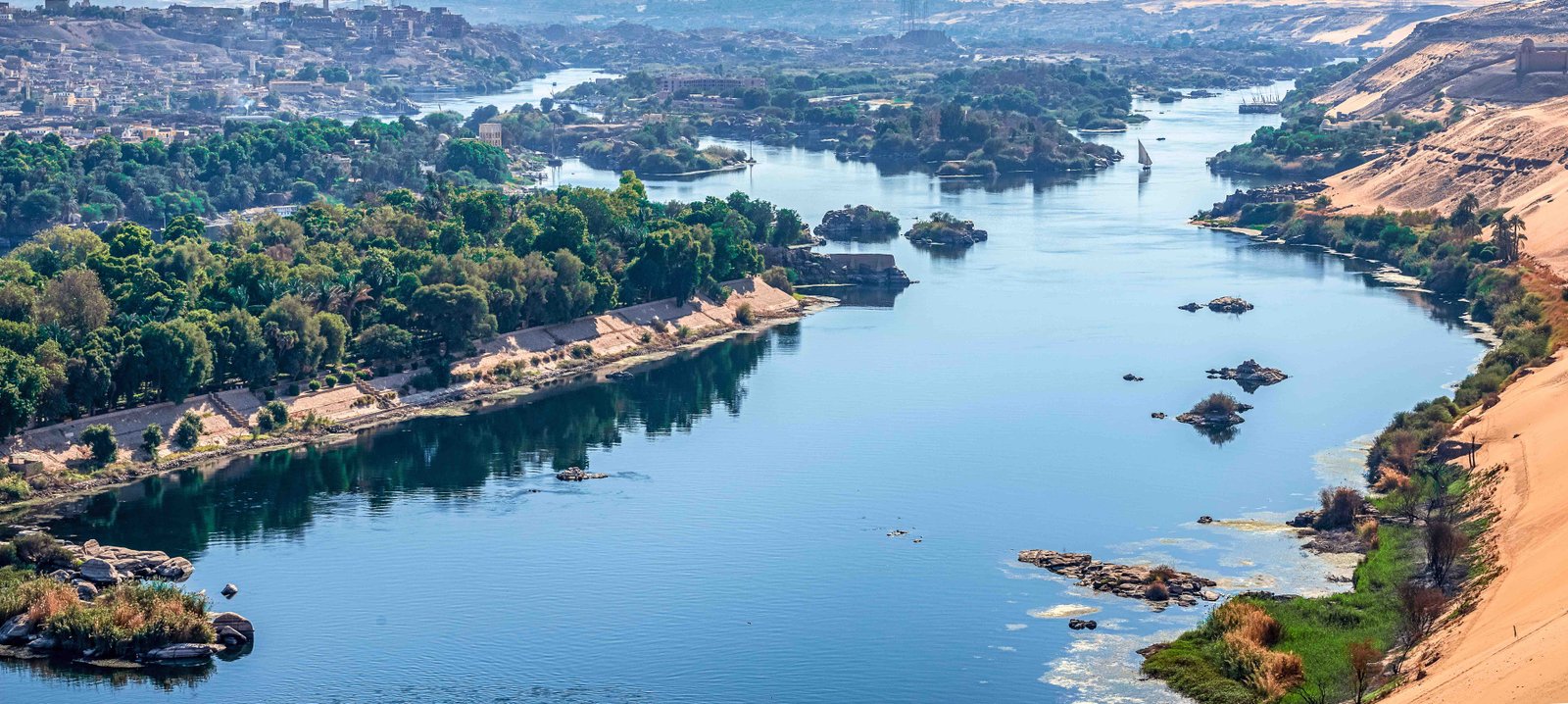
The Nile River was fundamental to the rise of Egyptian civilization. Its annual floods deposited nutrient-rich silt on the banks, creating fertile land ideal for agriculture. This agricultural abundance supported population growth and the establishment of stable communities. The river also served as a vital transportation route, facilitating trade and communication between different regions. Additionally, the Nile's predictable flooding cycle allowed the Egyptians to develop advanced agricultural techniques and calendars. Its significance in religious beliefs further tied the river to the culture, as it was often seen as a divine gift, reinforcing social cohesion and identity.

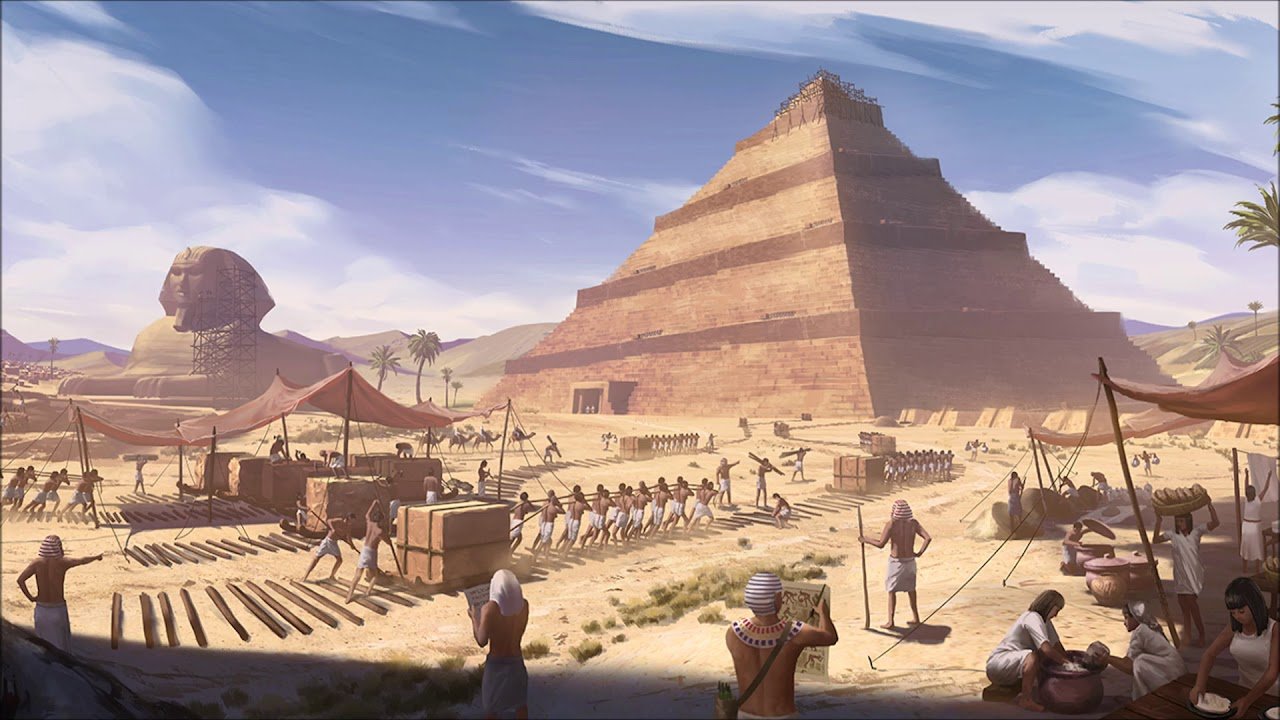
<p>Who were the real builders of the pyramids?</p>

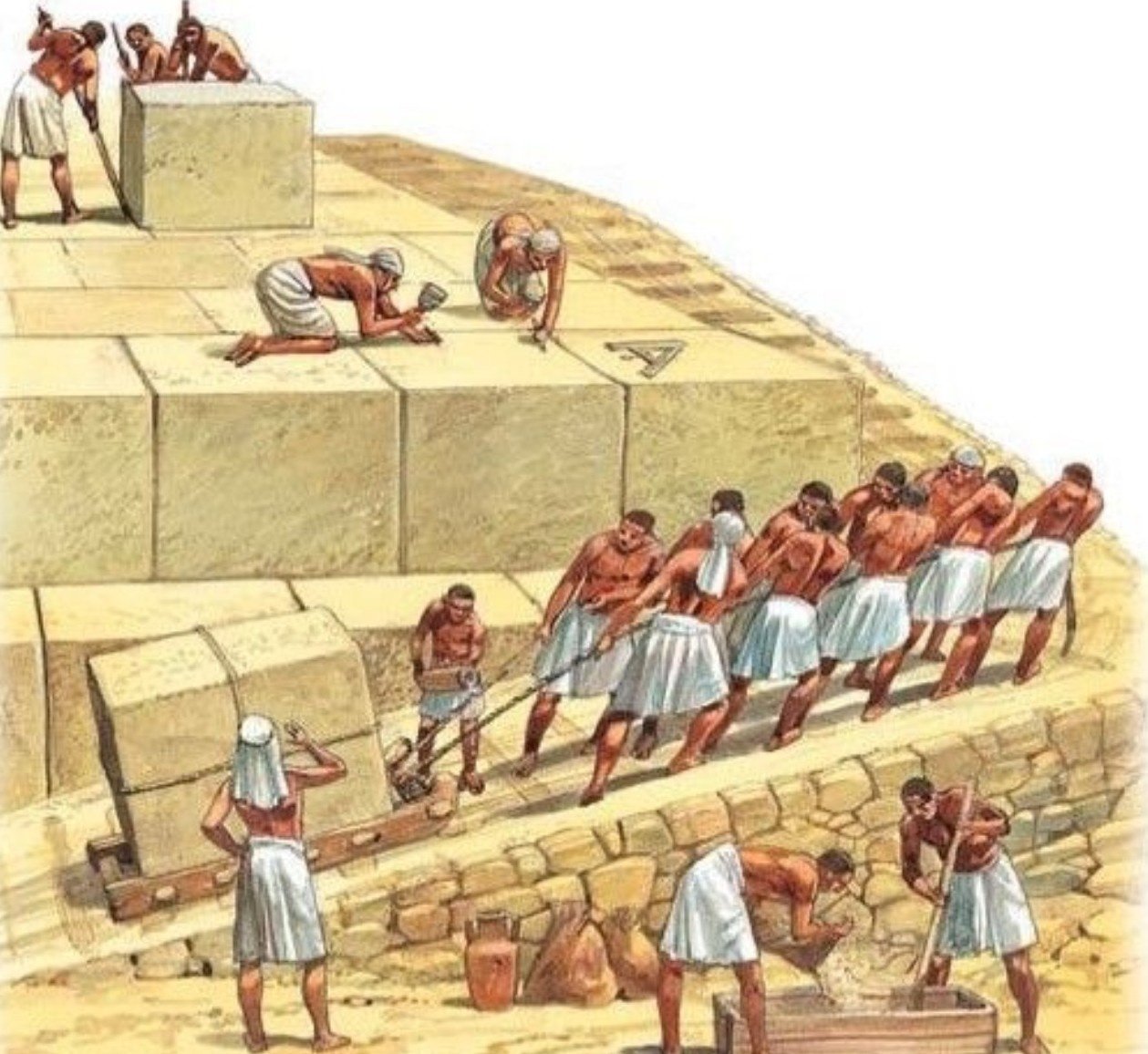
The question of who built the pyramids has been a subject of much speculation and debate for centuries. While there are many theories and myths surrounding the construction of these magnificent structures, the most widely accepted answer is that the ancient Egyptians, specifically the pharaohs and their workers, were responsible for their creation. The belief that aliens or other mysterious beings built the pyramids is a popular topic in science fiction and pseudoscience, but there is no concrete evidence to support these claims. The pyramids were constructed using advanced engineering techniques for their time, but these techniques were developed by the Egyptians themselves. Numerous archaeological discoveries and historical records provide compelling evidence that the pyramids were built as tombs for pharaohs during the Old Kingdom period.

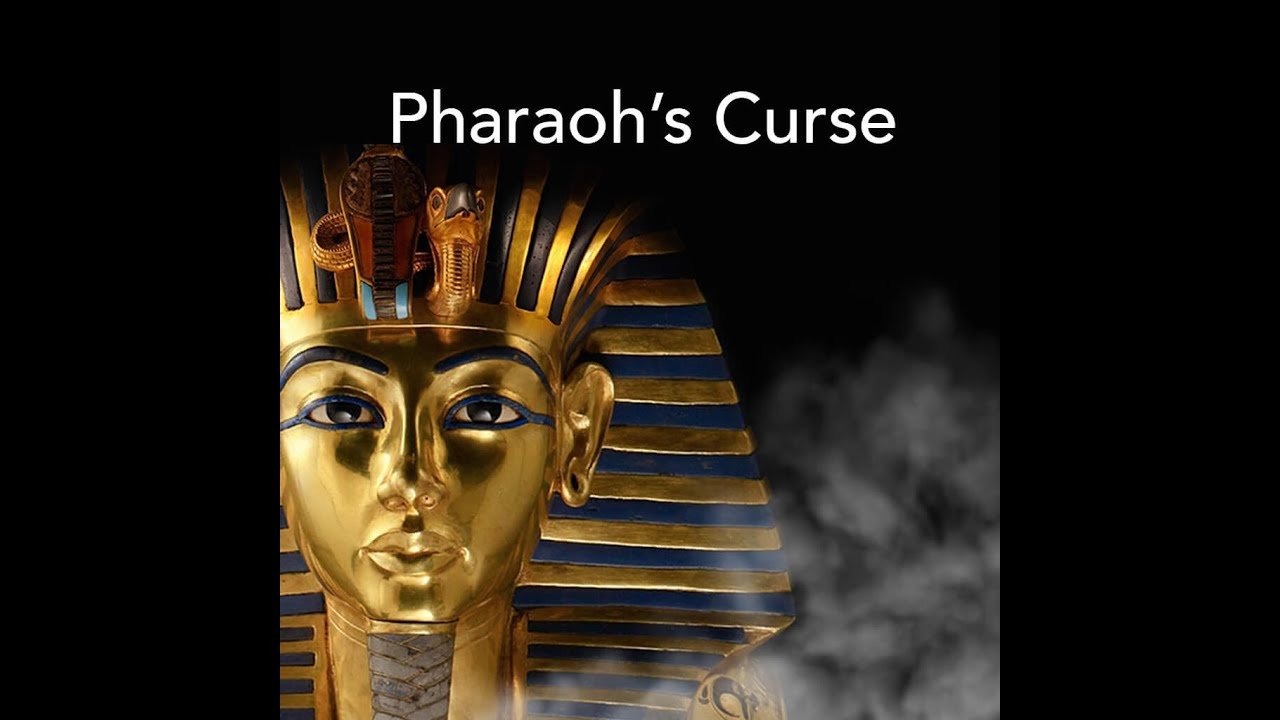
<p>Is the curse of the pharaohs real?</p>

The curse of the pharaohs is a popular belief, often associated with misfortune or death that befalls those who disturb ancient Egyptian tombs. This belief was especially popularized after the discovery of Tutankhamun's tomb in 1922. However, there is no scientific evidence to support the existence of such a curse. The deaths of some individuals involved in the discovery of Tutankhamun's tomb have been attributed to this curse, but these deaths can be explained by natural causes, such as illness or old age. Stories of the curse have been popularized in numerous books and films, including "The Mummy" series and Dan Brown's "The Pyramid." These works of fiction have helped to perpetuate the myth of the curse of the pharaohs.

<p>How and when did the ancient Egyptian civilization collapse?</p>

The decline of ancient Egypt was a gradual process influenced by various factors. While there's no single event that caused its collapse, several contributing factors played a role. Internal factors such as political instability, economic decline, and social unrest weakened the empire. External threats, including invasions from neighboring civilizations, also contributed to its downfall. The rise and fall of different dynasties and periods of foreign rule further destabilized the nation. The exact timeline of the collapse is debated among historians, but it's generally agreed that the New Kingdom, Egypt's most powerful period, began to decline around the 12th century BCE. The subsequent centuries saw a series of foreign invasions and internal struggles that eventually led to Egypt becoming a province of the Roman Empire in the 1st century BCE.

<p>How much gold was found in Tutankhamun's tomb?</p>

The discovery of Tutankhamun's tomb revealed a treasure trove of gold artifacts, making it one of the most significant archaeological finds of all time. While the exact total weight of the gold is difficult to determine due to the countless objects, it's estimated that several hundred kilograms were found. The most famous example is Tutankhamun's golden mask, weighing approximately 11 kilograms, and his solid gold coffin, which weighs over 110 kilograms. The value of this gold in today's market is immeasurable, as the historical and cultural significance of these artifacts far surpasses their monetary worth. These pieces offer invaluable insights into ancient Egyptian culture and craftsmanship.

<p>Which prophets lived in or visited Egypt?</p>

Egypt has been a significant location in the stories of many prophets:

  • Joseph: The biblical story describes his life in Egypt, where he rose to a position of great power
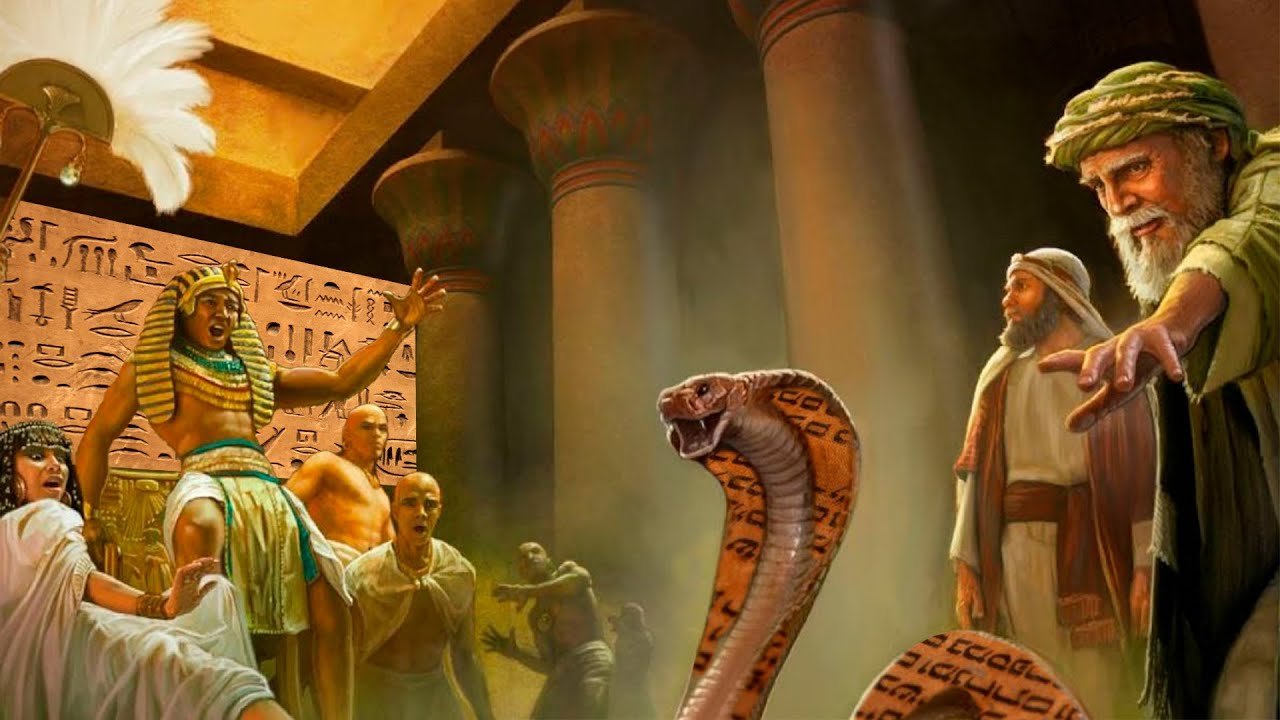
  • Moses and Aaron: Born into an Egyptian family, Moses and his brother Aaron led the Israelites out of Egypt
  • Joshua: A disciple of Moses, Joshua was born in Egypt and later led the Israelites into the Promised Land
  • Ishmael: The son of Abraham, Ishmael is believed to have lived in Egypt for a period
  • The Holy Family: According to Christian tradition, the infant Jesus, Mary, and Joseph sought refuge in Egypt to escape King Herod's persecution
Didn't find an answer to your question?

Contact us and we'll be happy to help you