Tourist Market Egypt
$ USD
$ USD USD Default
1 USD = 1.0000 USD
EUR EUR
1 USD = 0.8600 EUR
£ GBP British pound
1 USD = 0.7400 GBP
Filter by category:
<p>What are the general etiquette rules for hotel guests?</p>

1. General etiquette rules:

  • Be respectful of other guests and staff
  • Follow the hotel's rules and regulations
  • Tip appropriately for services rendered
  • Be mindful of your surroundings

2. At Reception Desk:

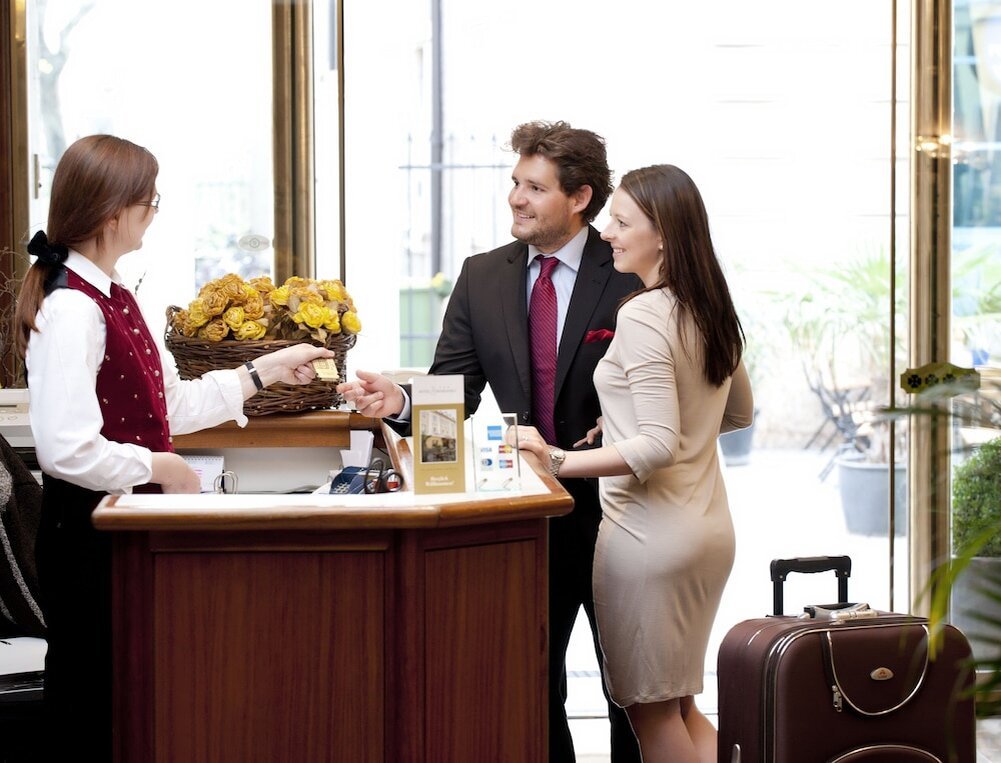
  • Greet the staff politely upon entering
  • Wait patiently for your turn; do not interrupt
  • Thank the staff for their assistance
  • Avoid arguing or raising your voice

3. In the Lobby:

  • Keep noise levels down to maintain a peaceful atmosphere
  • Be mindful of personal space
  • Use the designated seating areas
  • Avoid blocking walkways with luggage or personal items

4. In the Restaurant:

  • Dress appropriately as per the restaurant's dress code
  • Wait to be seated if there's a host
  • Use polite language when ordering and thank the staff
  • Be mindful of your table manners

5. At the Bar:

  • Wait your turn at the bar and don't push ahead
  • Order drinks politely and thank the bartender
  • Drink responsibly and be respectful to other patrons

6. In the Room:

  • Keep noise to a minimum, especially during late hours
  • Keep your room tidy and avoid disturbing housekeeping
  • Respect the privacy of housekeeping staff
  • Follow hotel rules regarding smoking or pets

7. At the Beach:

  • Clean up after yourself and dispose of trash properly
  • Respect personal space and avoid crowding others
  • Be courteous when playing games or setting up equipment
  • Avoid loud music

8. At the Pool:

  • Follow posted rules regarding pool usage
  • Keep noise levels down and avoid disruptive behavior
  • Share pool space respectfully with other guests
  • Avoid splashing water on others

9. In the Gym:

  • Wipe down equipment after use
  • Be considerate of others waiting for machines or weights
  • Keep conversations quiet to maintain a focused atmosphere

10. At the Disco:

  • Dress appropriately and respect the venue's policies
  • Be polite to staff and fellow guests
  • Respect personal space on the dance floor

By following these etiquette rules, guests can contribute to a pleasant environment for themselves and others during their hotel stay.
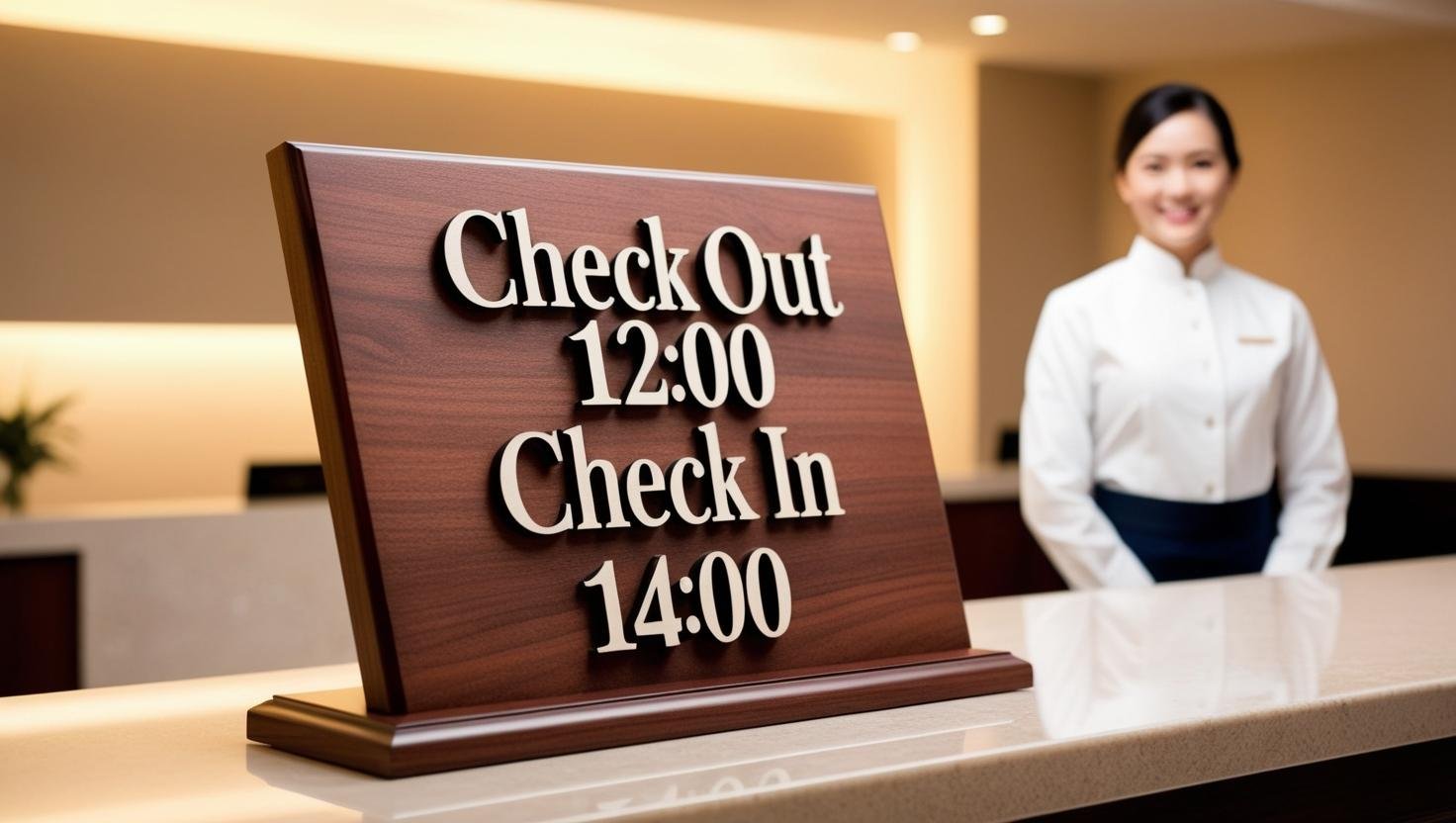
<p>Why is the typical hotel check-out time at 12 PM and check-in time at 2 PM?</p>

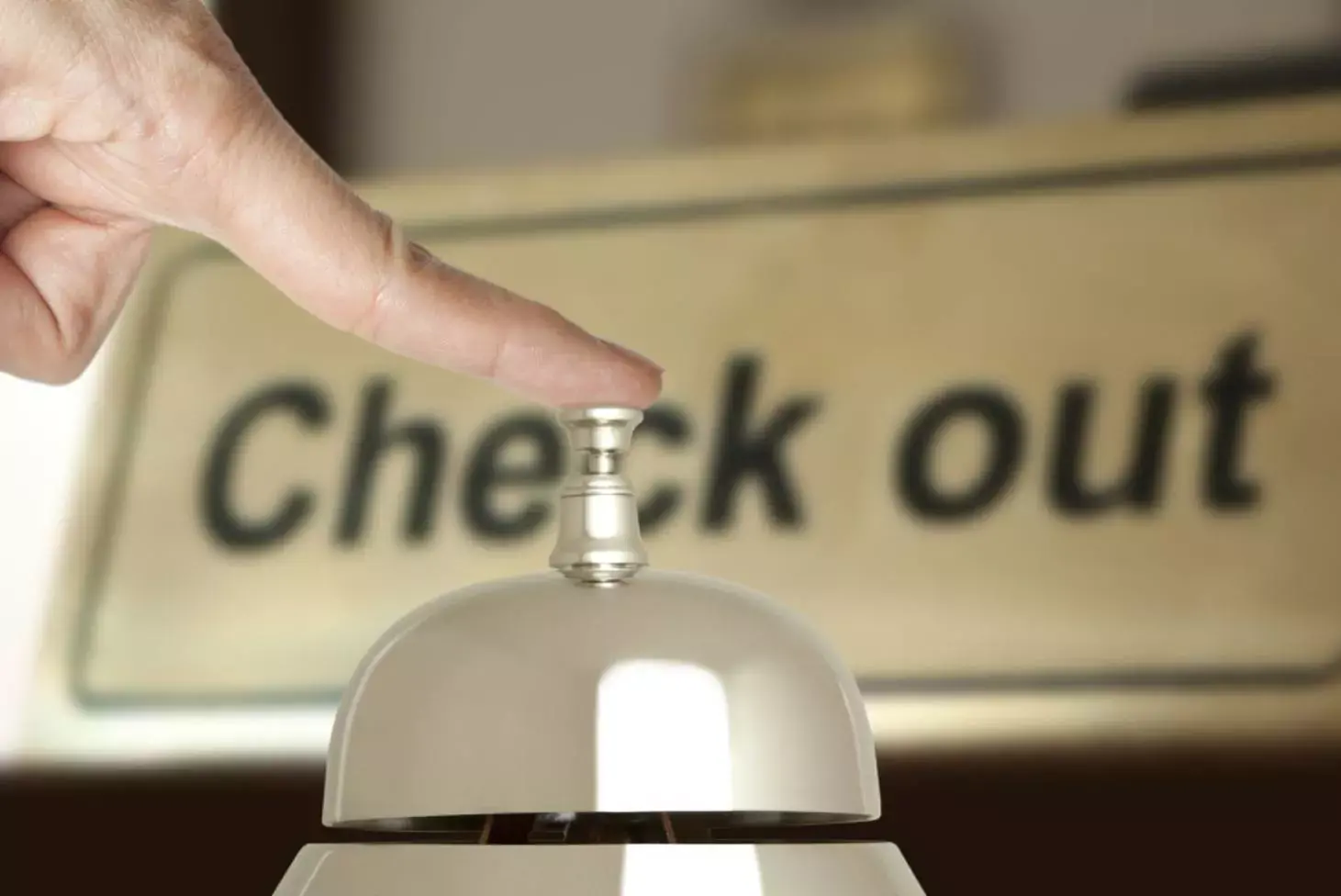
The standard check-out time at 12 PM and check-in time at 2 PM allows hotels sufficient time to prepare and clean rooms for incoming guests, especially in fully booked hotels. This two-hour window ensures that housekeeping can effectively prepare the room for new arrivals. If there are available rooms before 12 PM, hotels may offer early check-in for a fee, depending on their policies. Sometimes, they provide this service for free as a gesture of hospitality to enhance the guest experience. This system helps maintain smooth operations and high standards of cleanliness.

<p><strong>How can the tourist get a good room in a hotel?</strong></p>

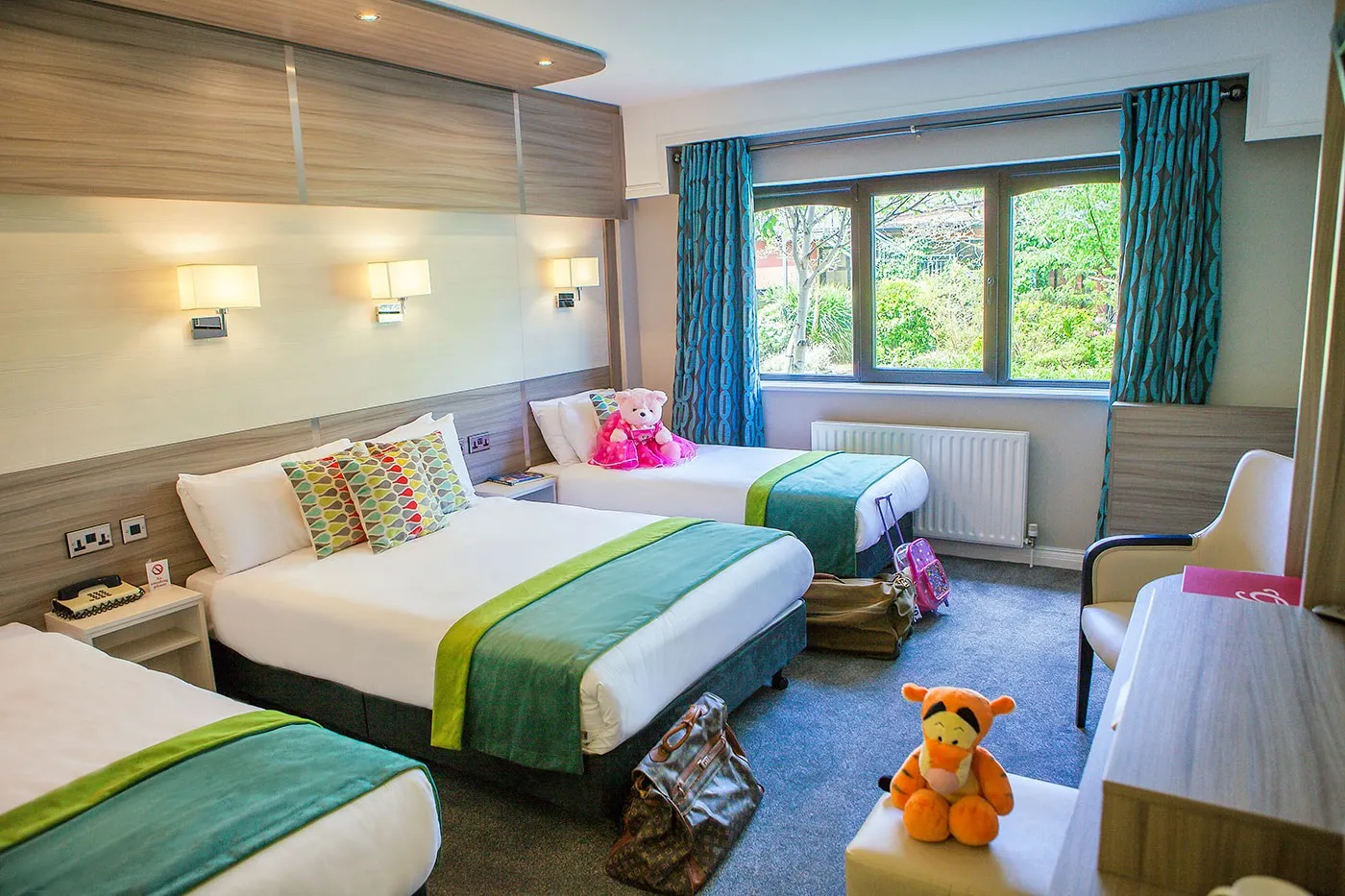
Getting a good hotel room often depends on how you communicate and plan before arrival. One effective method is to contact the hotel directly after booking—visit the official website and write to the Guest Relations department, explaining your reservation details and what you prefer. For example, you can request a room on a specific floor, in a certain building, or near friends or family who are staying in the same hotel. Guest Relations usually coordinate with the Reservations and Front Desk teams to prepare your room according to your wishes.  


If you couldn’t reach them in advance, you can still improve your chances during check-in. Approach the receptionist politely and with a smile—friendliness often helps staff find a better room for you. A small tip can also increase the likelihood of receiving a more comfortable or upgraded room.  


If you find your assigned room unsatisfactory, calmly ask the Front Desk Manager to show you another option. Hotels generally aim to satisfy guests and maintain good reviews, so they’ll try to help.  


In short, direct communication, courtesy, and a positive attitude are key to securing a pleasant stay.  


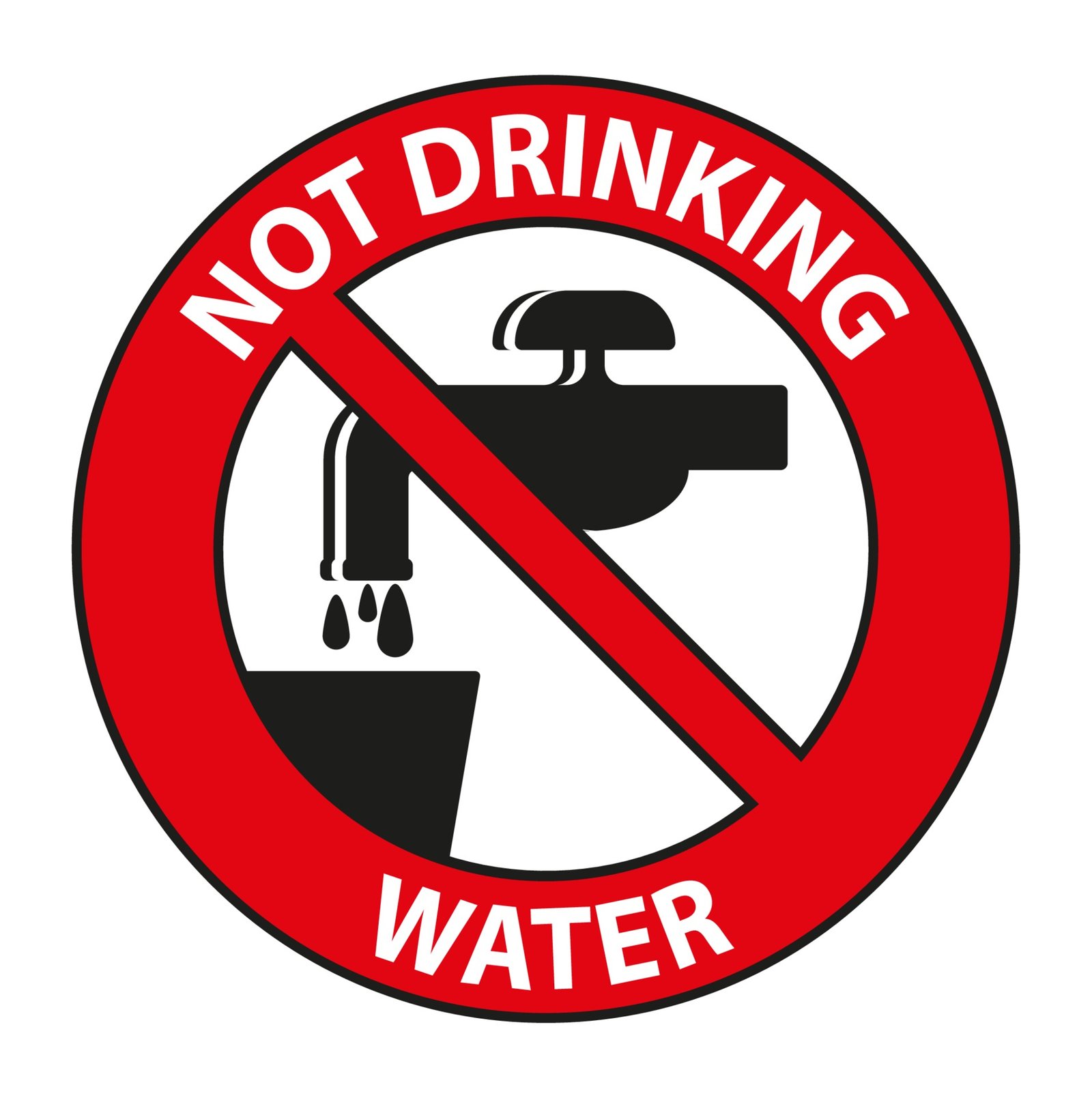
<p>Why is it prohibited to drink tap water in hotels?</p>

Drinking tap water in hotels, especially in places like Hurghada, is discouraged due to safety concerns. The freshwater supplied in Hurghada comes from the Nile River, transported through metal pipes across long desert distances. These pipes are challenging to clean and maintain regularly, which can lead to contamination. Additionally, the water is stored in large tanks for extended periods, potentially affecting its quality. For these reasons, it is advised not to drink tap water, nor should it be used for brushing teeth or washing fruits and vegetables. It is only safe for bathing purposes.

<p>How can you protect your money and valuable belongings from theft while on vacation?</p>

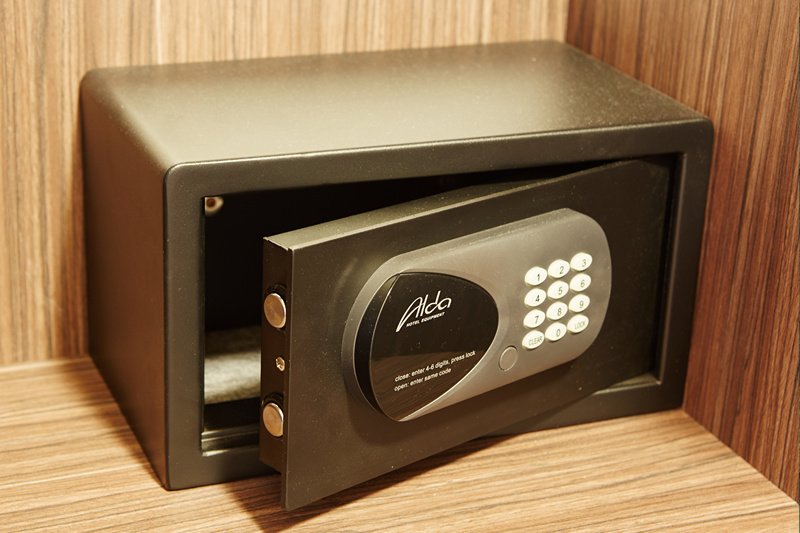
To keep your money and valuables safe during your vacation, it's important to use the hotel safe, which most hotels provide for free, either in your room or at the reception. As soon as you check into your room, set a personal password for the safe. If you encounter any issues accessing it, report the problem to the reception, not housekeeping. It's also wise to make a list of all items stored in the safe and, if possible, take photos of any cash. Before leaving your room, always double-check that the safe is locked properly and consider wiping any fingerprints from the buttons. Taking these precautions will help ensure your belongings remain secure.

<p><strong>What safety factors should tourists always follow when swimming in the sea?</strong></p>
  • Wear water shoes. They protect your feet from rocks and coral. You can usually find them in souvenir shops, and they aren't expensive—just $5 to $8.
  • Never swim alone. Always keep someone close within visible distance.
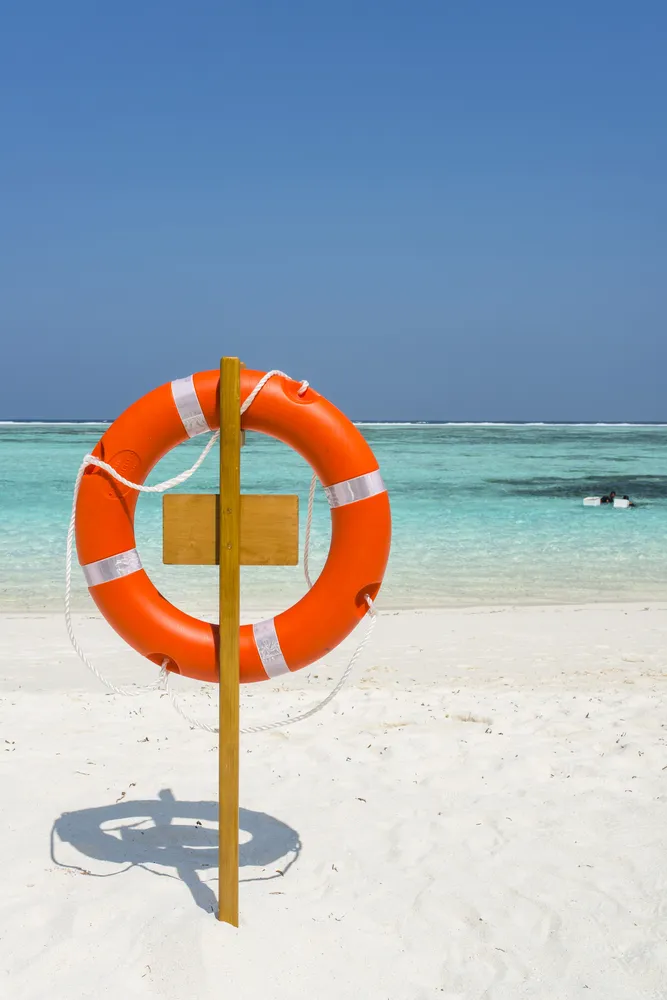
  • Stay inside the designated swimming zone. Hotels mark it with floating barriers.
  • Do not touch or approach marine life. Respect their space.
  • Follow the official swimming hours. Usually from 7:00 a.m. to 6:00 p.m. Lifeguards are on duty during this time.
  • Take a freshwater shower after swimming. Salt left on the skin can cause burns when sunbathing.
  • Check weather conditions before entering the water. Avoid swimming during strong winds or currents.
  • Use sunscreen regularly. Reapply after swimming to prevent skin damage.Keep hydrated. Drink water before and after swimming.
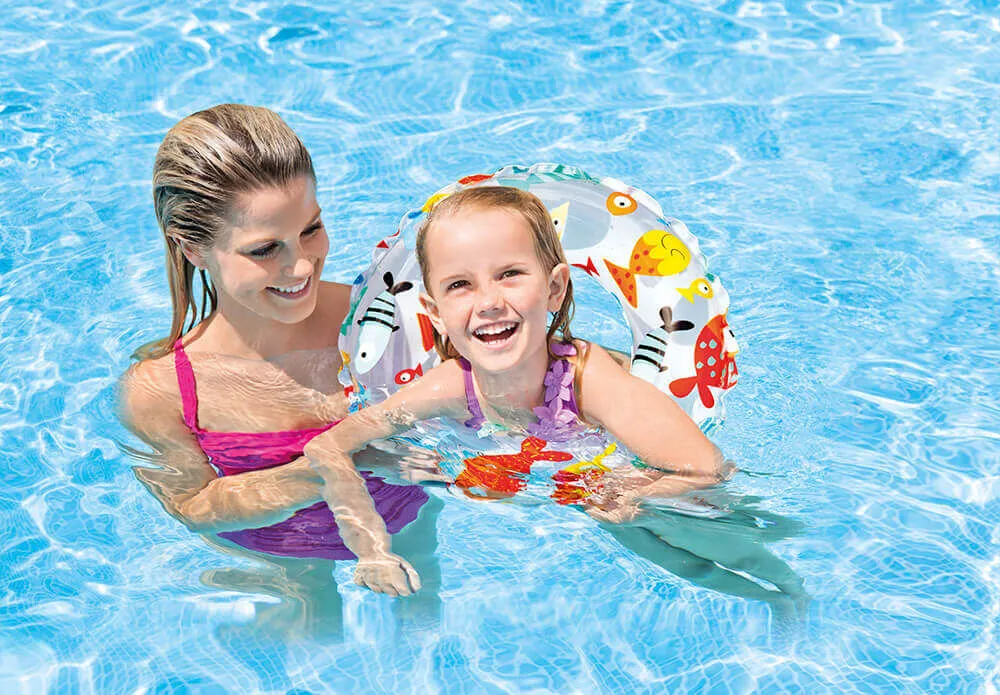
  • Supervise children closely. Ensure they wear flotation devices if needed.
  • Avoid alcohol before swimming. It reduces awareness and reaction time.
  • Respect local rules and lifeguard instructions. They are designed for your safety.
  • Enter the water slowly. Sudden immersion can shock the body.
  • Know your limits. Do not swim too far or in deep areas if you are not experienced.
<p><strong>What safety factors should tourists always follow when swimming in a hotel pool?</strong></p>
  • Be careful not to let pool water enter your mouth or swallow it. It contains cleaning chemicals such as chlorine in high amounts.
  • Take a freshwater shower after swimming. This prevents skin irritation before sunbathing.
  • Follow the official swimming hours set by the hotel. Lifeguards are usually present only during these times.
  • Supervise children closely. Pools can be dangerous without constant attention.
  • Avoid running near the pool. Wet surfaces are slippery and cause accidents.
  • Use proper swimwear. It helps maintain hygiene and comfort.
  • Do not dive in shallow areas. Always check depth before jumping.
  • Keep food and drinks away from the pool. This reduces contamination and keeps the area clean.
  • Respect lifeguard instructions. They are trained to protect guests.
  • Avoid swimming after heavy meals or alcohol. Both reduce awareness and increase risk.
  • Use sunscreen even at the pool. Water reflects sunlight and increases exposure.
  • Stay hydrated with bottled water. Heat and swimming can cause dehydration.
  • Report any issues such as broken tiles or slippery steps to hotel staff.
<p><strong><em>What safety factors should tourists always follow when staying in a hotel room?</em></strong></p>
  • Lock doors and windows: Always secure the main door with the latch and check balcony doors or windows.
  • Use the hotel safe: Keep passports, money, and electronics inside the safe instead of leaving them in the room.
  • Maintain hygiene: Wash hands often and sanitize after touching shared surfaces like remotes, handles, or switches.
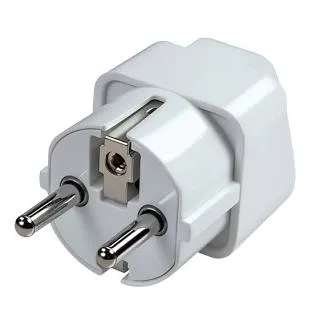
  • Check electrical appliances: Avoid overloading sockets with multiple chargers and report faulty devices.
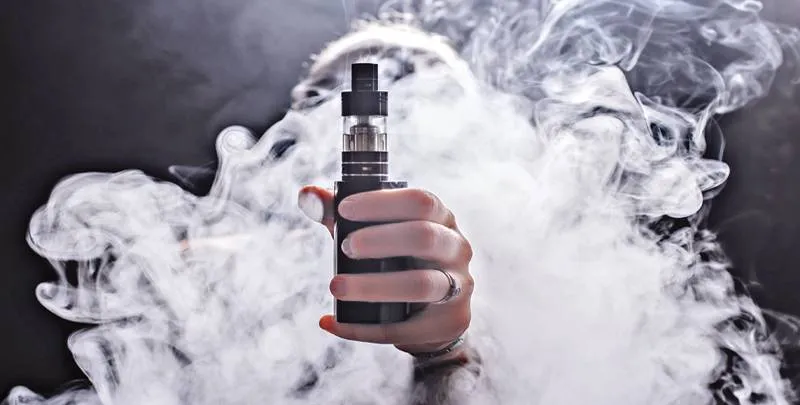
  • Avoid smoking indoors: Prevent fire hazards and respect hotel policies.
  • Monitor minibar items: Ensure food and drinks are fresh and properly stored.
  • Ensure ventilation: Use air conditioning or open windows safely to avoid humidity and discomfort.
  • Report issues promptly: Broken locks, leaks, or damaged furniture should be reported immediately.
  • Supervise children: Keep them away from balconies, sharp edges, and electrical outlets.
  • Know emergency exits: Familiarize yourself with evacuation routes and keep the hotel’s contact number handy.
  • Replace lost key card: If you lose your electronic room key, go directly to reception, cancel the old code, and request a new card to prevent unauthorized access.
  • Keep room number private: Avoid telling strangers your room number; this reduces risks of theft or unwanted attention.
  • Do a room sweep before checkout: Experienced travelers recommend checking all drawers, closets, outlets, and under the bed to avoid leaving valuables behind.


<p>Why is swimming prohibited in the sea and hotel swimming pools after sunset?</p>

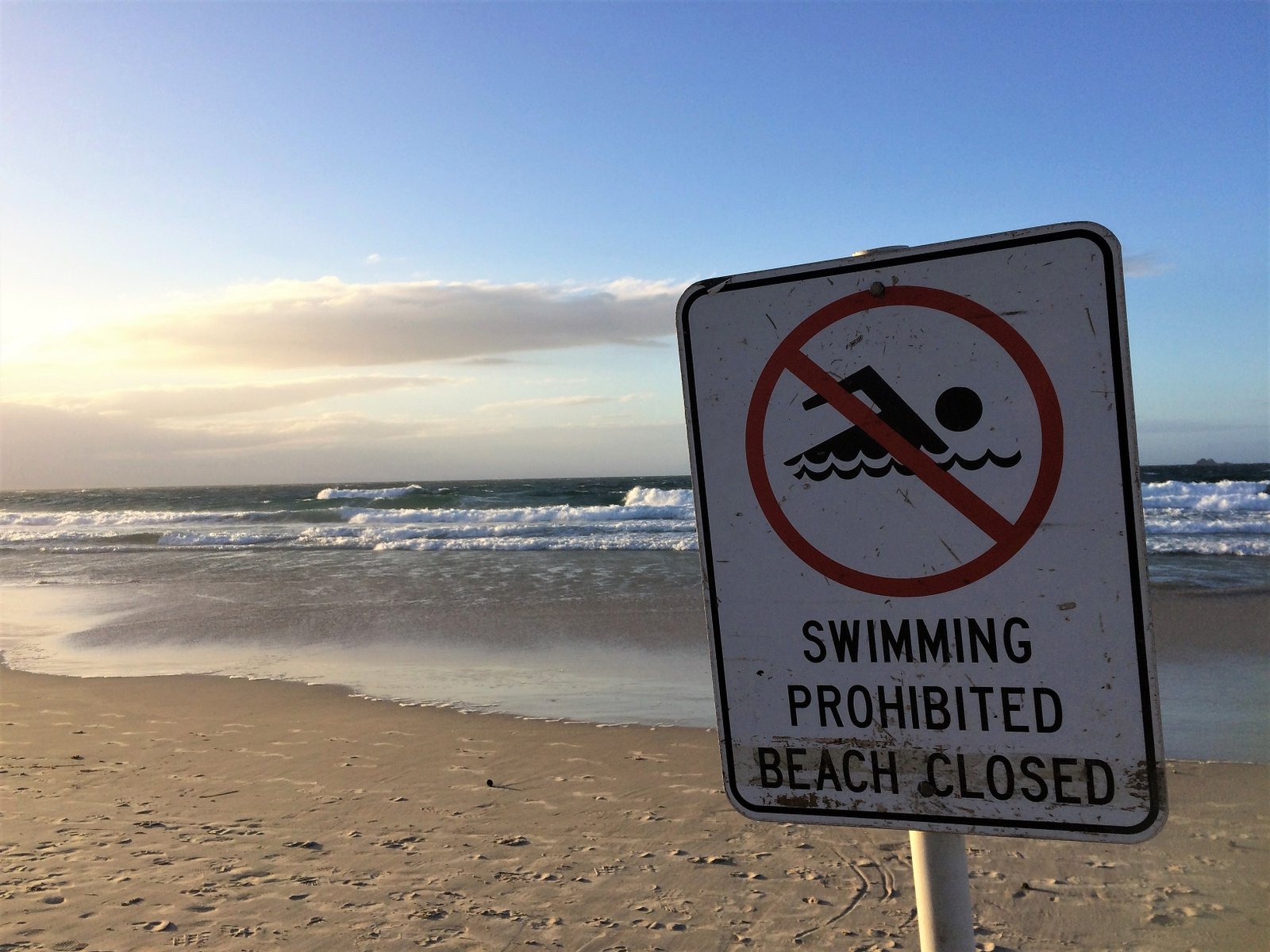
Swimming is prohibited in the sea after sunset mainly due to safety concerns. At night, certain marine creatures become active, and swimming in darkness can pose risks to swimmers. These creatures may be dangerous, and visibility is significantly reduced, making it hard to see potential hazards. In hotel swimming pools, swimming is restricted after sunset because chemicals, such as chlorine, are often added to the water at night. These chemicals can be harmful to the skin if swimmers are exposed to them before they properly dissolve and interact with the water. Overall, swimming is banned in both settings during the evening for safety reasons, particularly due to the absence of lifeguards who are typically on duty during the day to respond to emergencies.

<p><strong><em>How can tourists politely avoid the disturbance of marketing sellers at a hotel beach without embarrassing them, while still enjoying their time peacefully?</em></strong></p>

Friendly refusal: Smile and say “No, thank you” in a calm tone. A polite but firm response discourages further offers without causing offense.

Body language cues: Avoid prolonged eye contact and keep your focus on the sea or your book. Marketing sellers often interpret attention as interest.

Use hotel zones: Many resorts have designated guest‑only areas where sellers are restricted. Staying within these zones reduces interruptions.

Seek staff support: If a seller persists, discreetly inform beach staff or lifeguards. Hotels usually have policies to protect guest comfort.

Timing strategy: Sellers are most active midday. Early morning or late afternoon hours are quieter and more relaxing.

Distraction method: Wearing headphones and sunglasses signals that you are not available for conversation, while also protecting your eyes from the sun.

Respectful engagement: If approached, acknowledge the seller briefly before returning to your activity. This shows respect while ending the interaction.

Learn local phrases: Simple expressions in the local language, like “No, thank you” or “I’m fine,” are effective and appreciated.

Stay consistent: Repeating the same polite refusal each time avoids confusion and sets clear boundaries.

Red flag signal: Most hotels provide a red flag at the towel station. Placing it in the sand beside you, according to hotel rules, means marketing sellers are not allowed to approach or speak to you.

Balance enjoyment: Focus on the beach experience—sun, sea, and relaxation—rather than the interruptions, keeping your mood positive.

<p>What are the circumstances under which a hotel has the right to terminate a guest's stay and request them to leave?</p>

A hotel cannot evict a guest as long as they adhere to the terms of the contract, comply with the hotel's regulations, and do not engage in any legal violations according to the laws of the country where the hotel is located. Therefore, a guest has the right to stay in the hotel for as long as they wish, provided they pay for their accommodation. However, the hotel may terminate a guest's stay in the following circumstances:

  1. Intoxication: If a guest is intoxicated to the extent that they lose control and begin to disturb other guests
  2. Physical Altercations: In cases of physical fights between guests that threaten the safety and security of others
  3. Verbal Harassment: If a guest repeatedly engages in verbal harassment towards other guests
  4. Property Damage: If a guest intentionally causes damage to hotel property

In all cases, the hotel must call the tourism police and prepare an official report documenting the situation that necessitates the eviction decision.

Didn't find an answer to your question?

Contact us and we'll be happy to help you