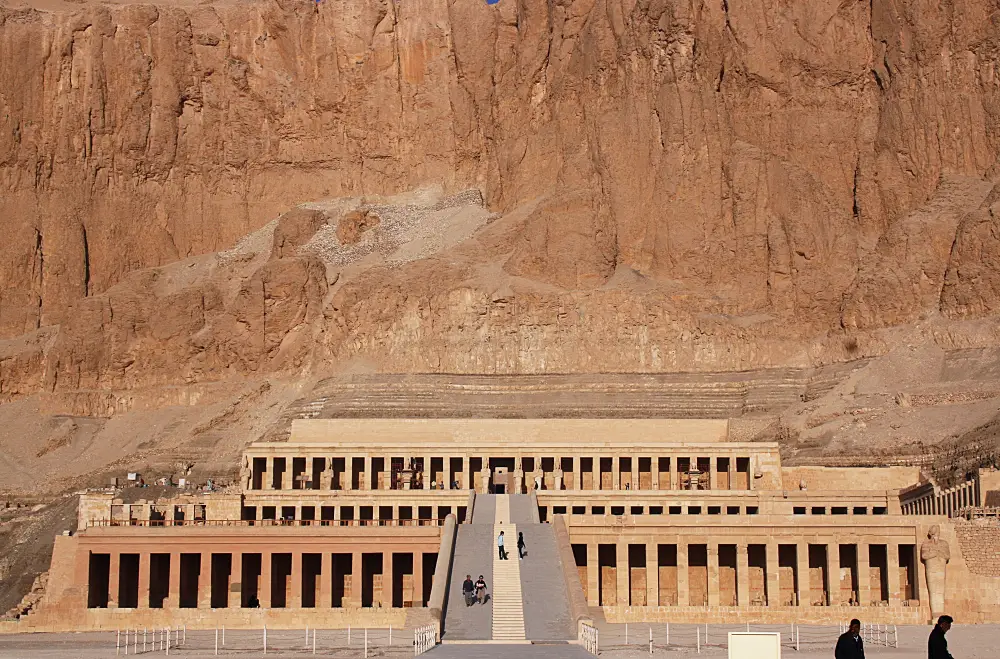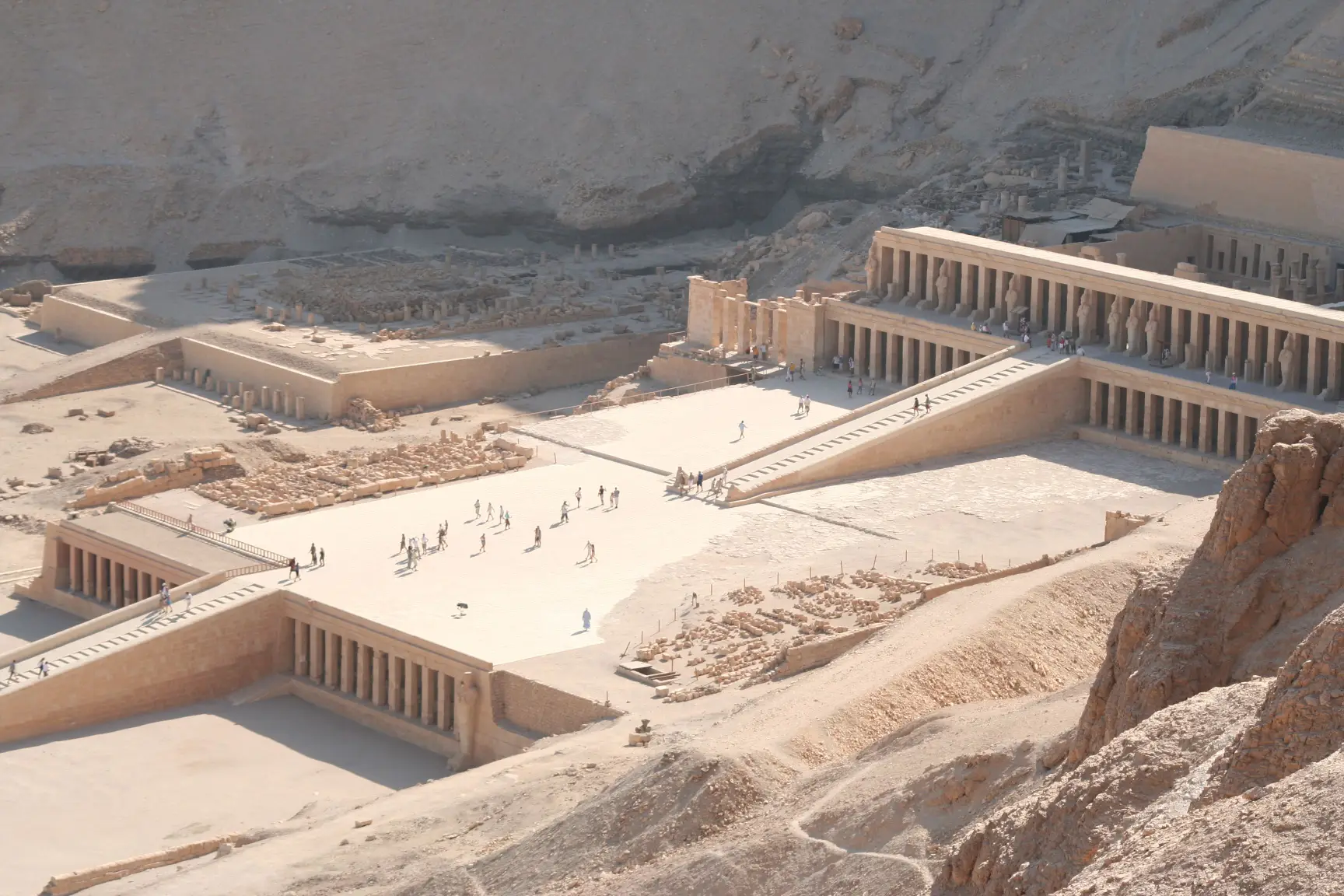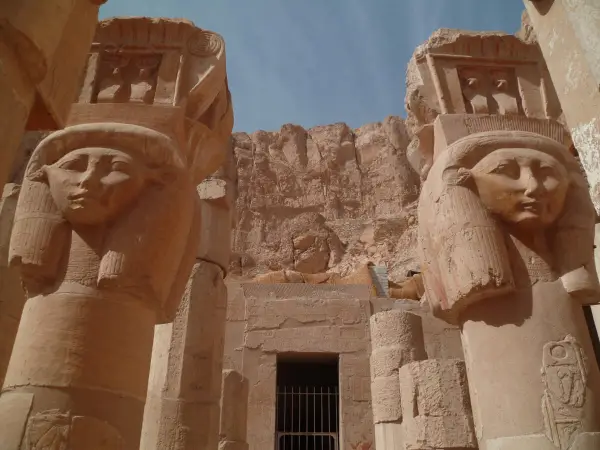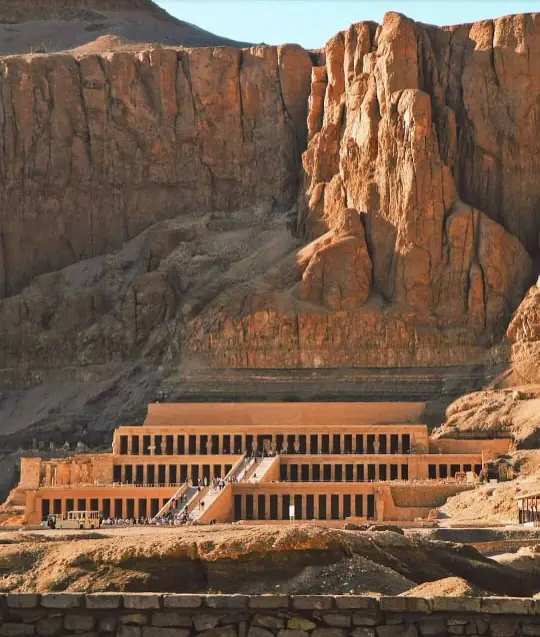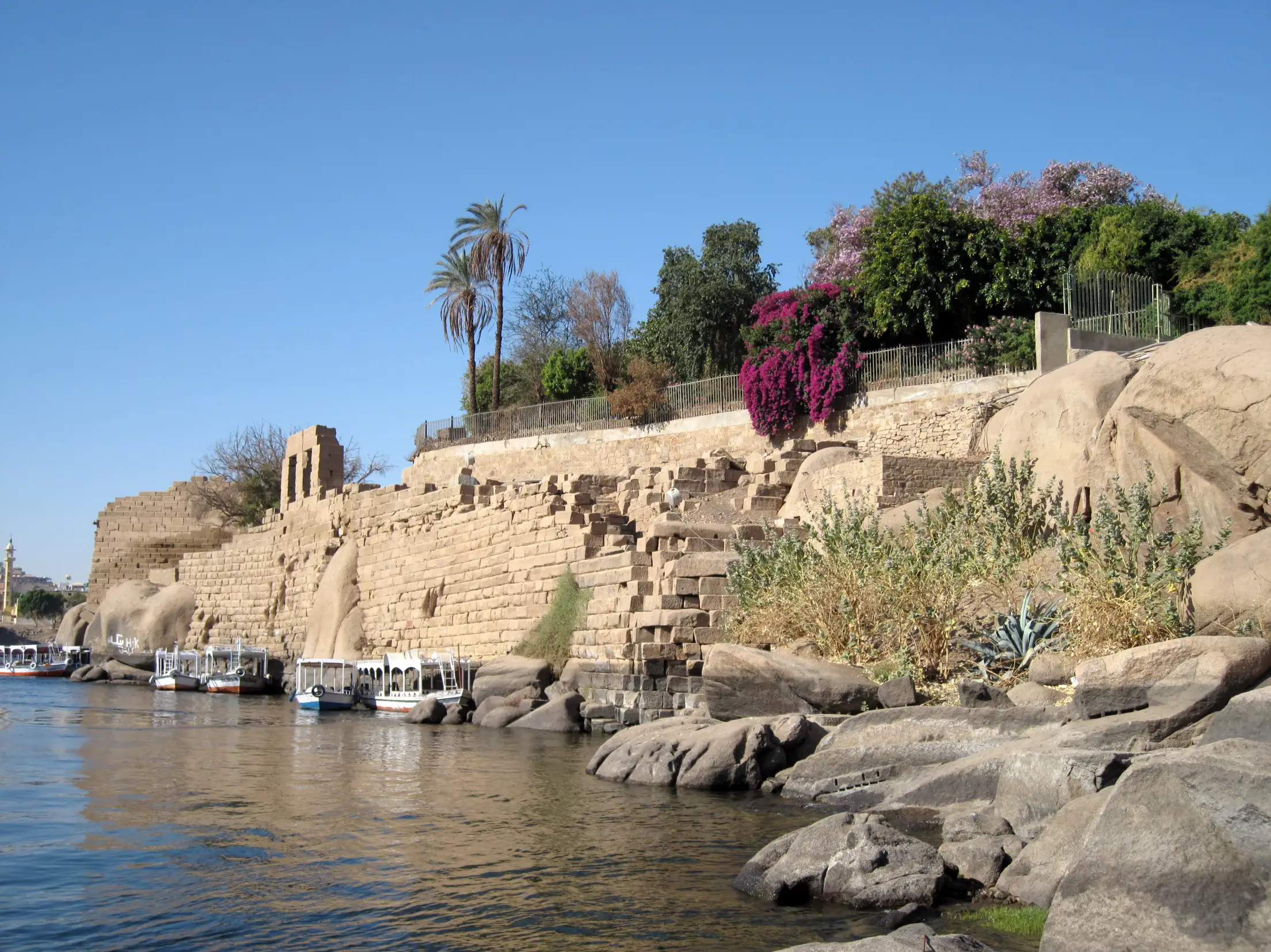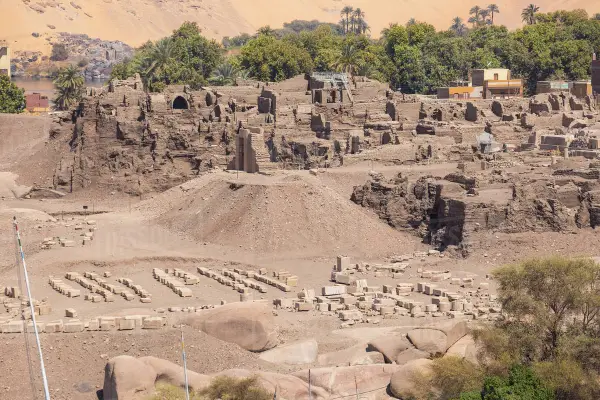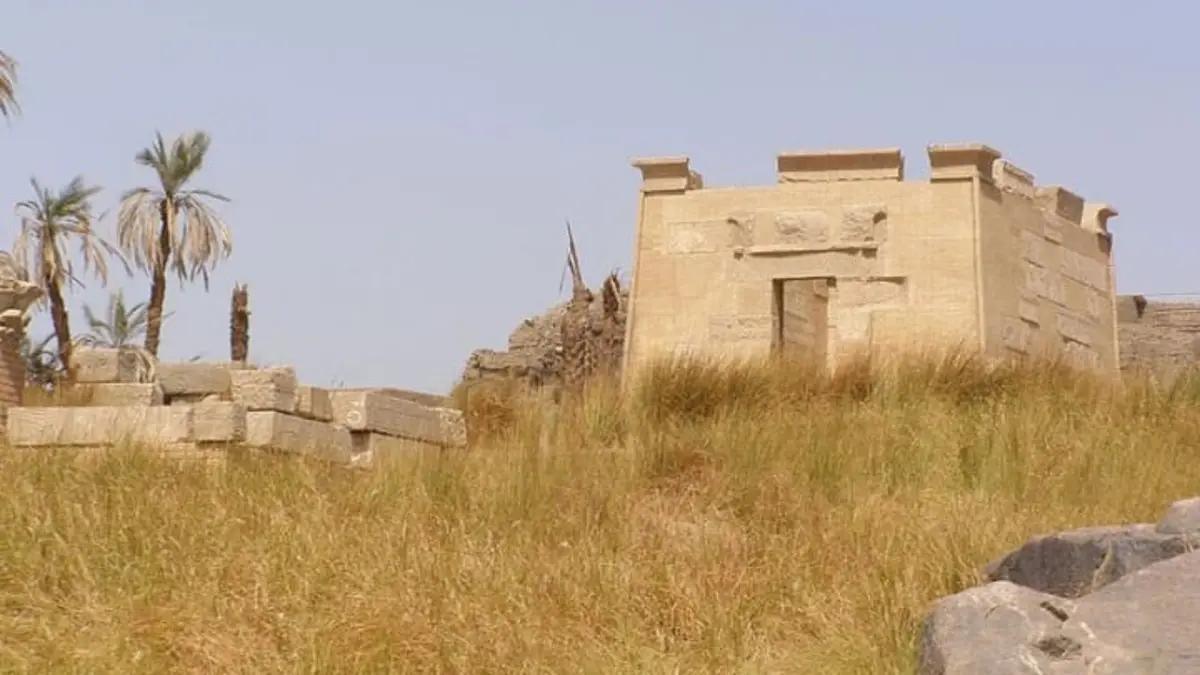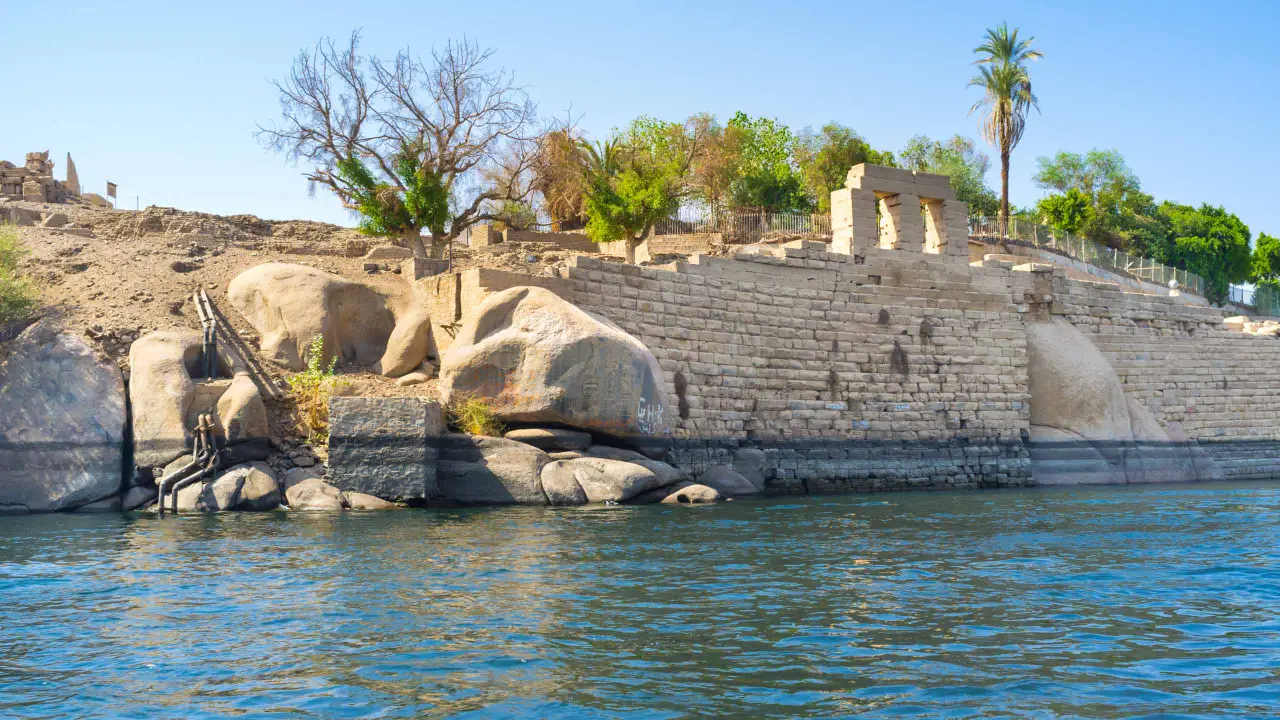
The archaeological site of El-Kab, located on the east bank of the Nile River in Upper Egypt, is a hidden gem with significant historical value. El-Kab is one of the most important and oldest continuously inhabited cities in Ancient Egypt, with a history dating back to the prehistoric period. The...
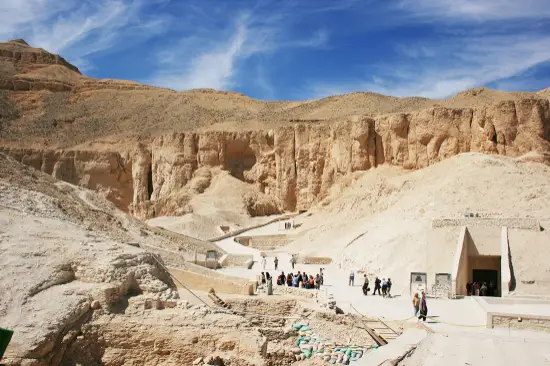
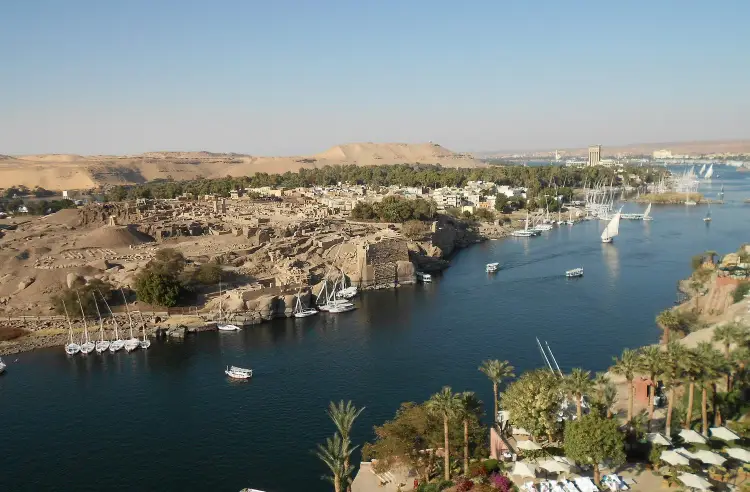
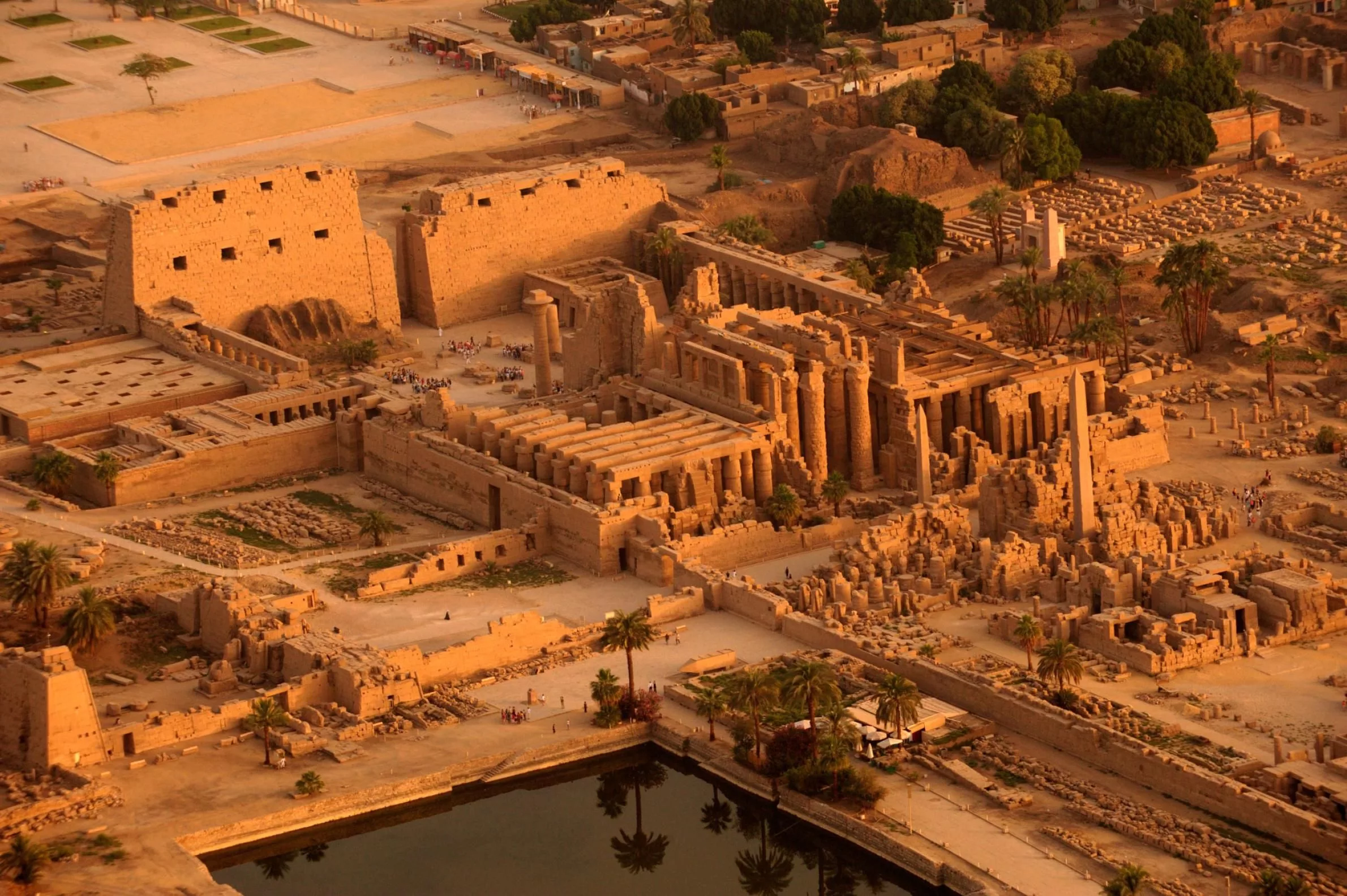
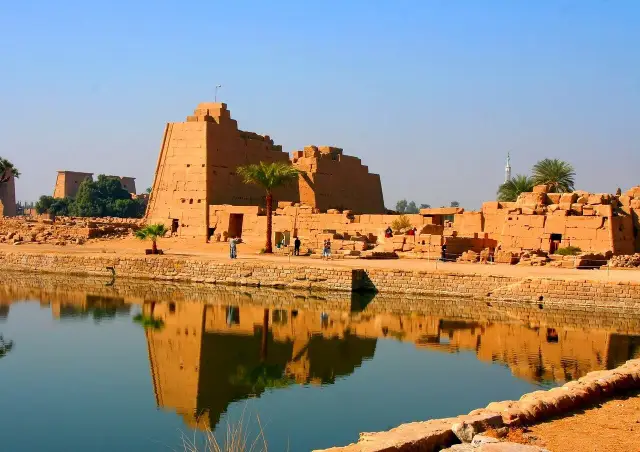
The archaeological site of El-Kab, located on the east bank of the Nile River in Upper Egypt, is a hidden gem with significant historical value. El-Kab is one of the most important and oldest continuously inhabited cities in Ancient Egypt, with a history dating back to the prehistoric period. The site was once known as Nekheb in ancient times and served as the capital of the third nome (province) of Upper Egypt. It was the first capital in upper Egypt before the unification of northern and southern.
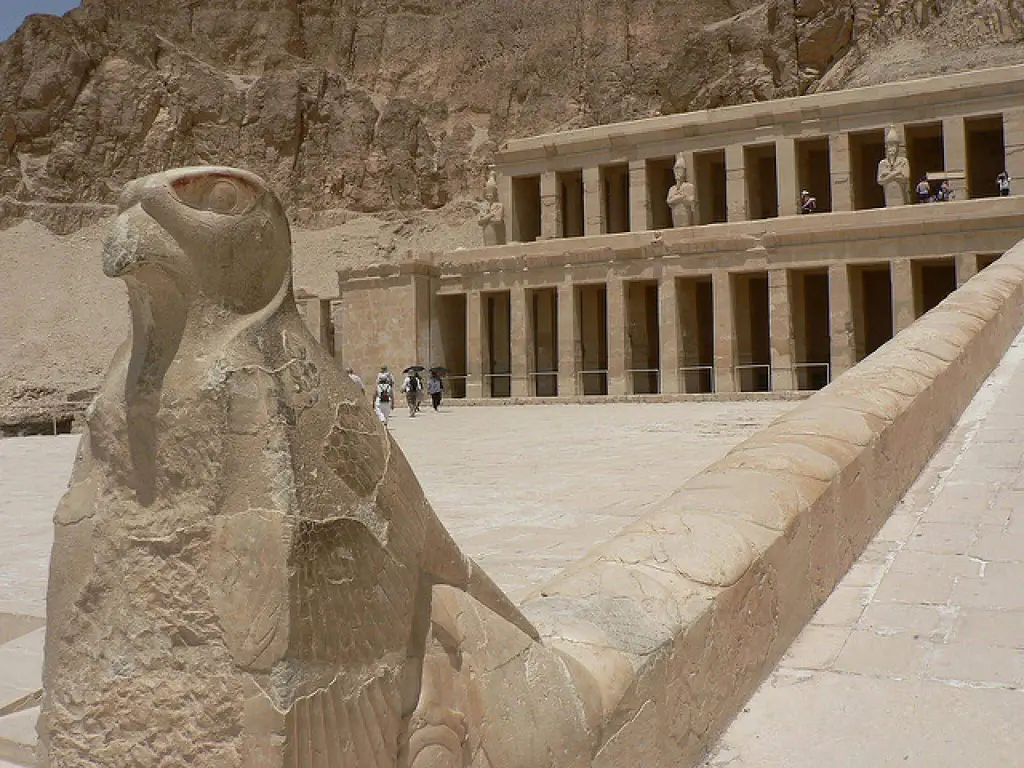
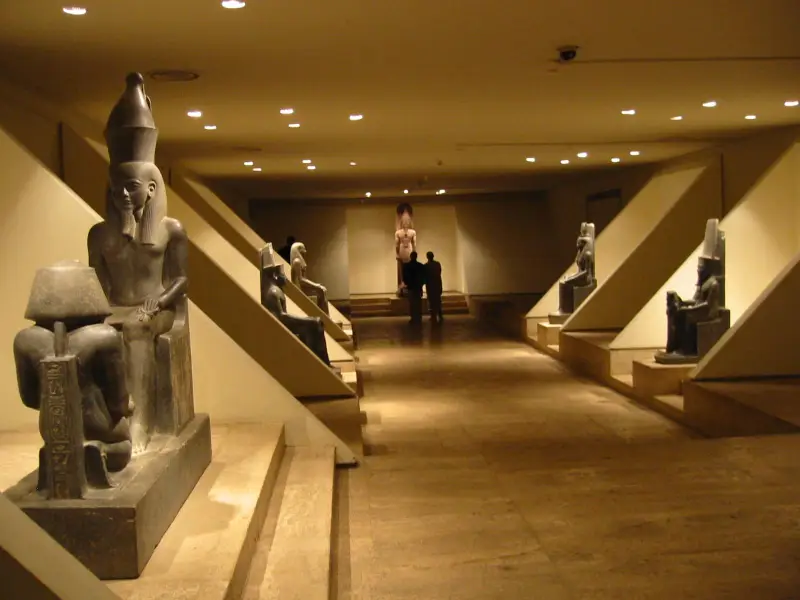
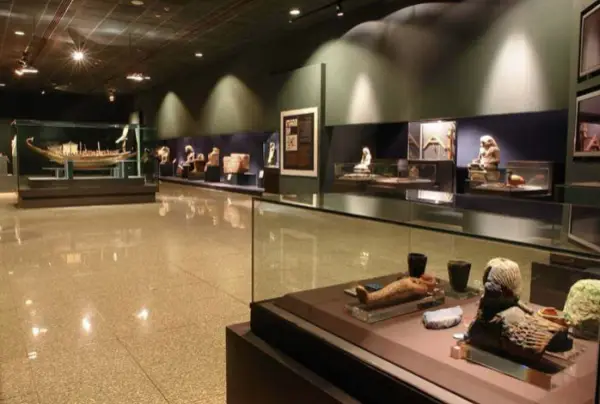
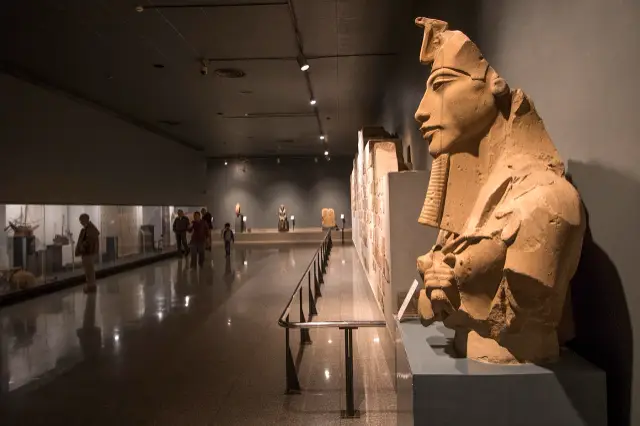
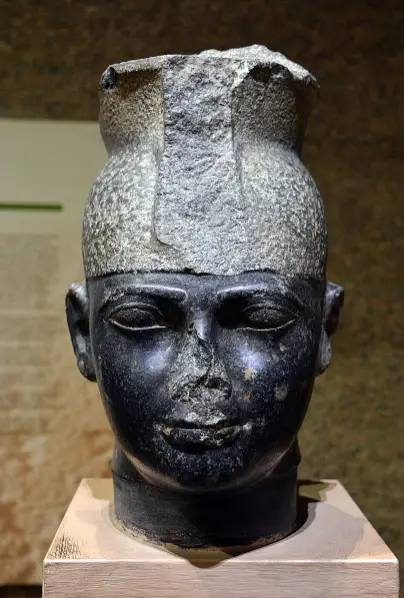
El-Kab was belonged to the third region of Upper Egypt, and it was also the capital of the region since Prehistoric periods. It was called Nekhen, Kom El-Ahmar and Hierakonpolis. It contains unique monuments, Narmer Palette which described the unification of Upper and Lower Egypt under leadership of King Narmer and a gold falcon head of the God Horus, which were preserved among the highlights of the Egyptian museum.
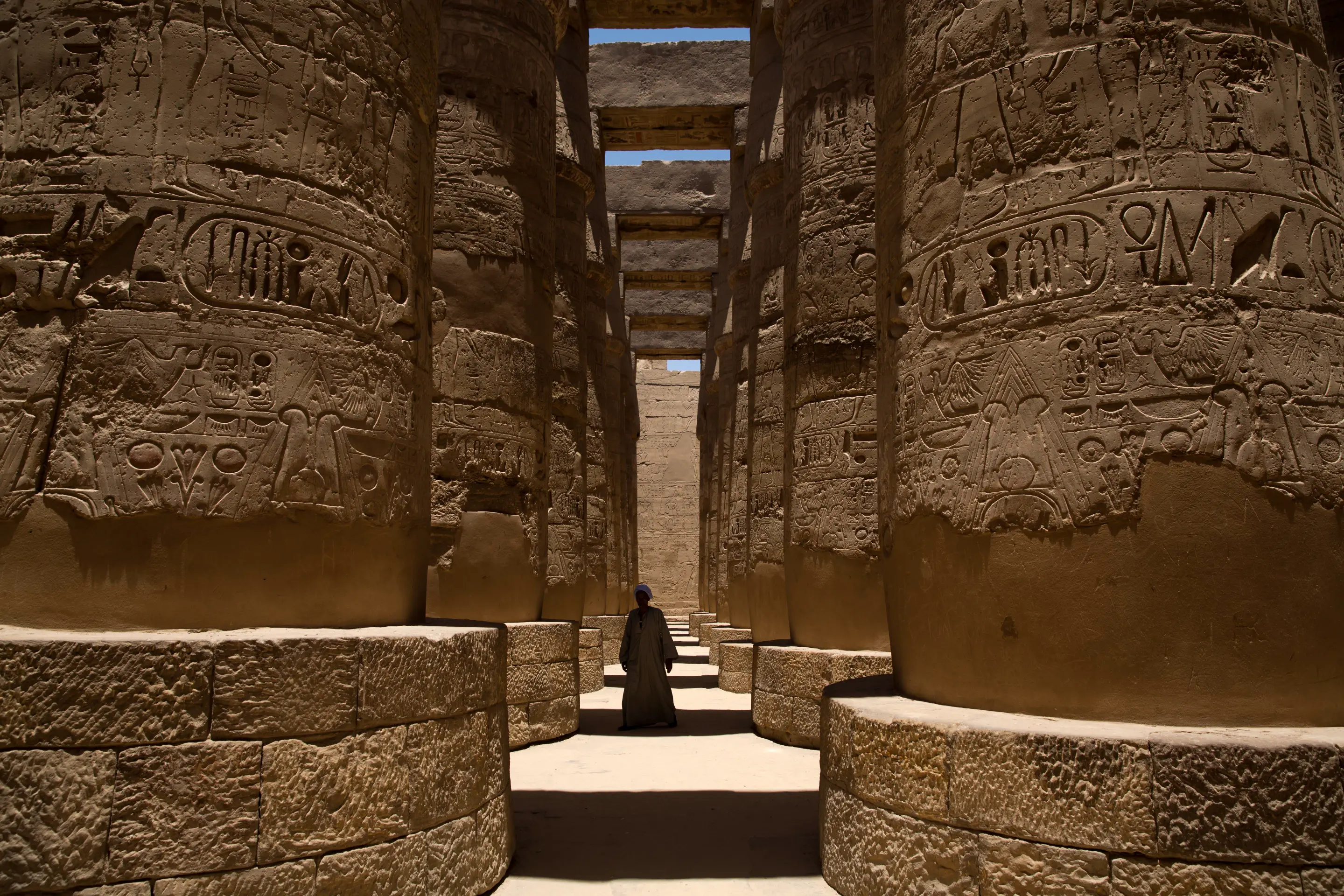
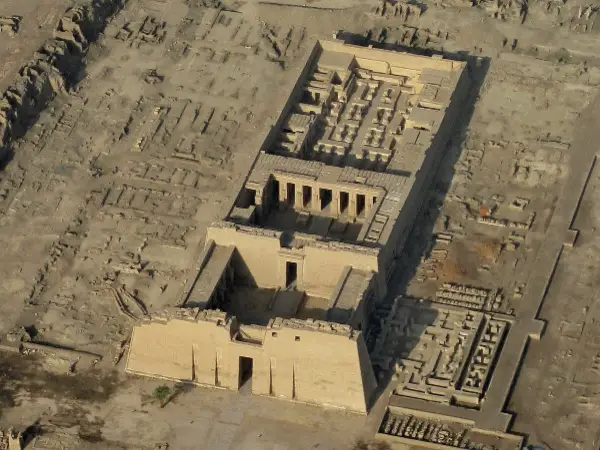
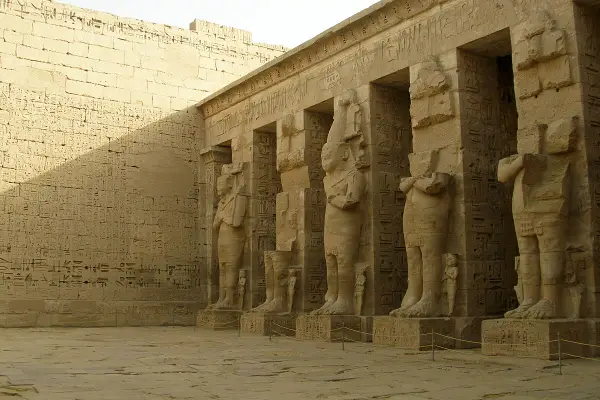
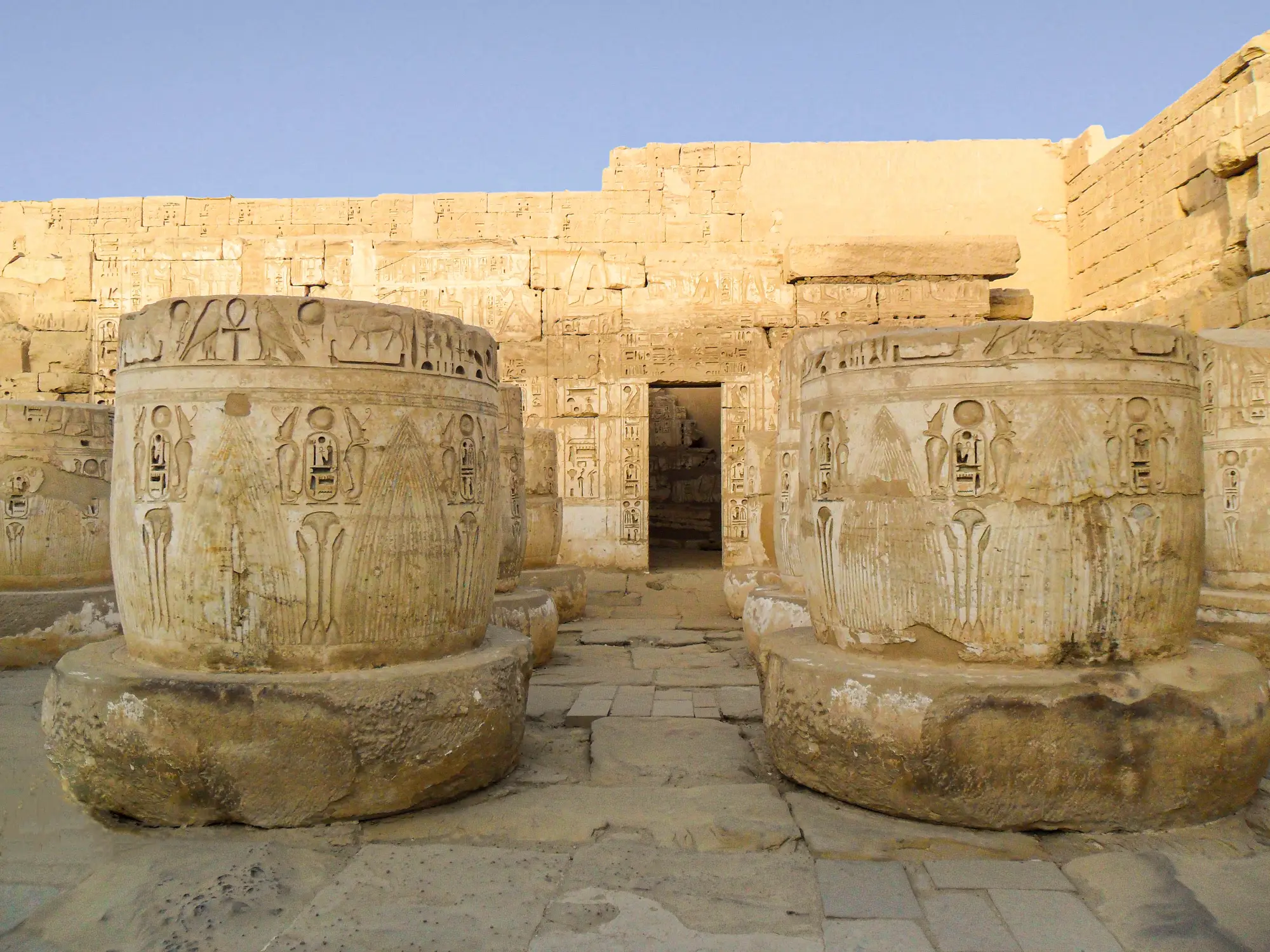
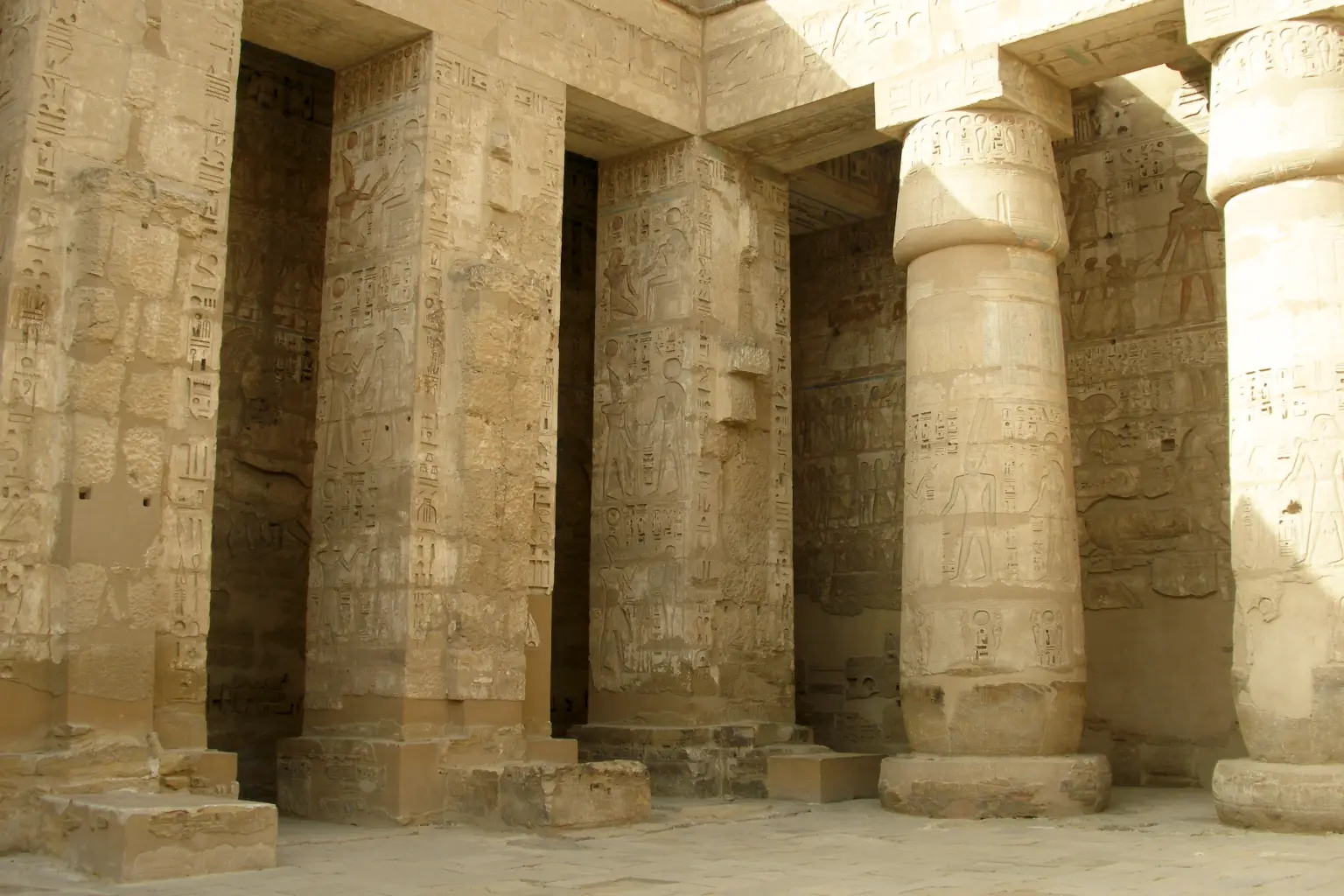
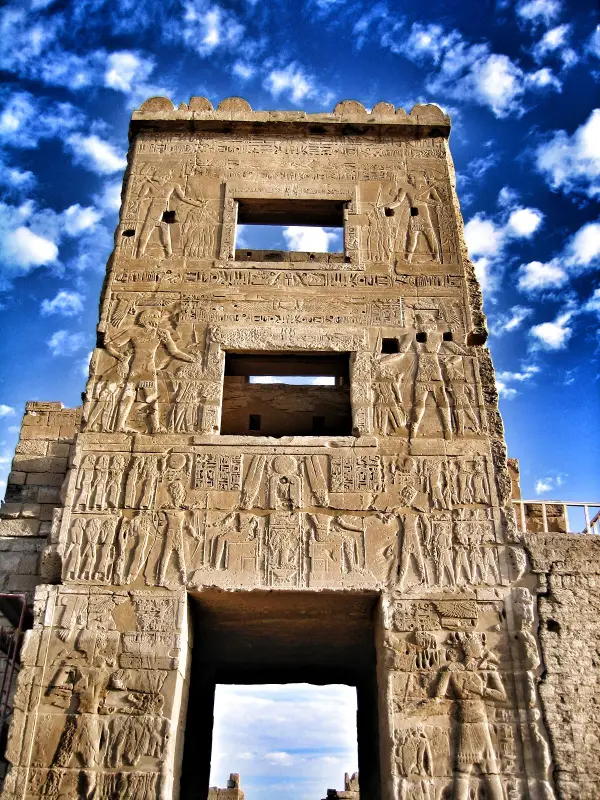
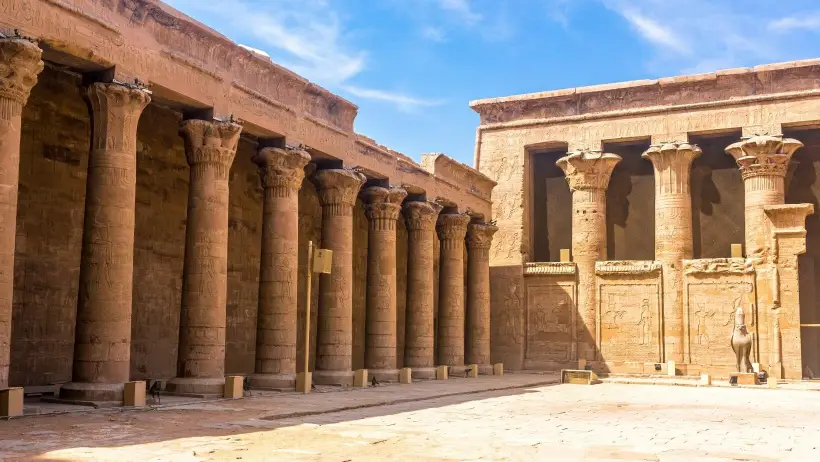
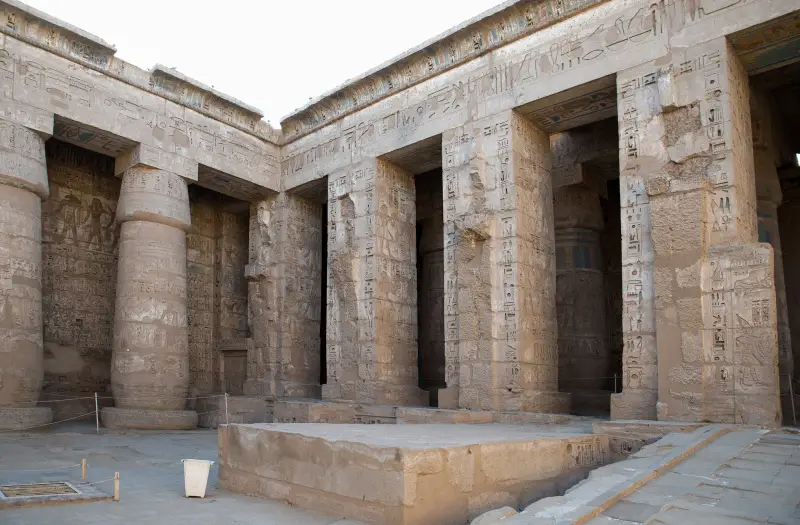
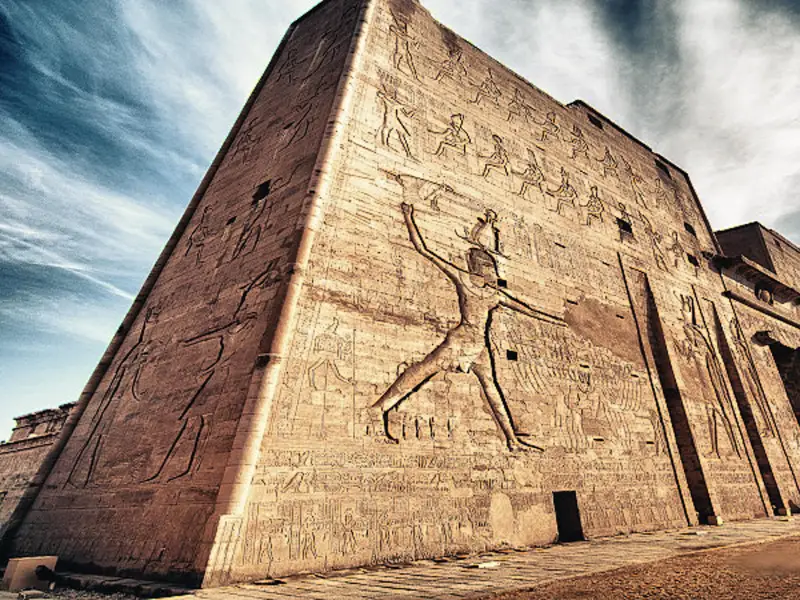
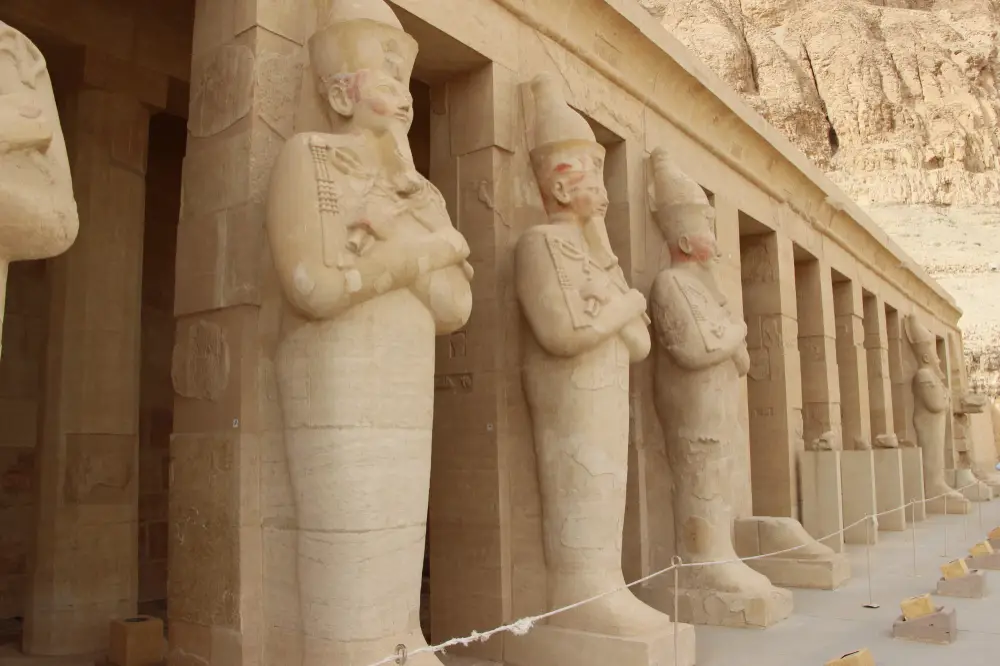
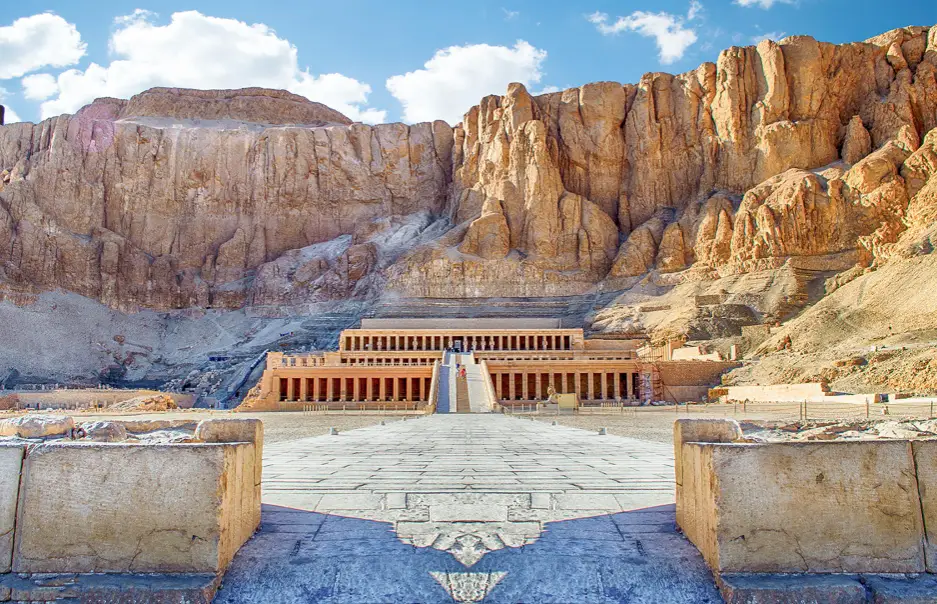
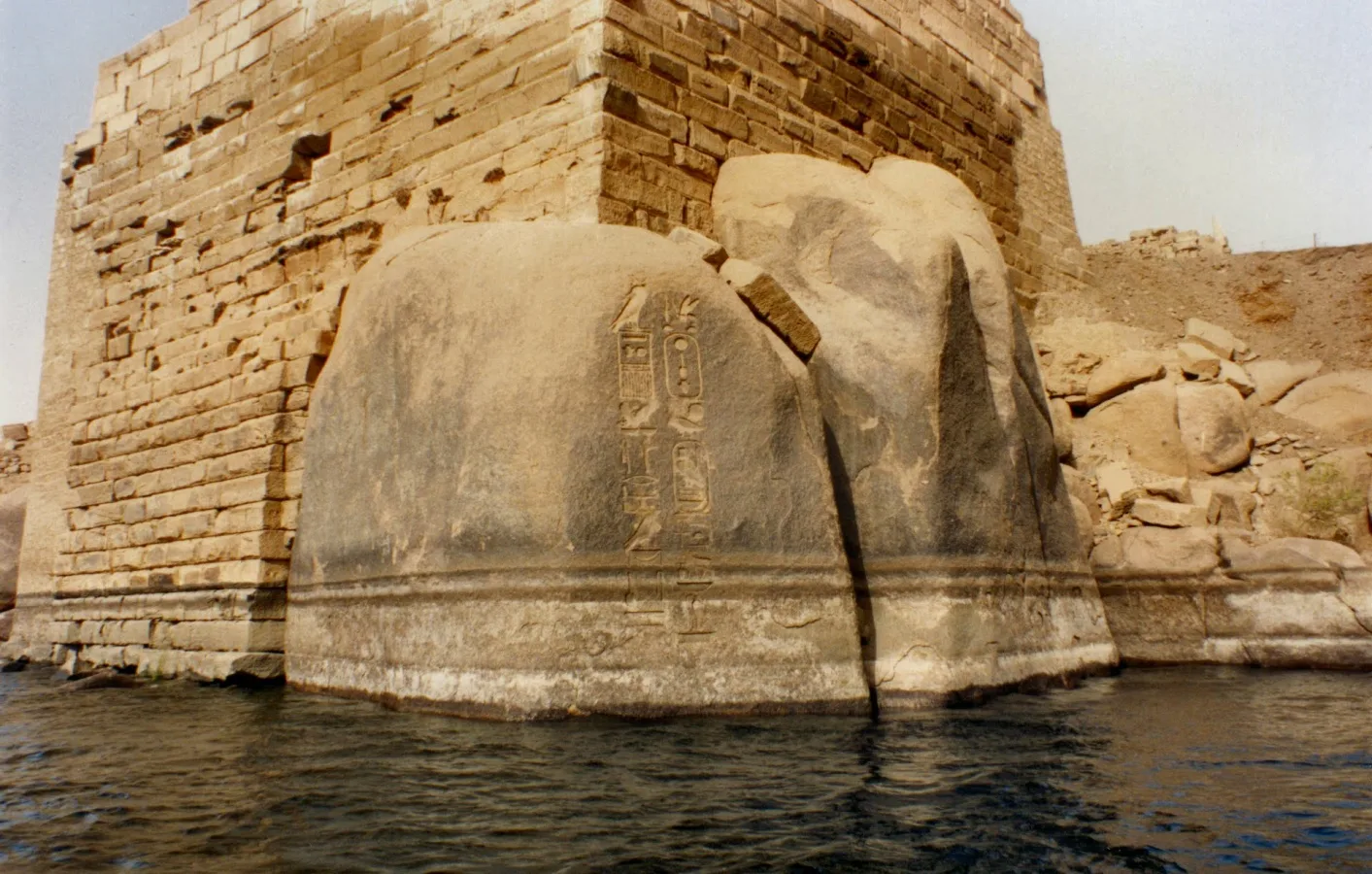
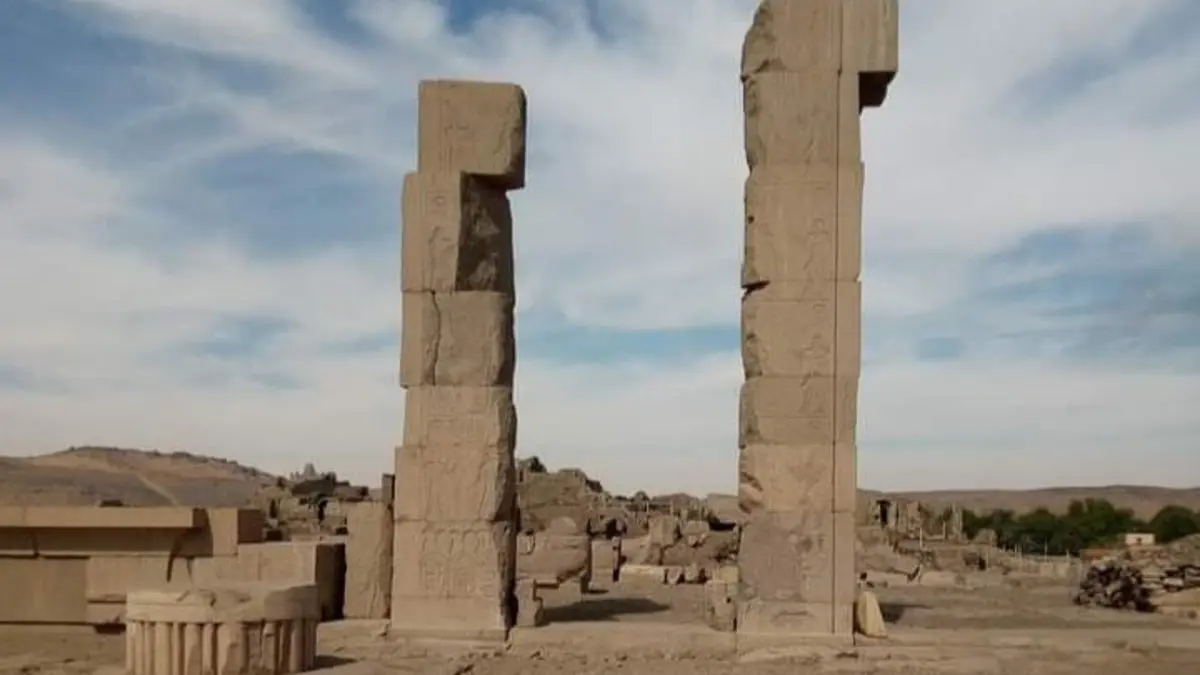
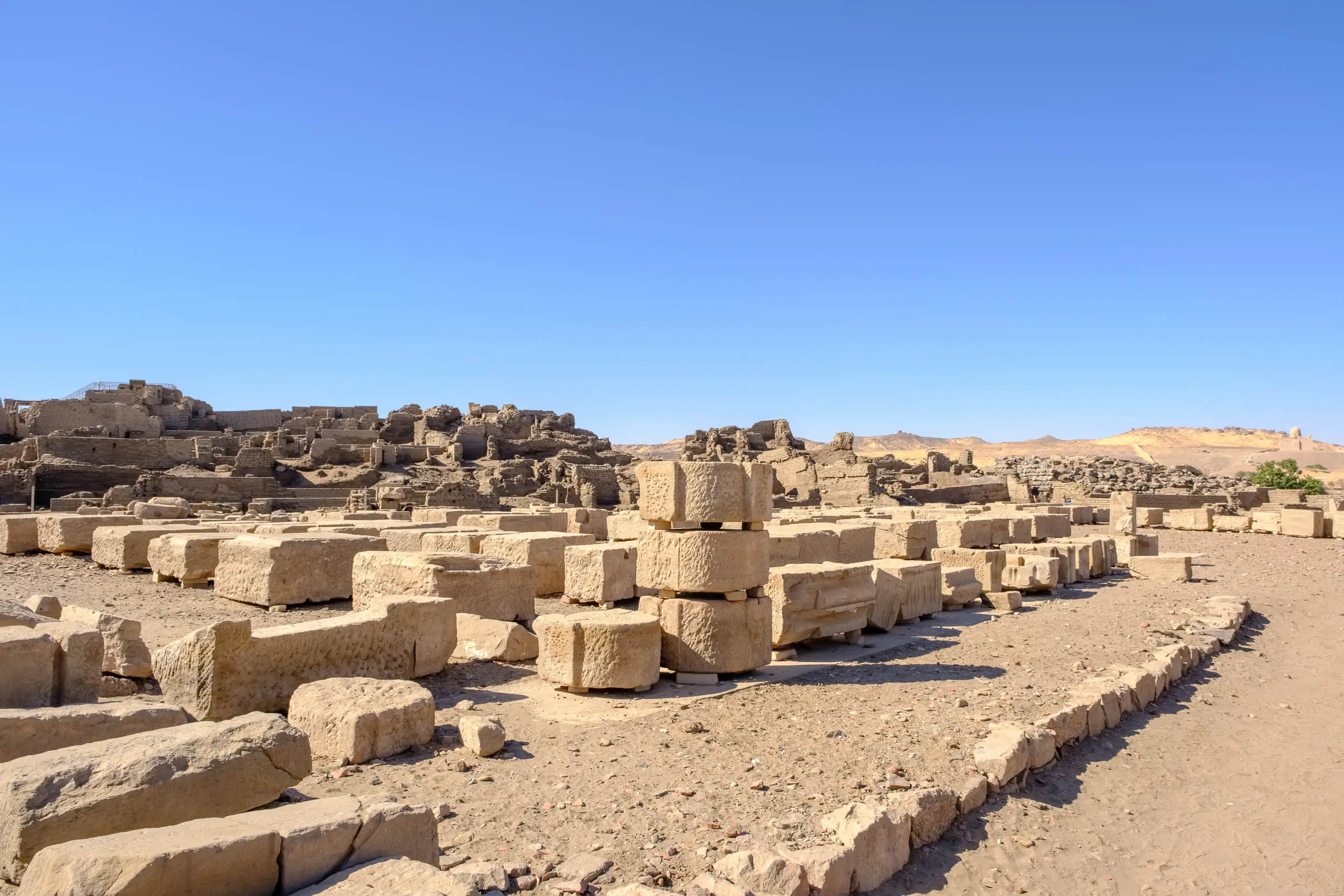
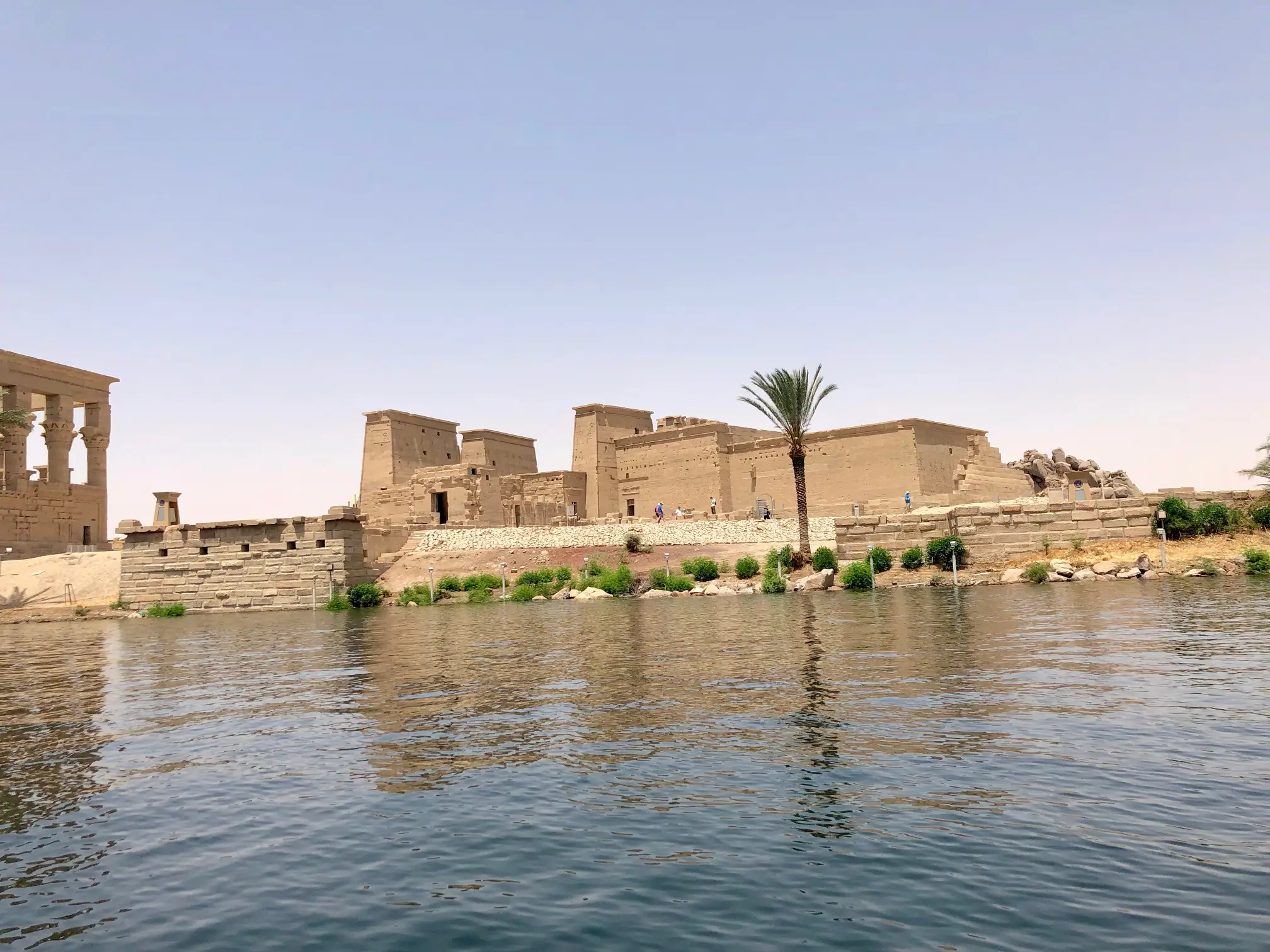
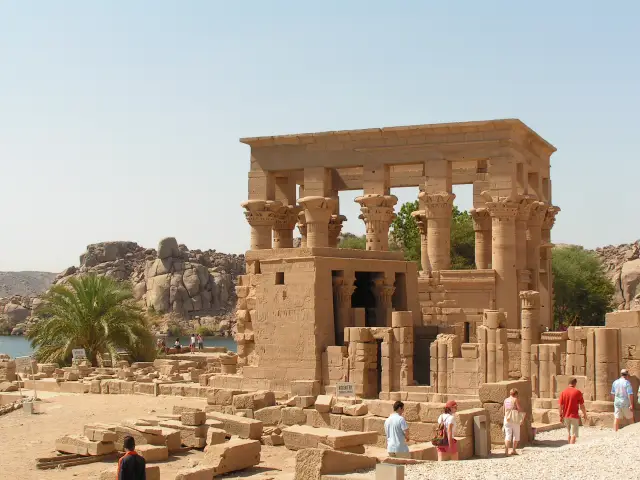
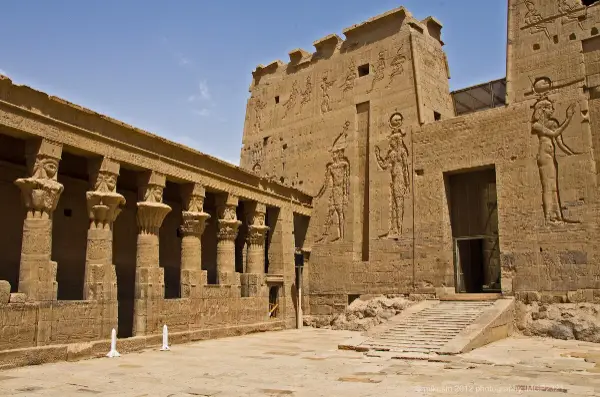
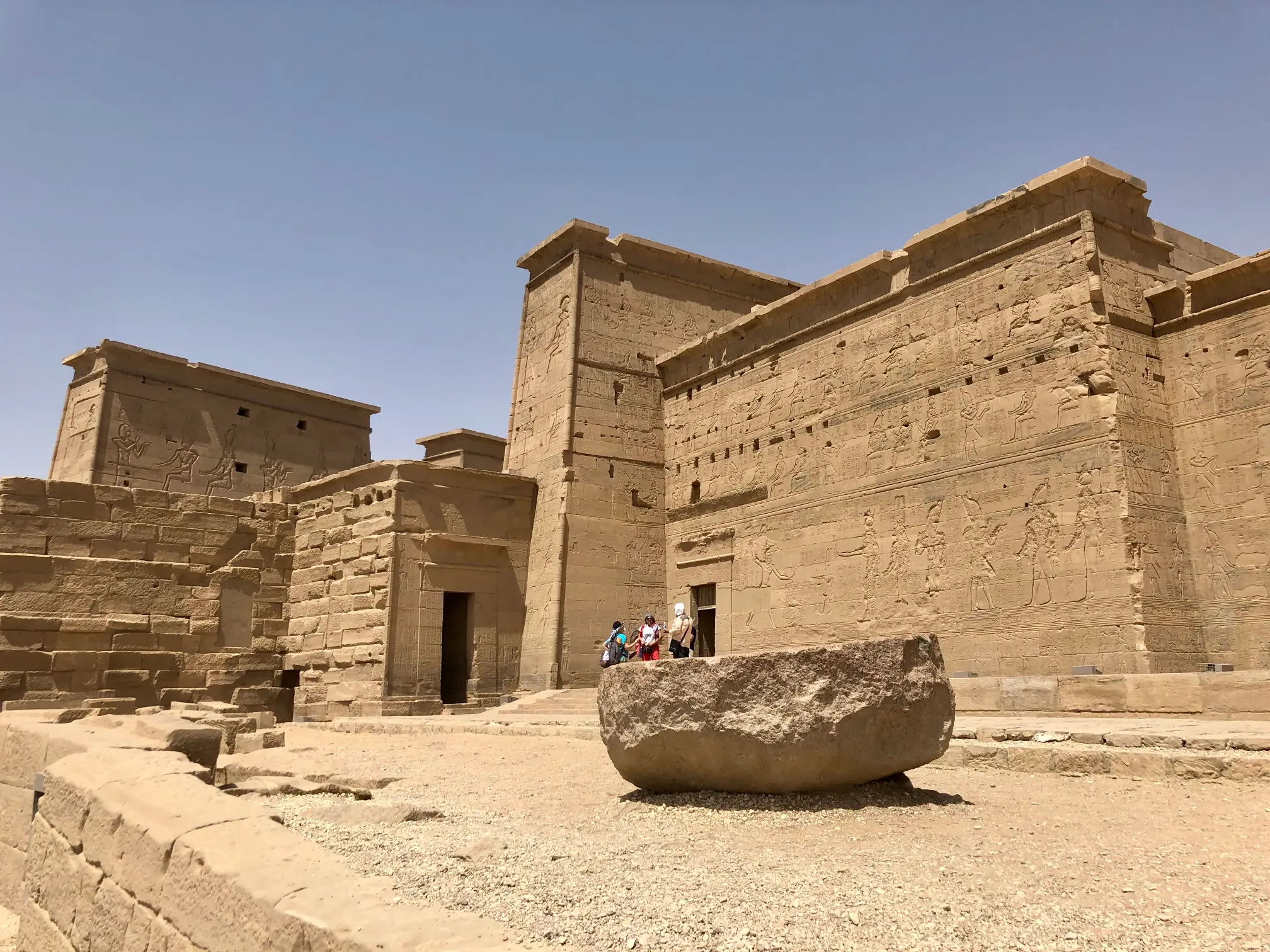
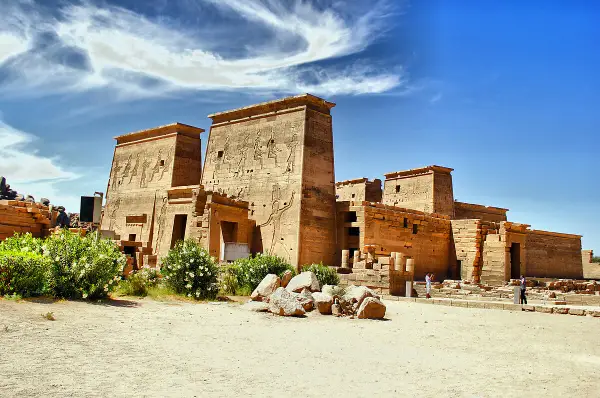
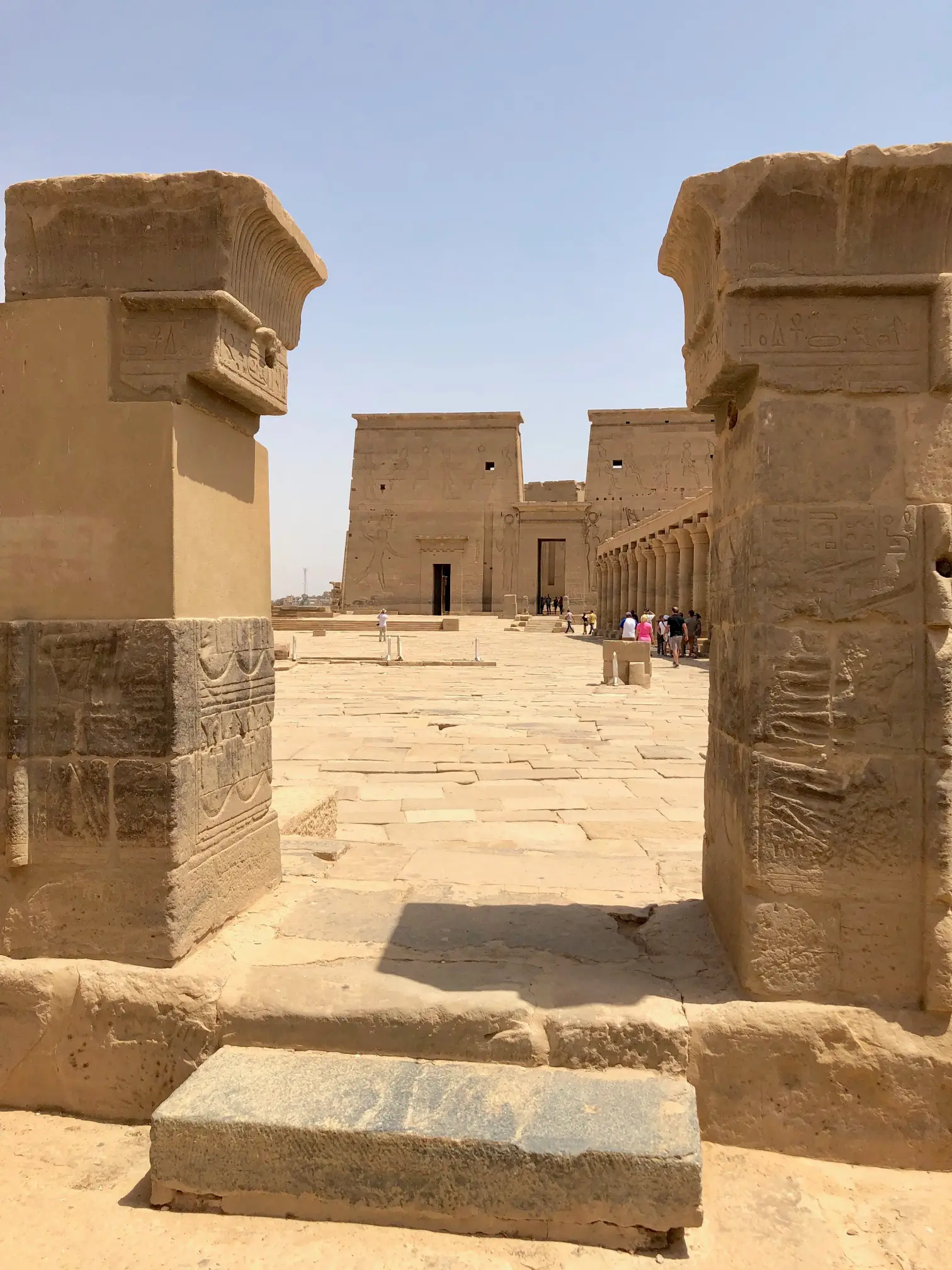
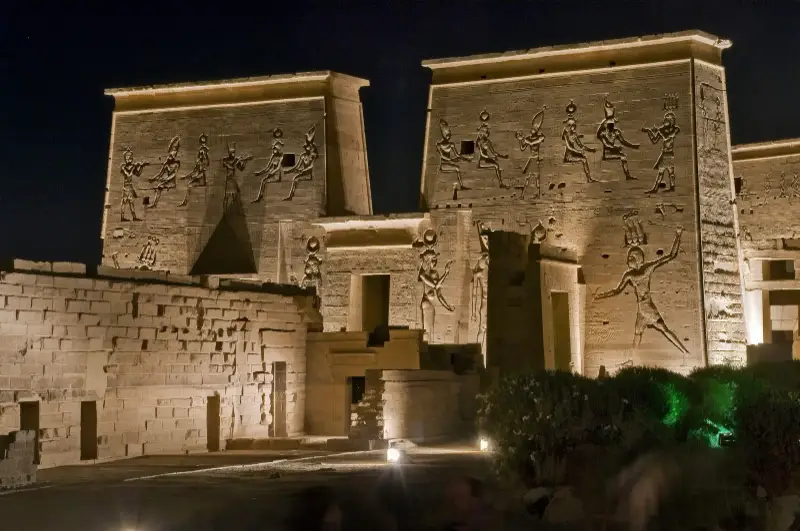
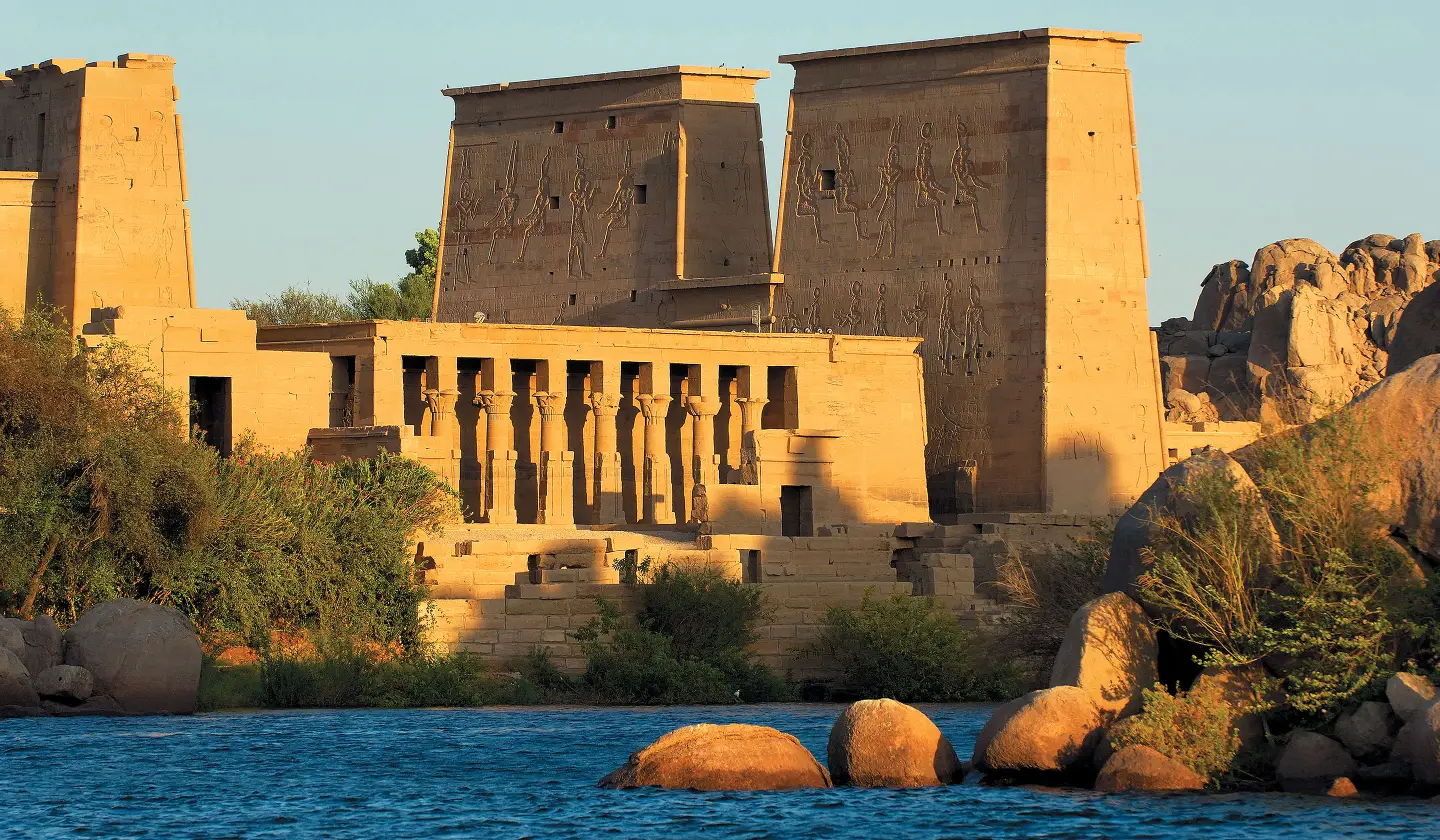
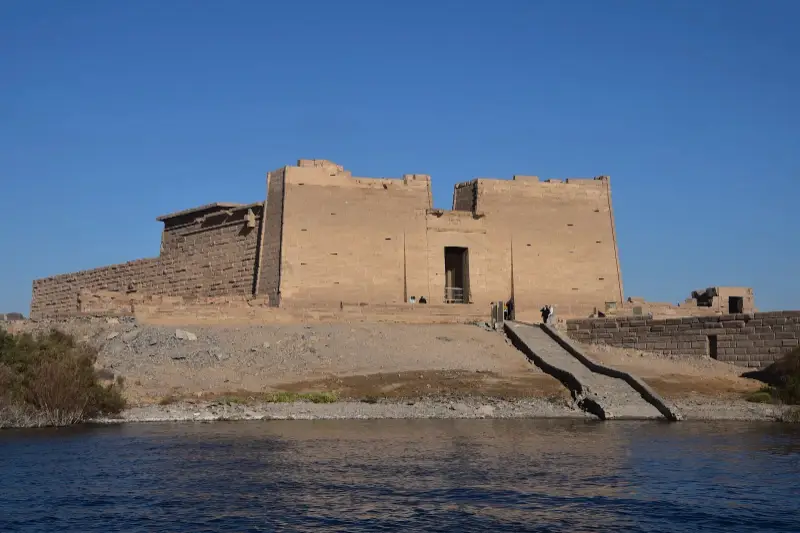
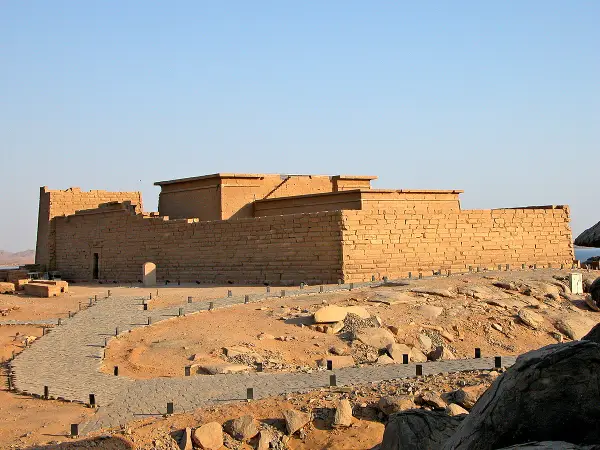
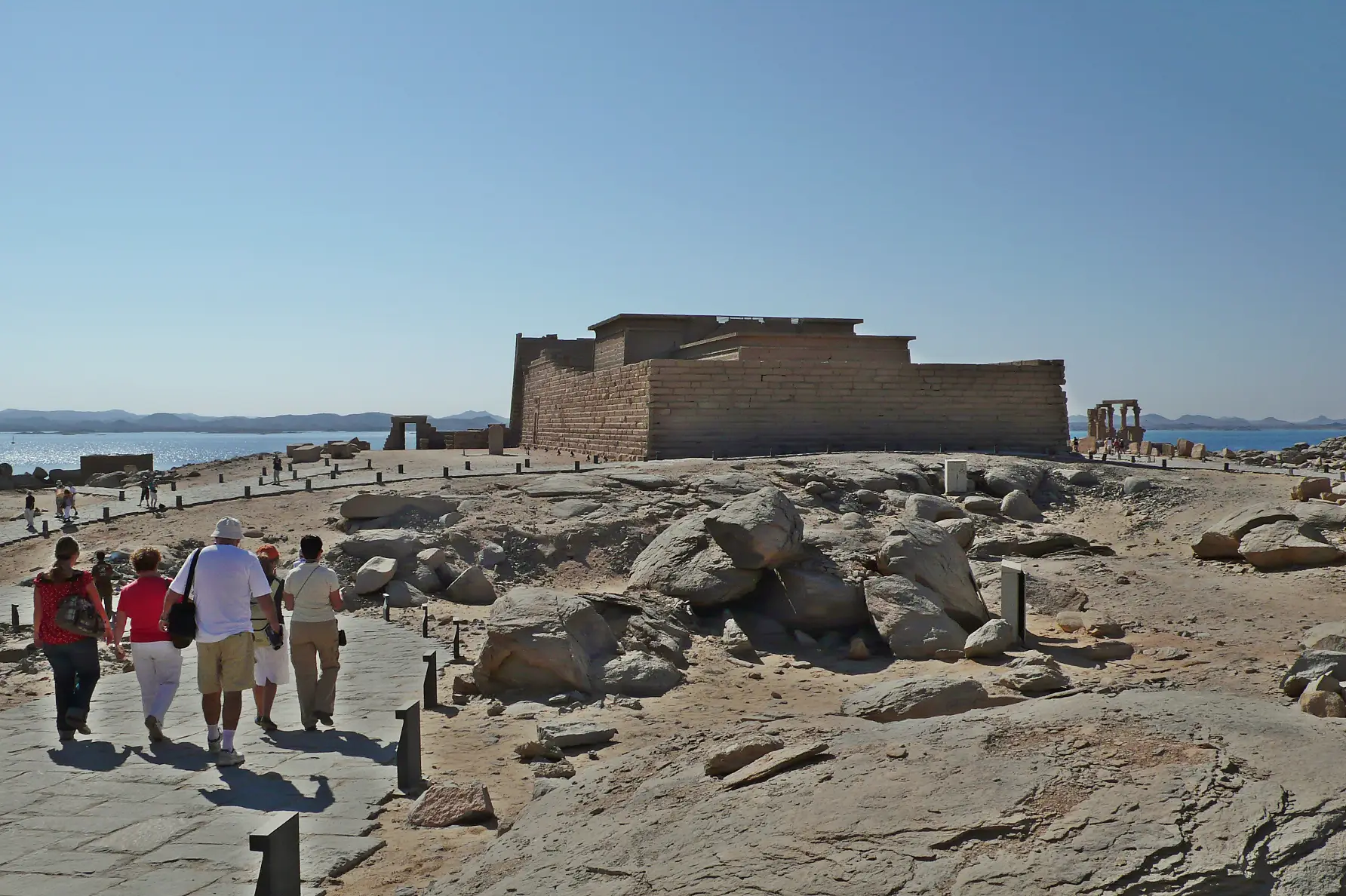
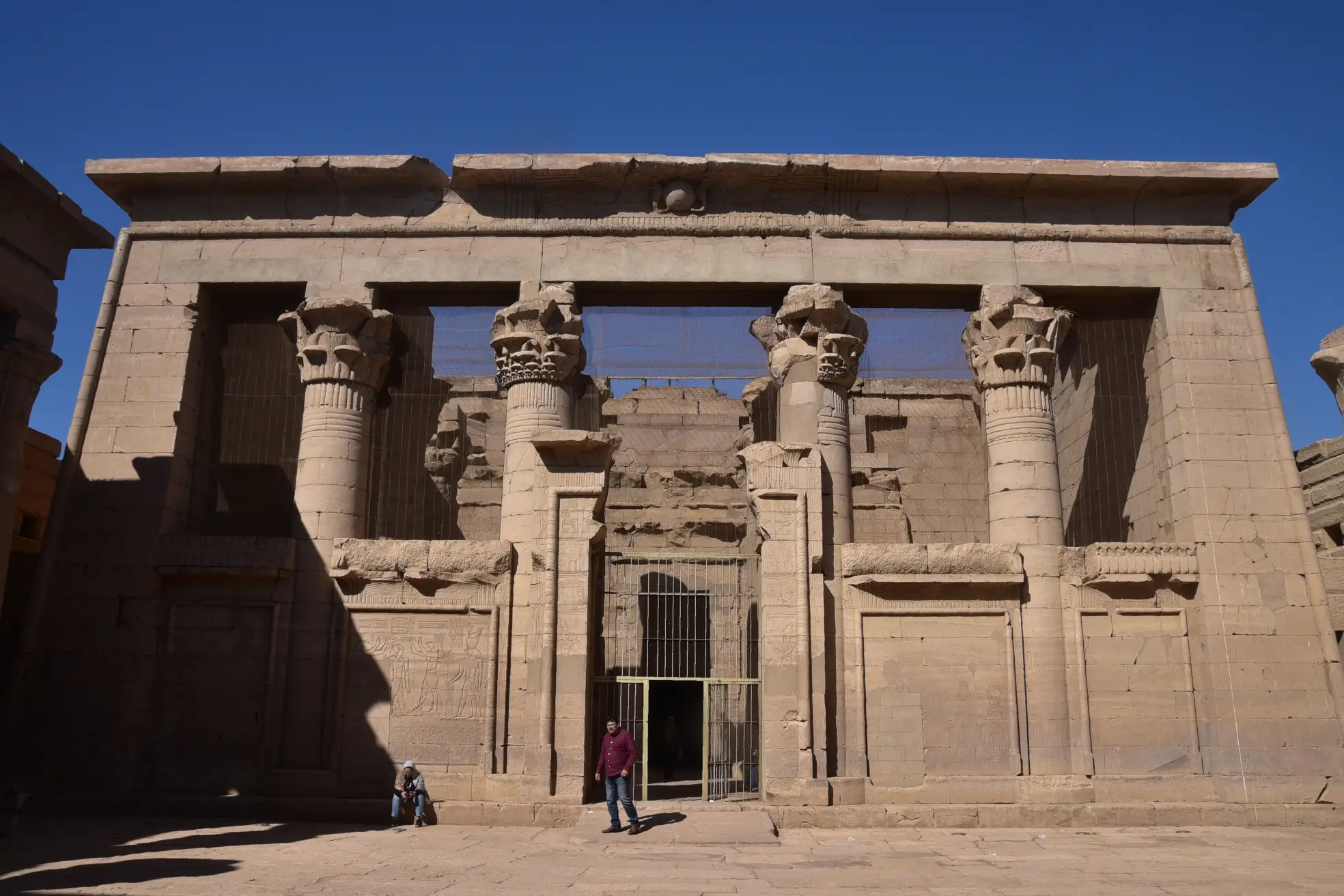
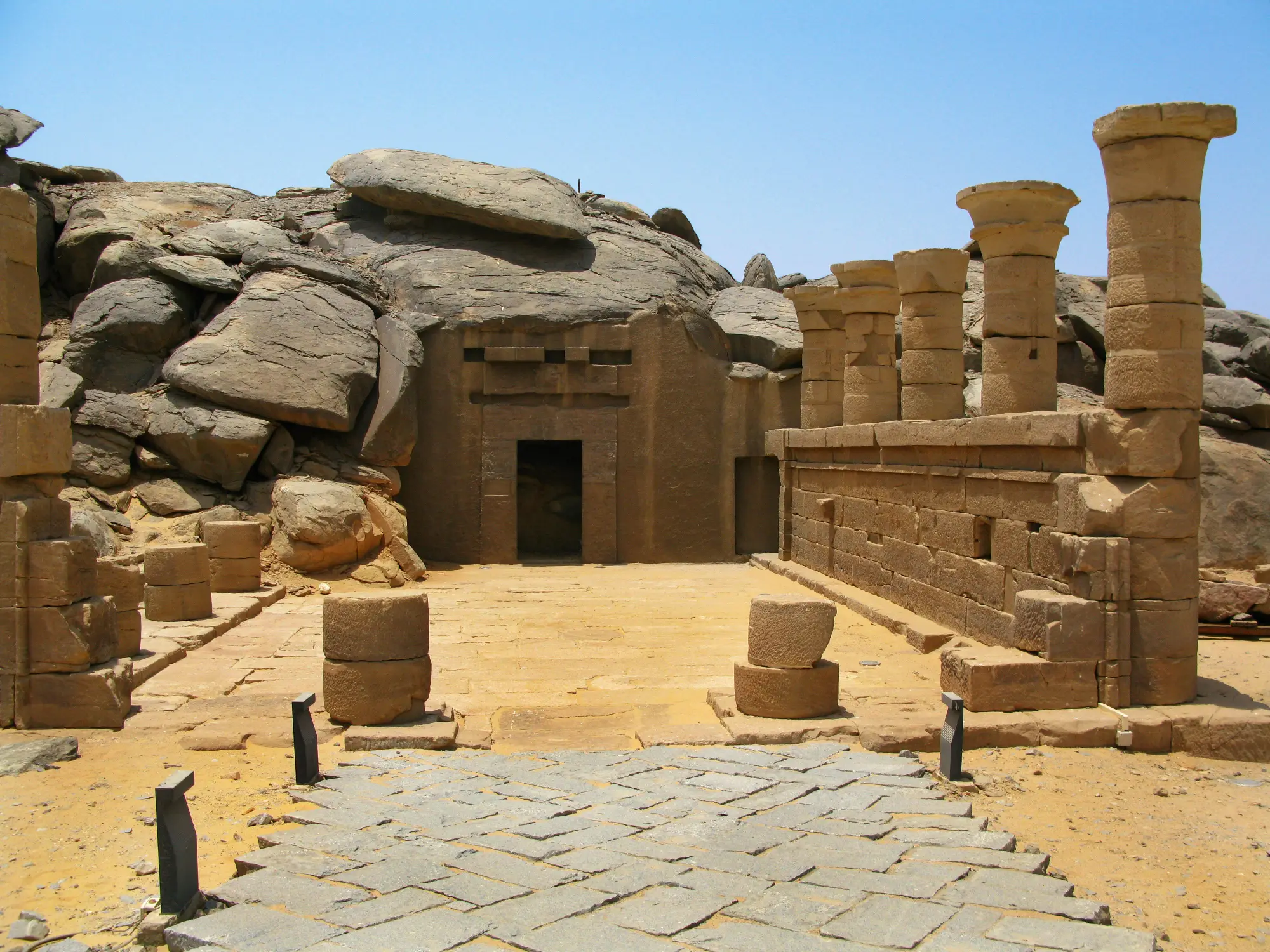
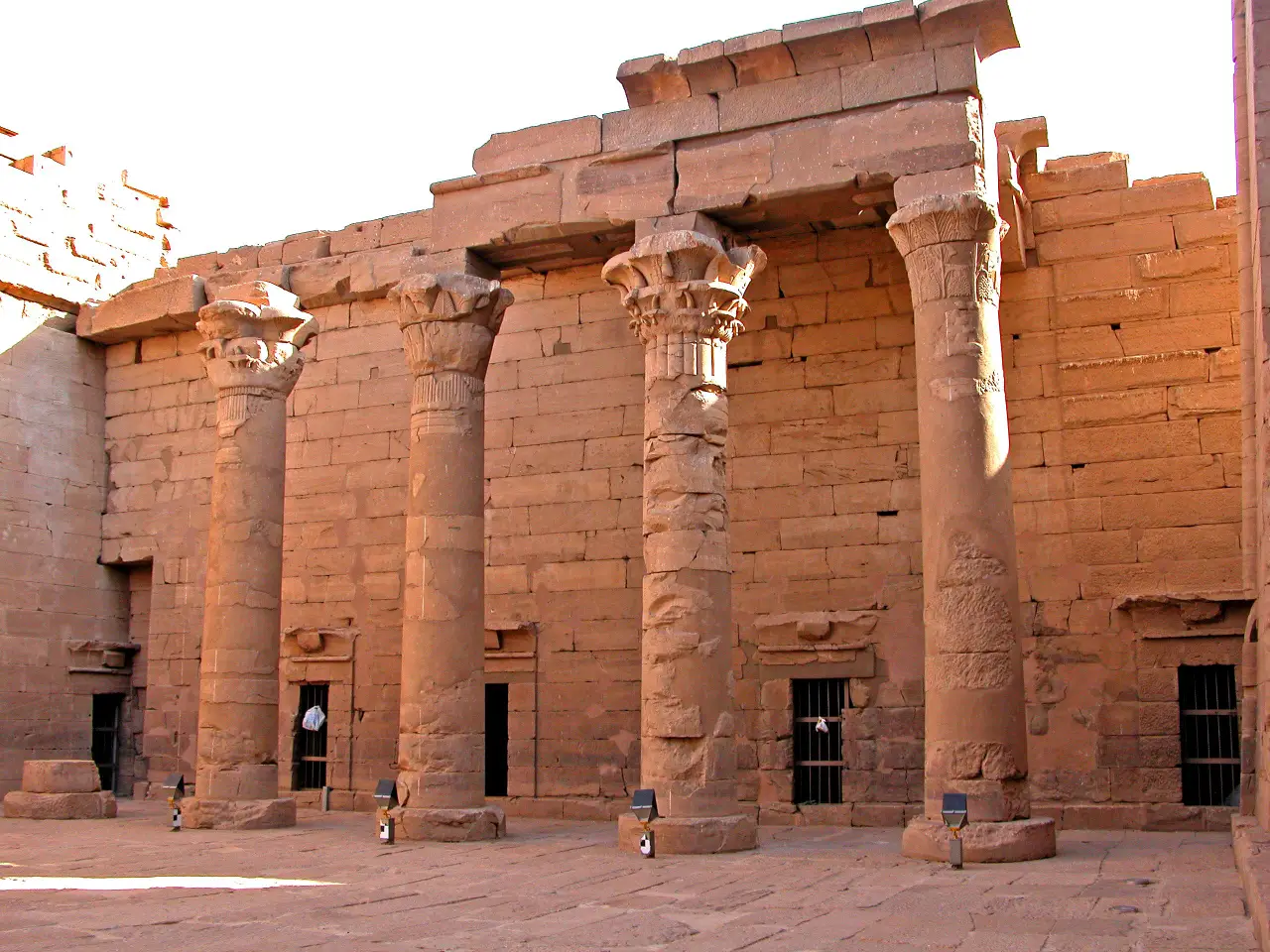
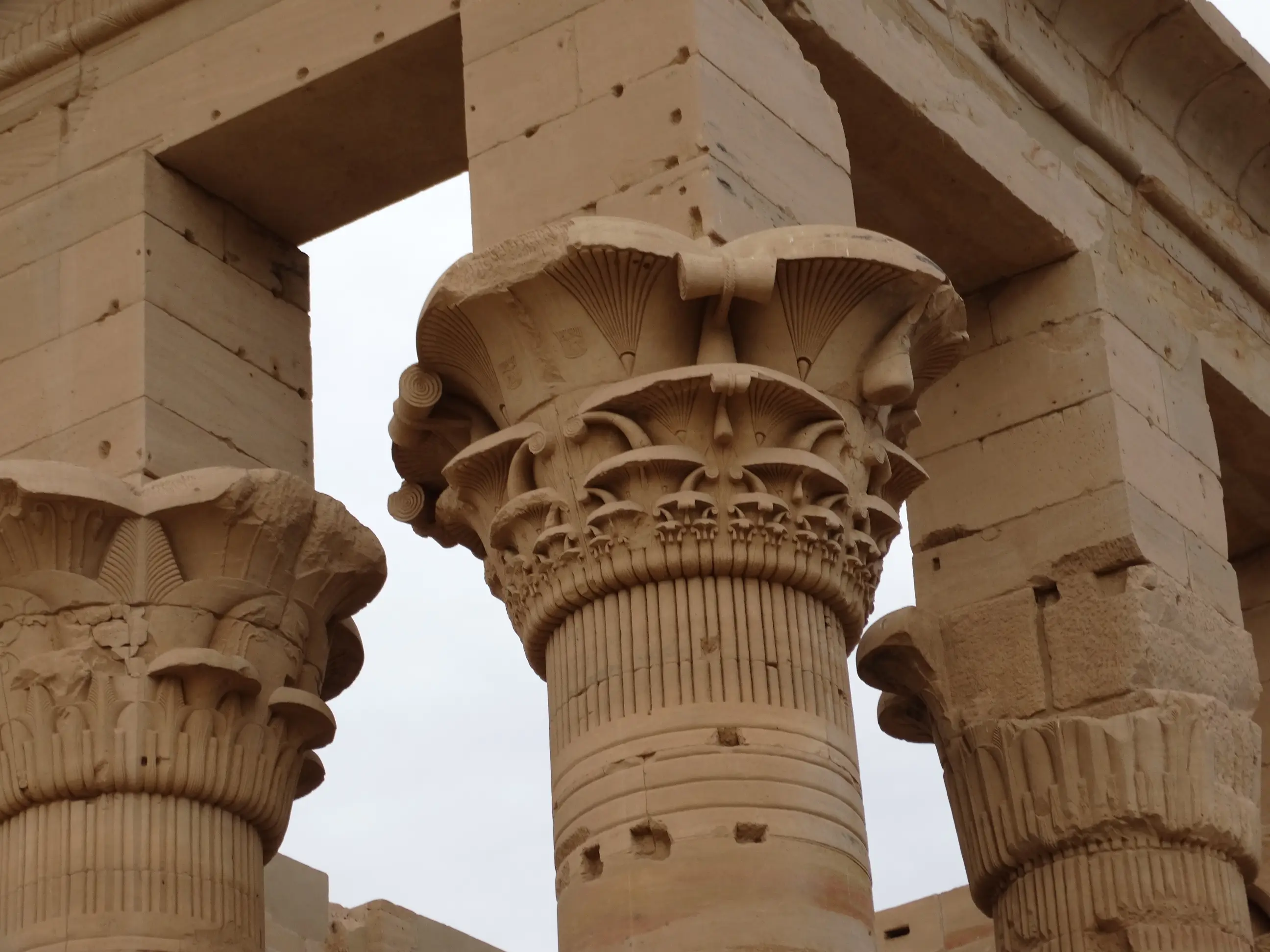
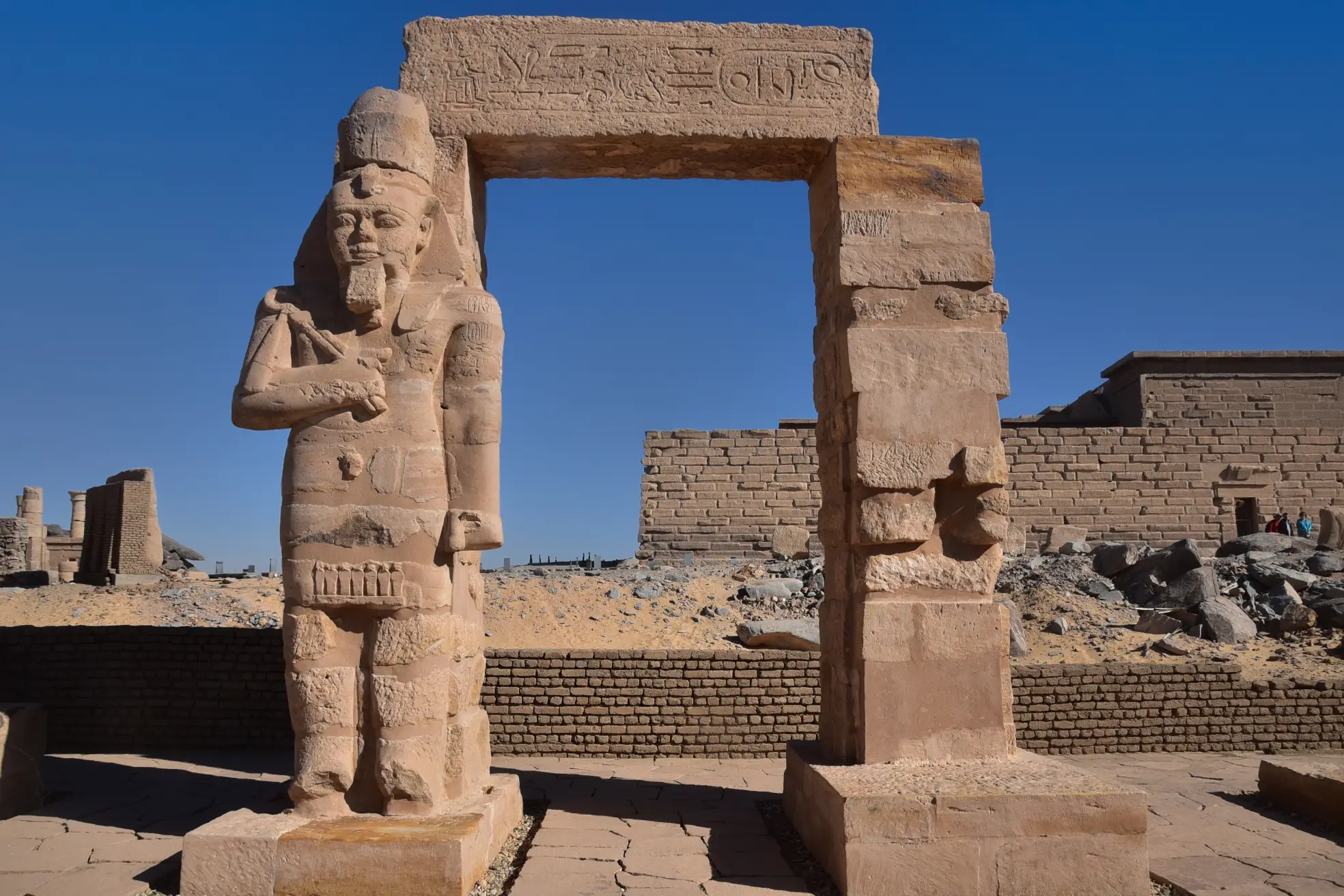
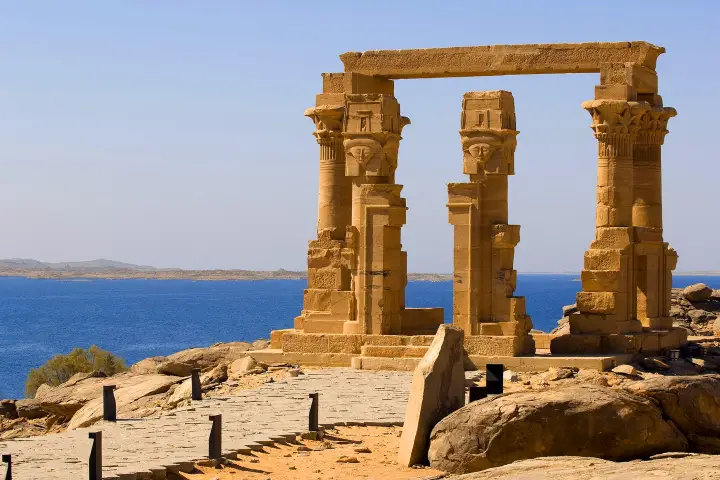
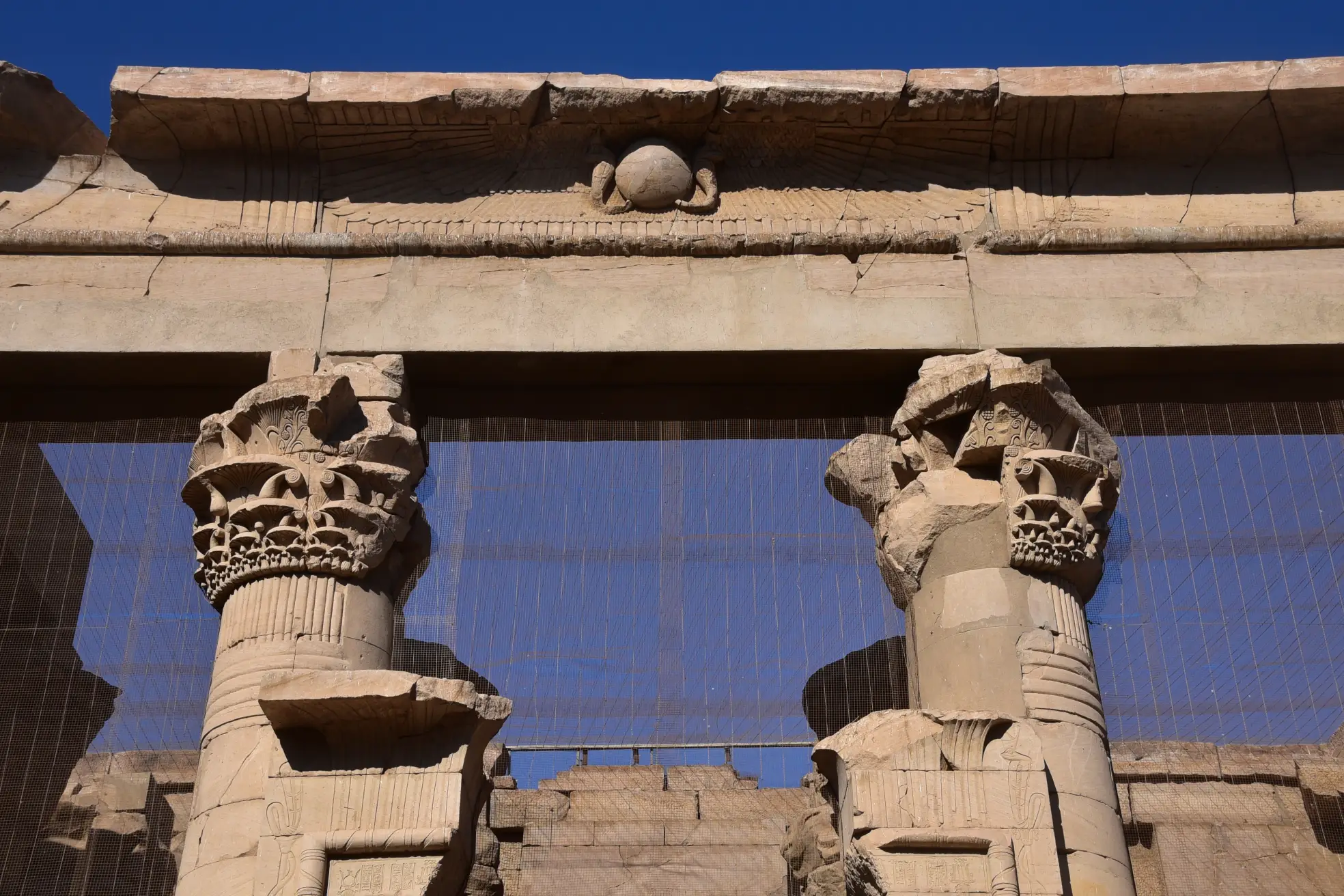
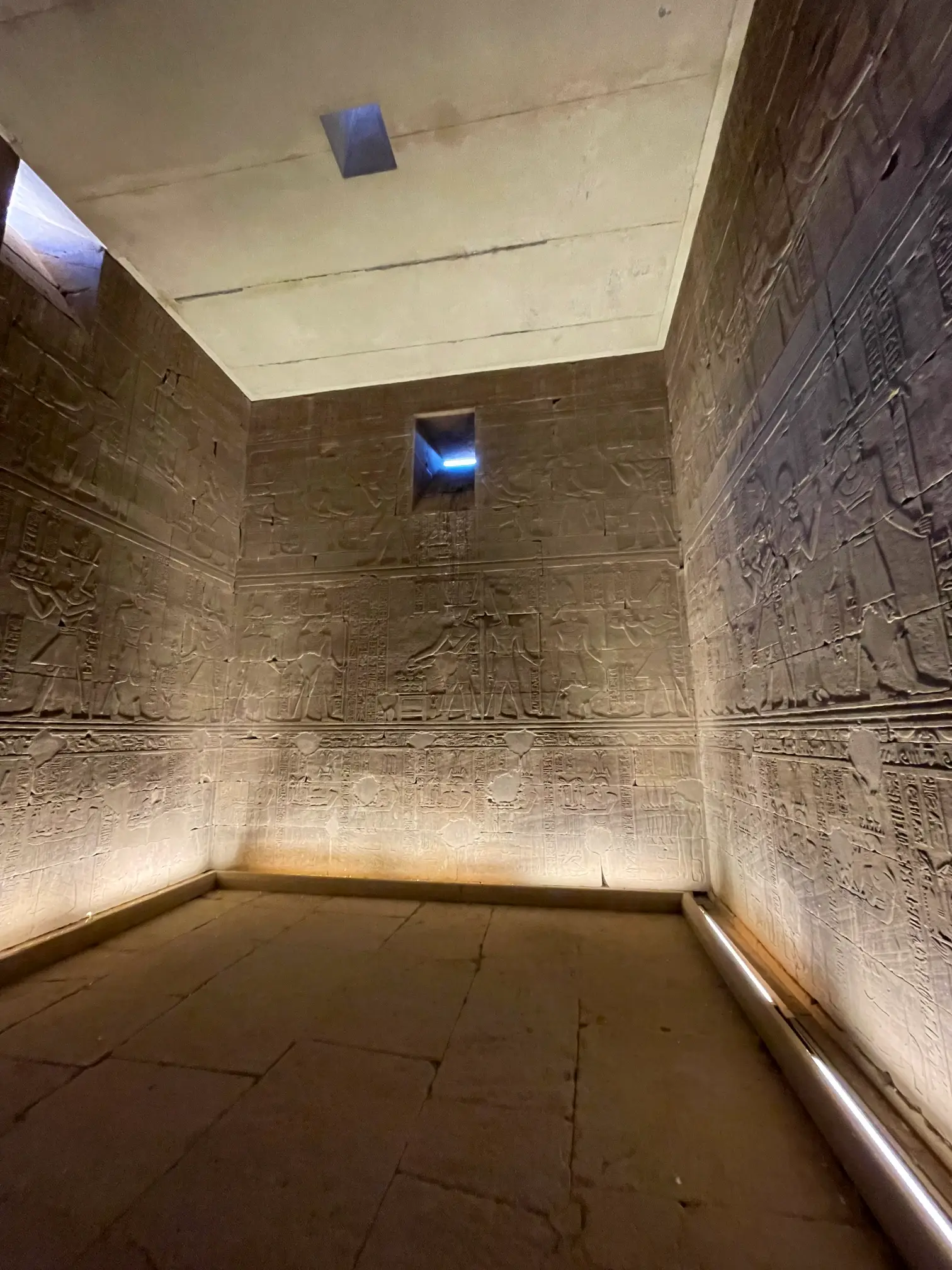
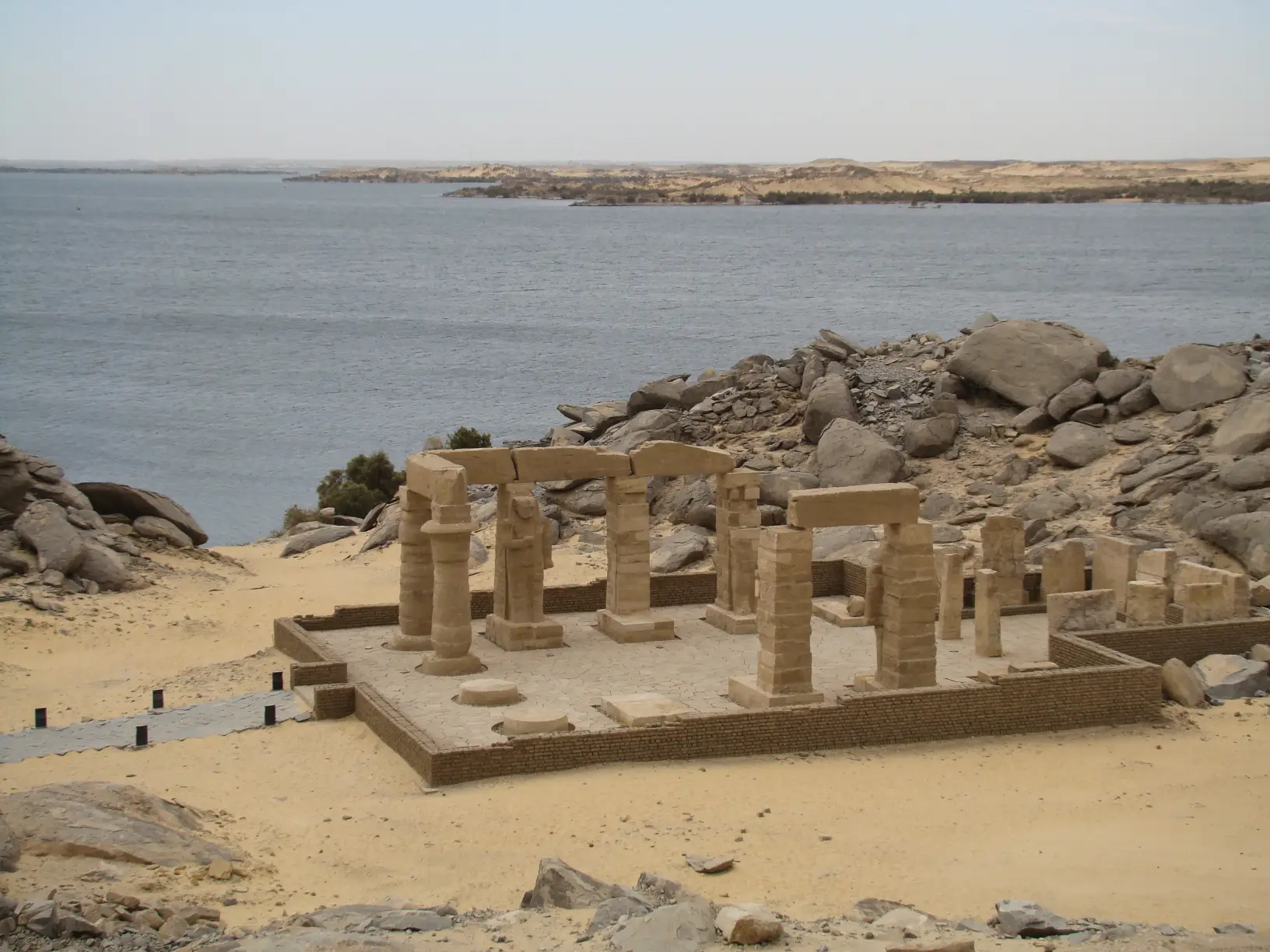
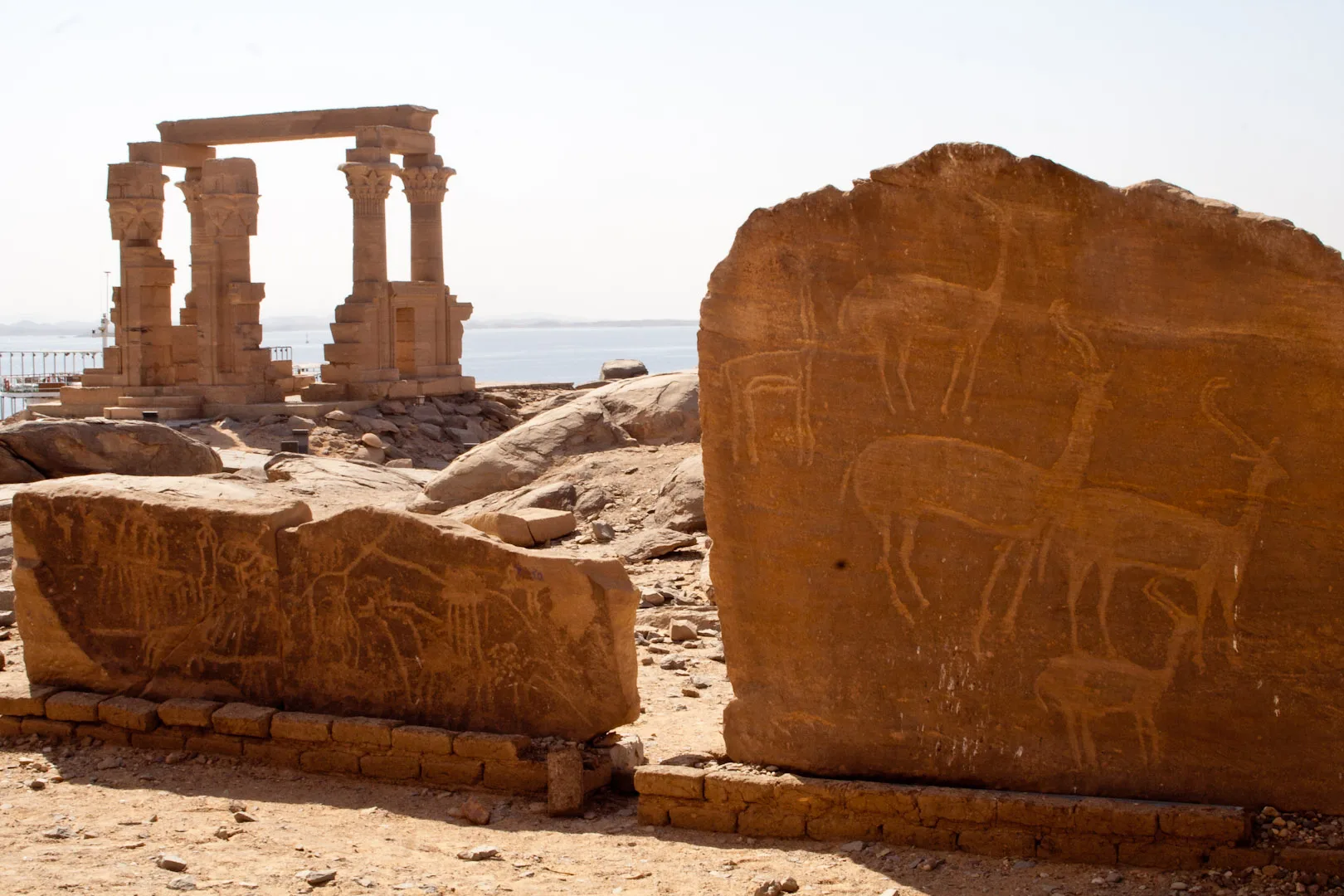
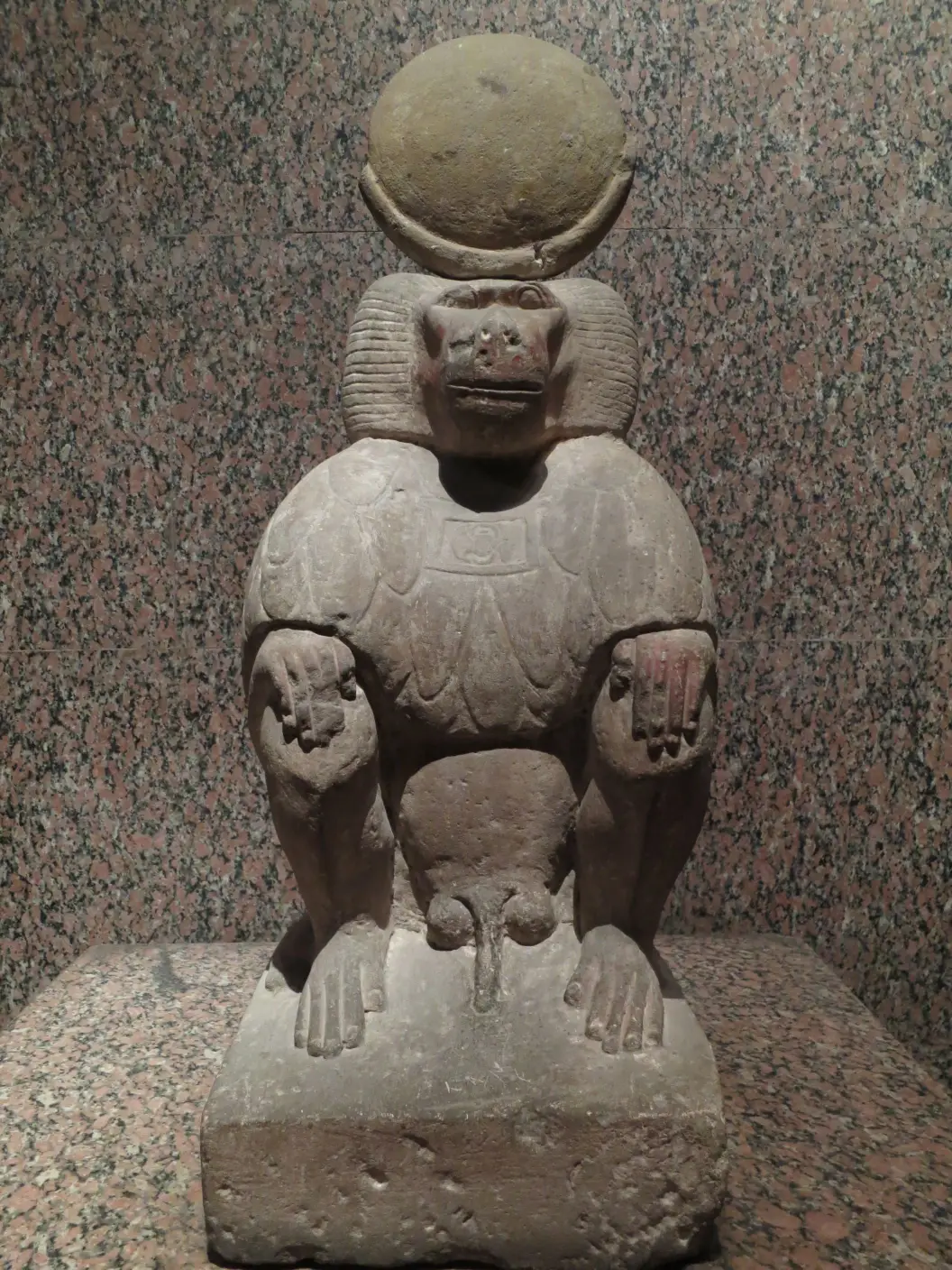
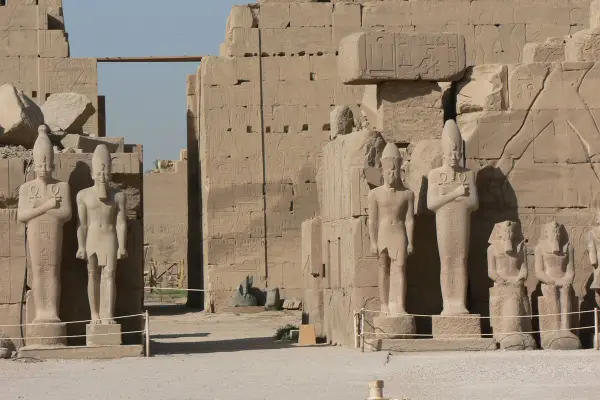
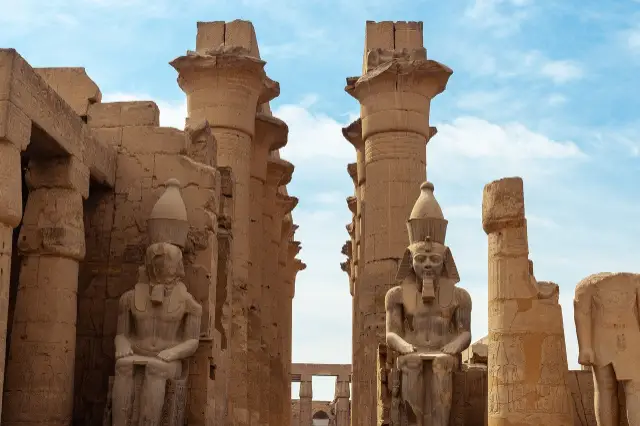
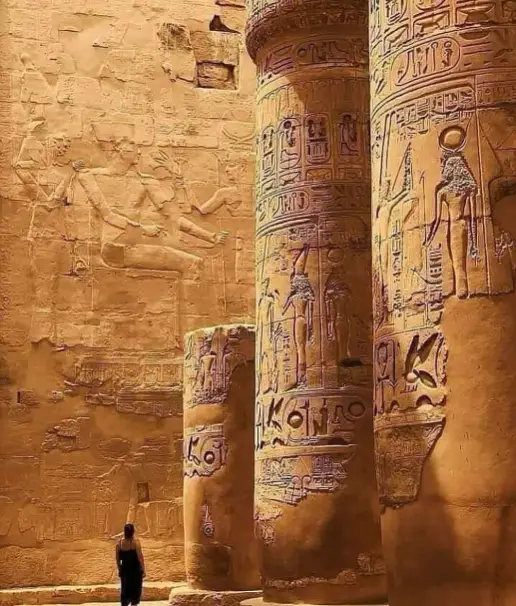
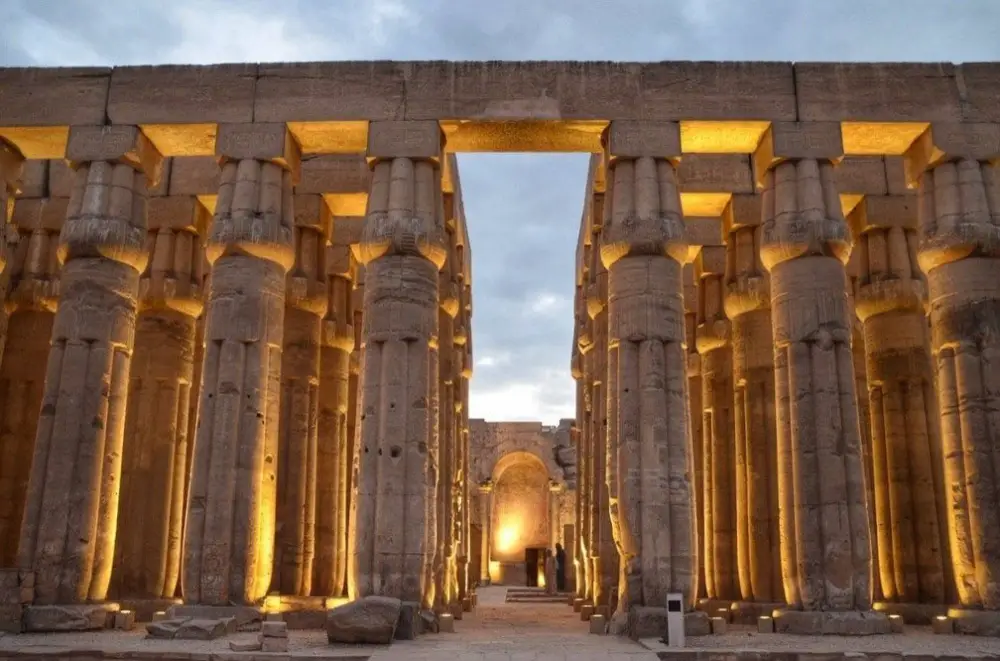
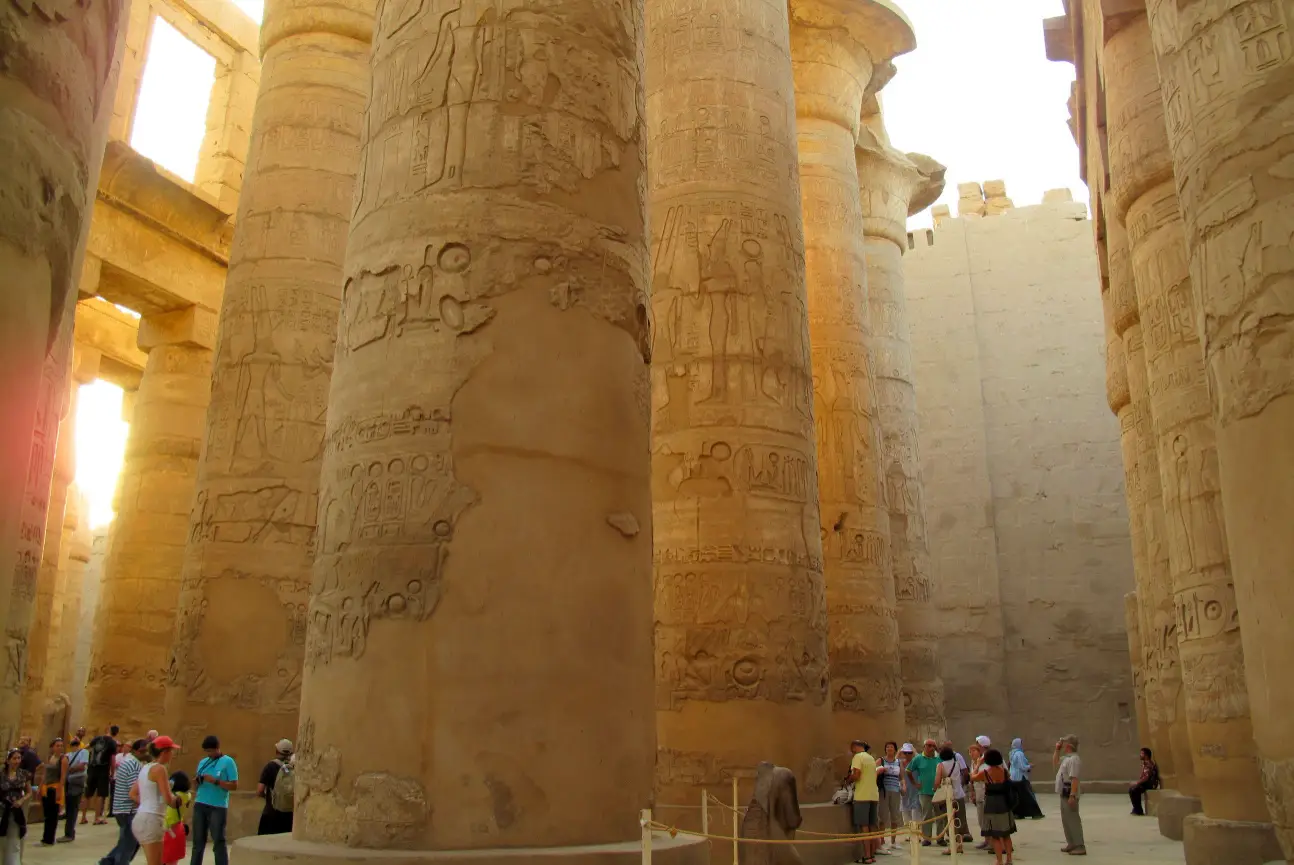
El-Kab boasts a wealth of historical treasures, including temples, tombs, and inscriptions that offer valuable insights into the religious, cultural, and political life of Ancient Egypt. The site is particularly renowned for the remains of the Temple of Amenhotep III, dedicated to the god Amun, and the Temple of Thoth, the god of wisdom and writing.
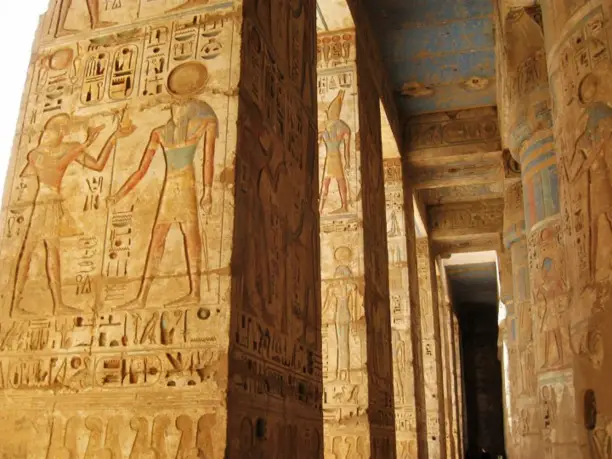
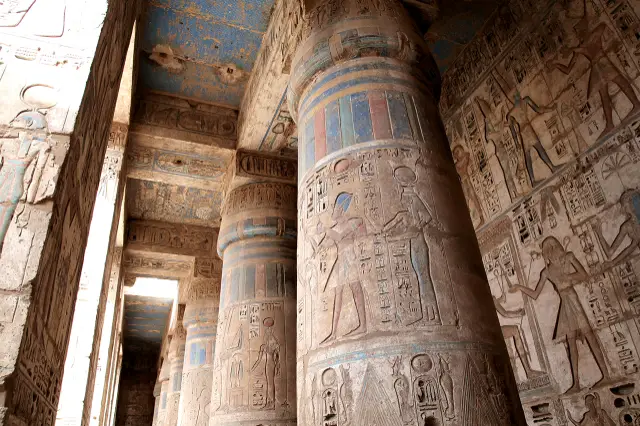
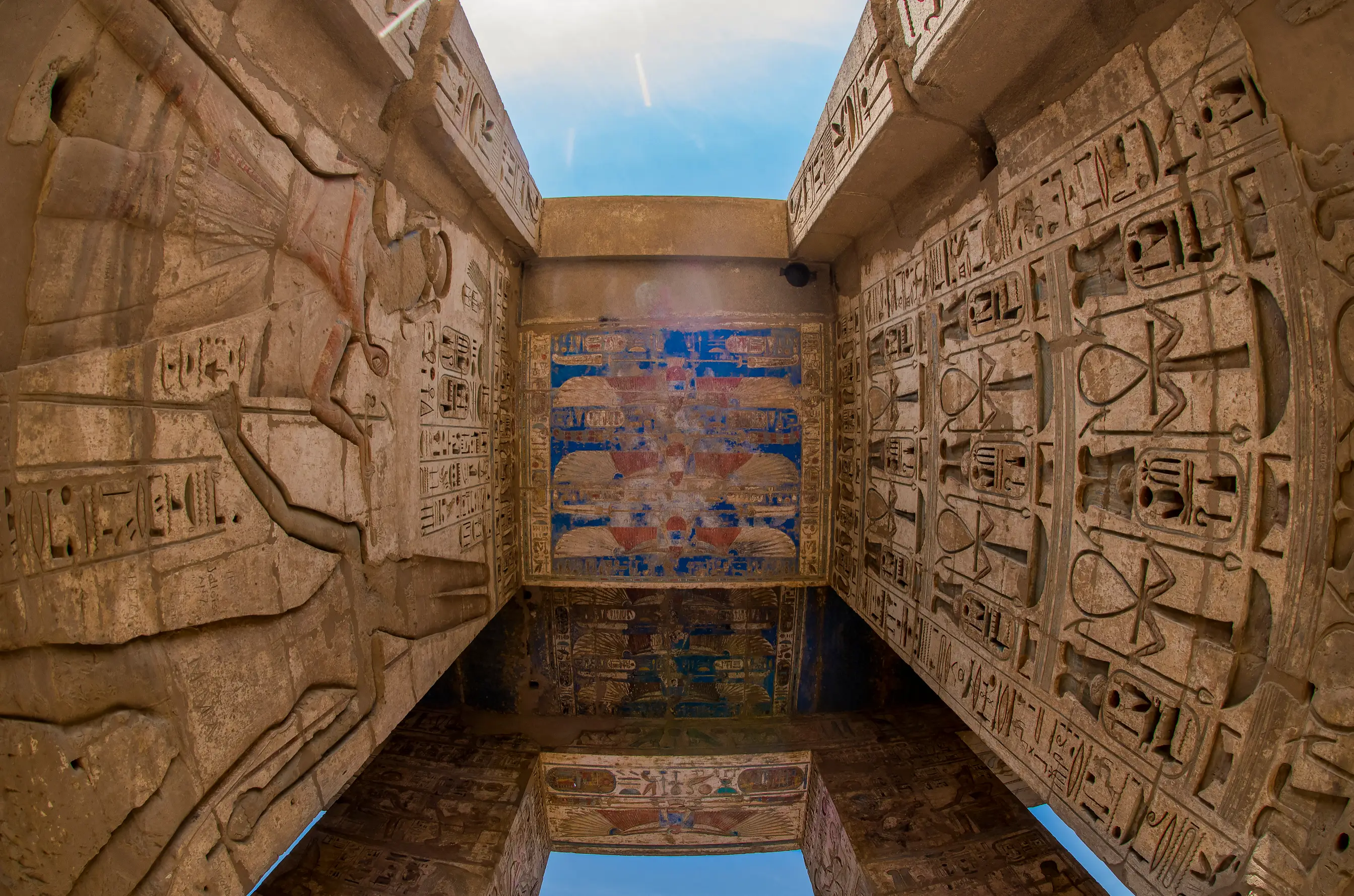
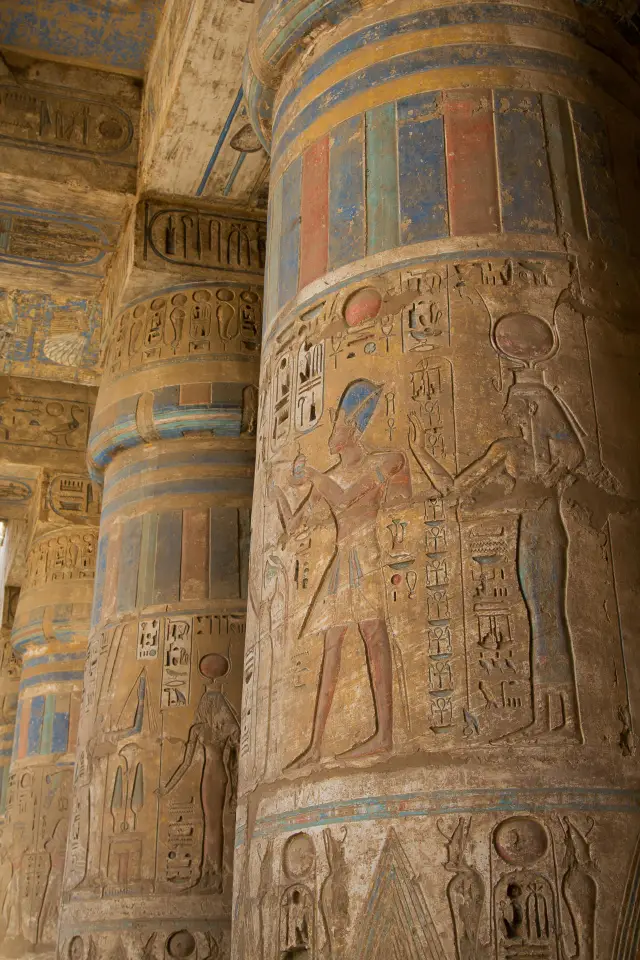
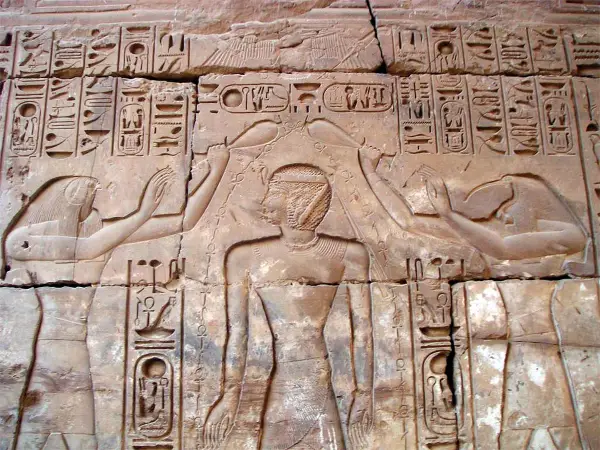
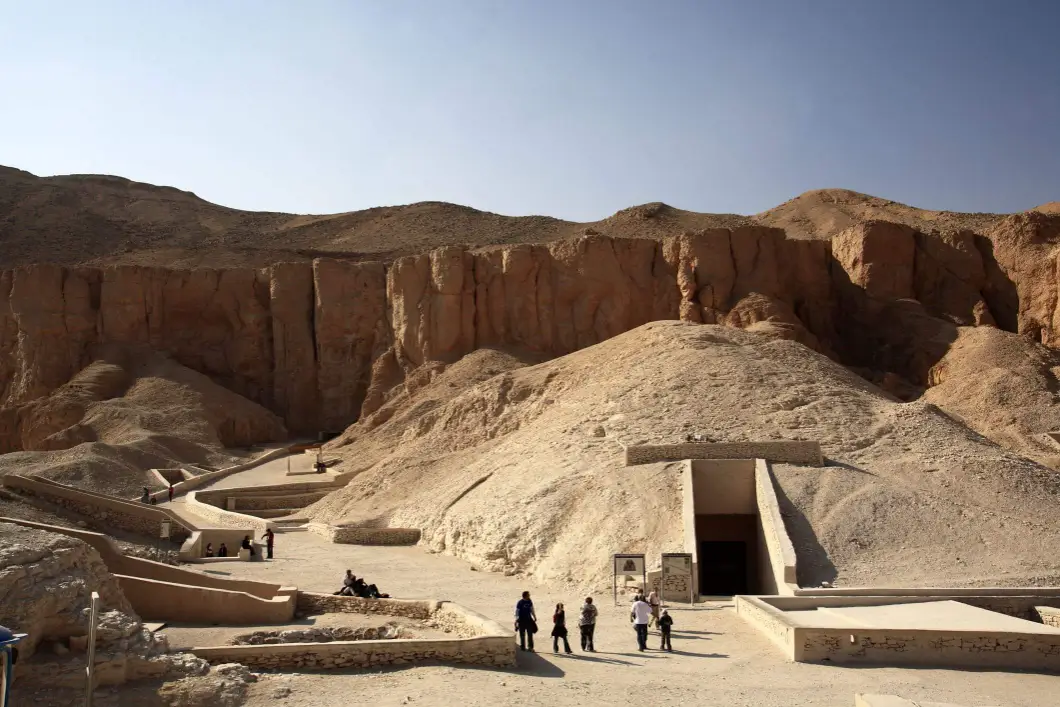
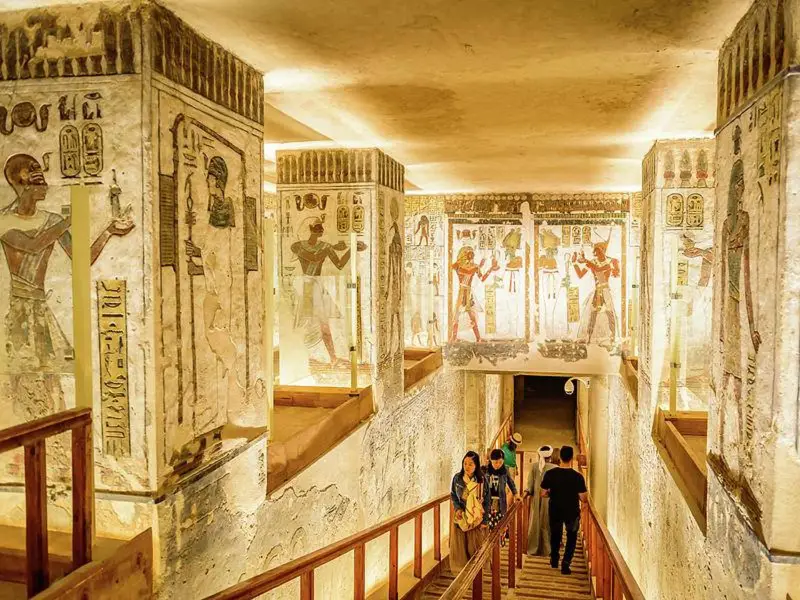
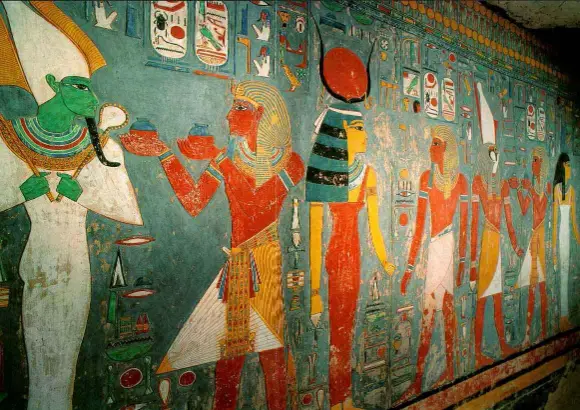
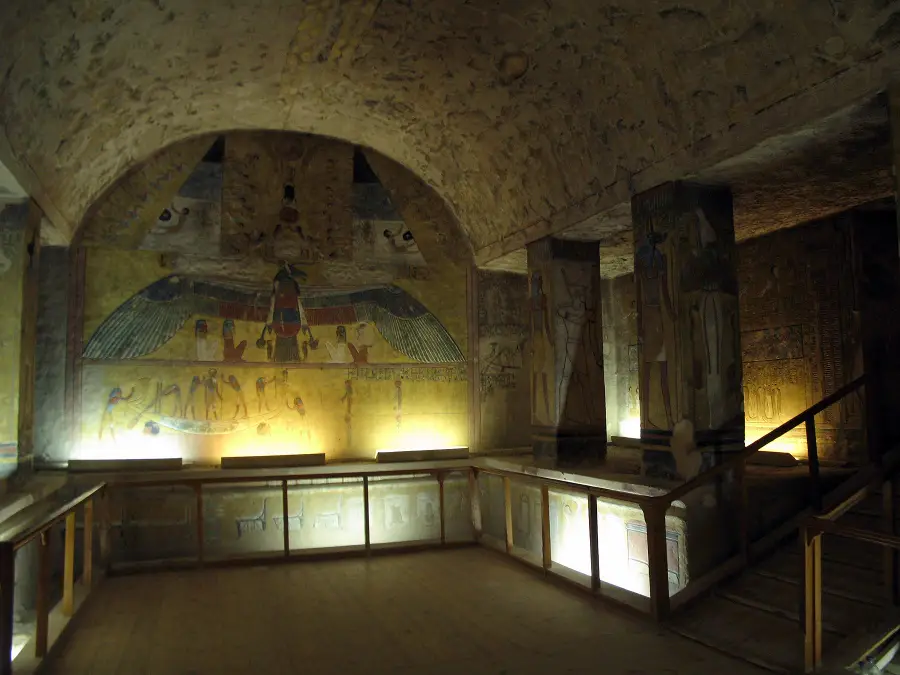
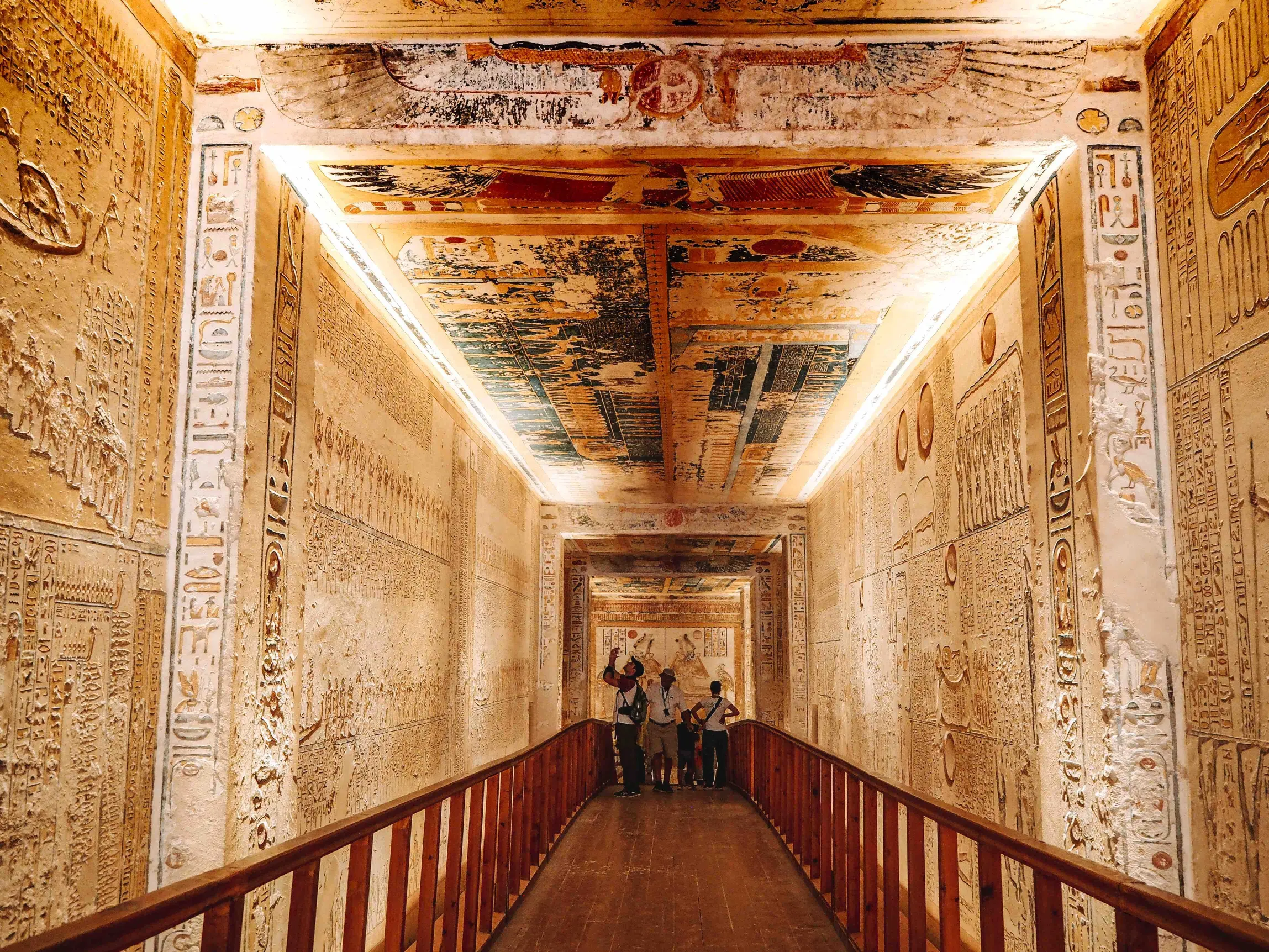
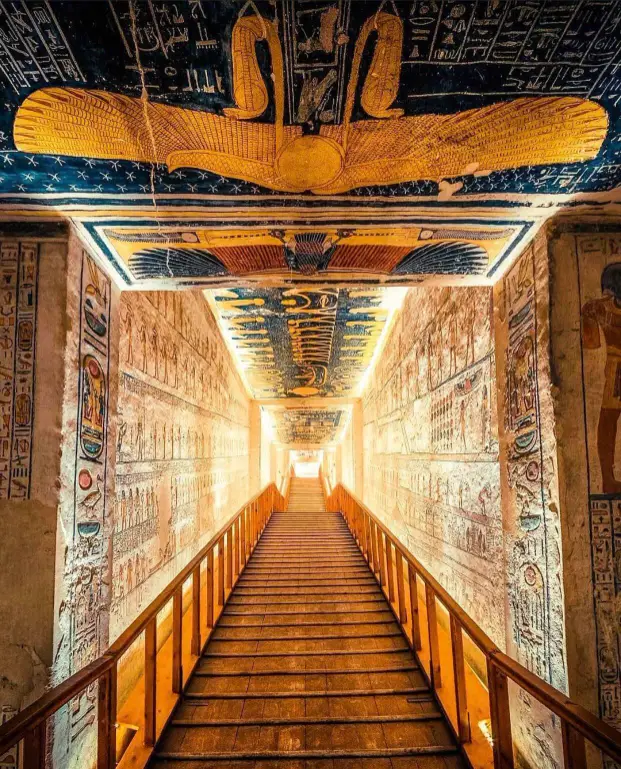
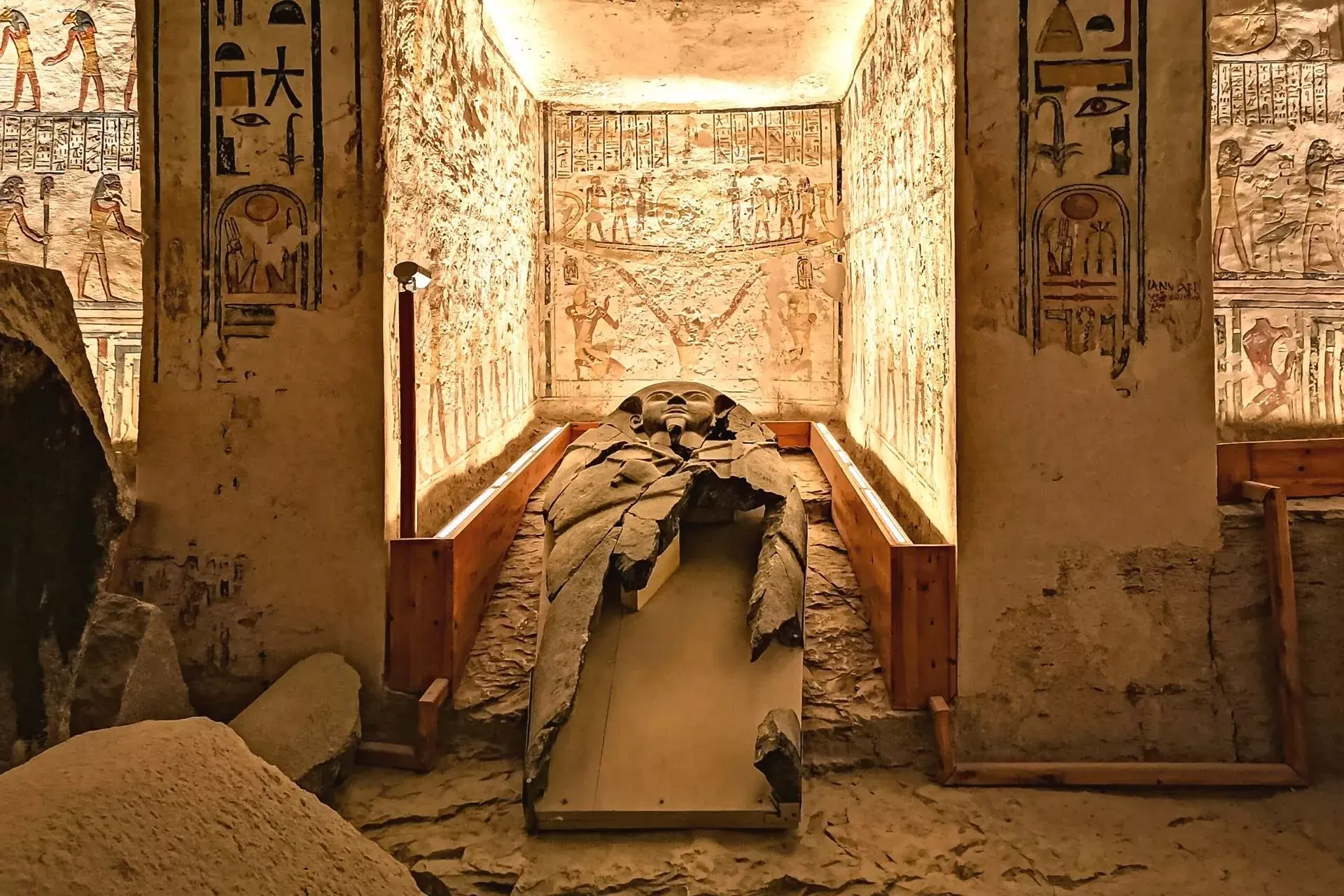
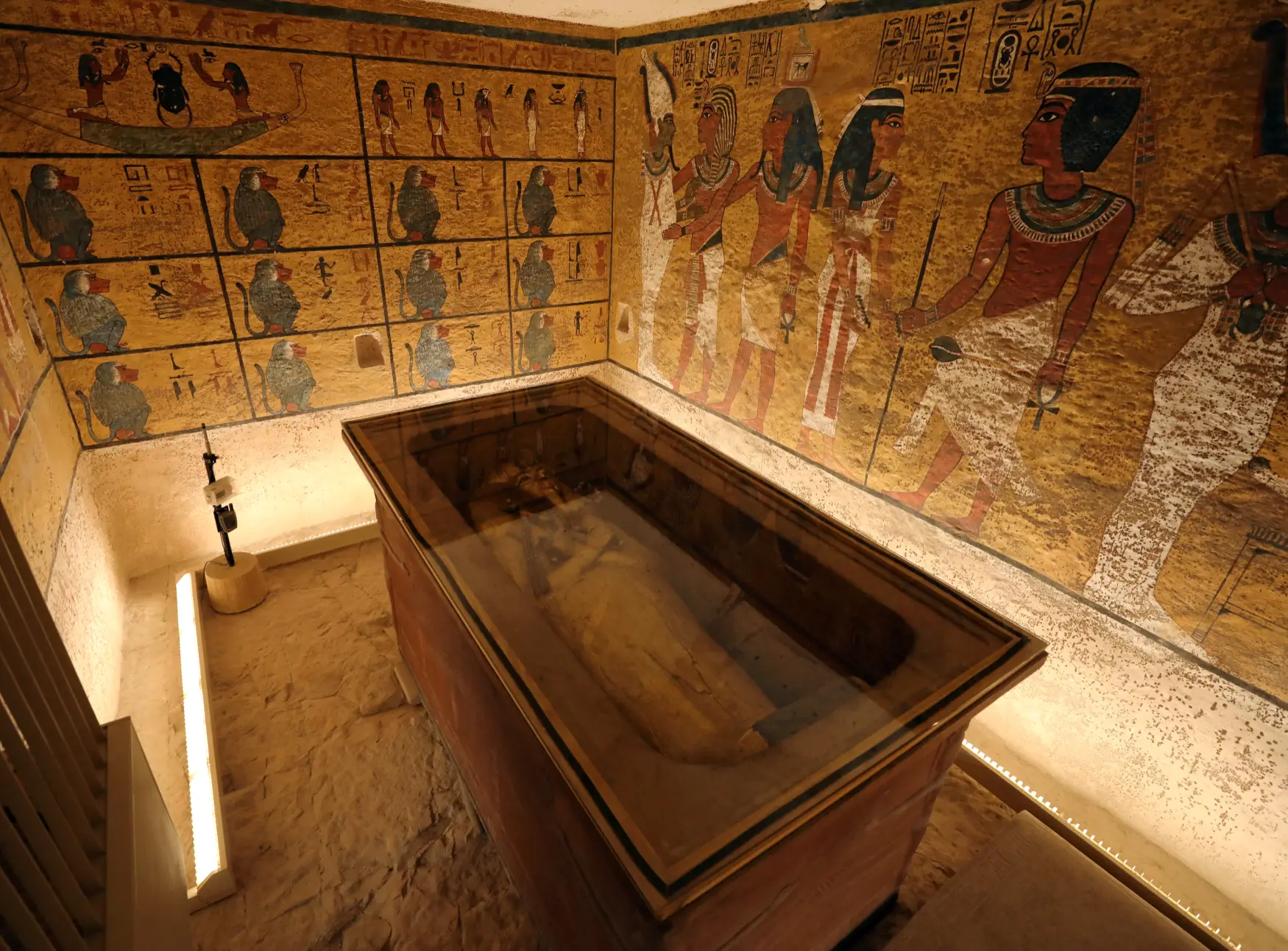
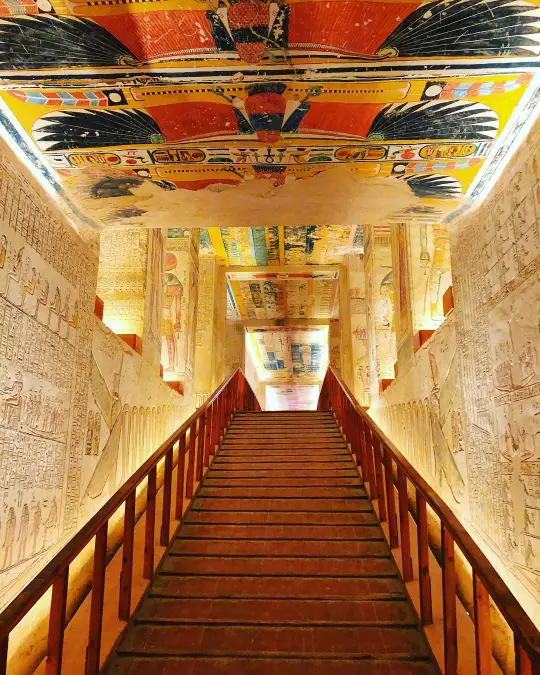
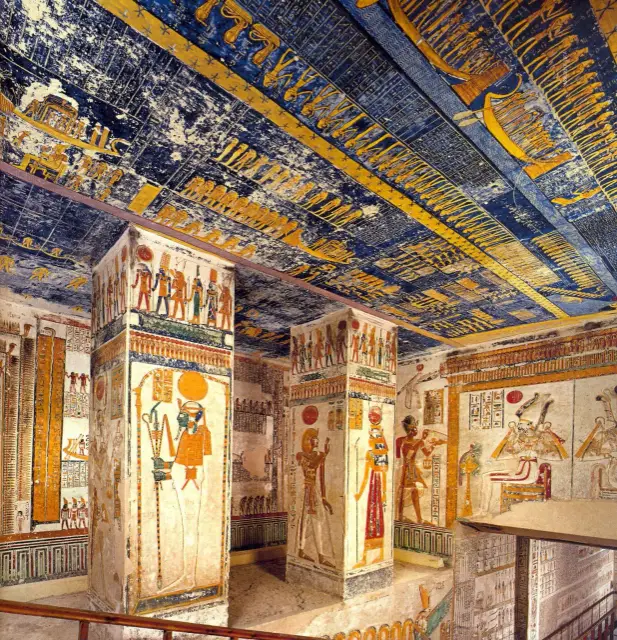
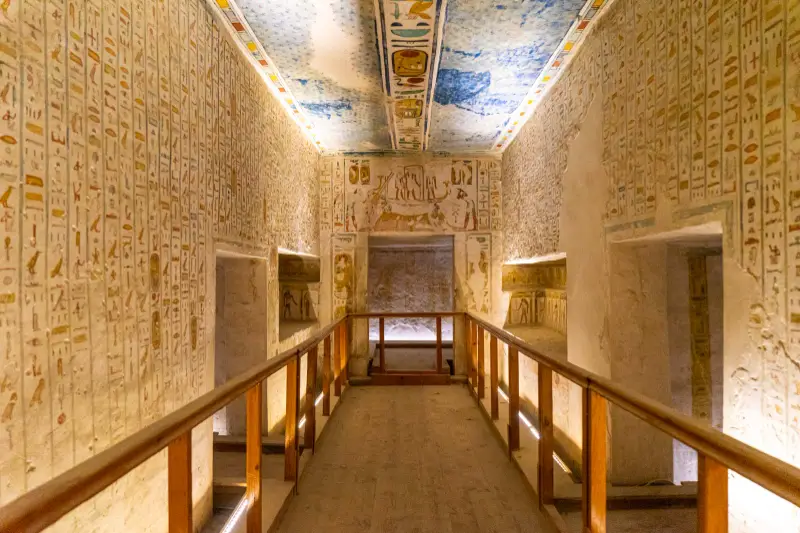
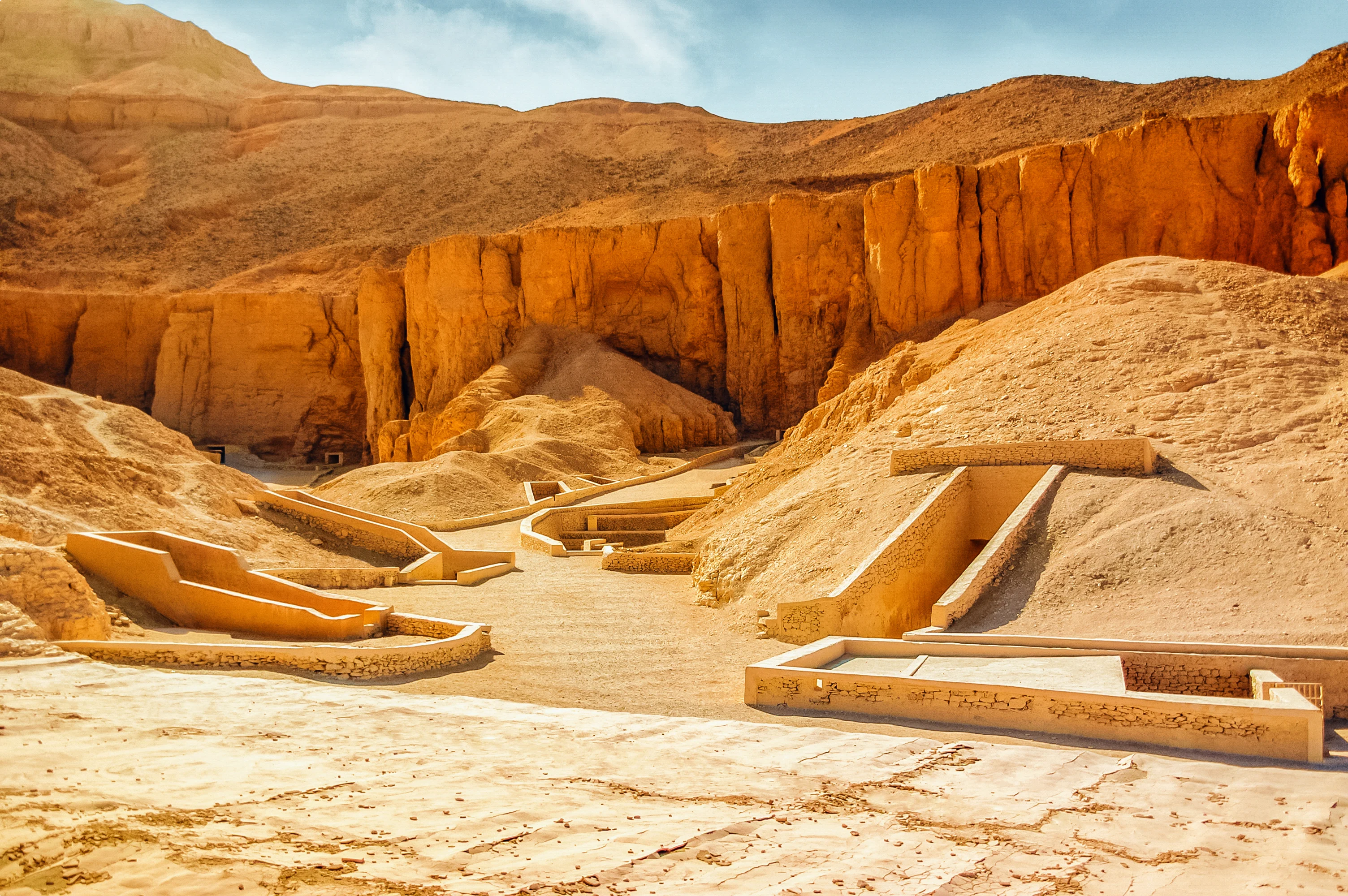
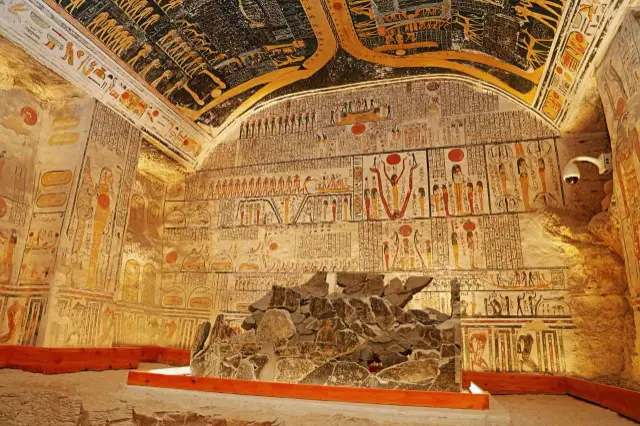
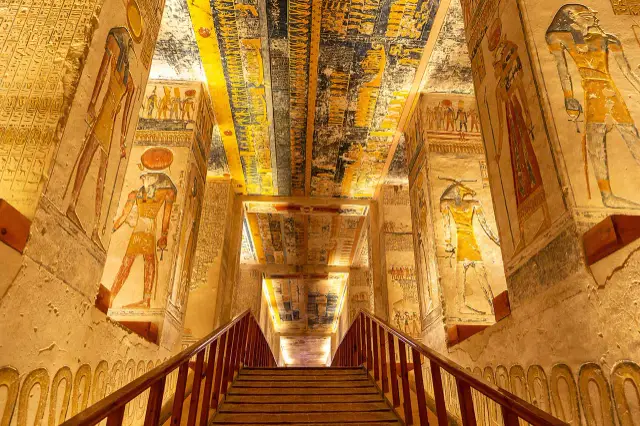
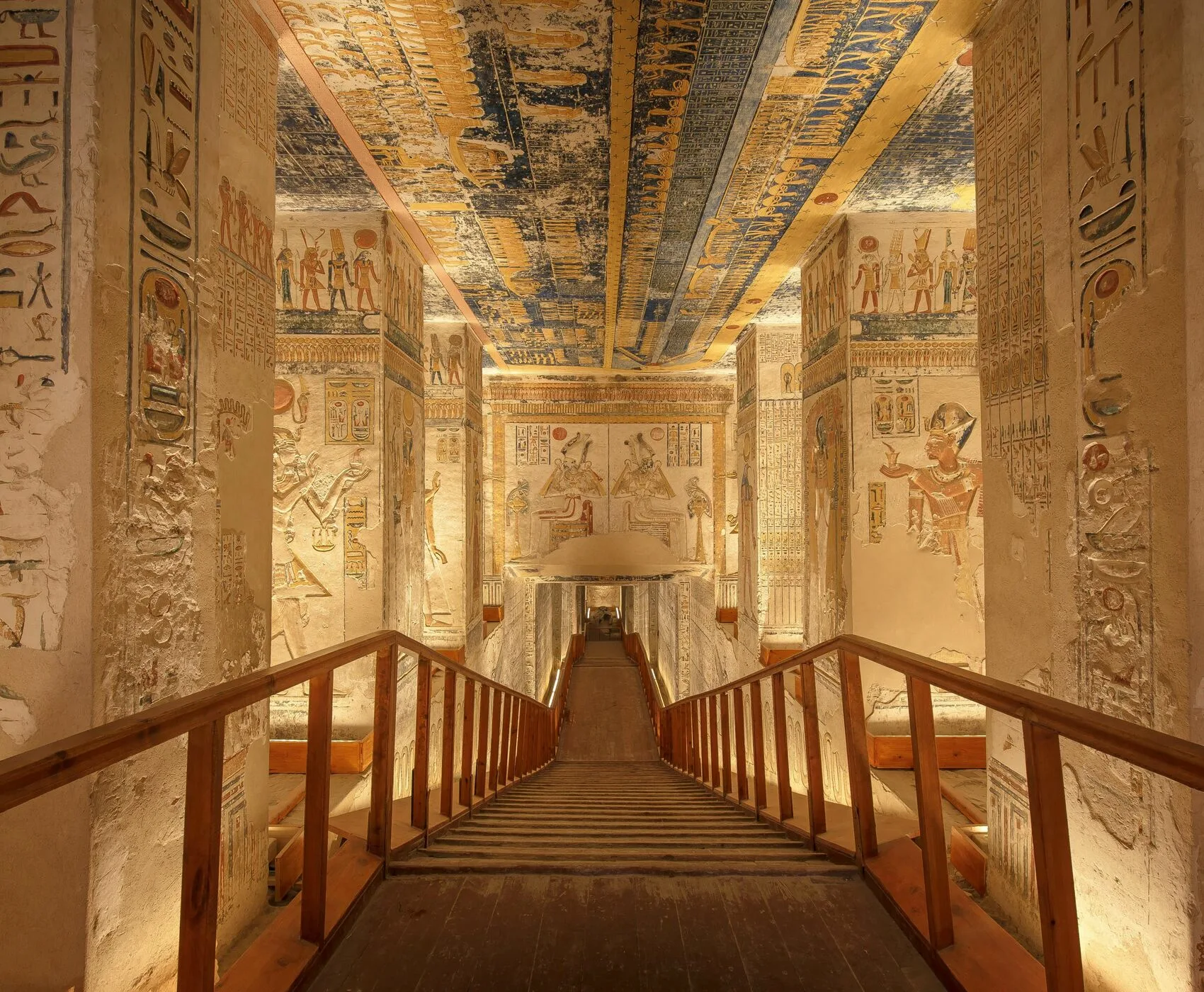
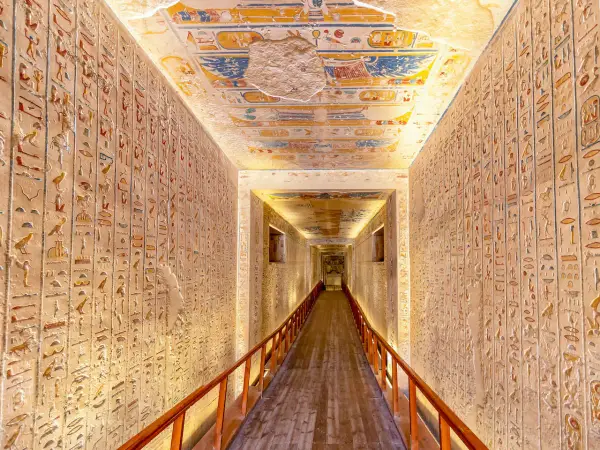
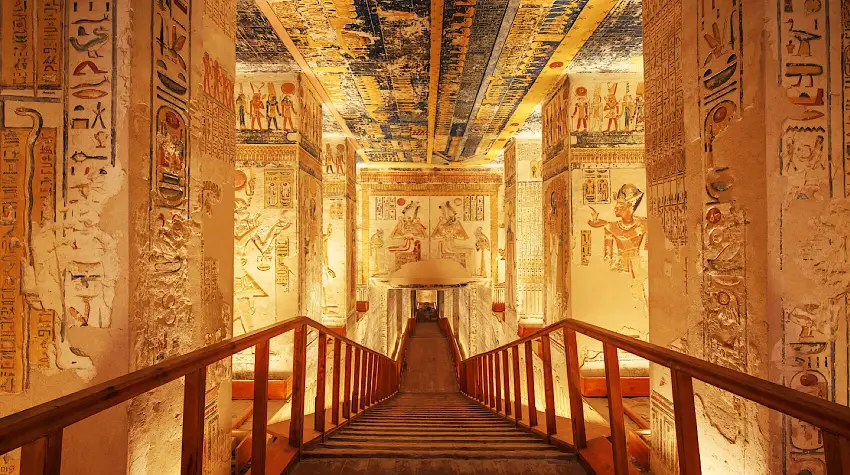
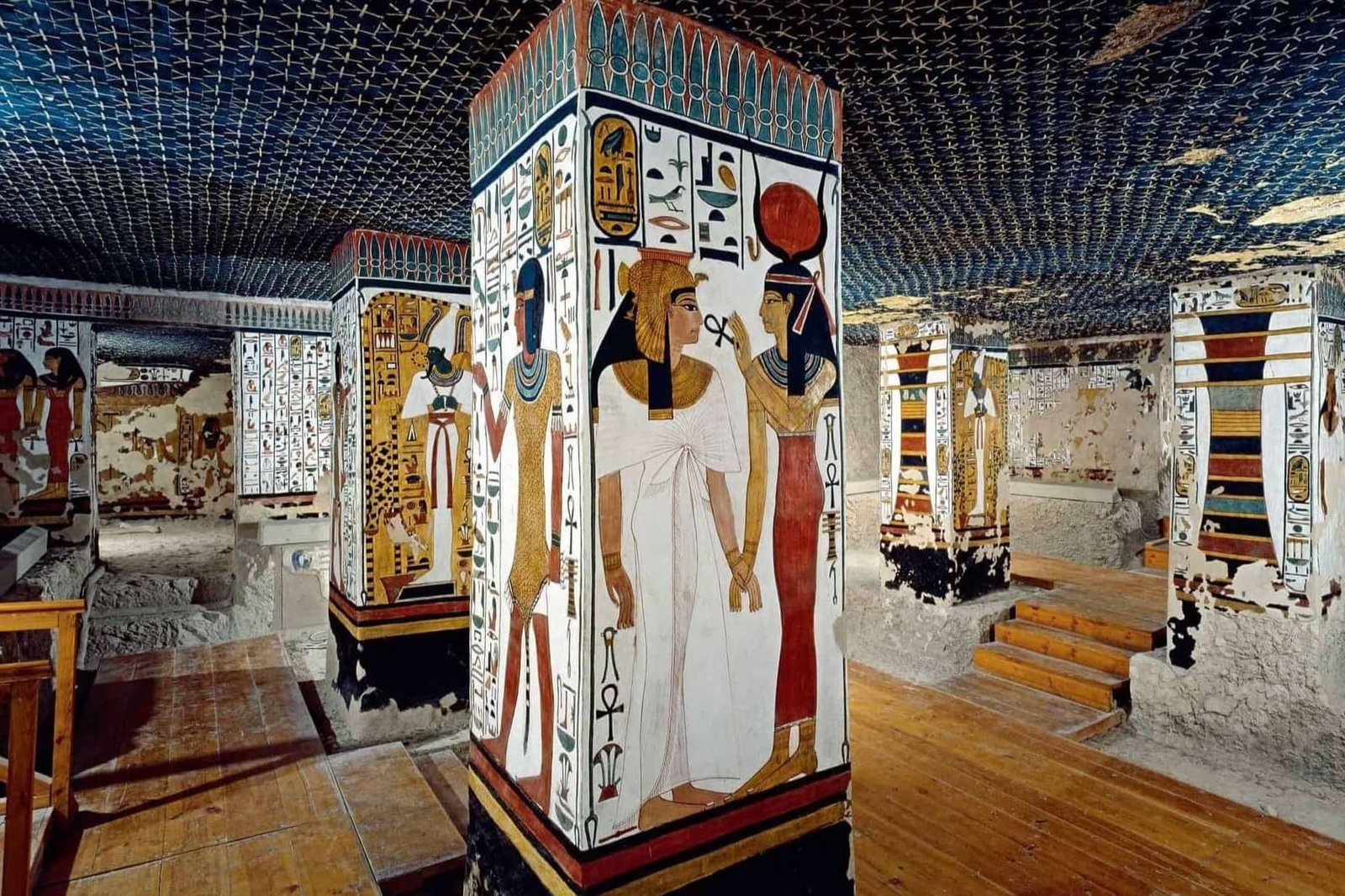
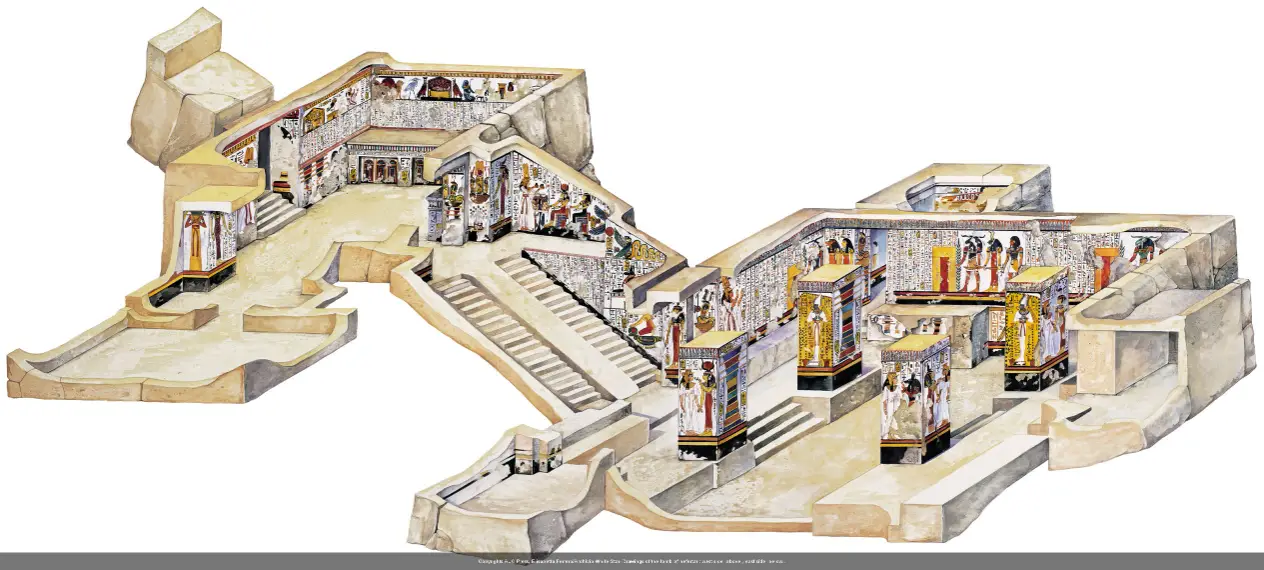
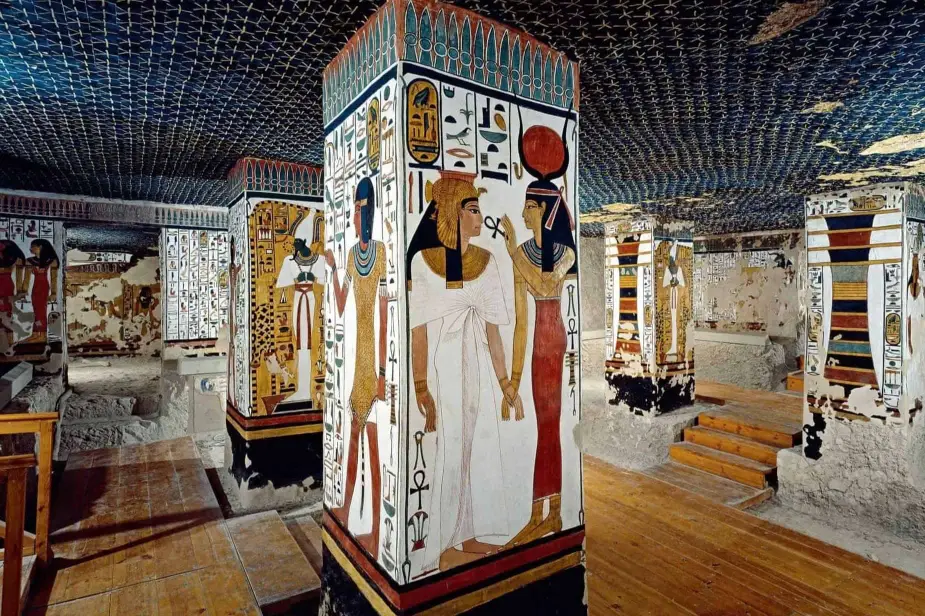
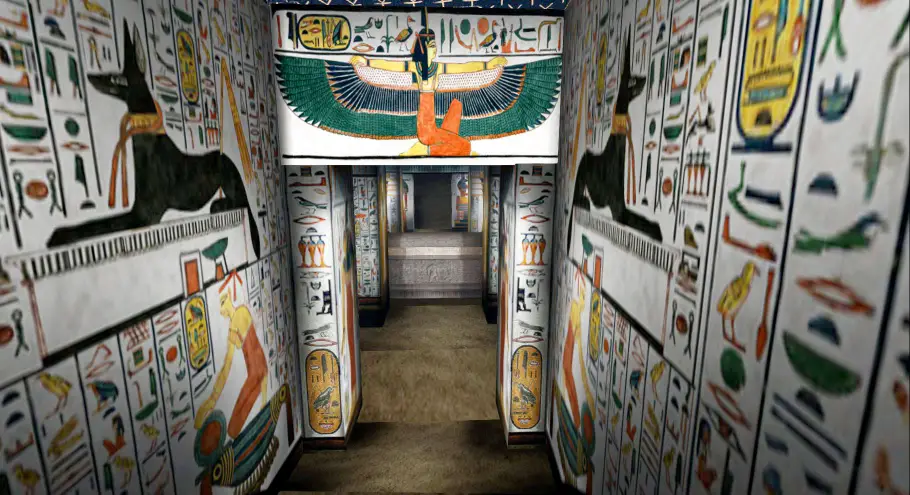
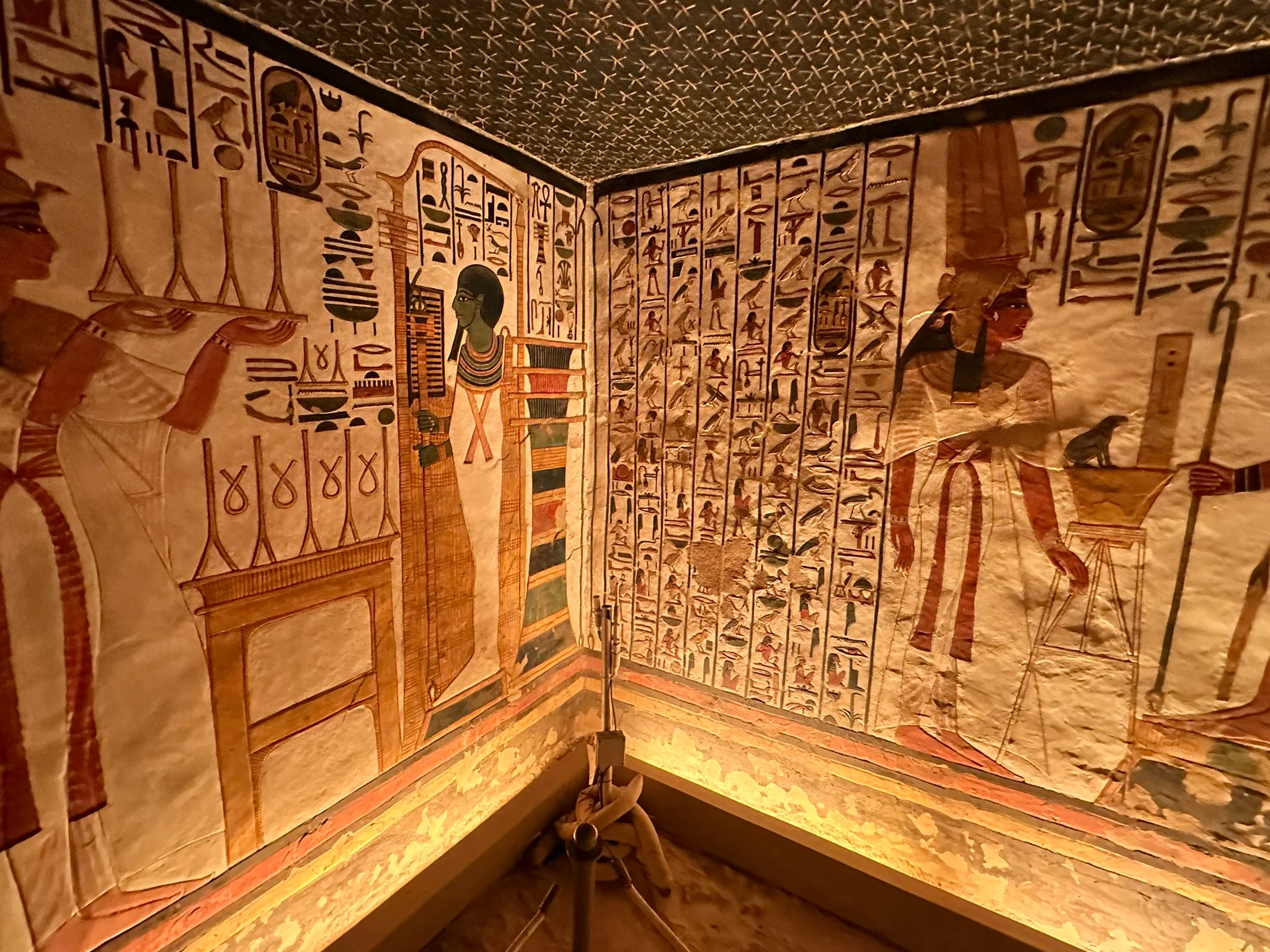
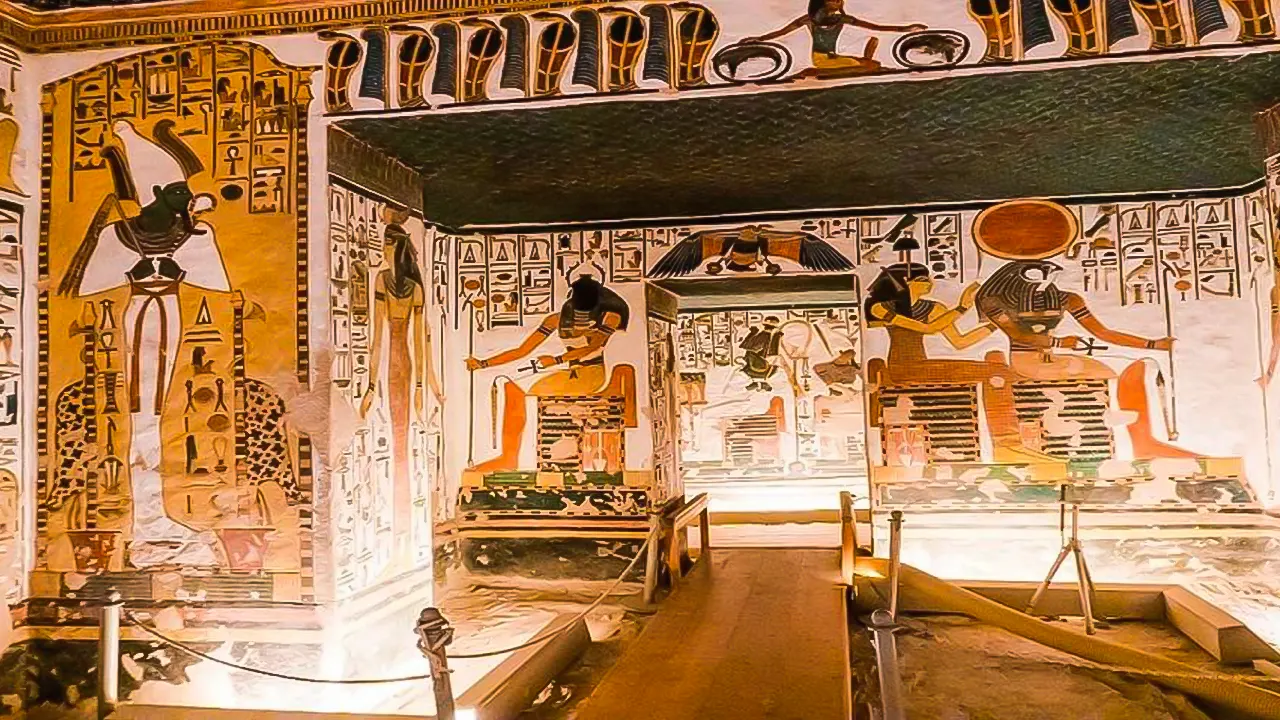
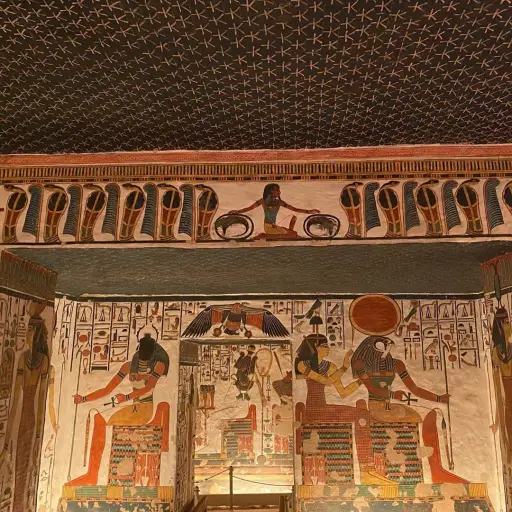
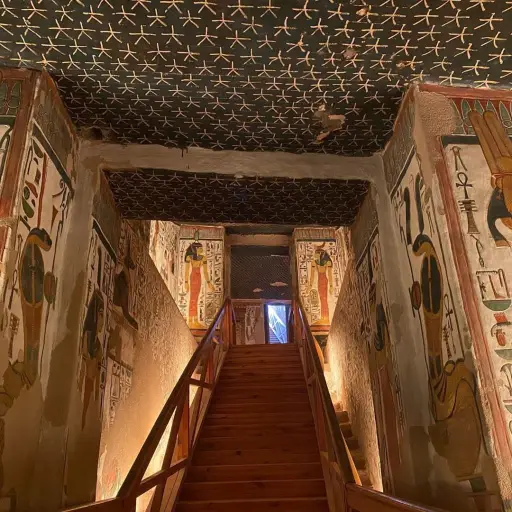
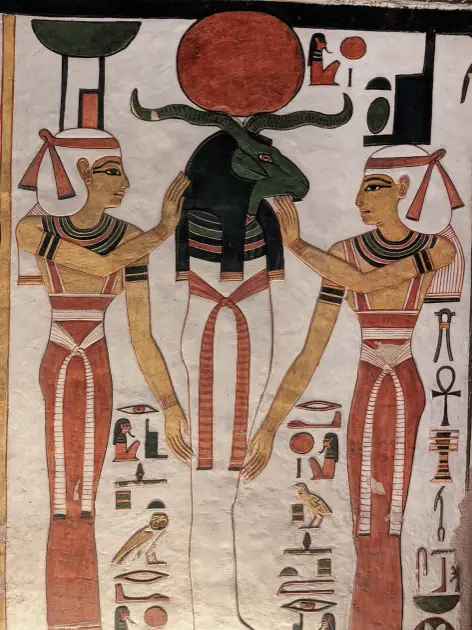
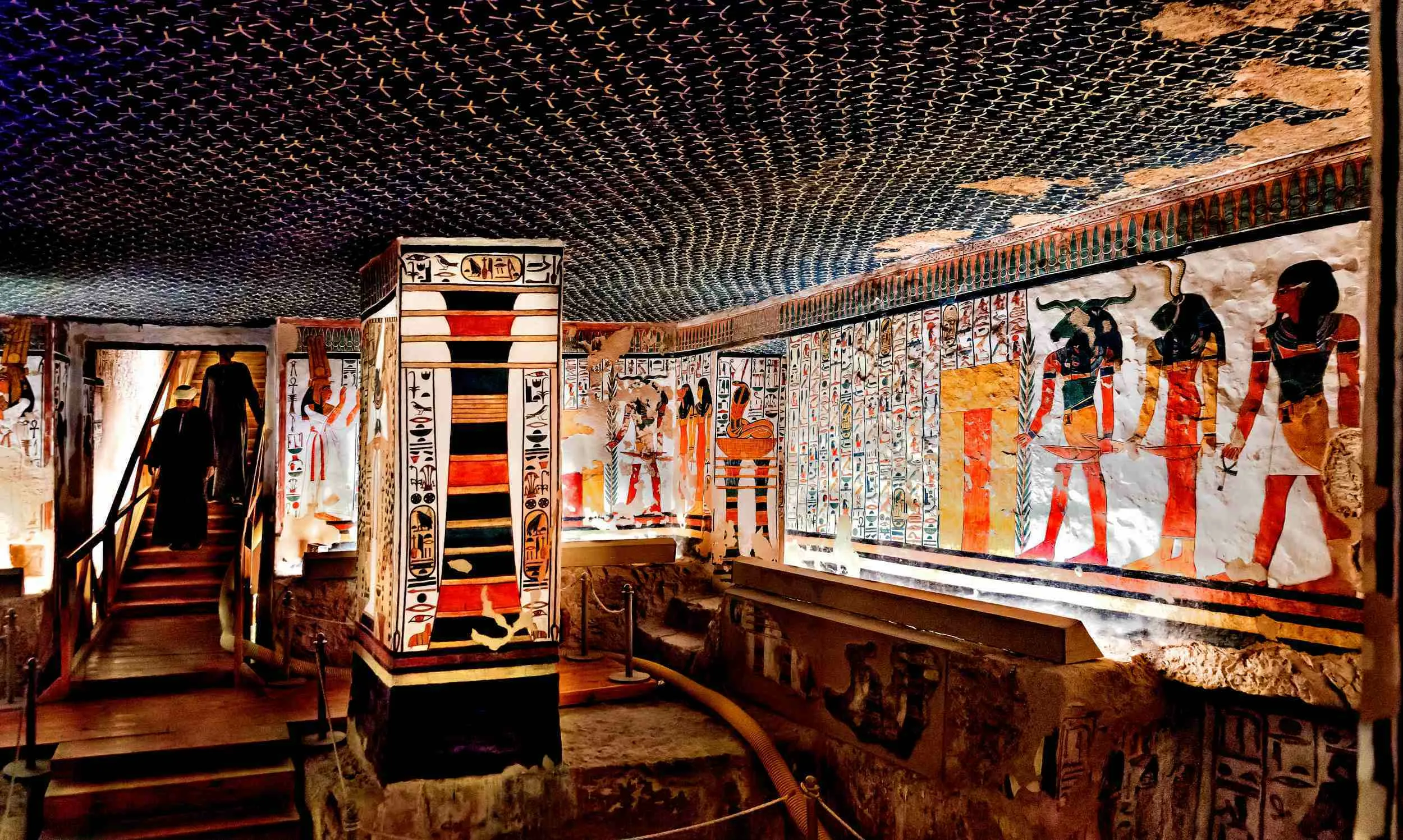
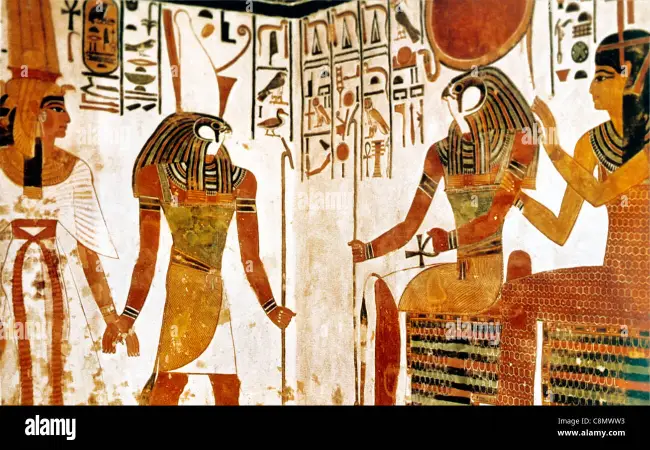
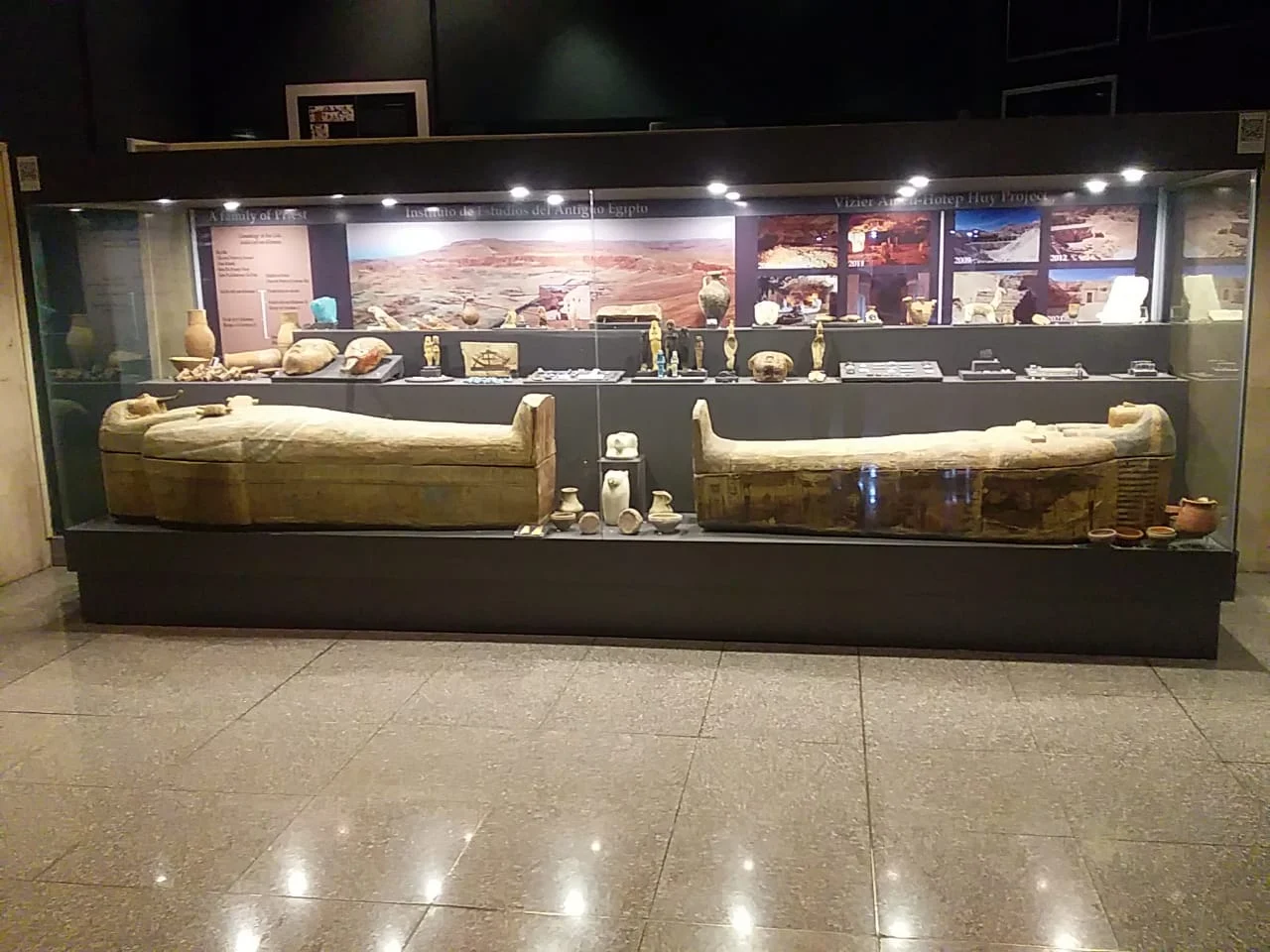
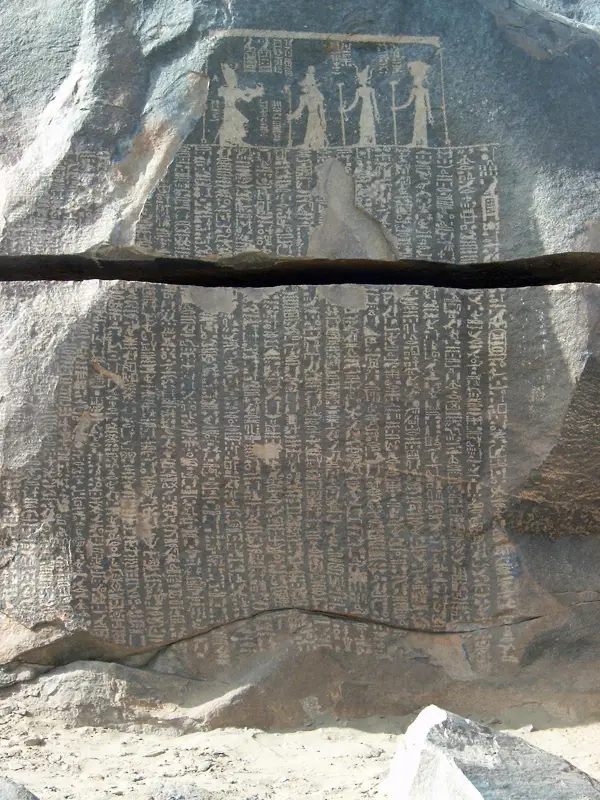
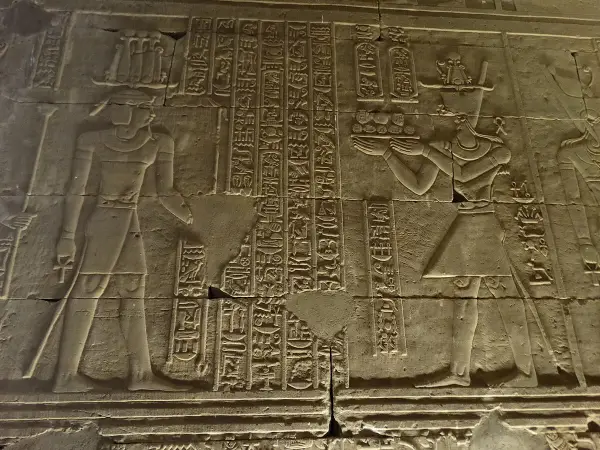
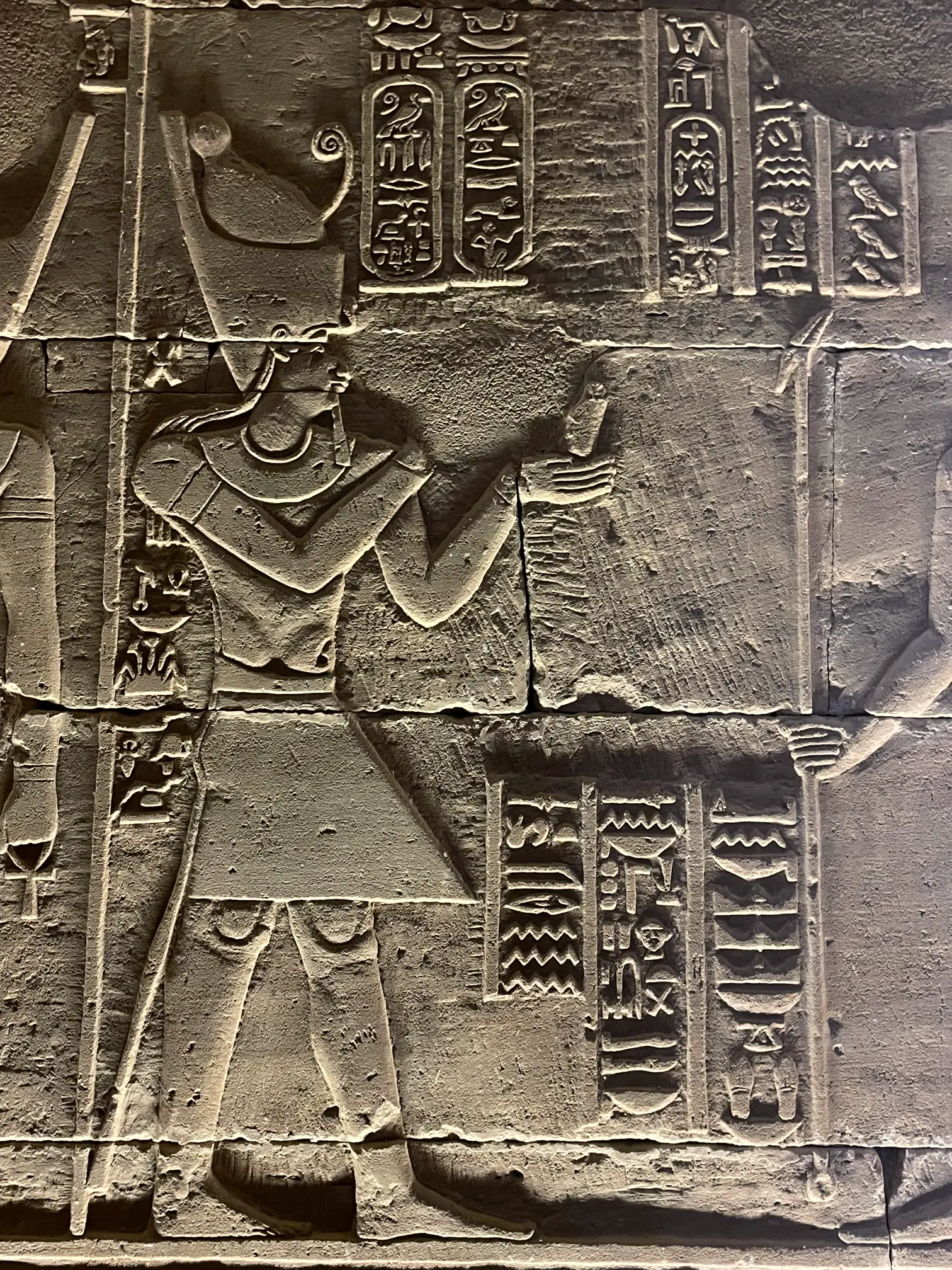
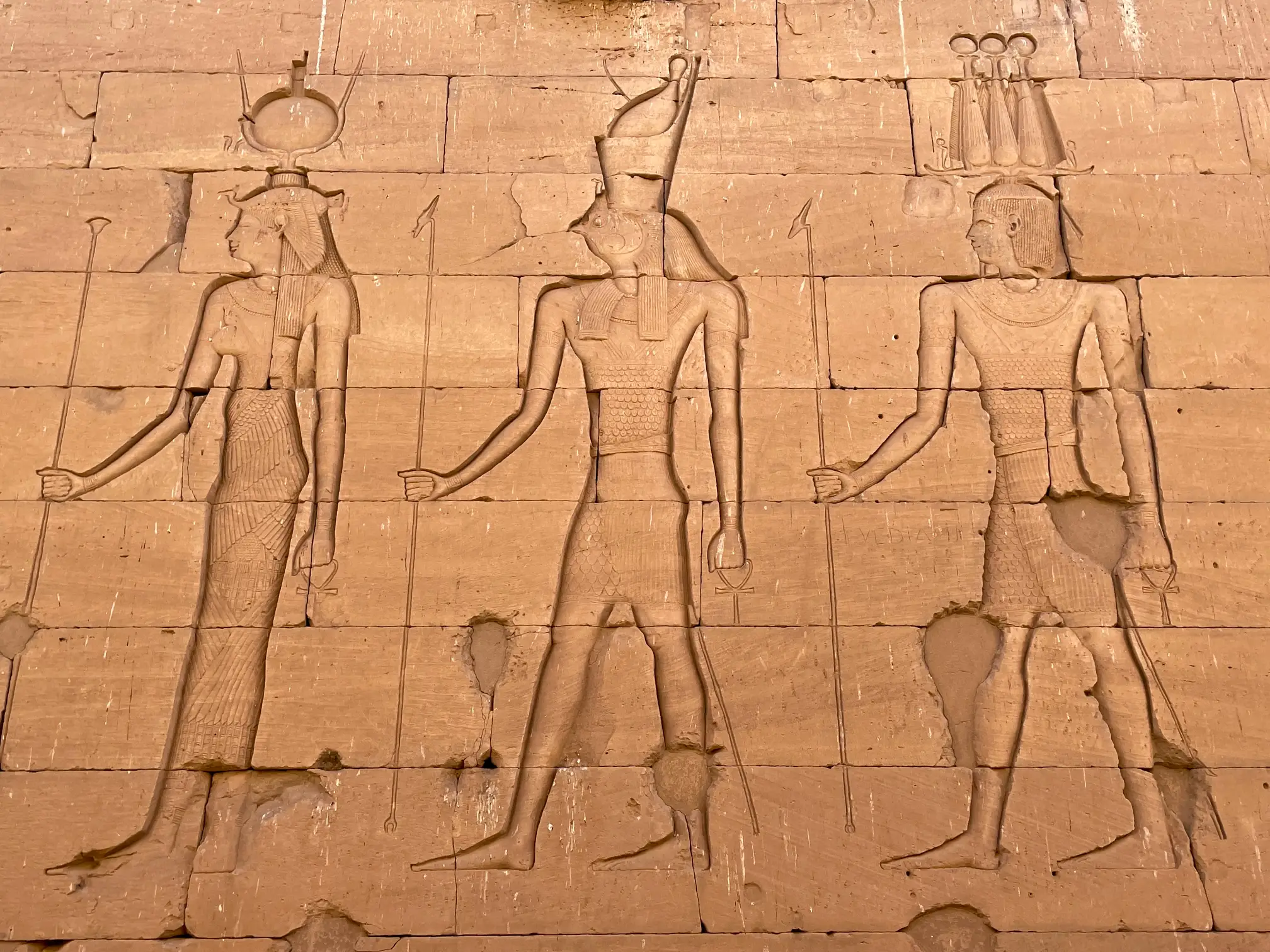
One of the most striking features of El-Kab is the necropolis of the ancient city, which contains rock-cut tombs belonging to nobles, officials, and members of the royal court. These tombs are adorned with vivid paintings and hieroglyphic inscriptions that depict scenes from daily life, religious rituals, and funerary practices of the Ancient Egyptians.
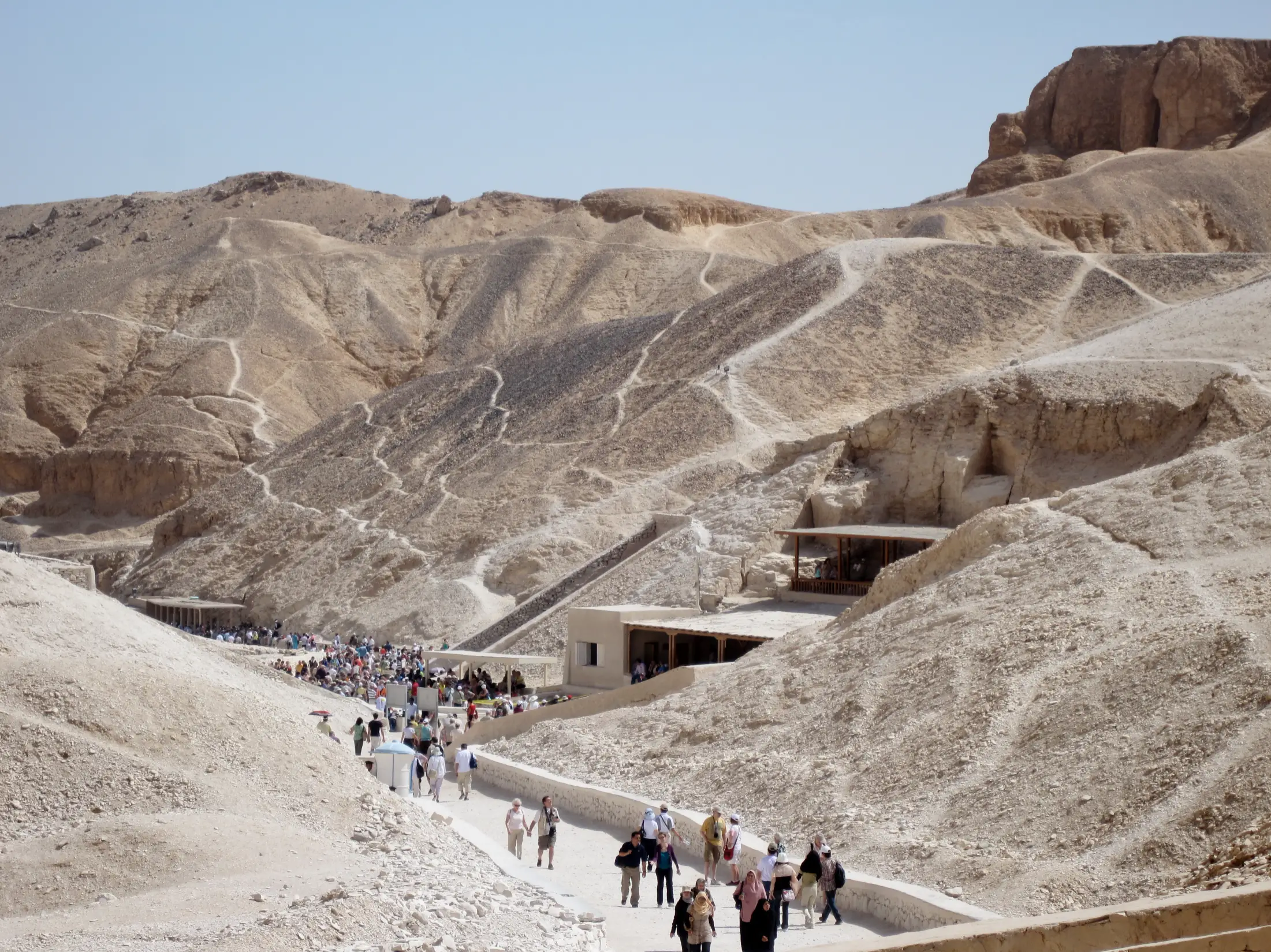
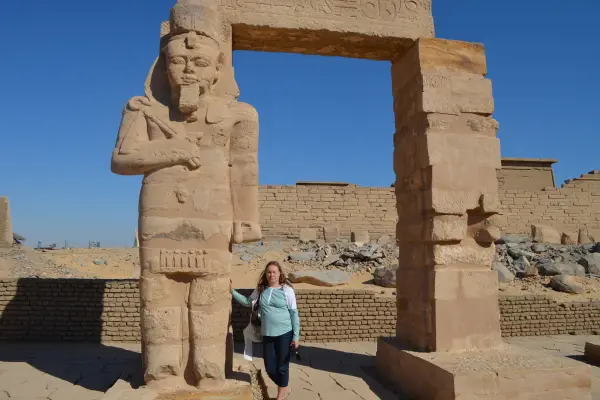
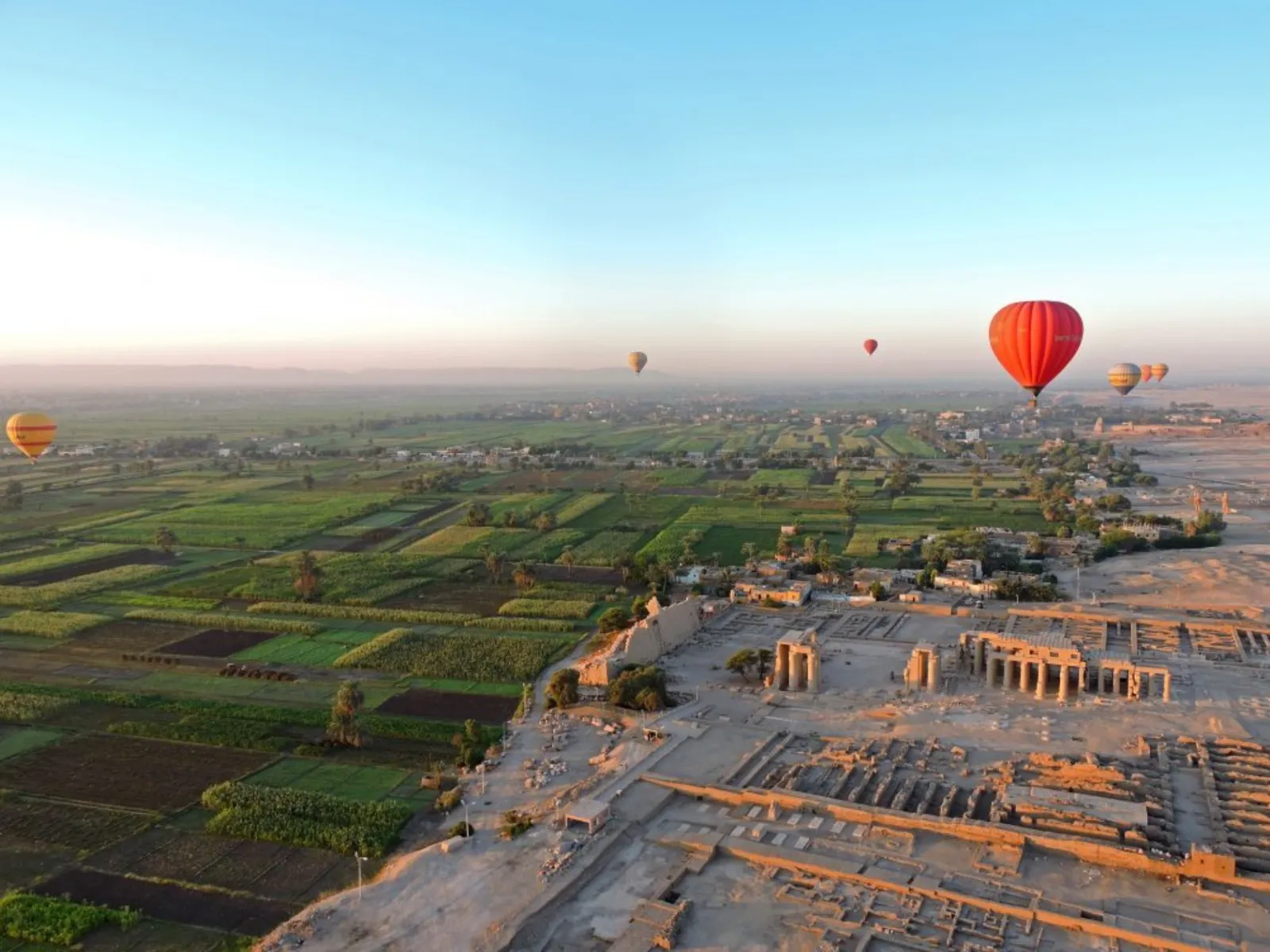
For tourists, a visit to El-Kab offers a unique opportunity to explore lesser-known archaeological sites away from the crowds of more popular destinations. The site provides a glimpse into the daily life and beliefs of Ancient Egyptians, allowing visitors to immerse themselves in the rich history and culture of this ancient civilization.
El-Kab's historical significance, well-preserved monuments, and serene atmosphere make it a rewarding destination for travelers seeking a deeper understanding of Egypt's ancient past. Its lesser-visited status adds to the charm of the site, offering a more intimate and authentic experience for those interested in archaeology, history, and ancient civilizations.