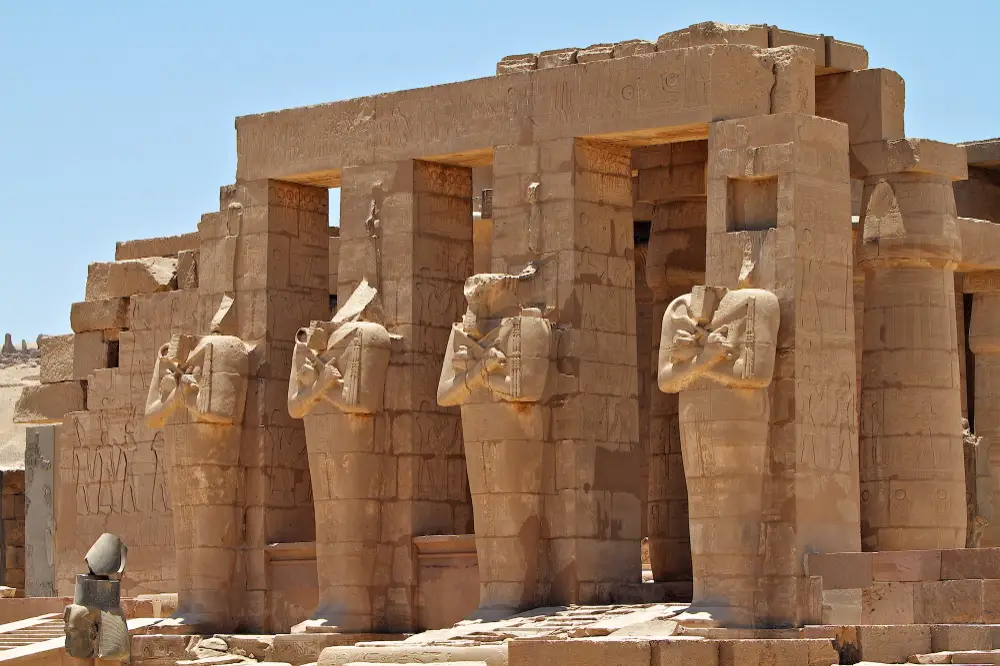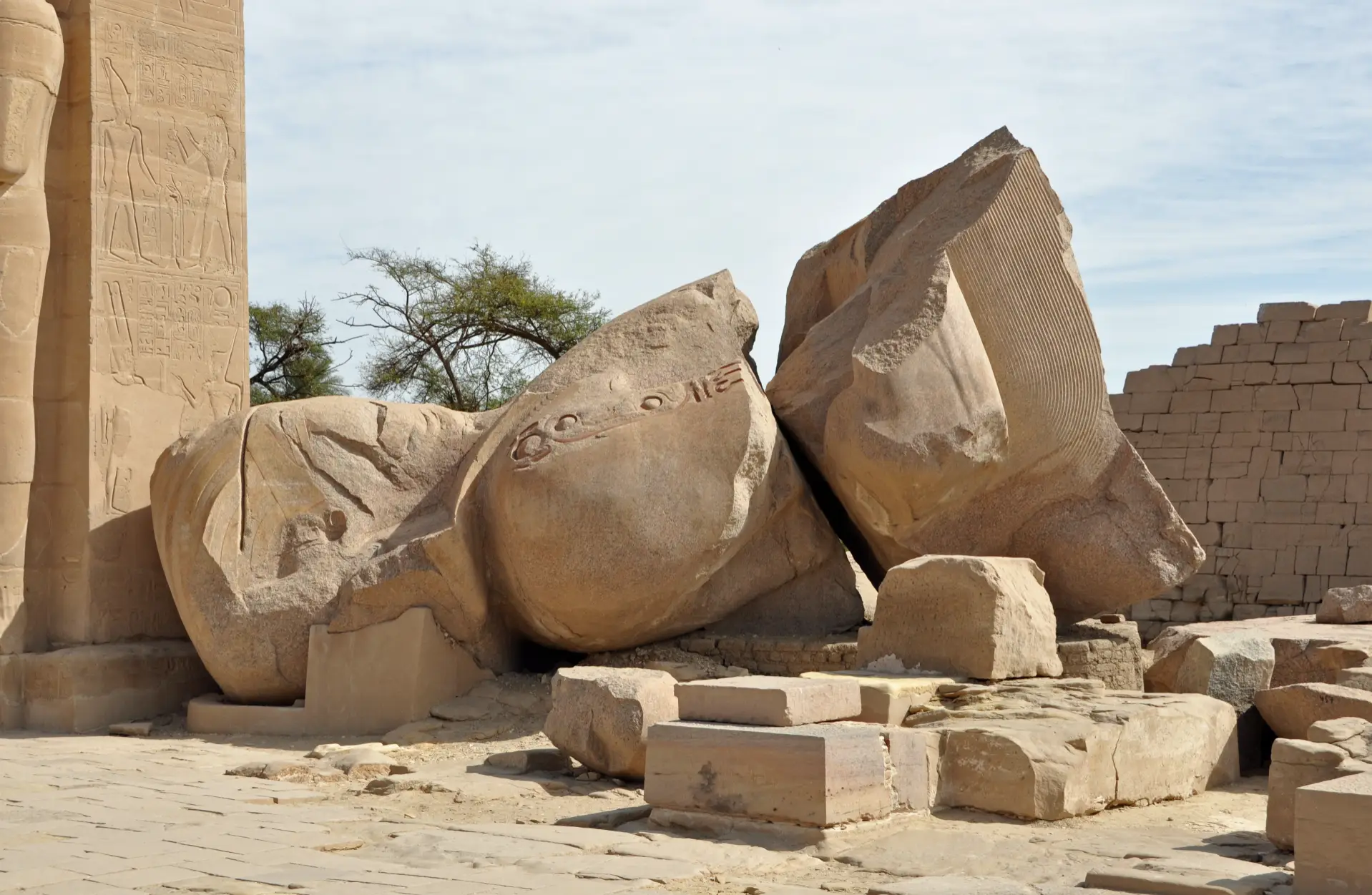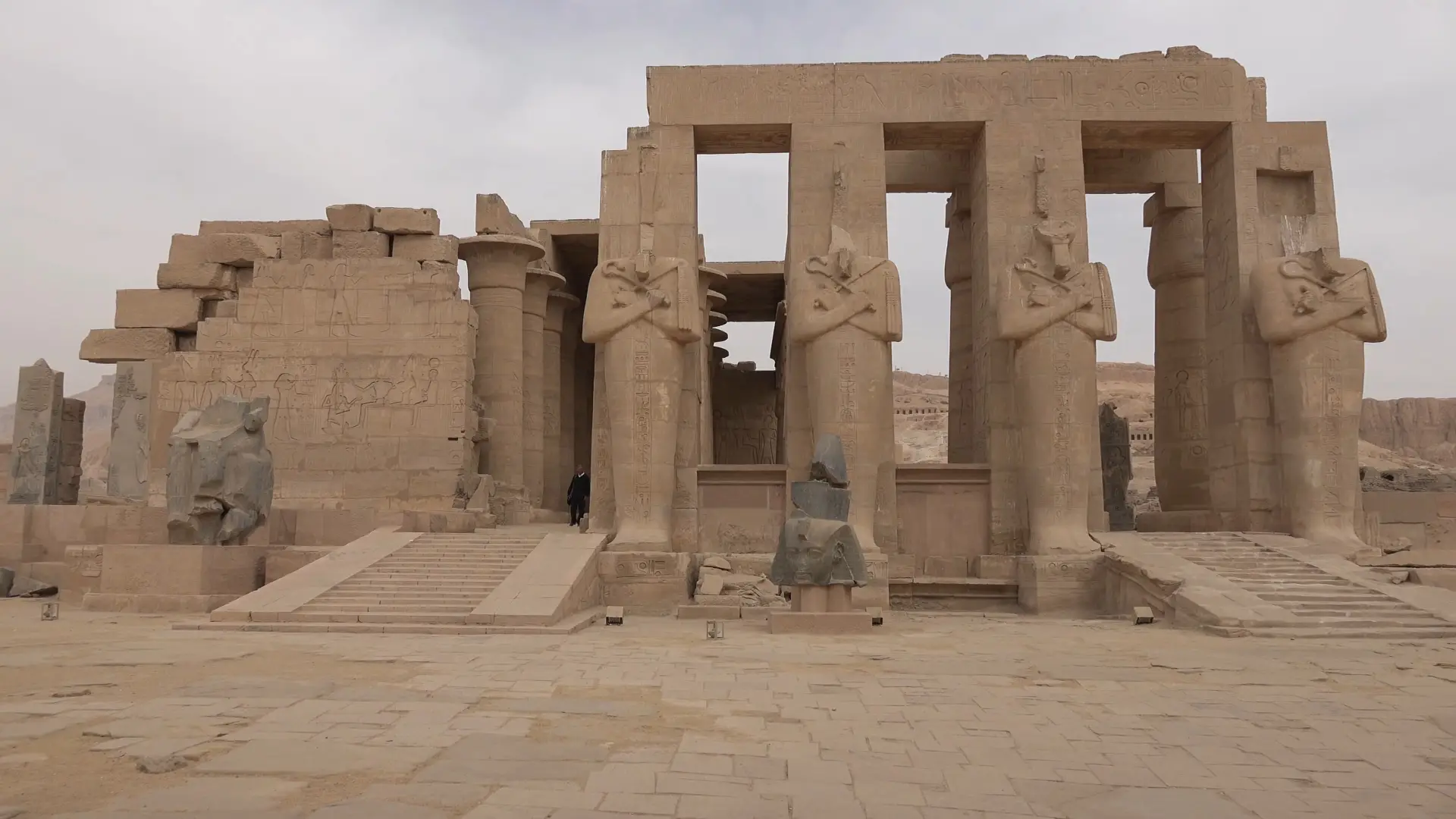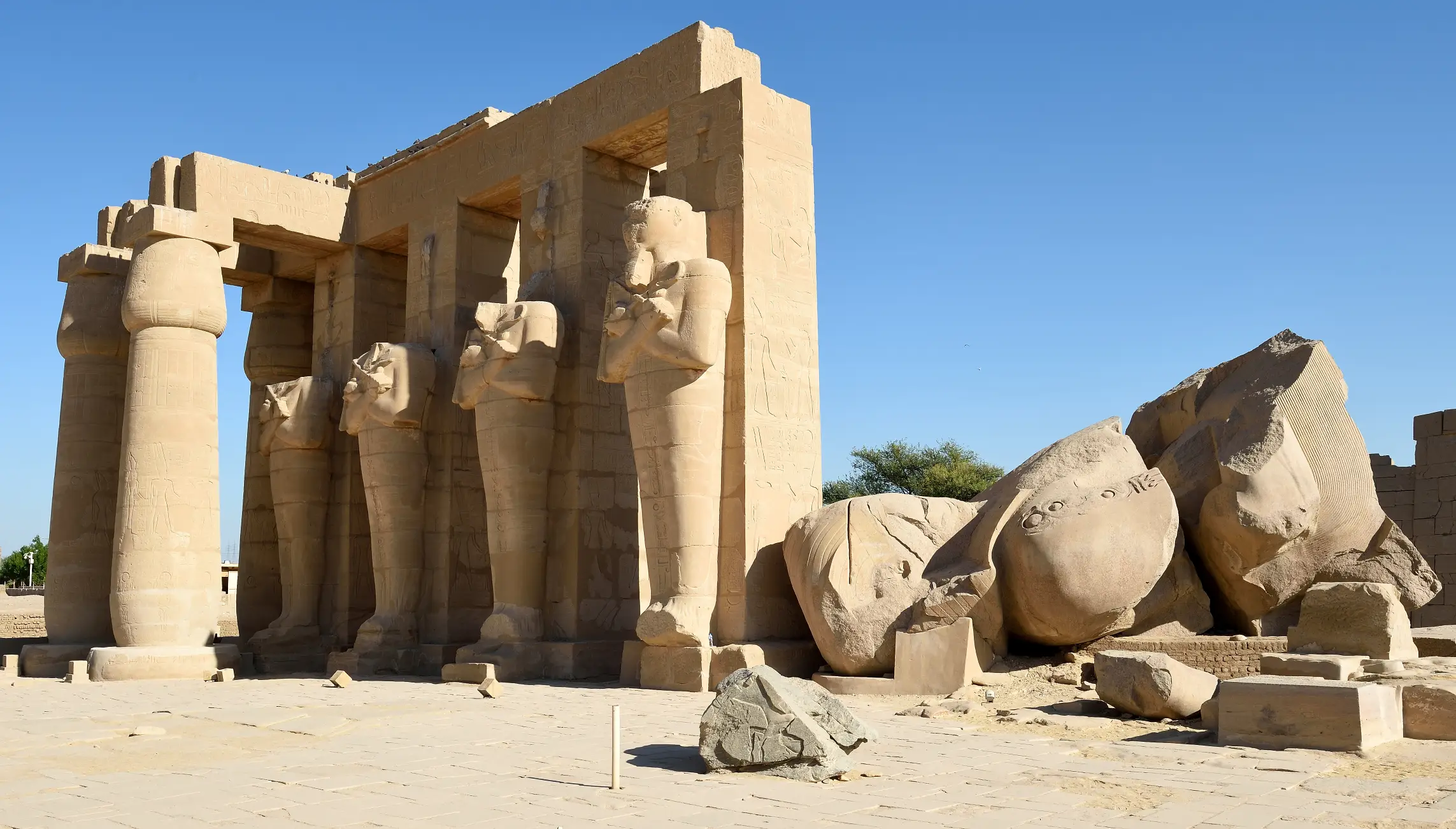


The Ramesseum, located in Luxor, Egypt, is an ancient temple that holds great historical and cultural significance. Built by Pharaoh Ramesses II in the 13th century BC, this temple is dedicated to the worship of the gods Amun, Ptah, and Ra-Horakhty. The Ramesseum is renowned for its colossal statues...
The Ramesseum, located in Luxor, Egypt, is an ancient temple that holds great historical and cultural significance. Built by Pharaoh Ramesses II in the 13th century BC, this temple is dedicated to the worship of the gods Amun, Ptah, and Ra-Horakhty.
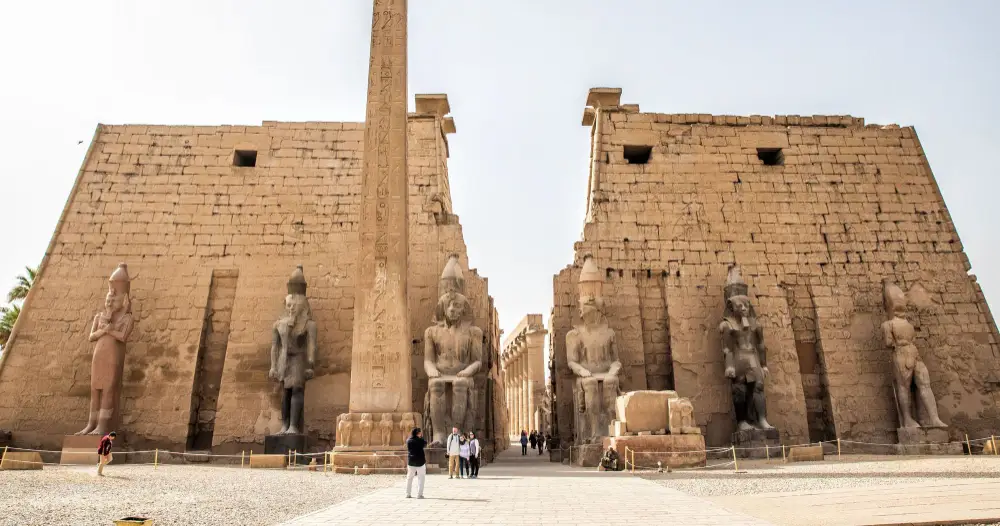
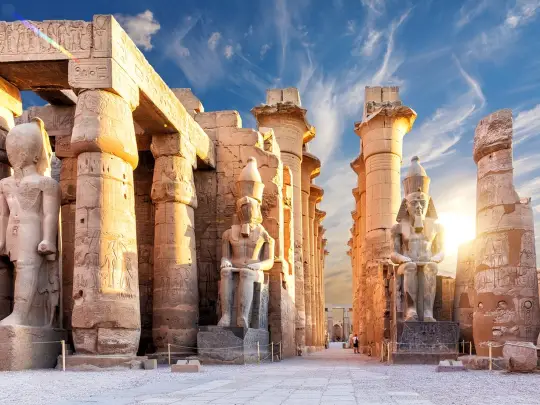
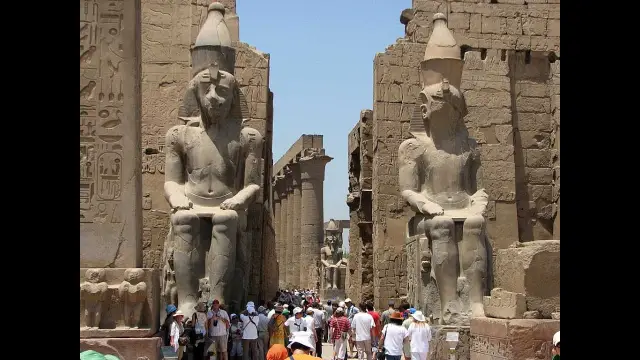
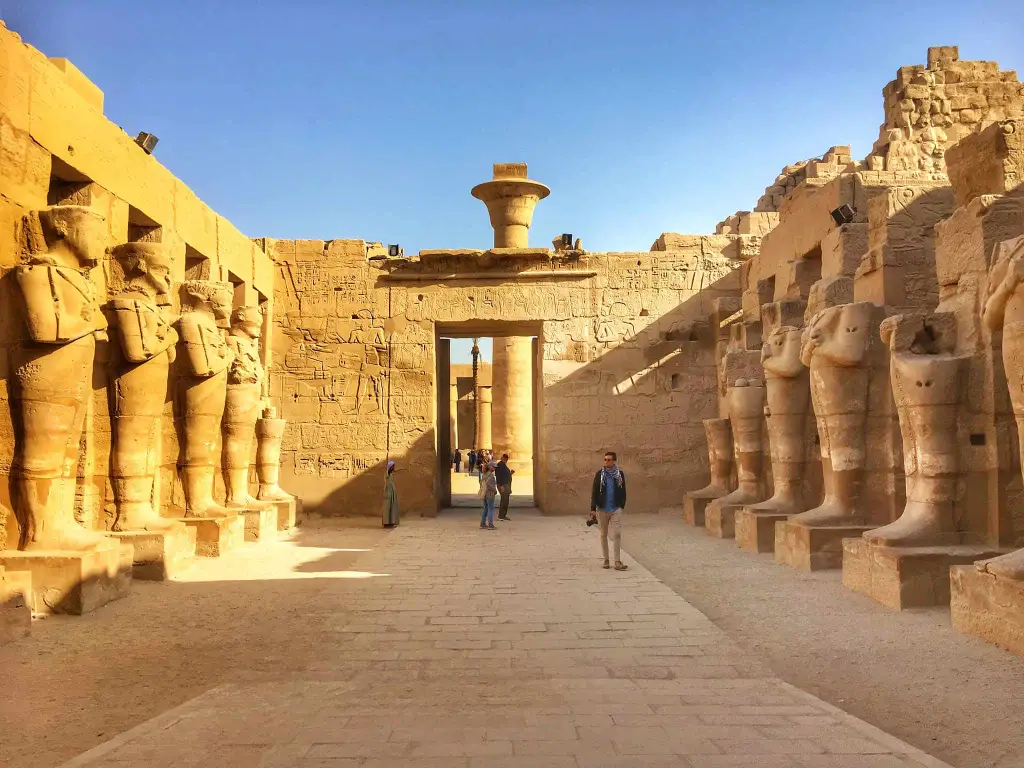
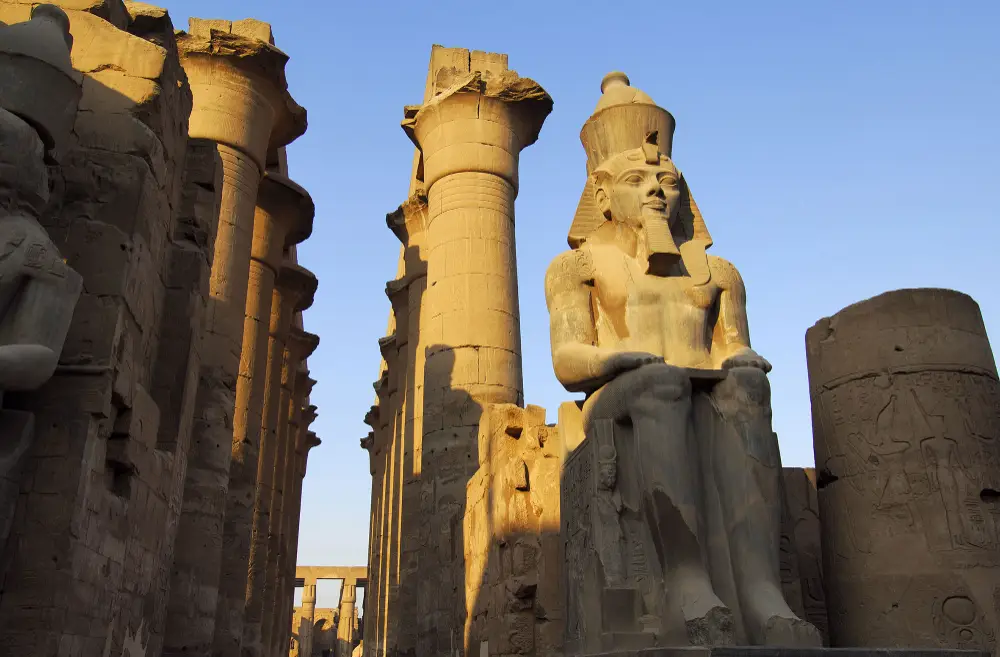
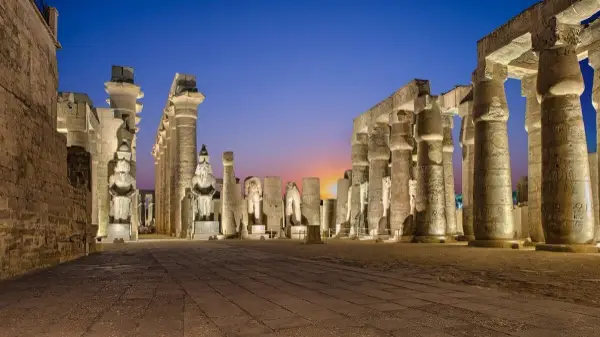
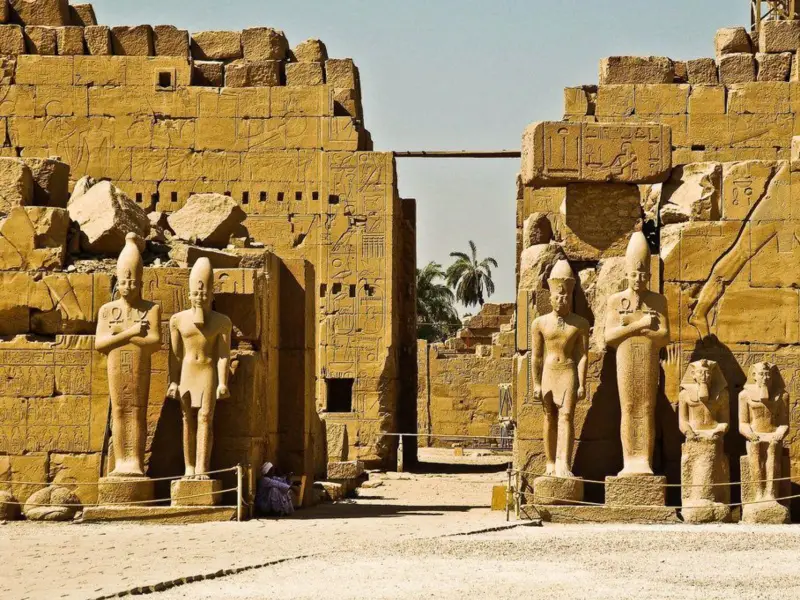
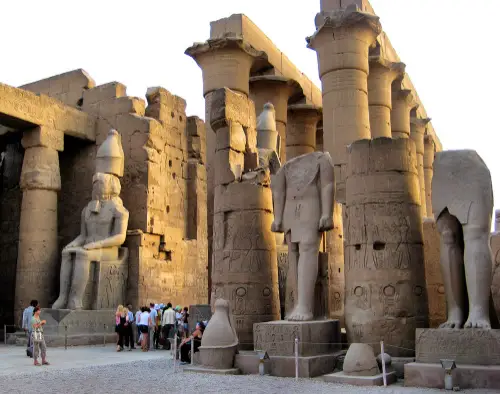
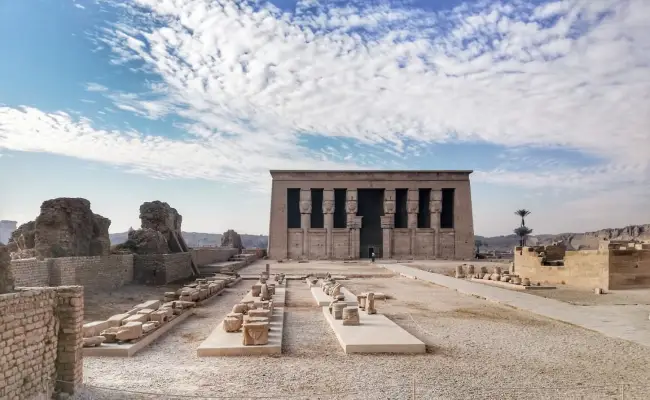
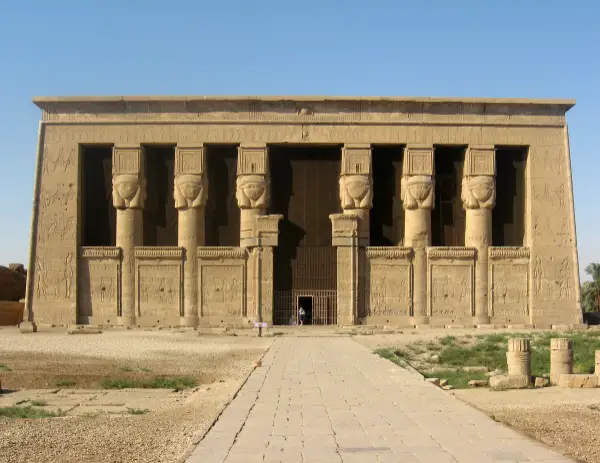
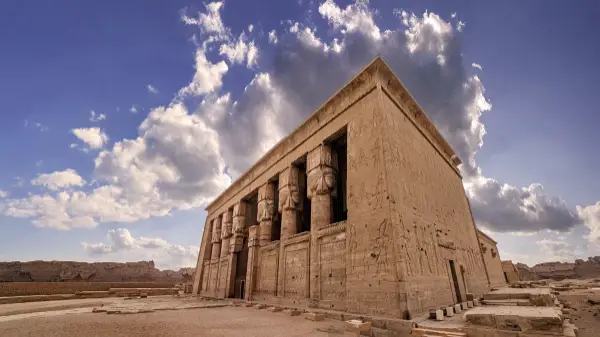
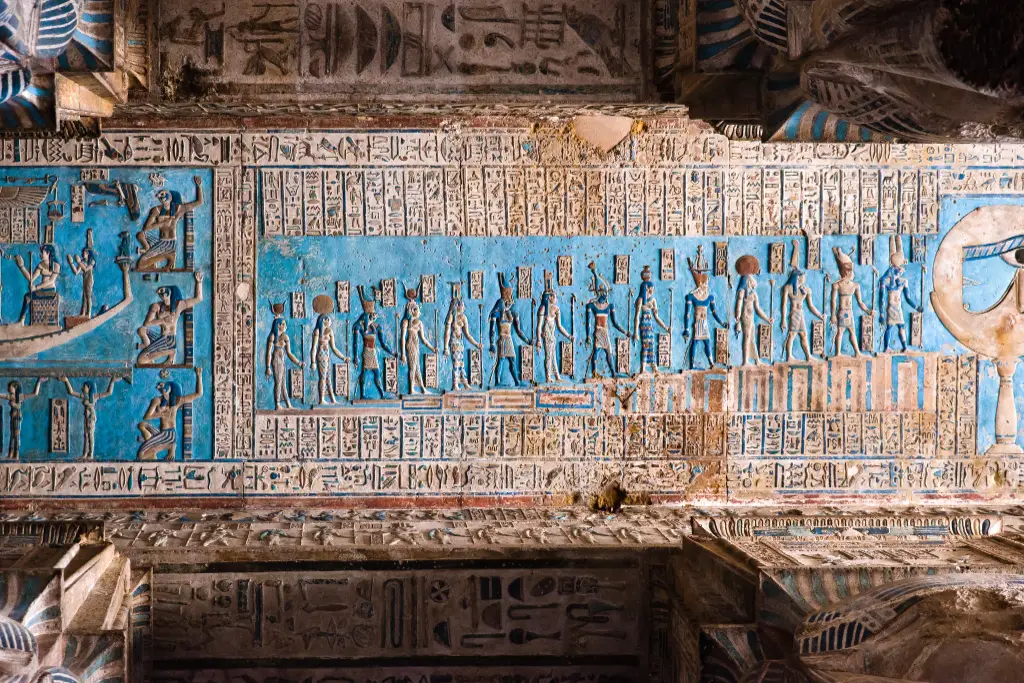
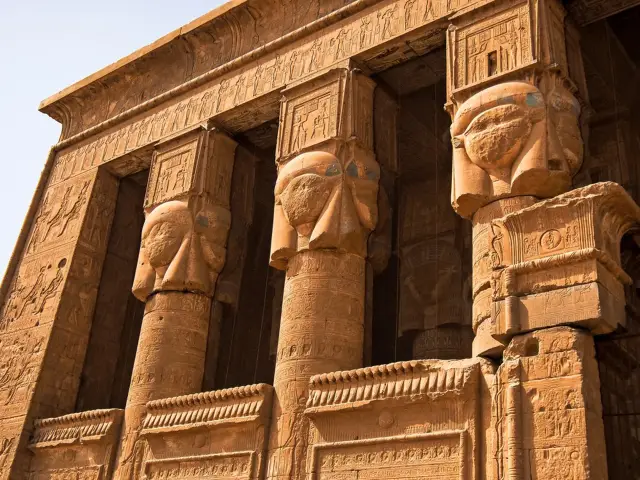
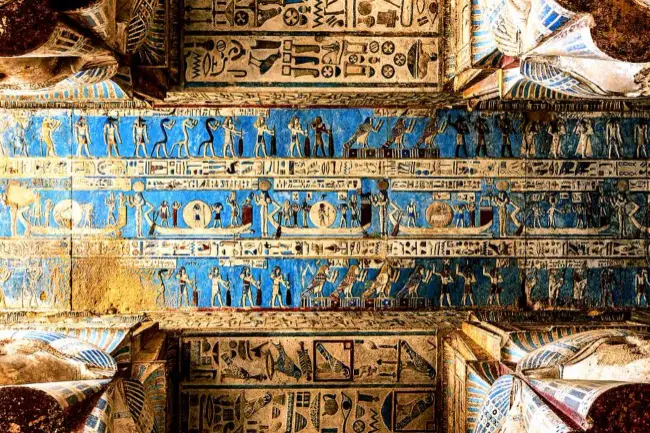
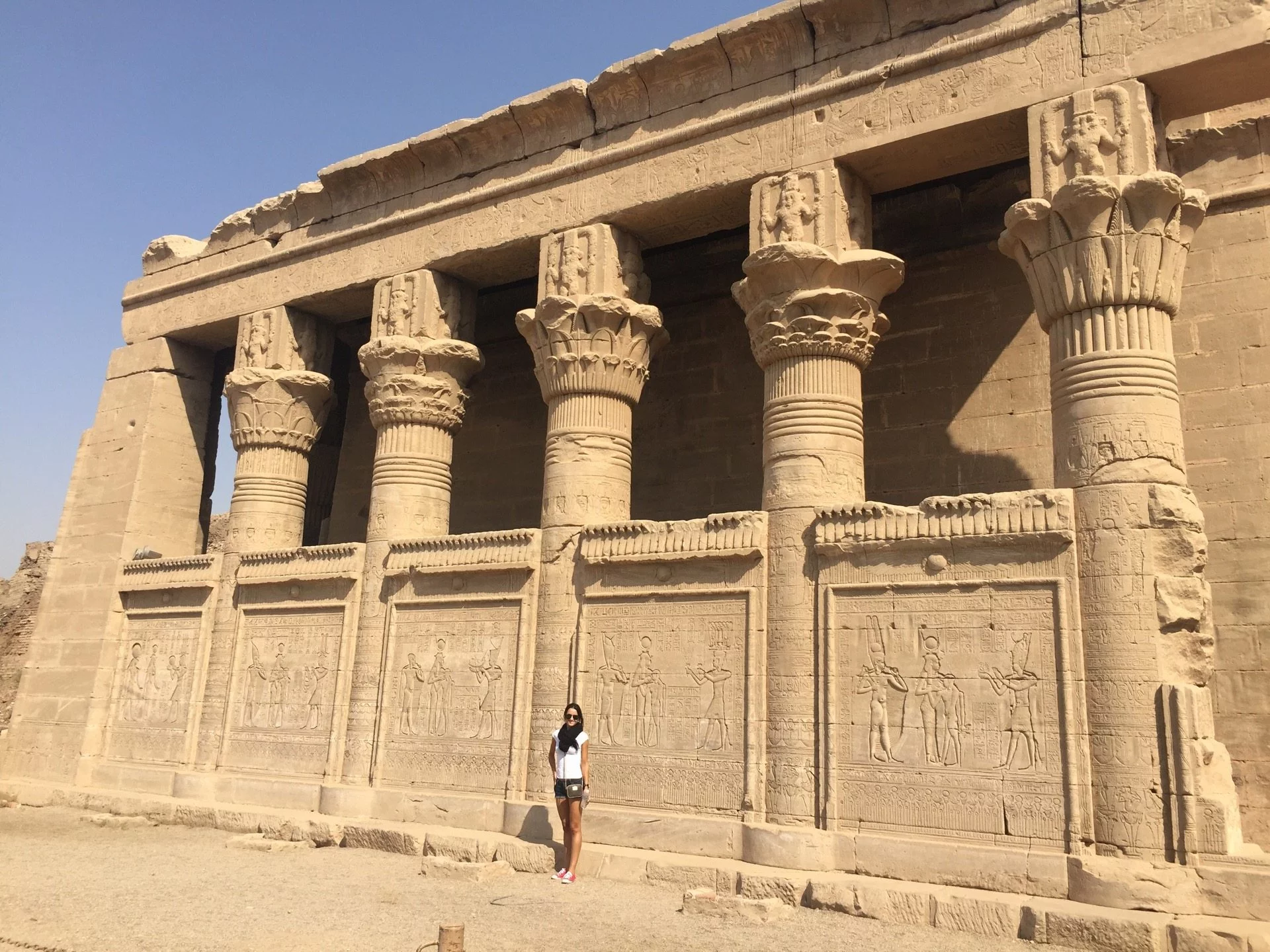
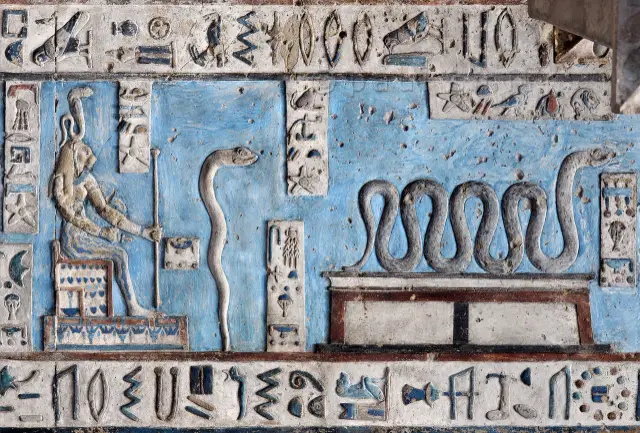
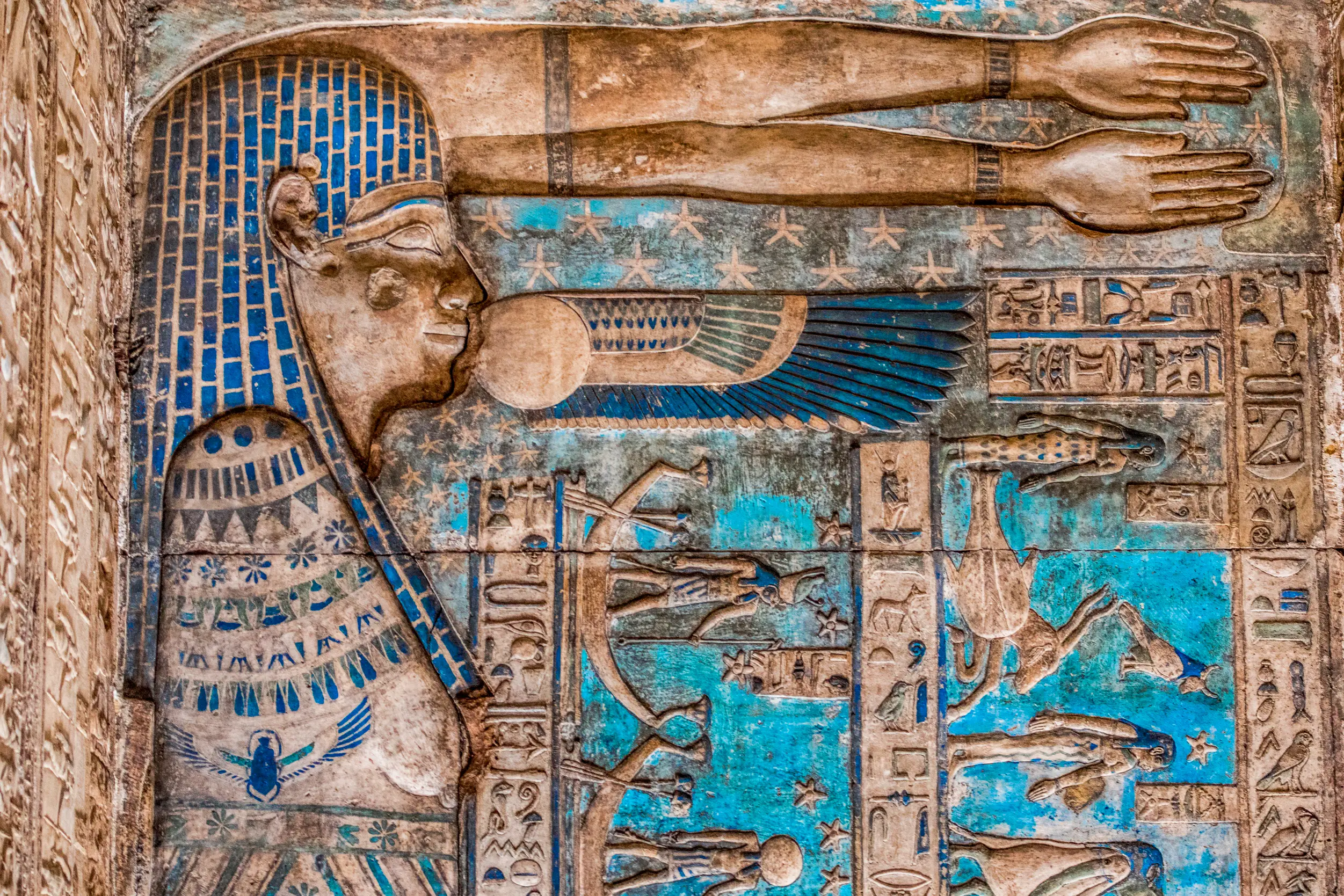
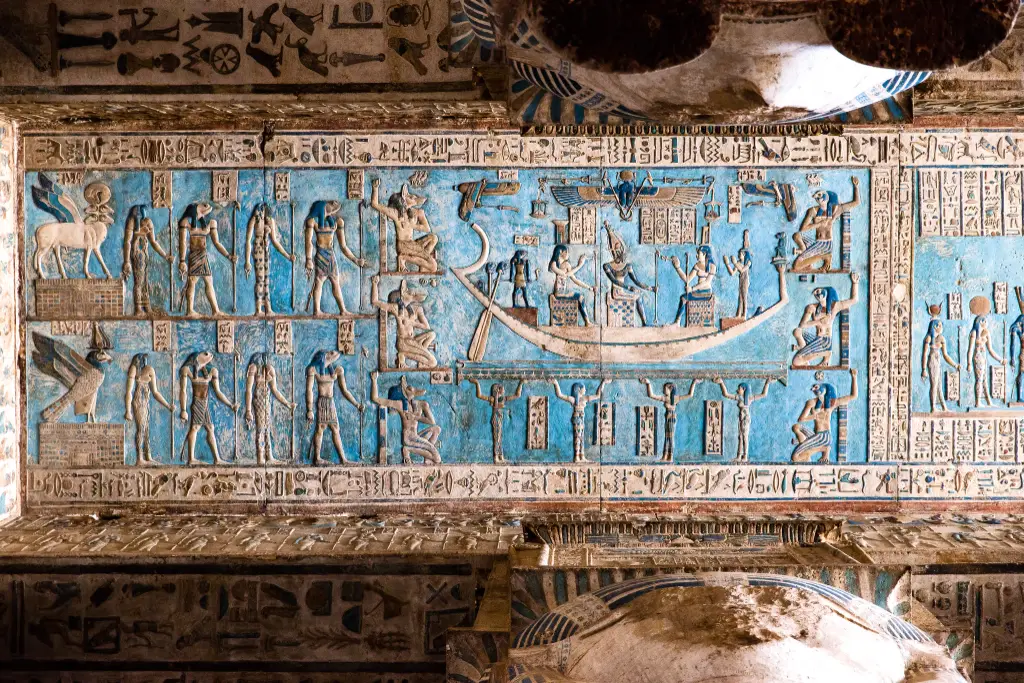
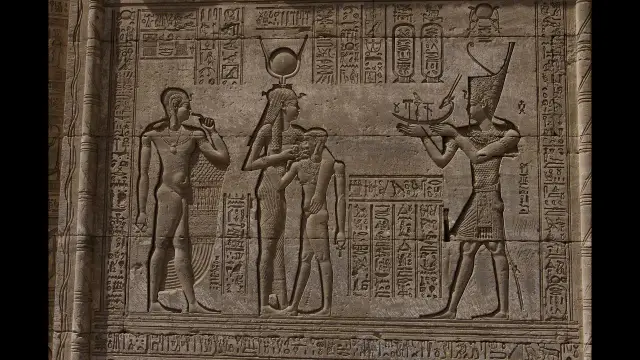
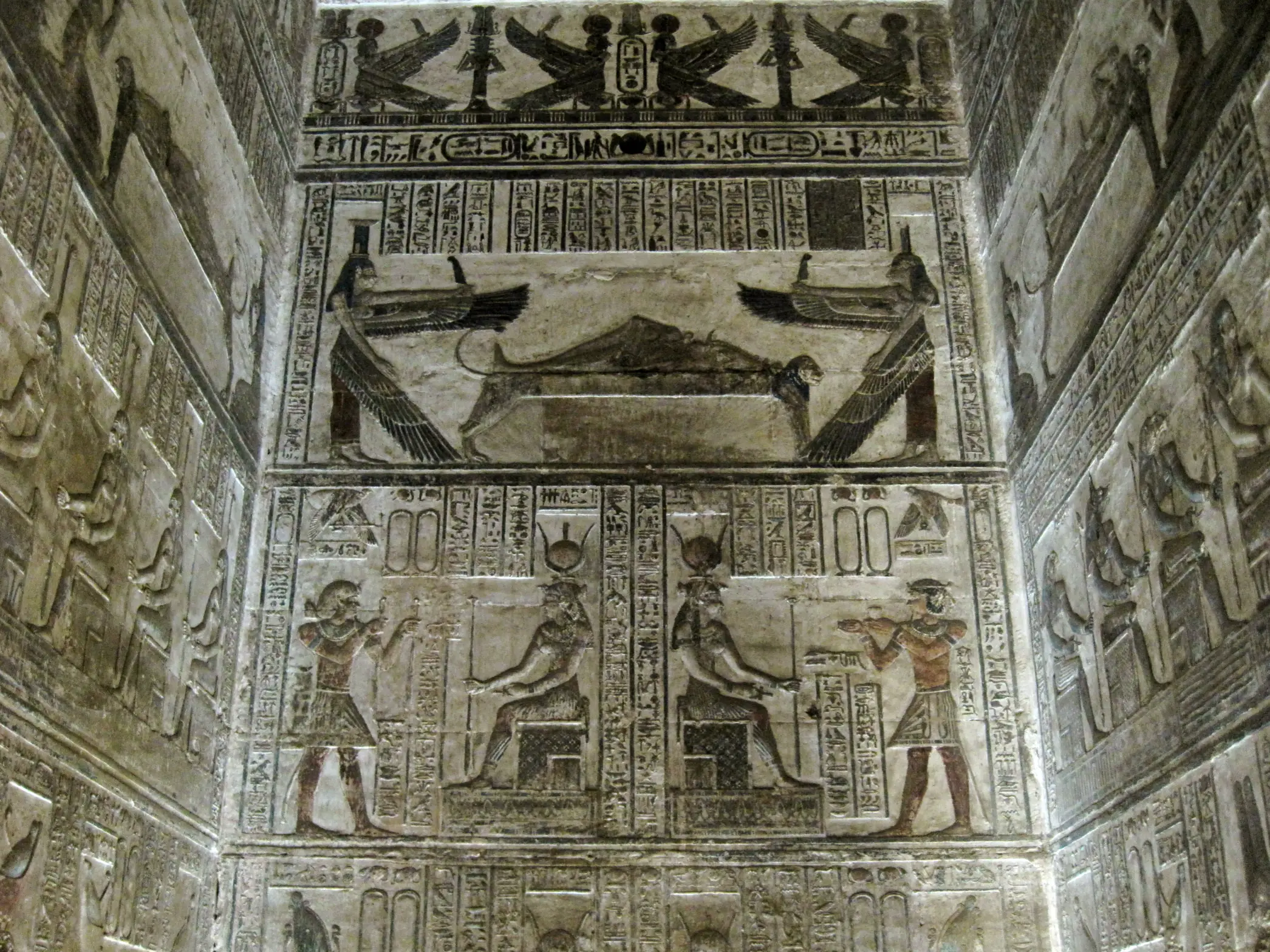
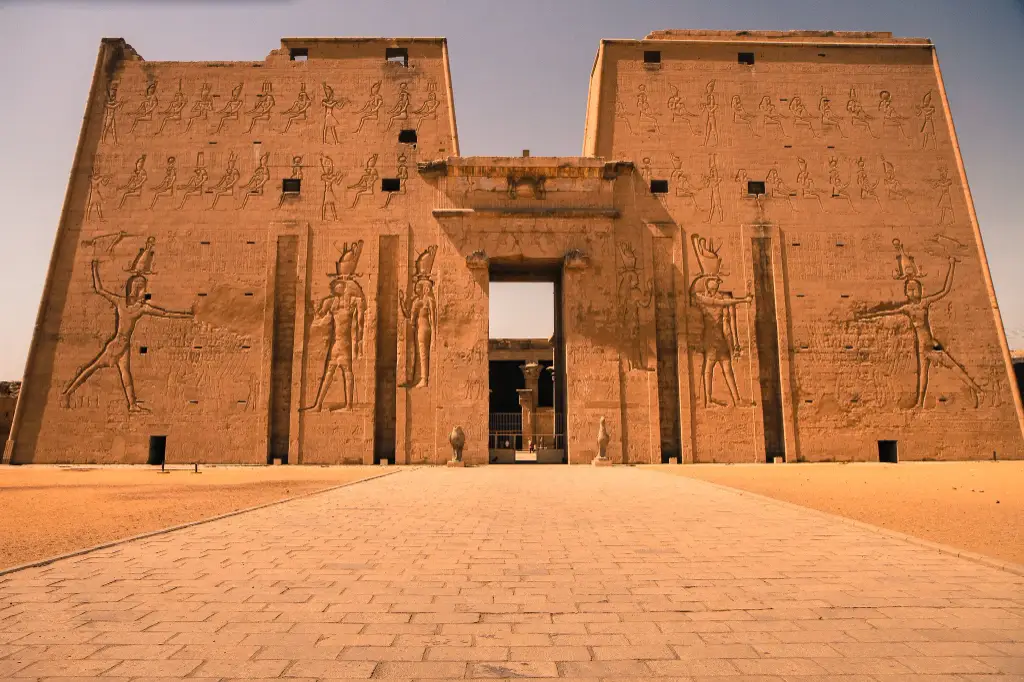
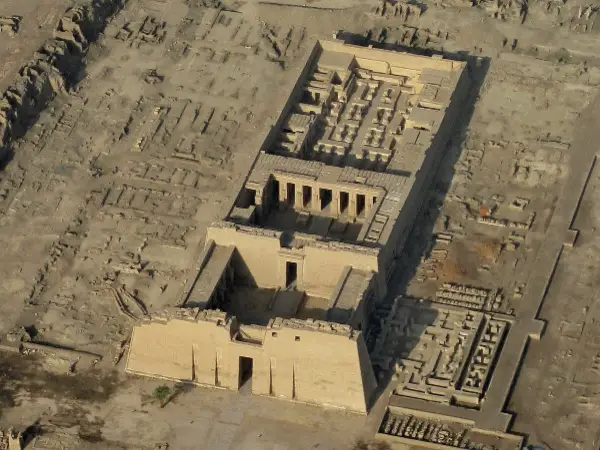
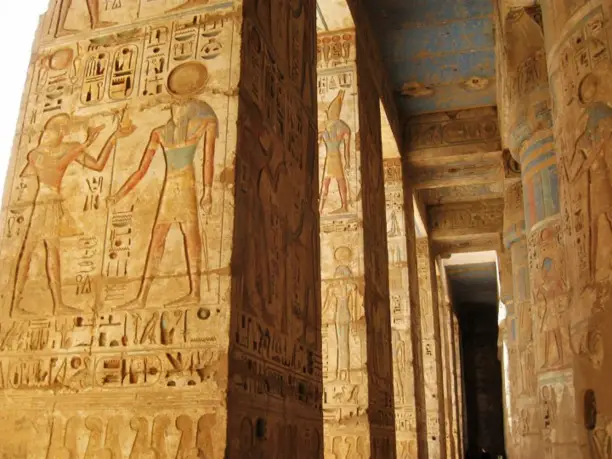
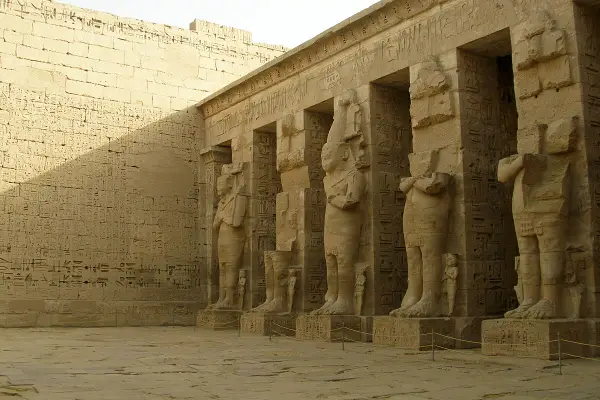
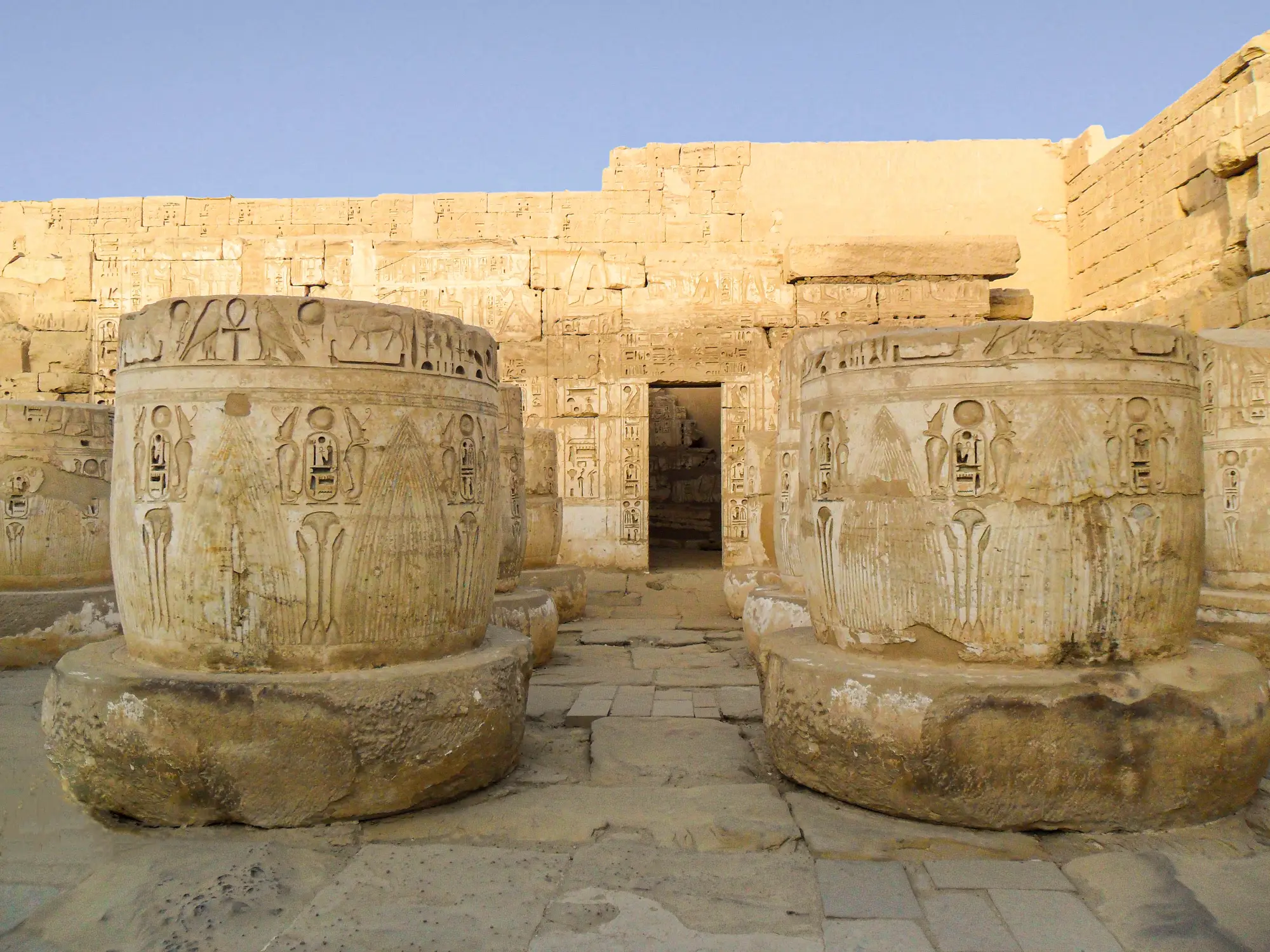
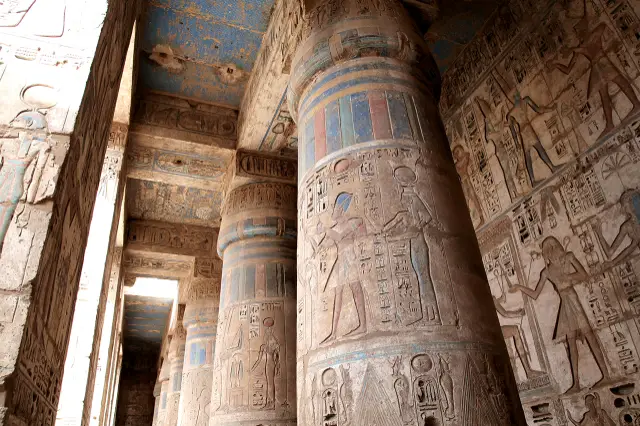
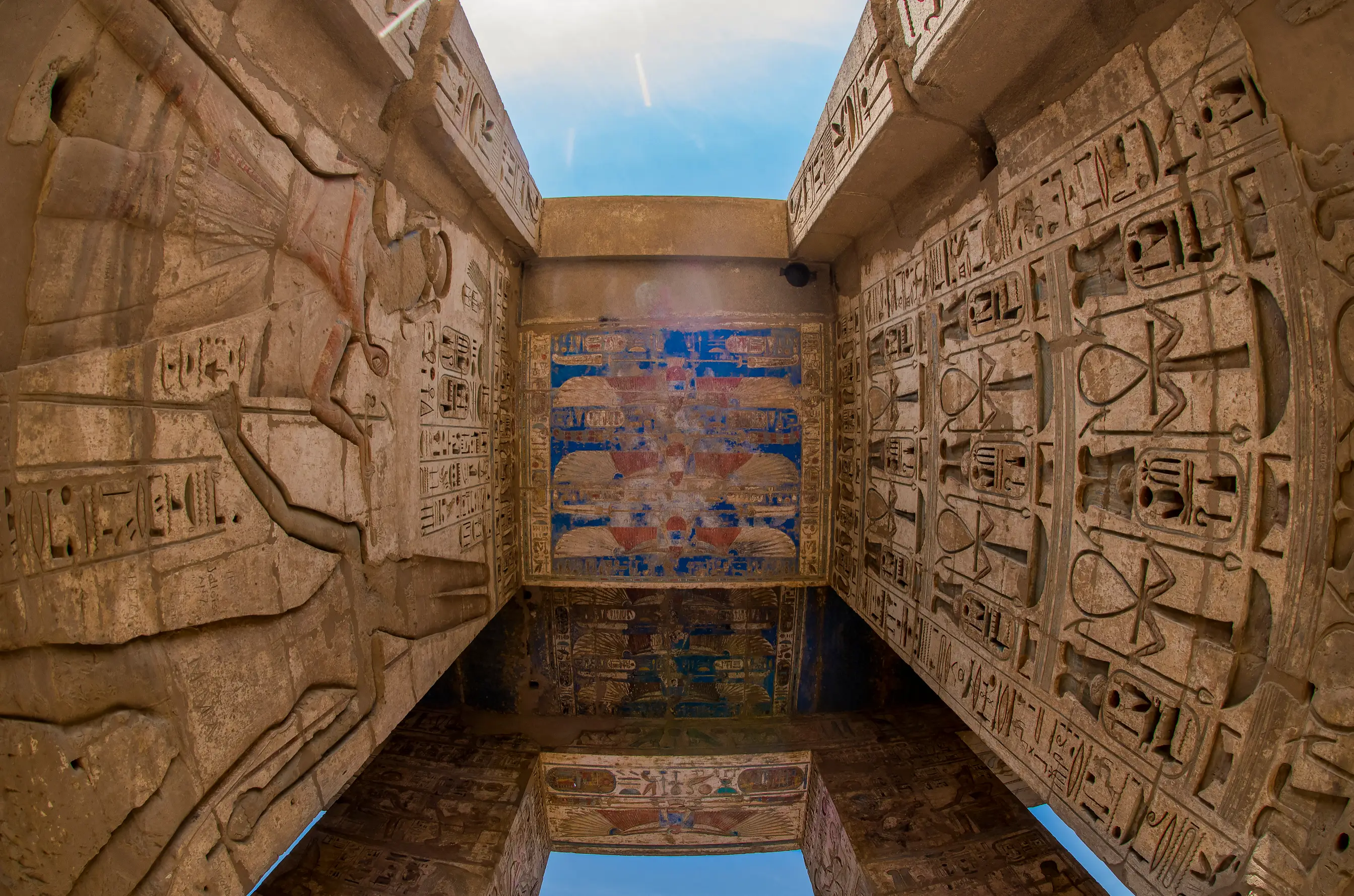
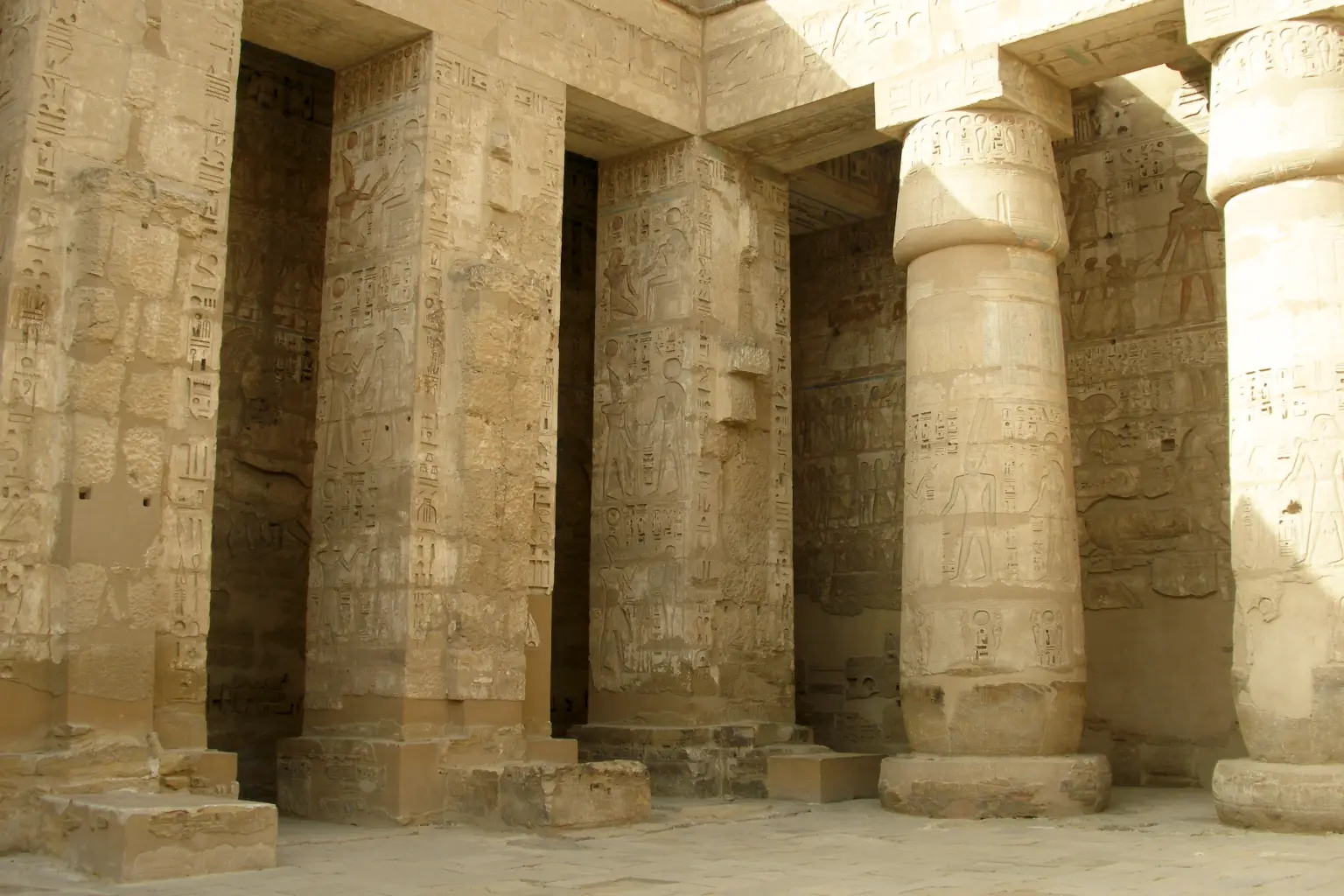
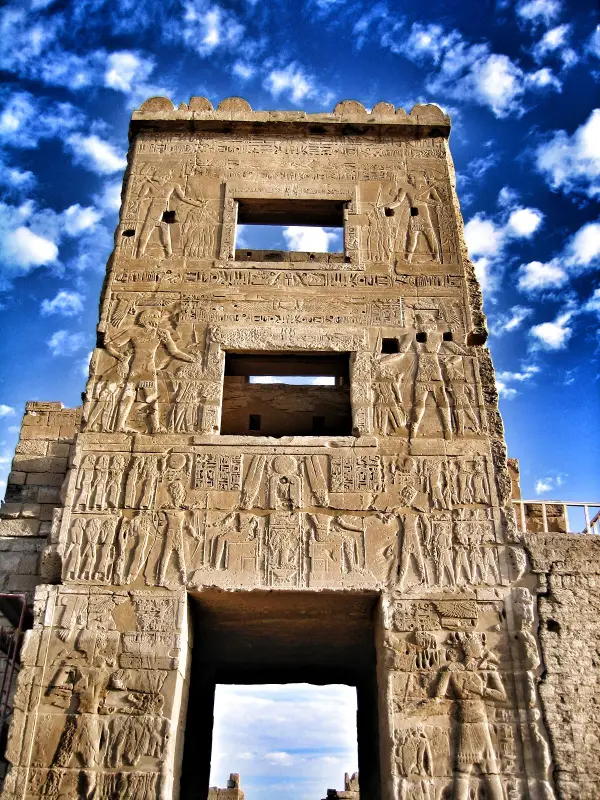
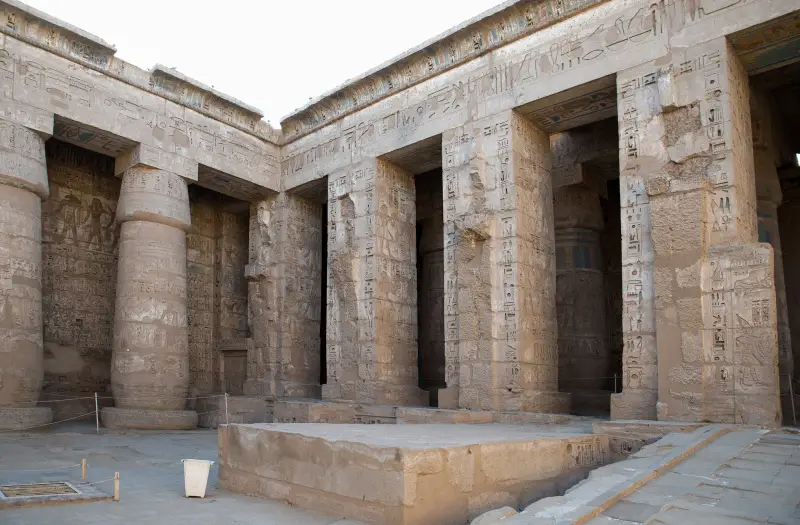
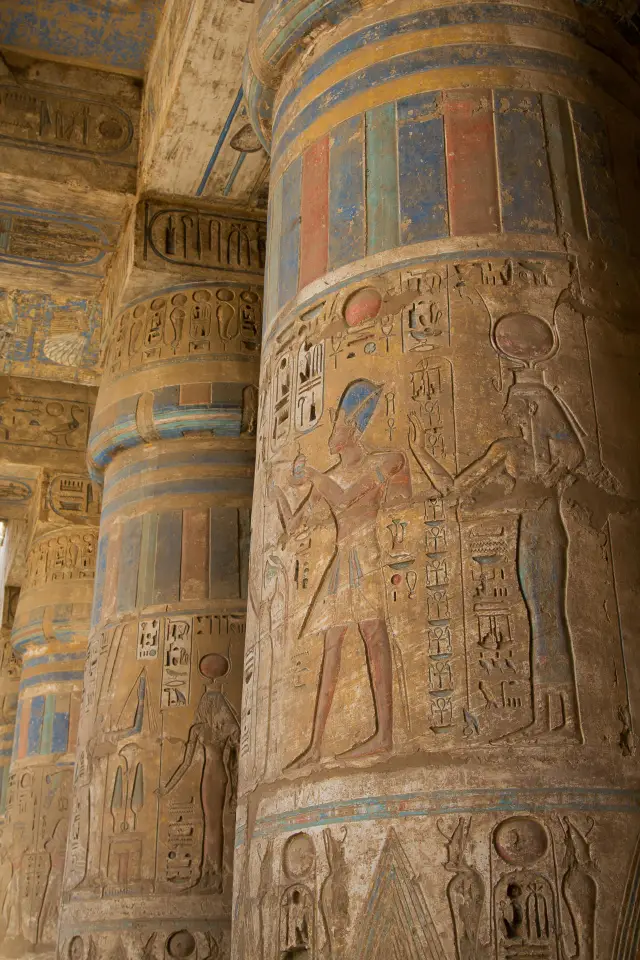
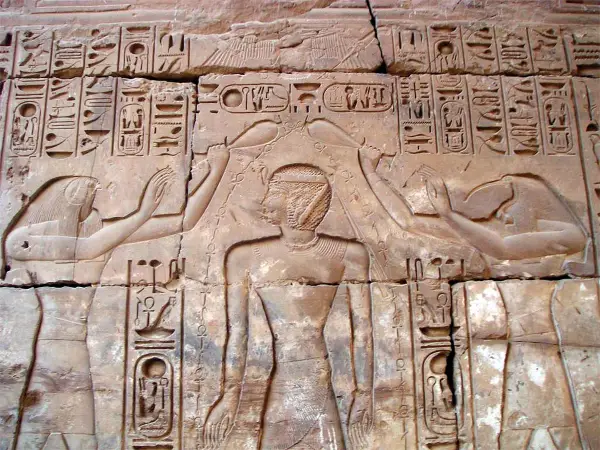
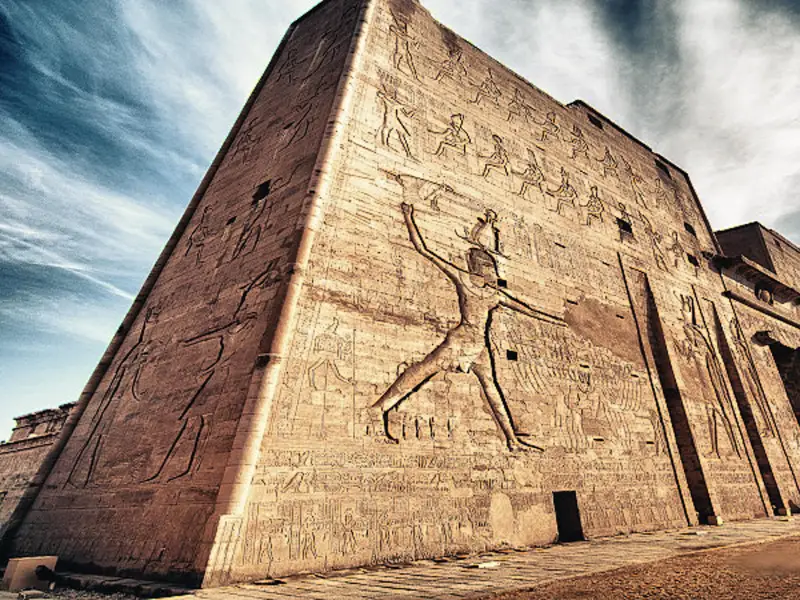
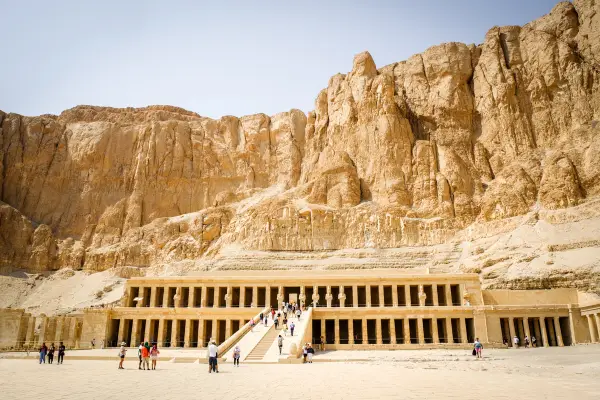
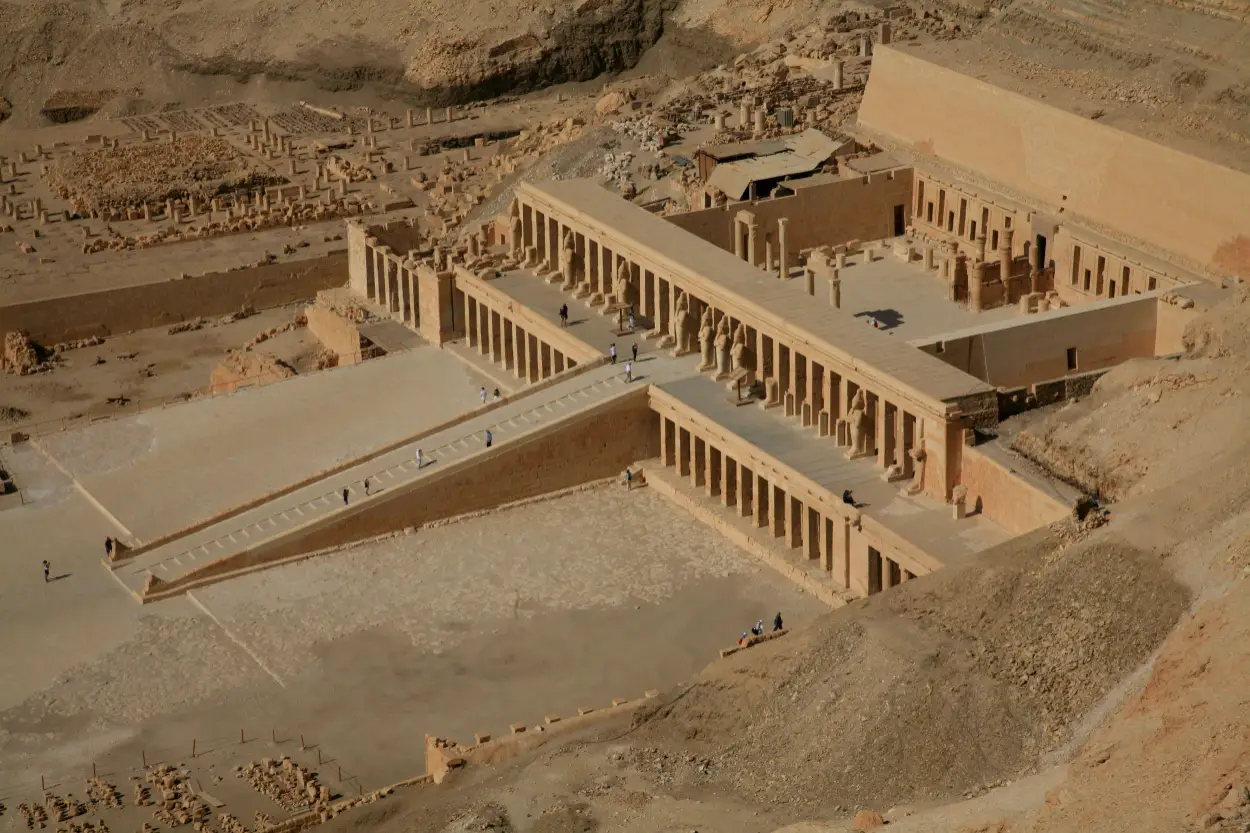
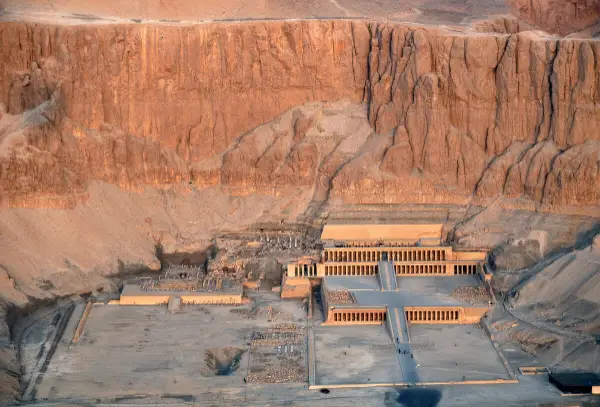
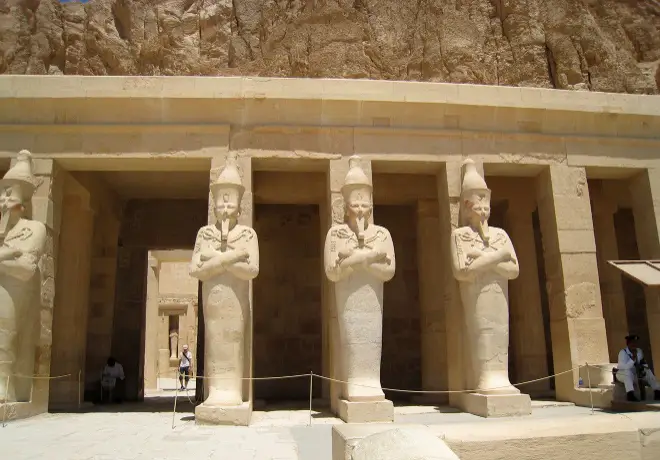
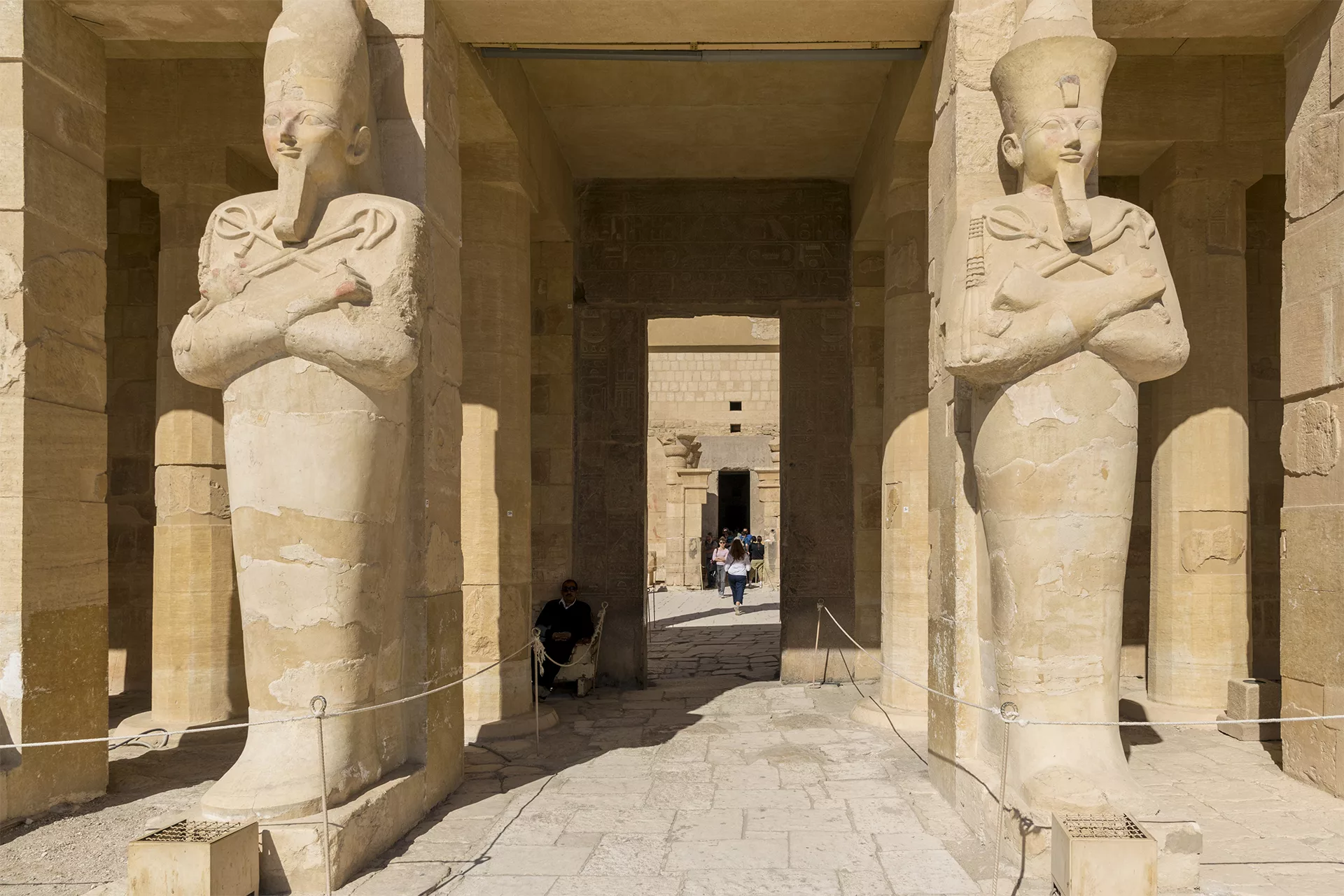
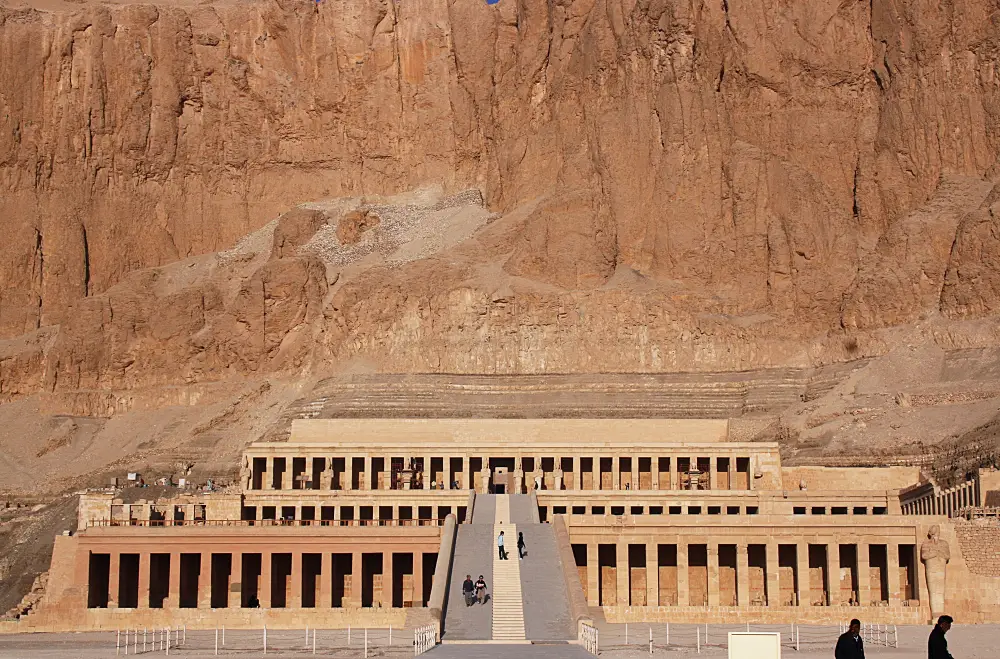
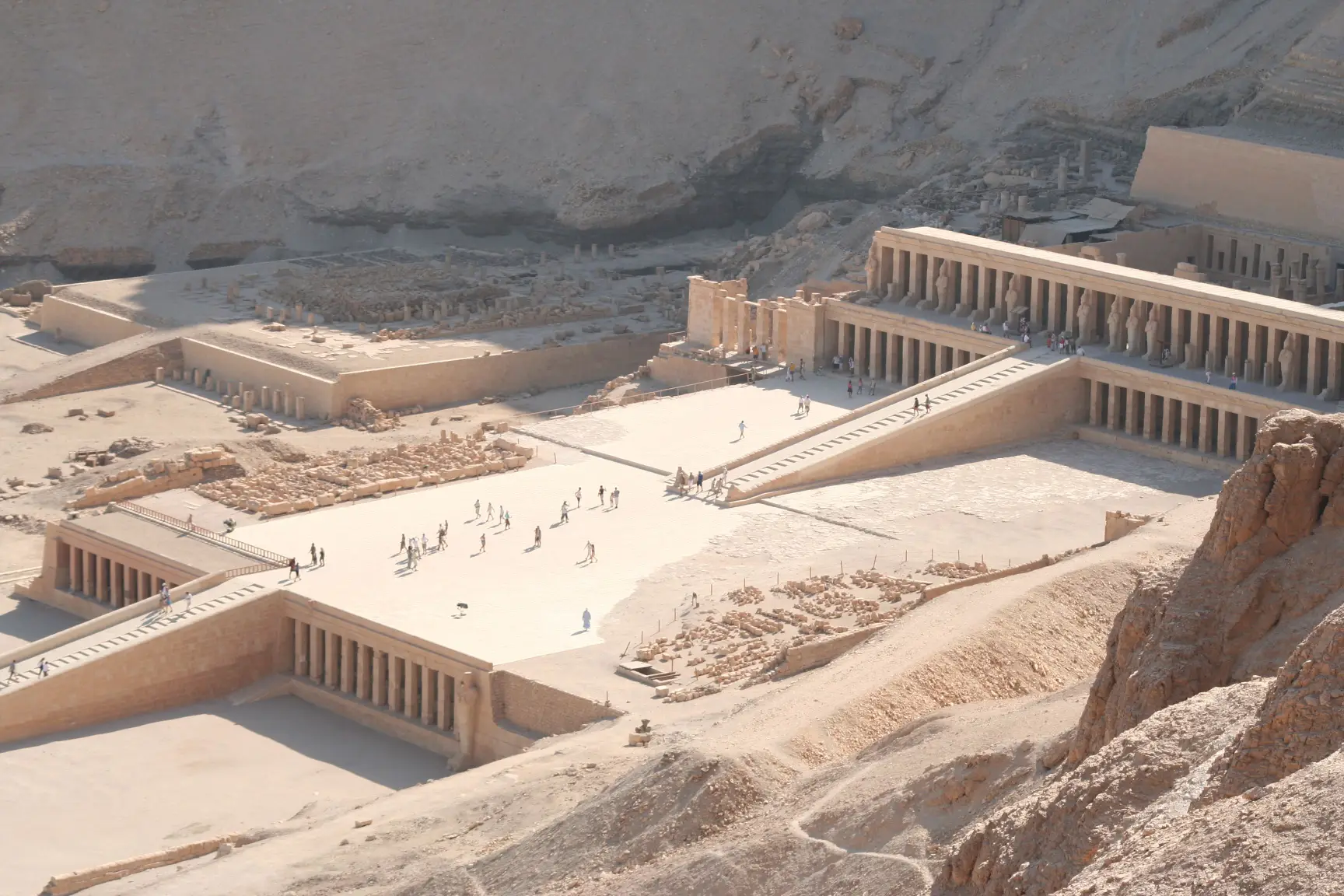
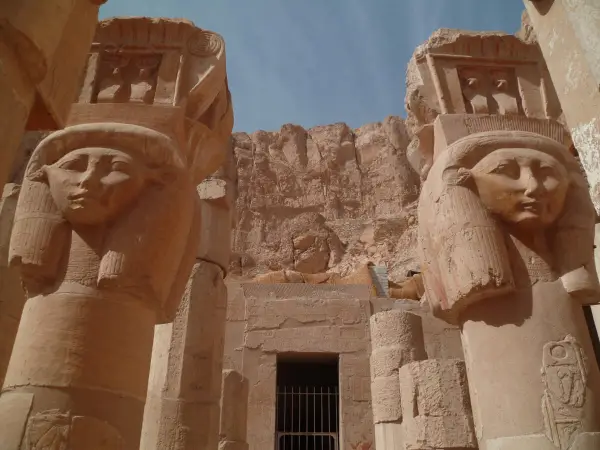
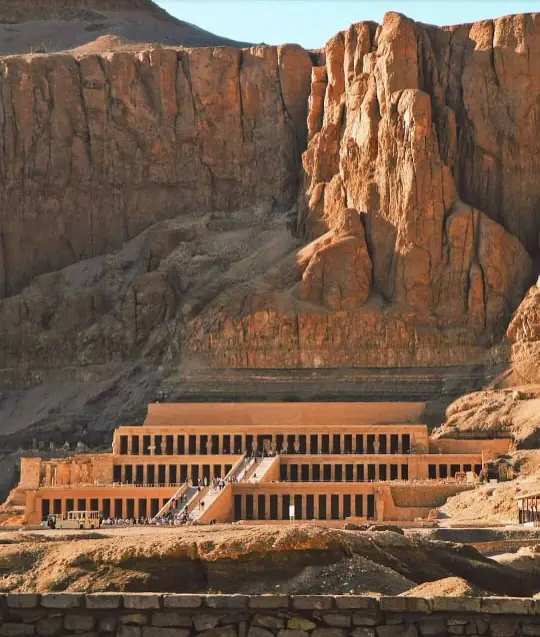
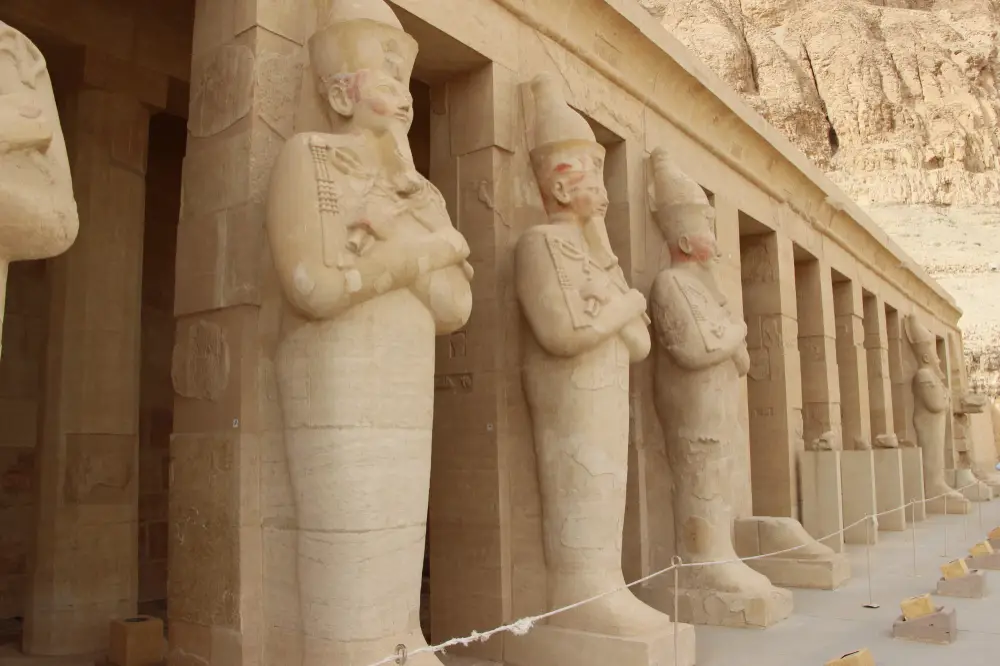
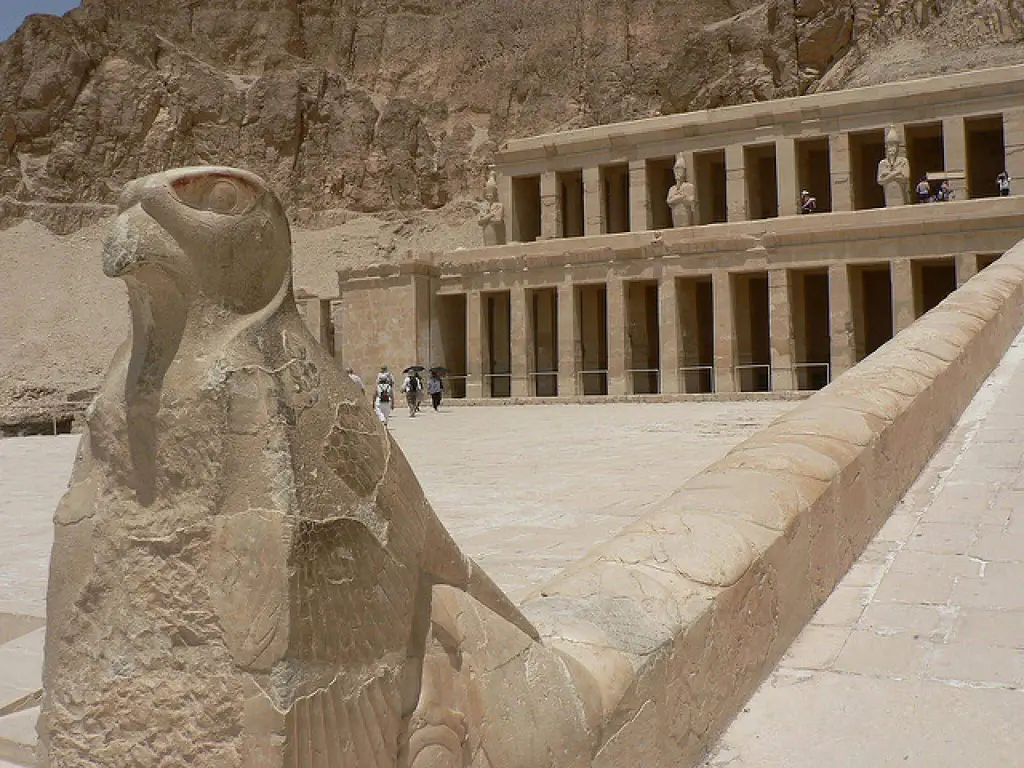
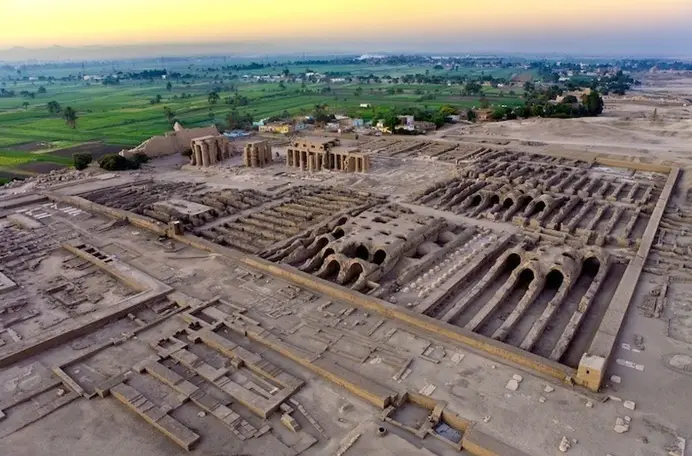
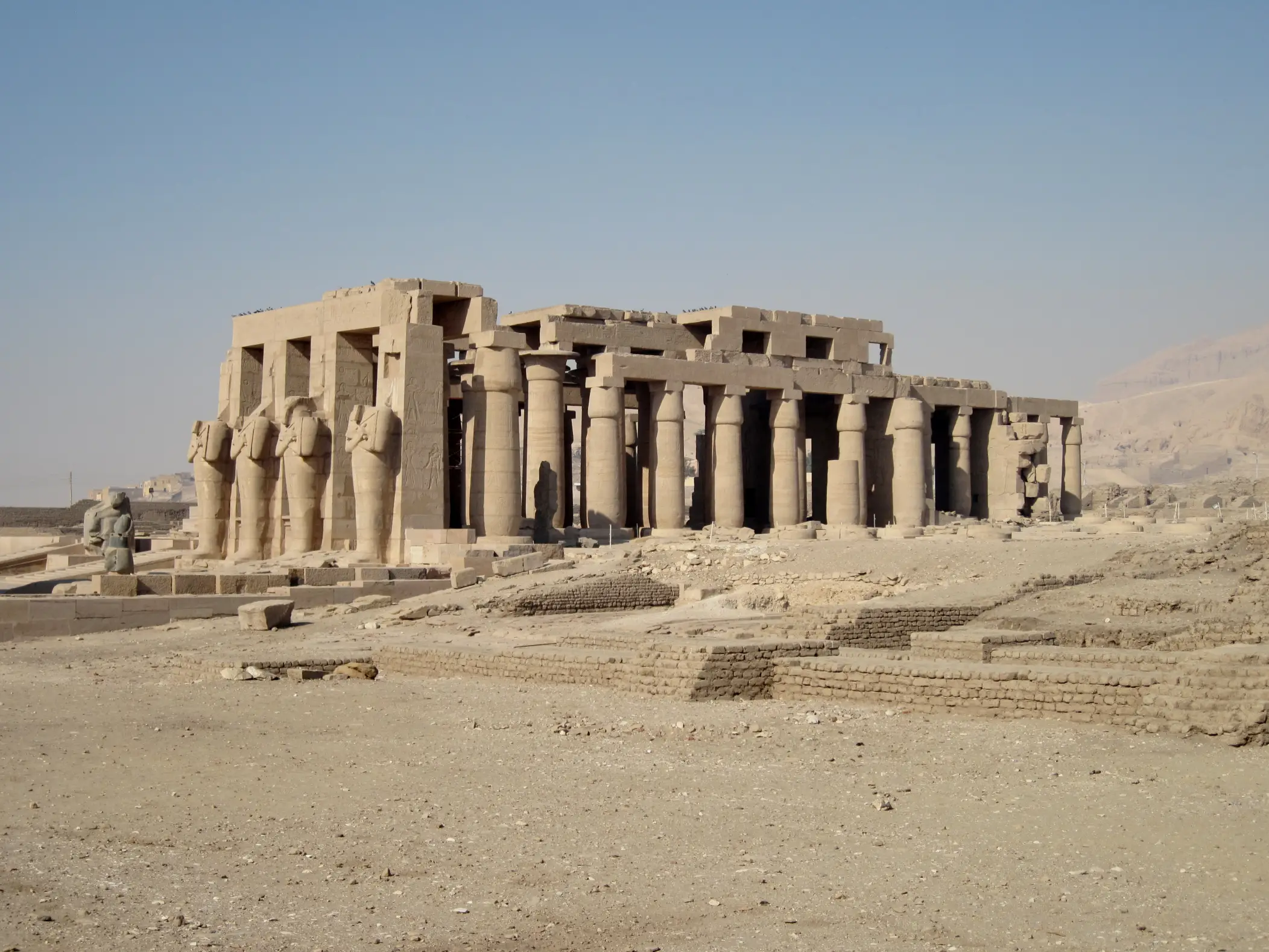
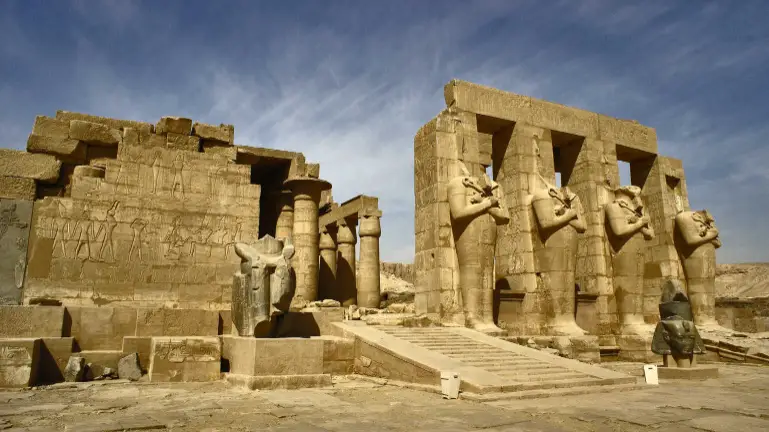
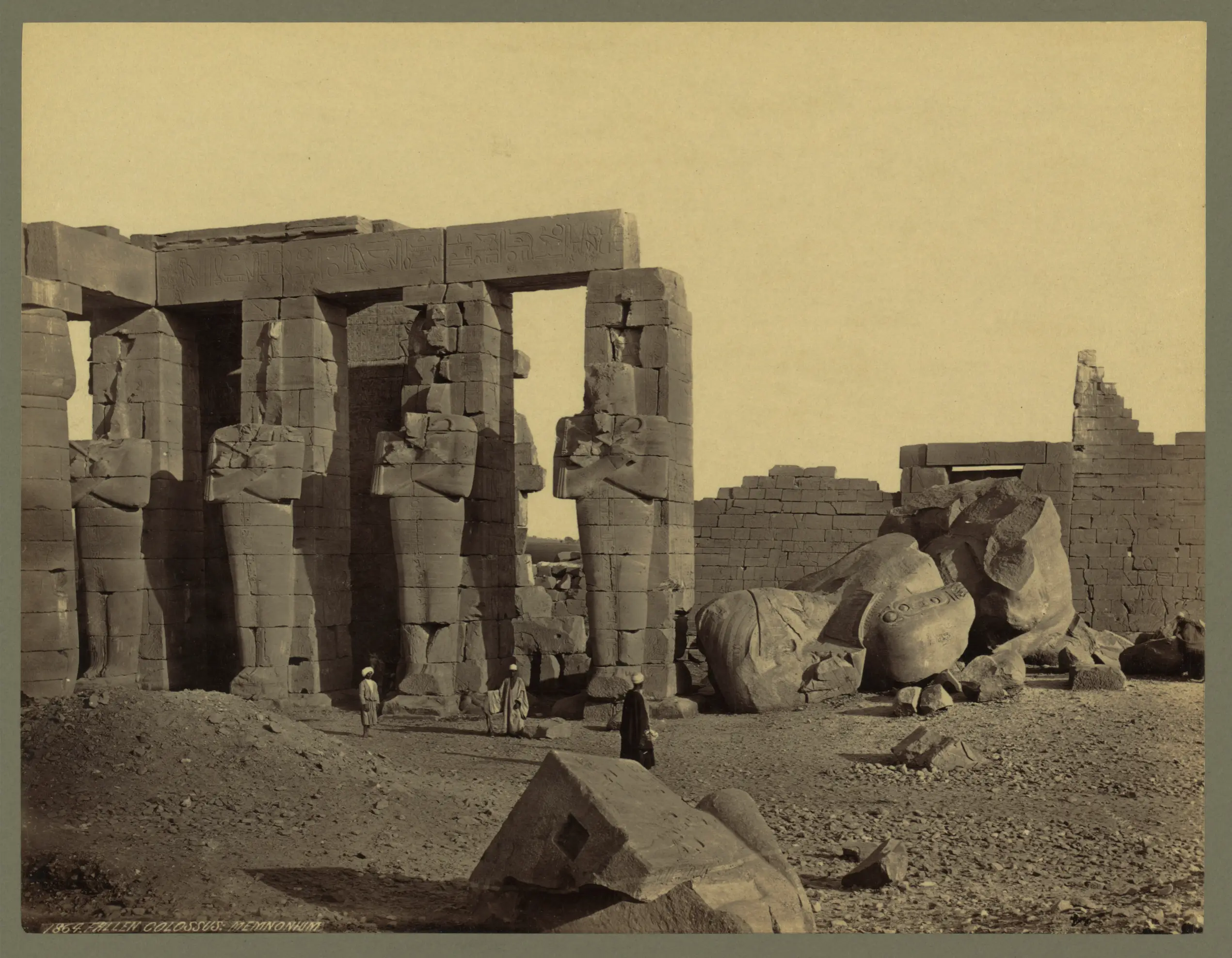
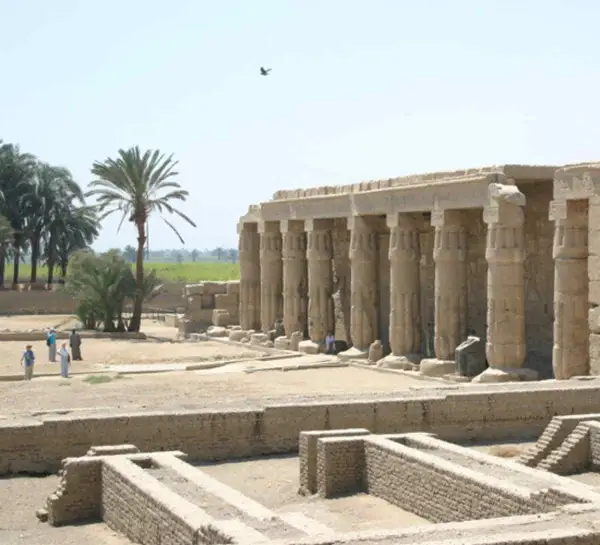
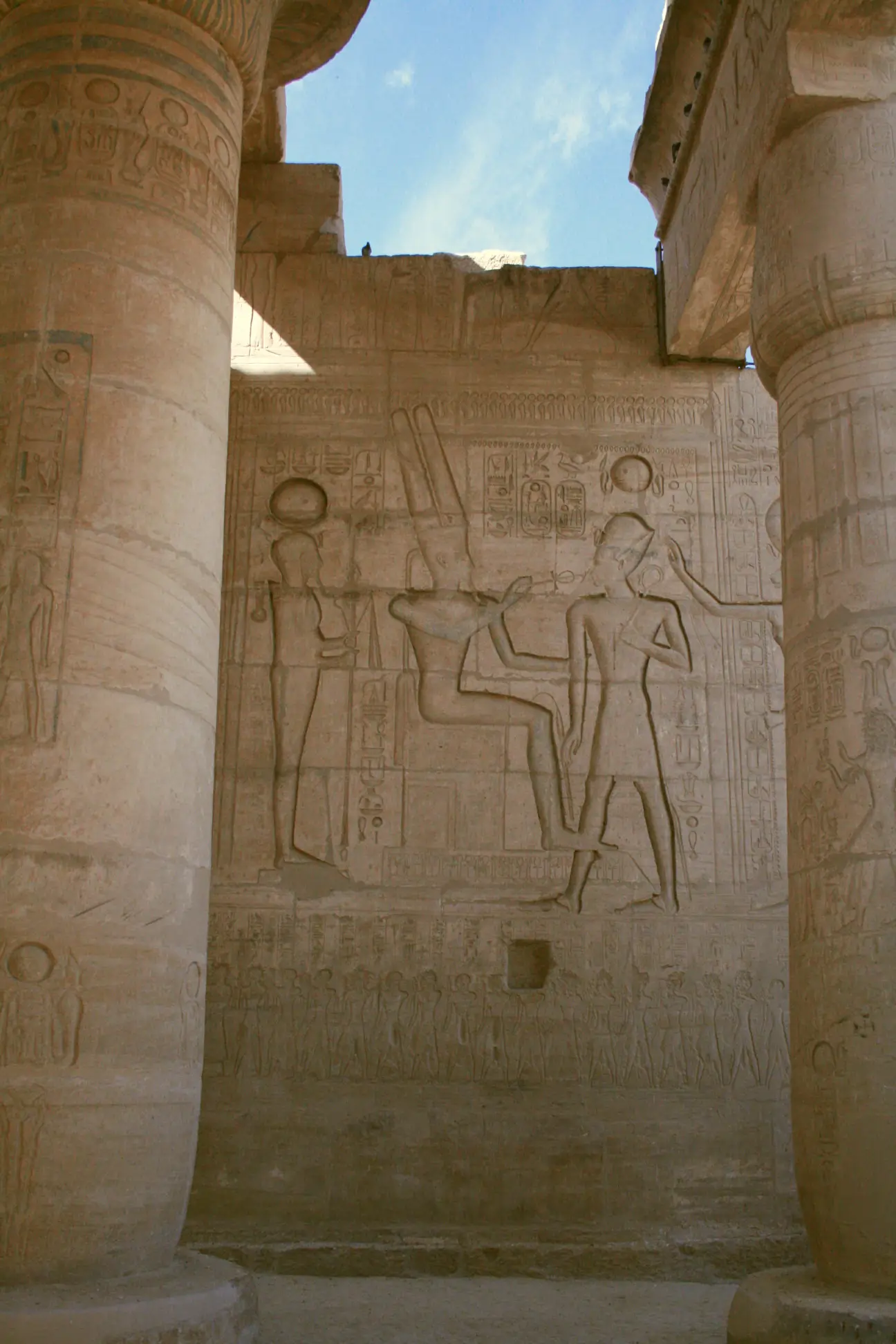
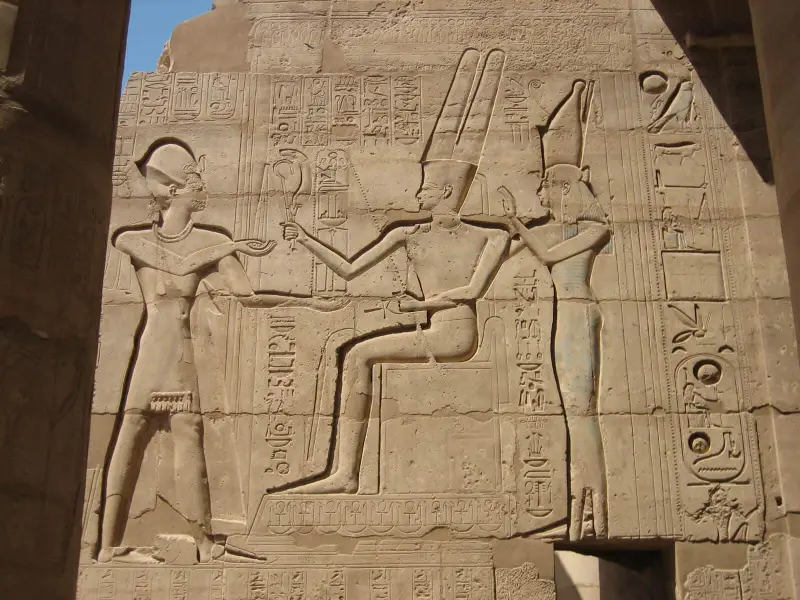
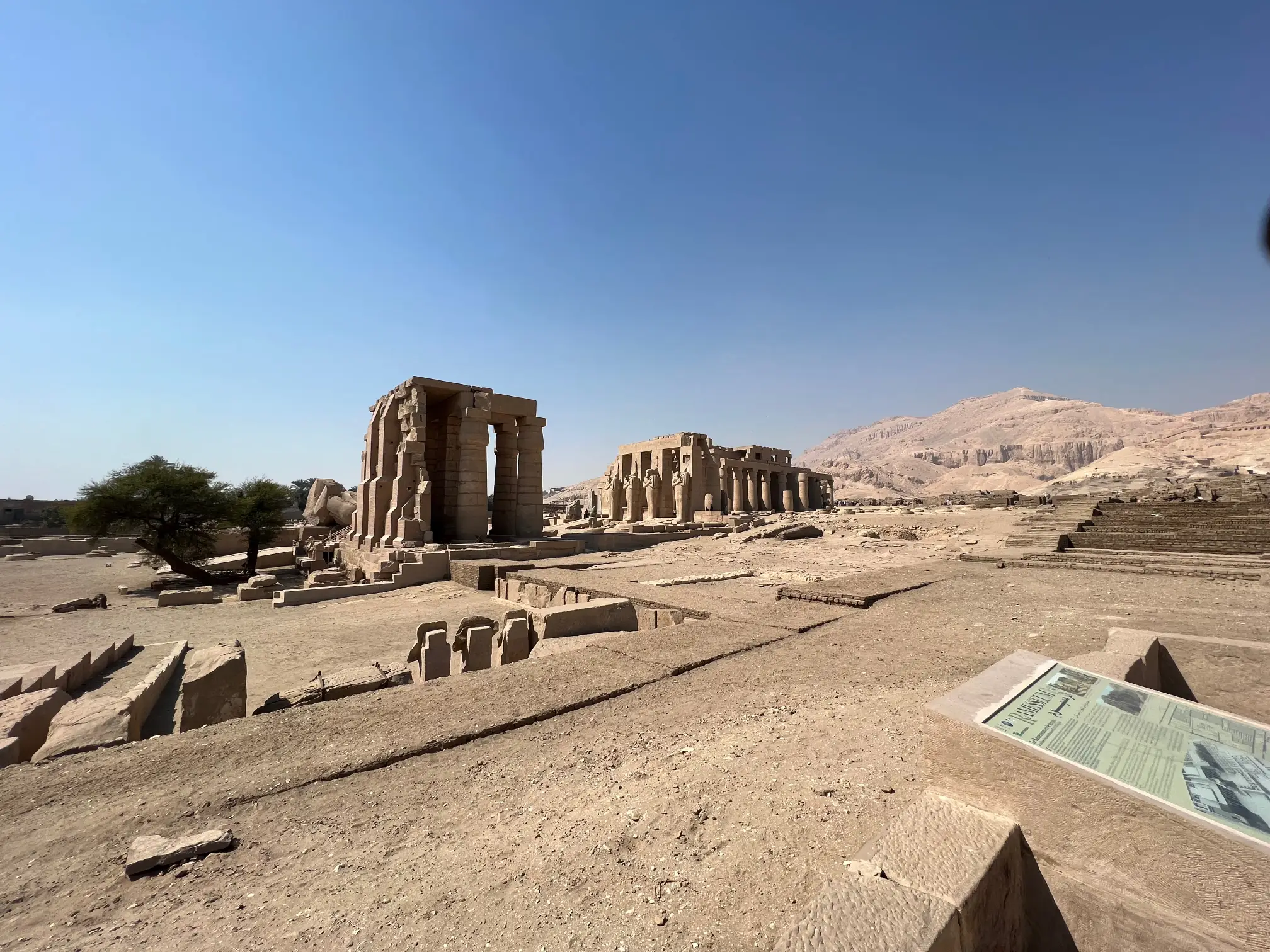
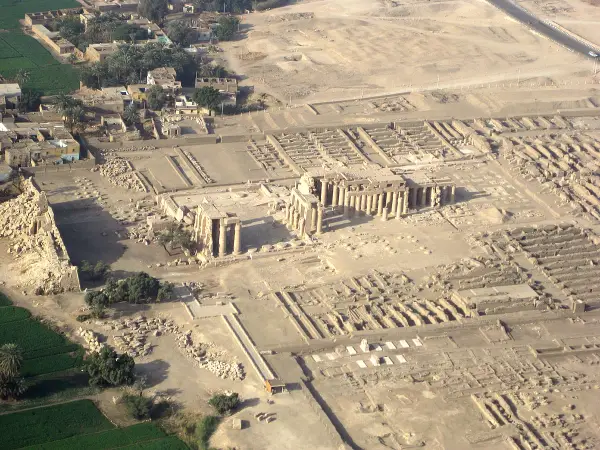
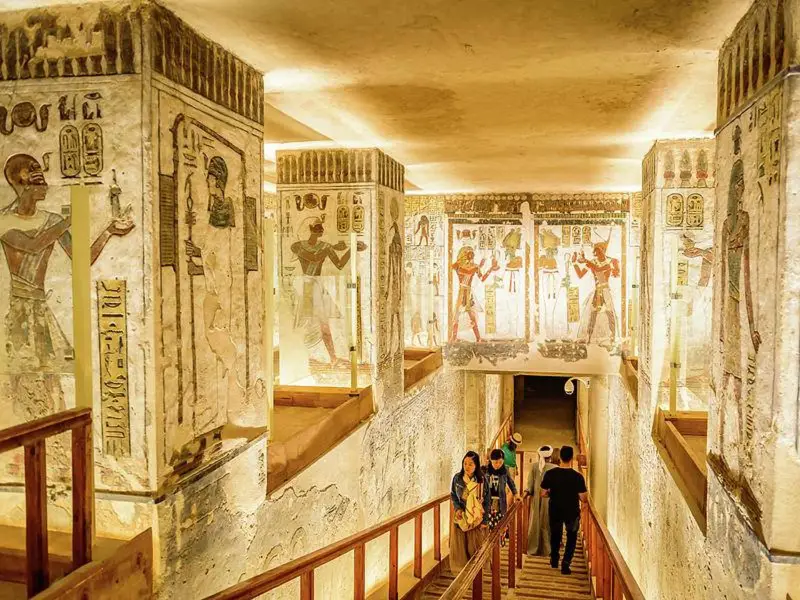
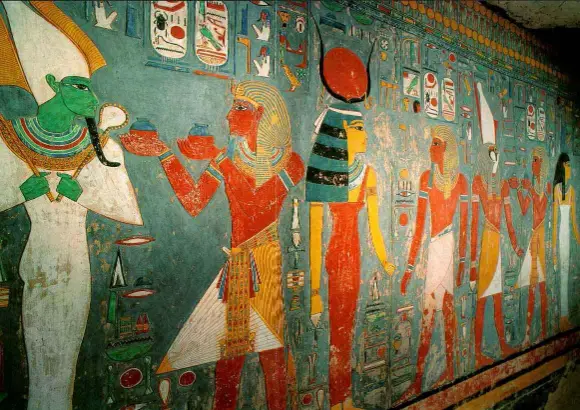
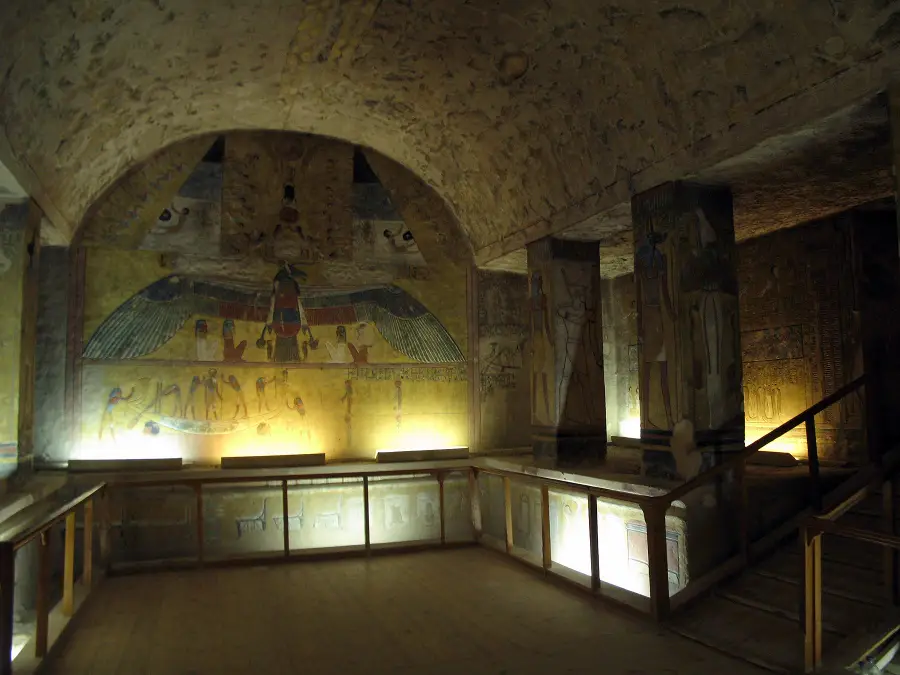
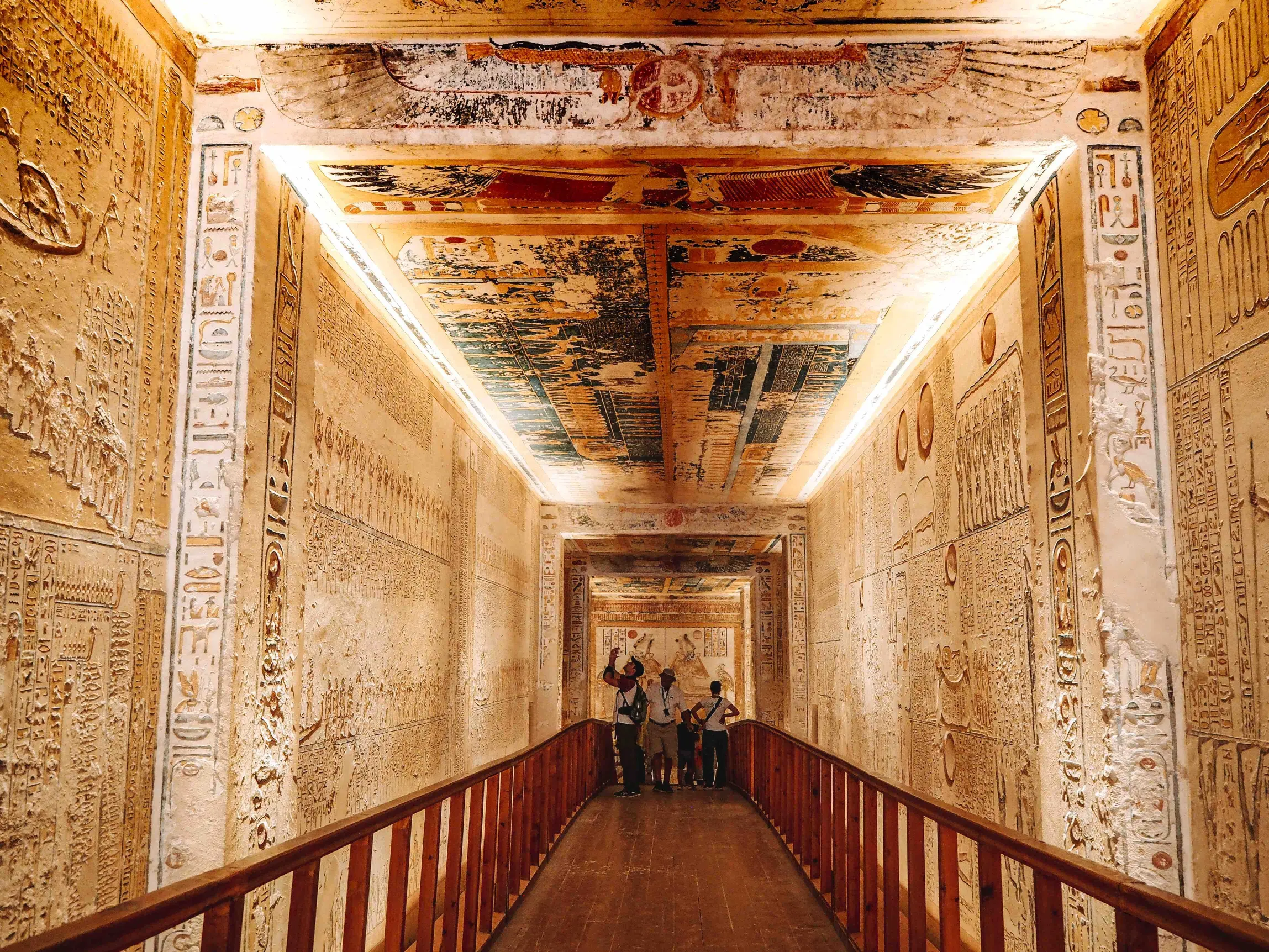
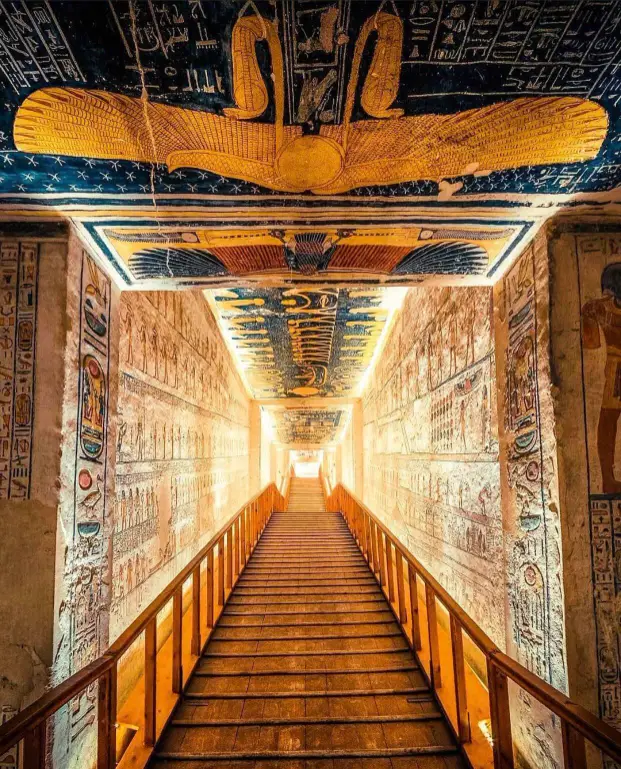
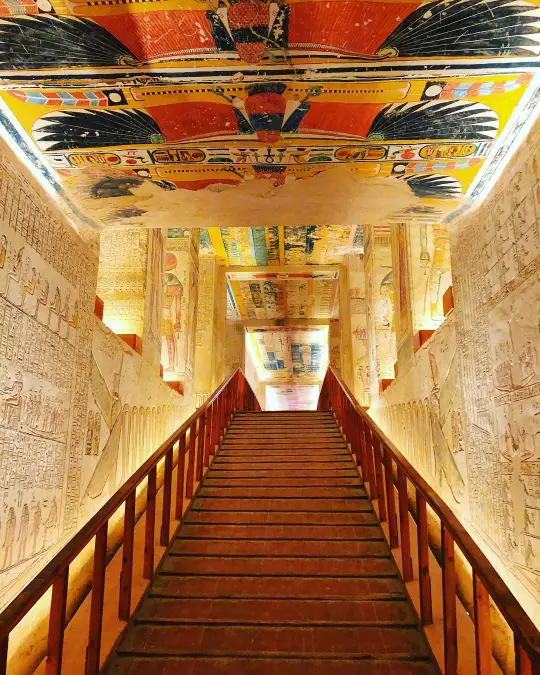
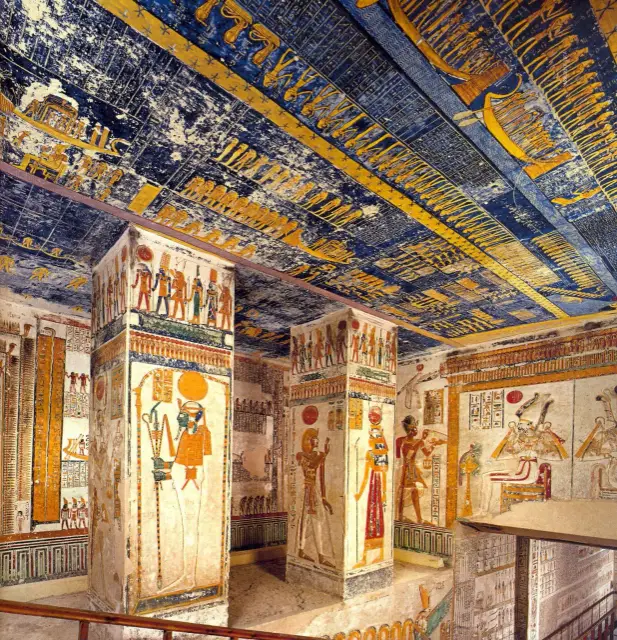
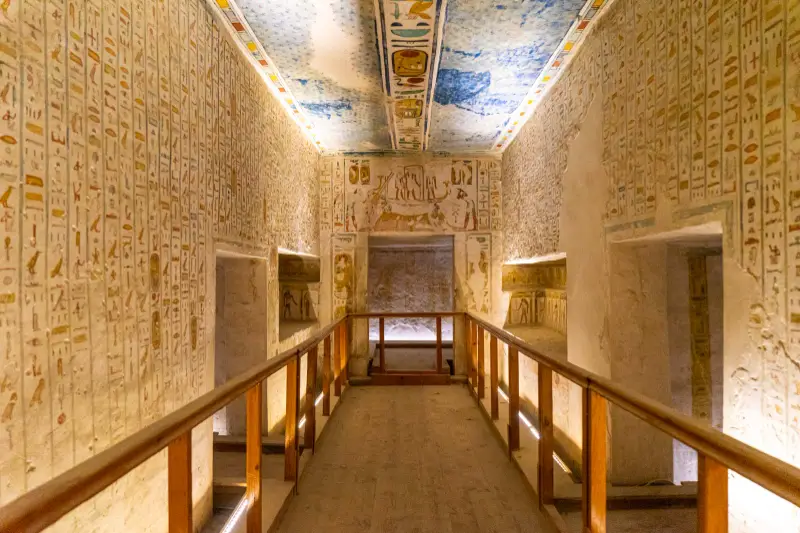
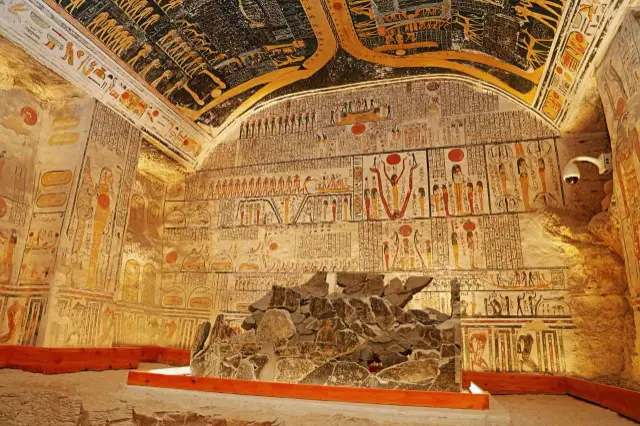
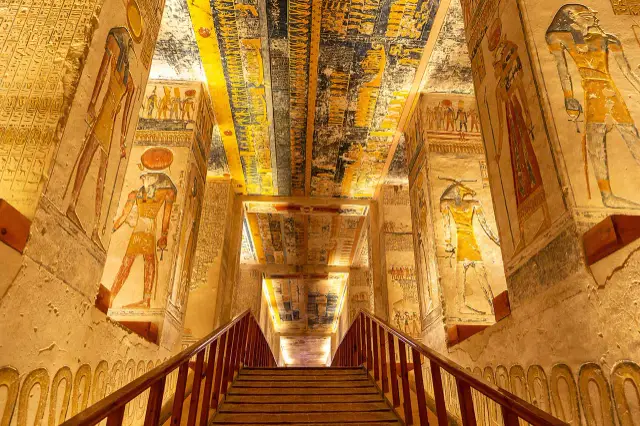
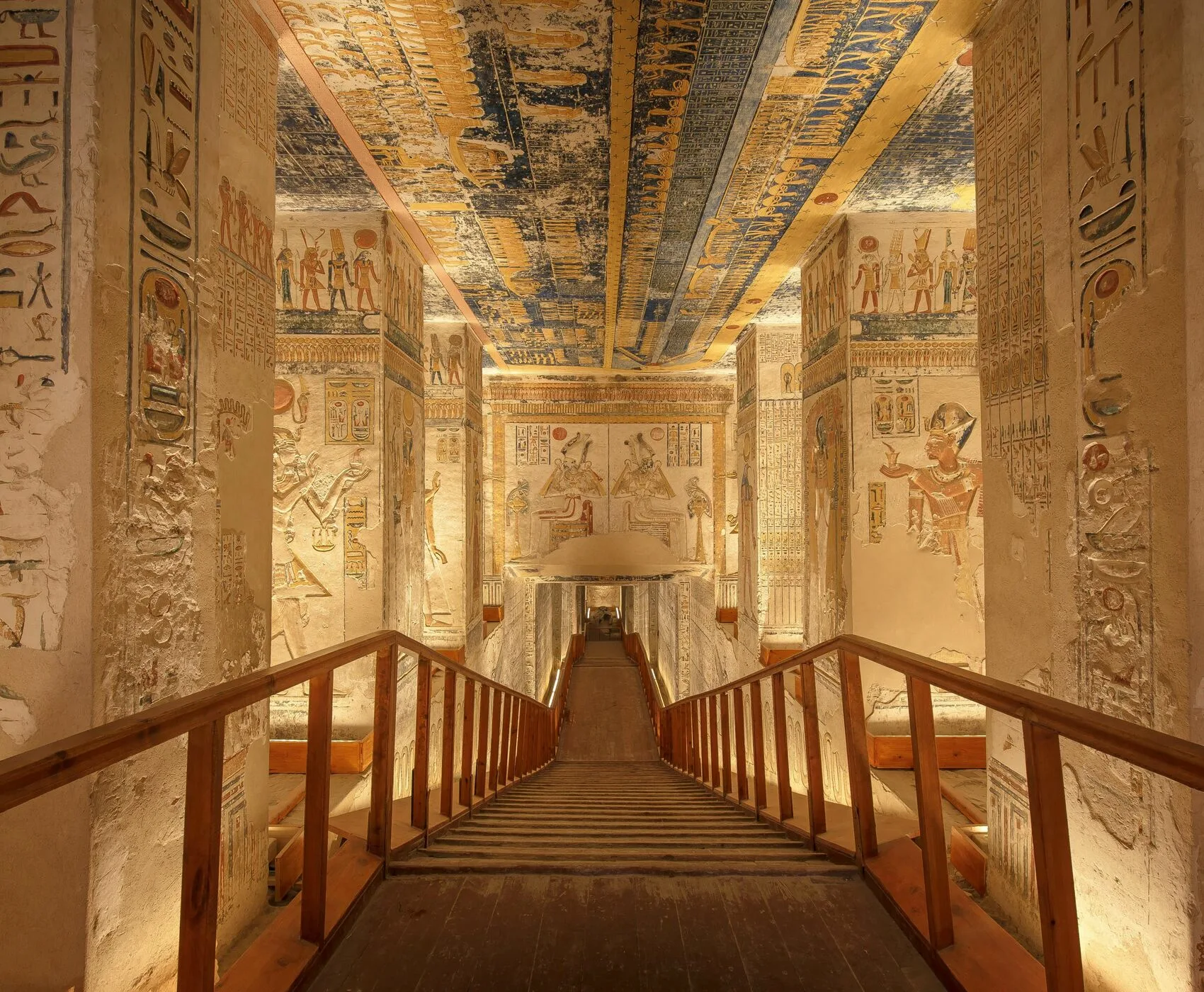
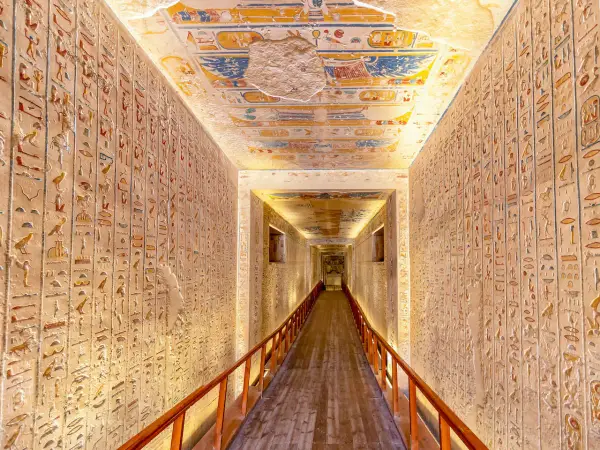
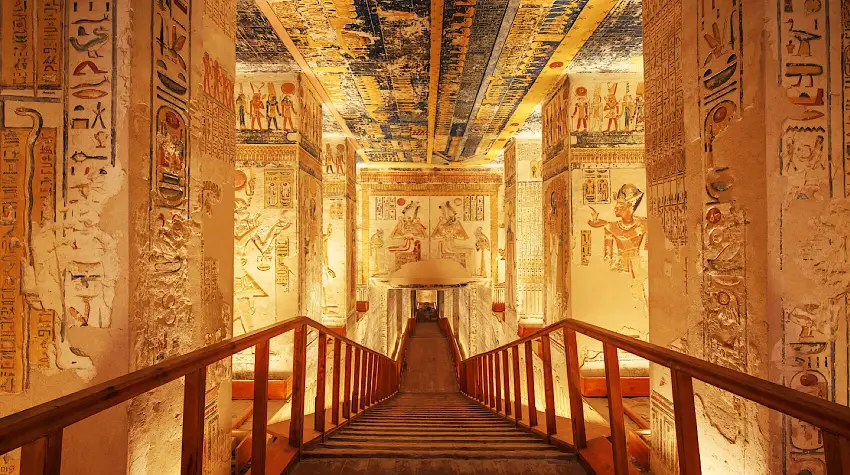
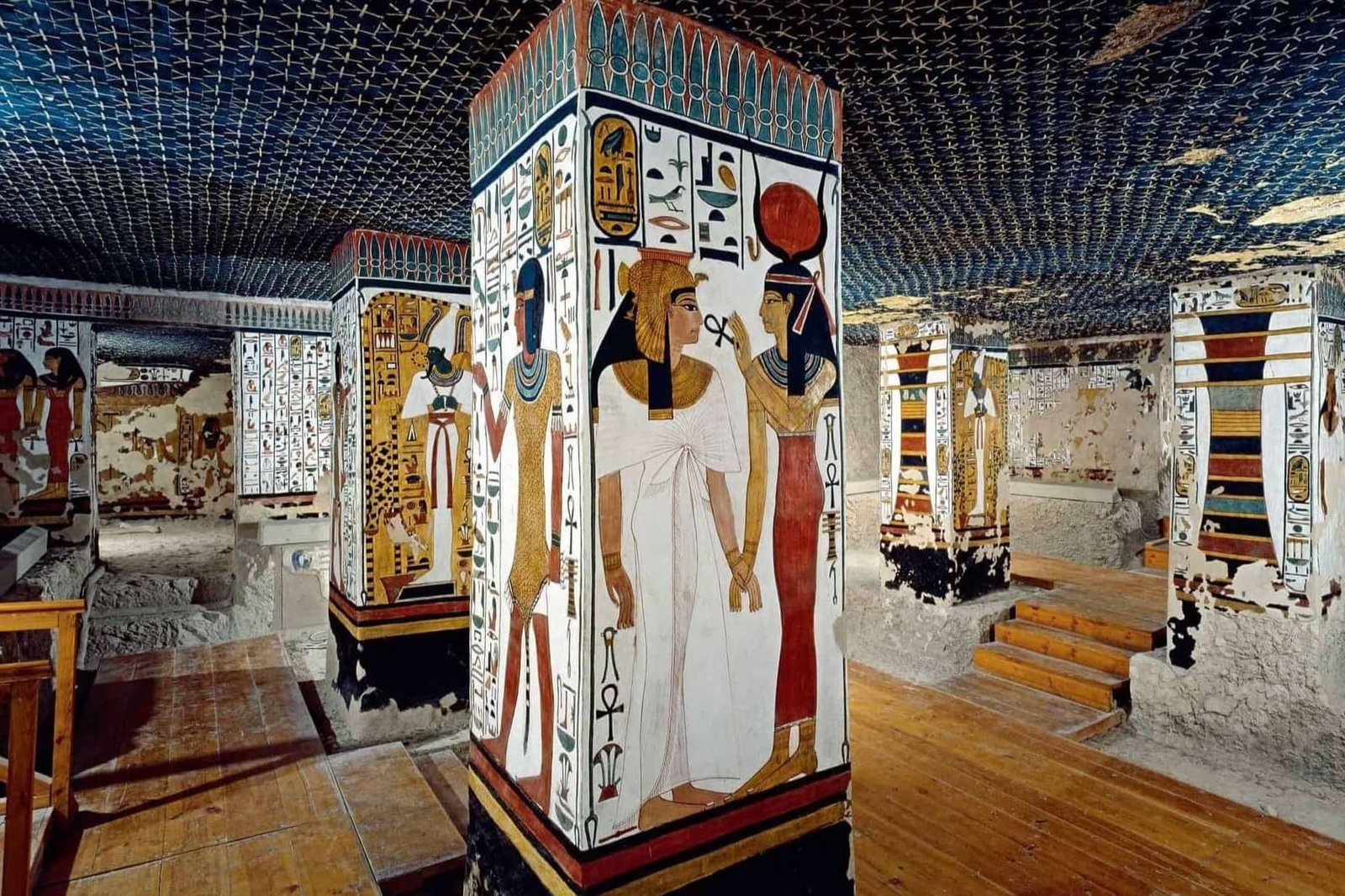
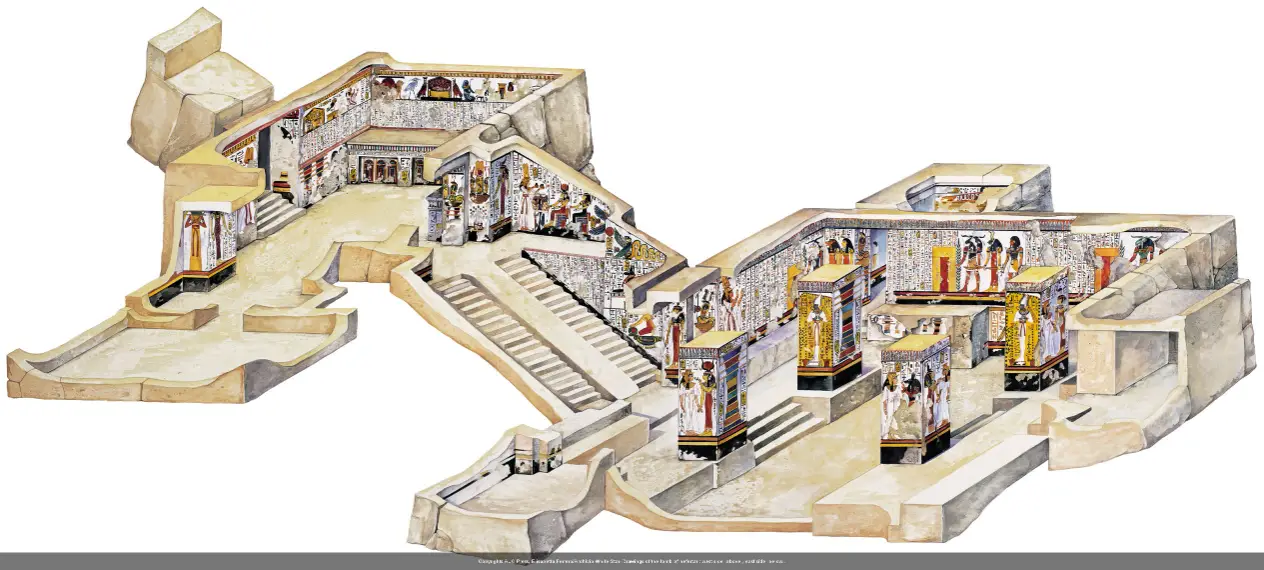
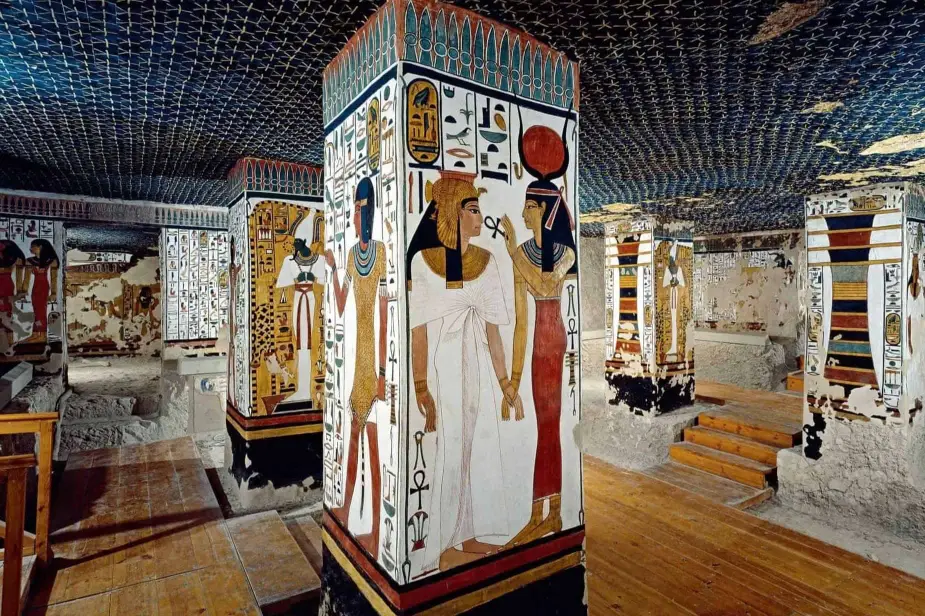
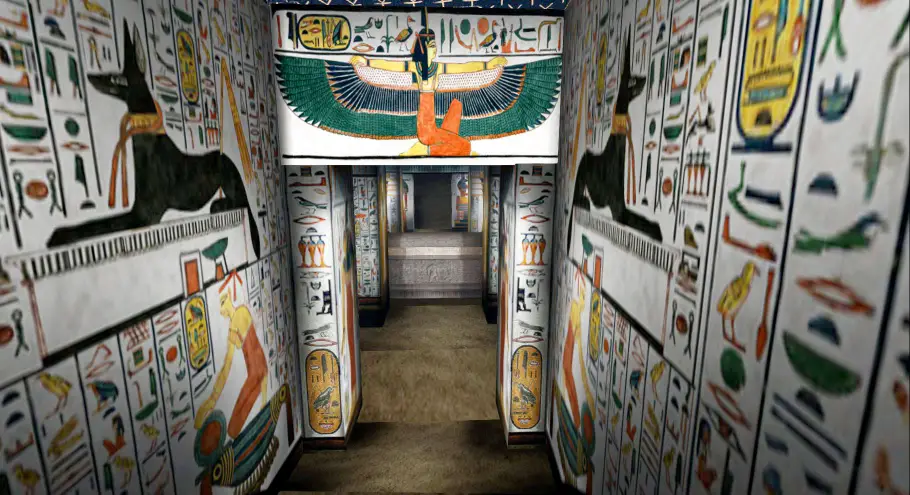
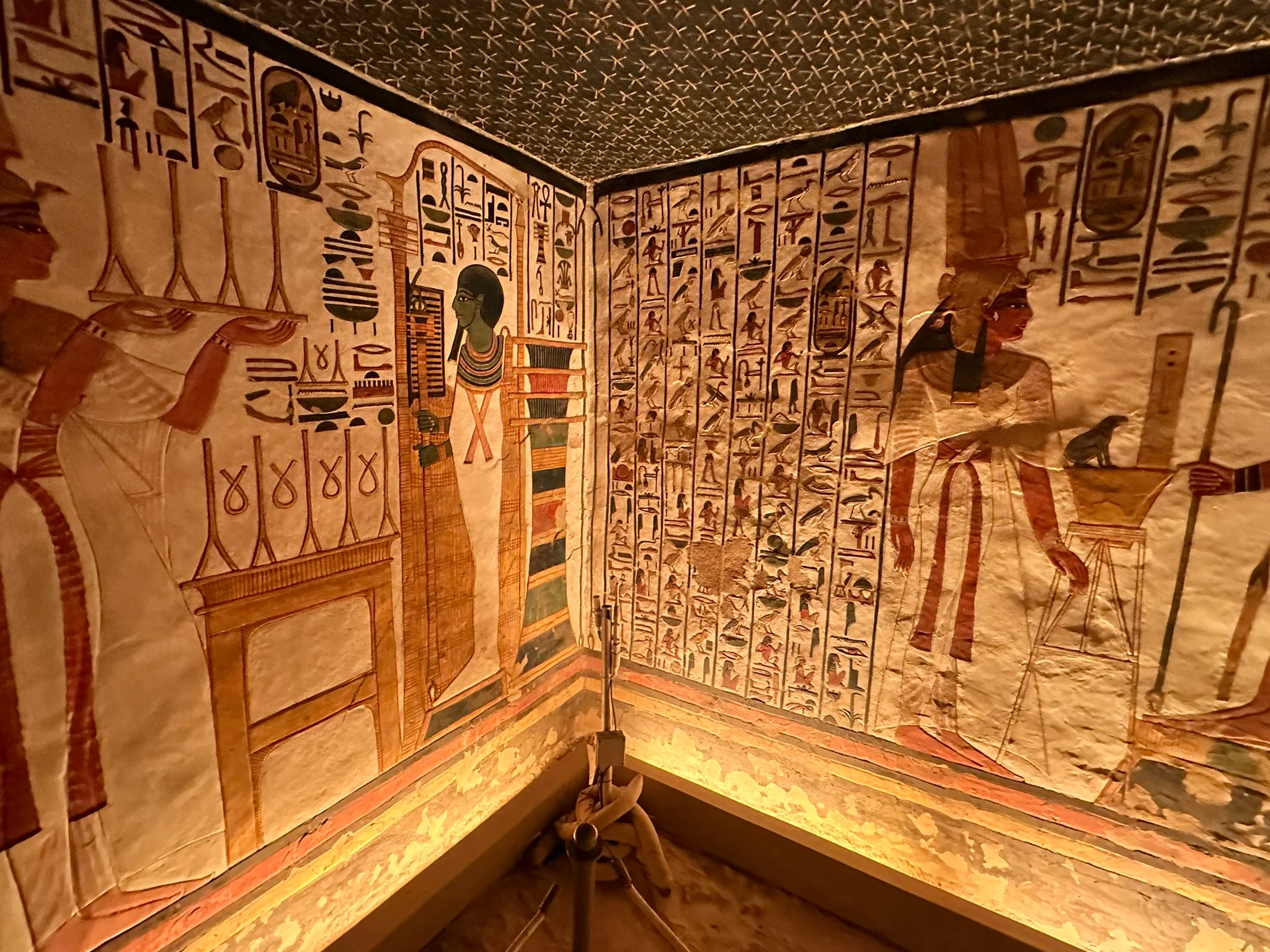
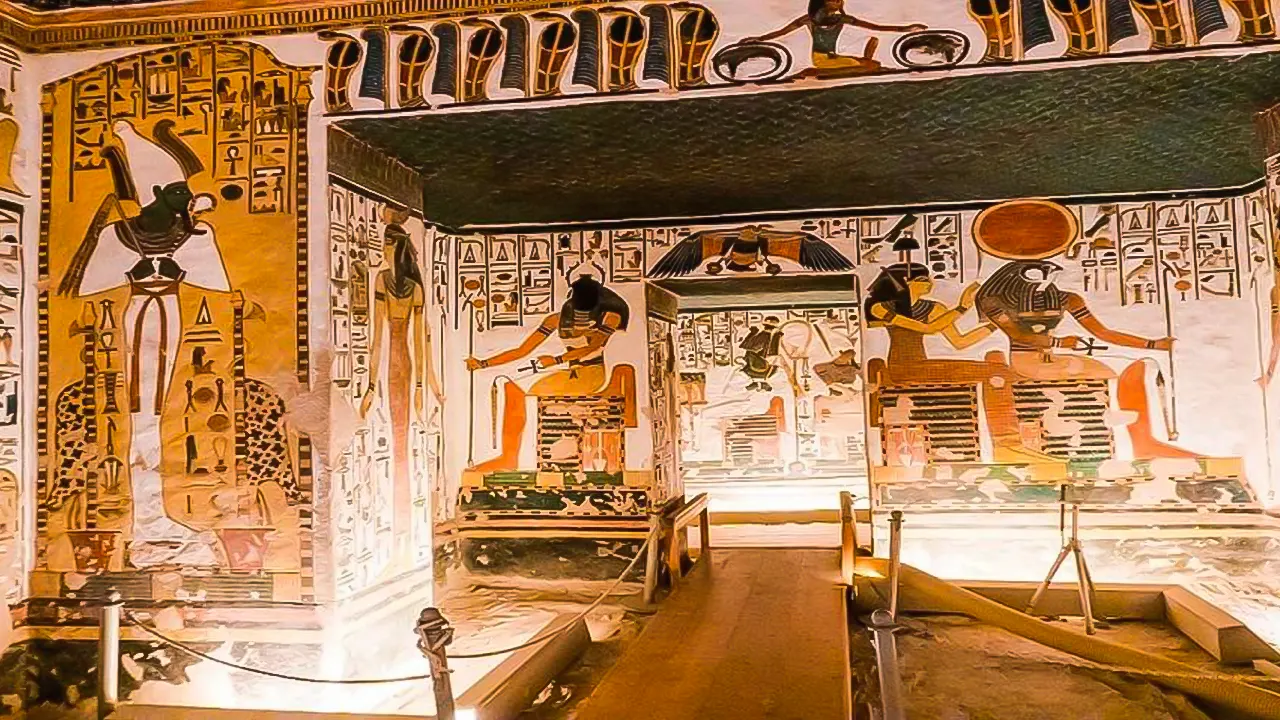
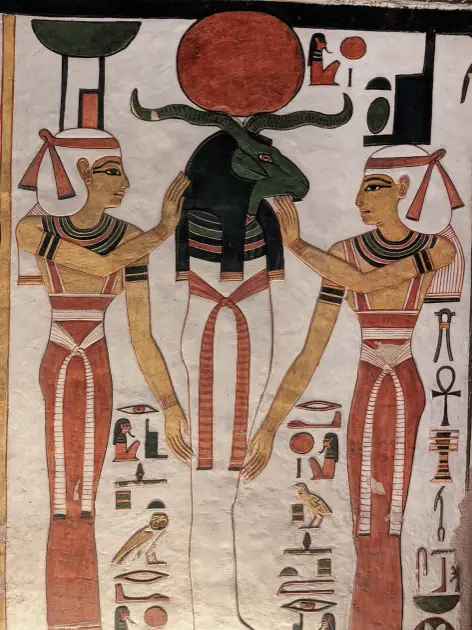
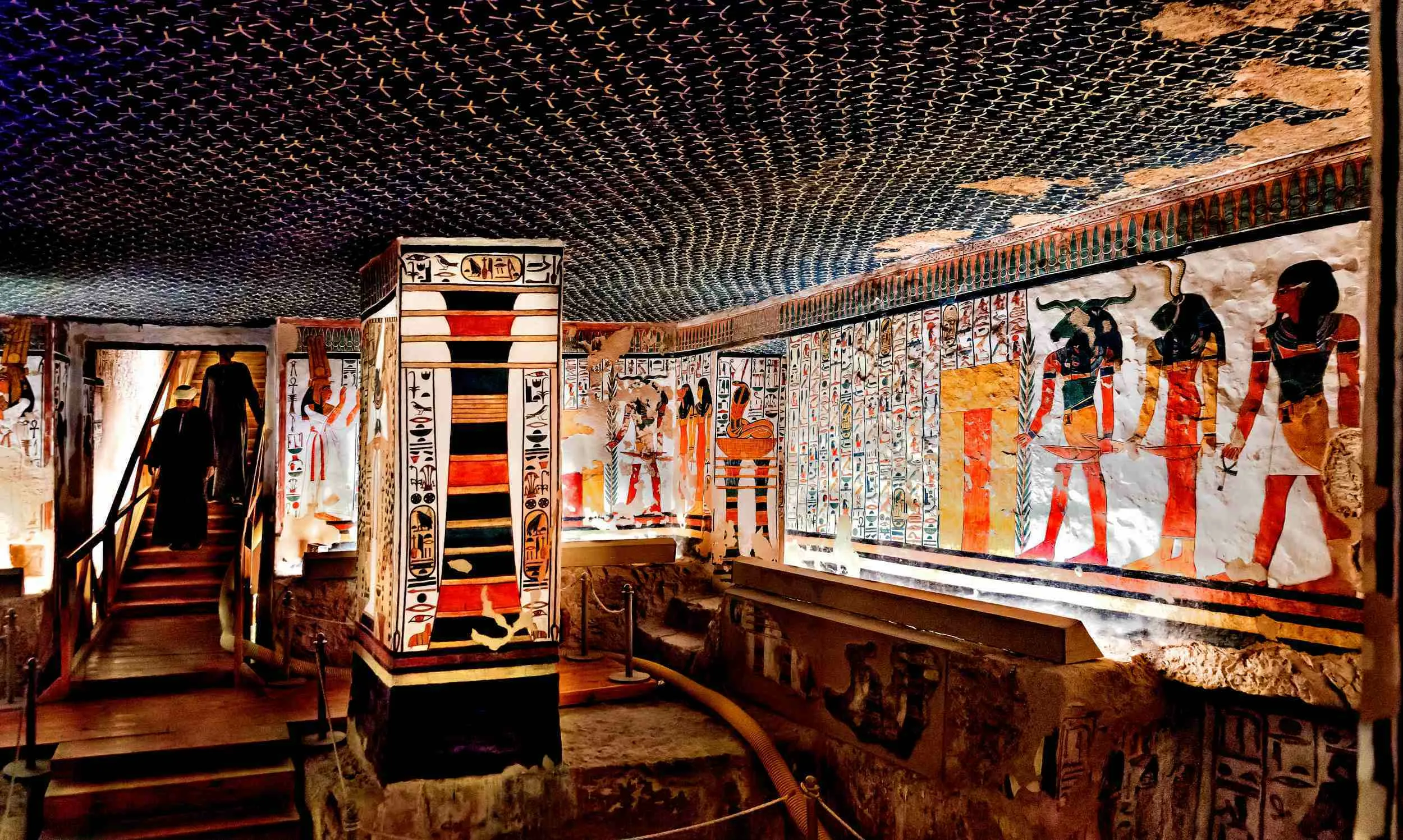
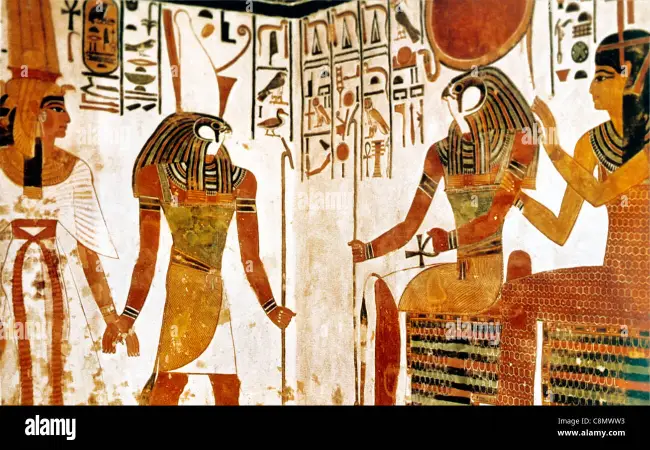
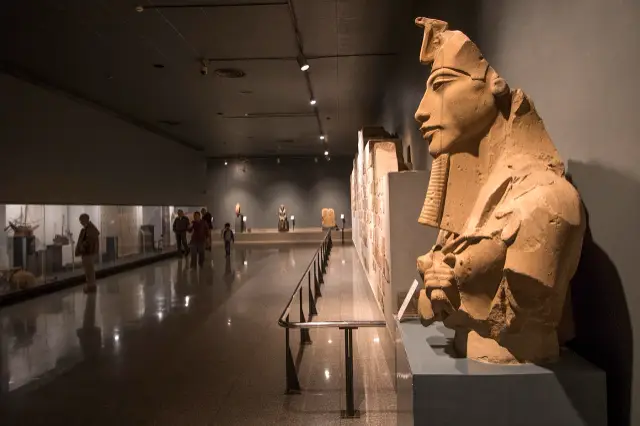
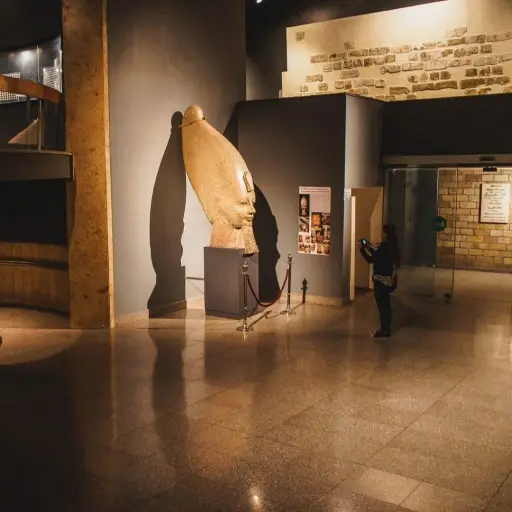
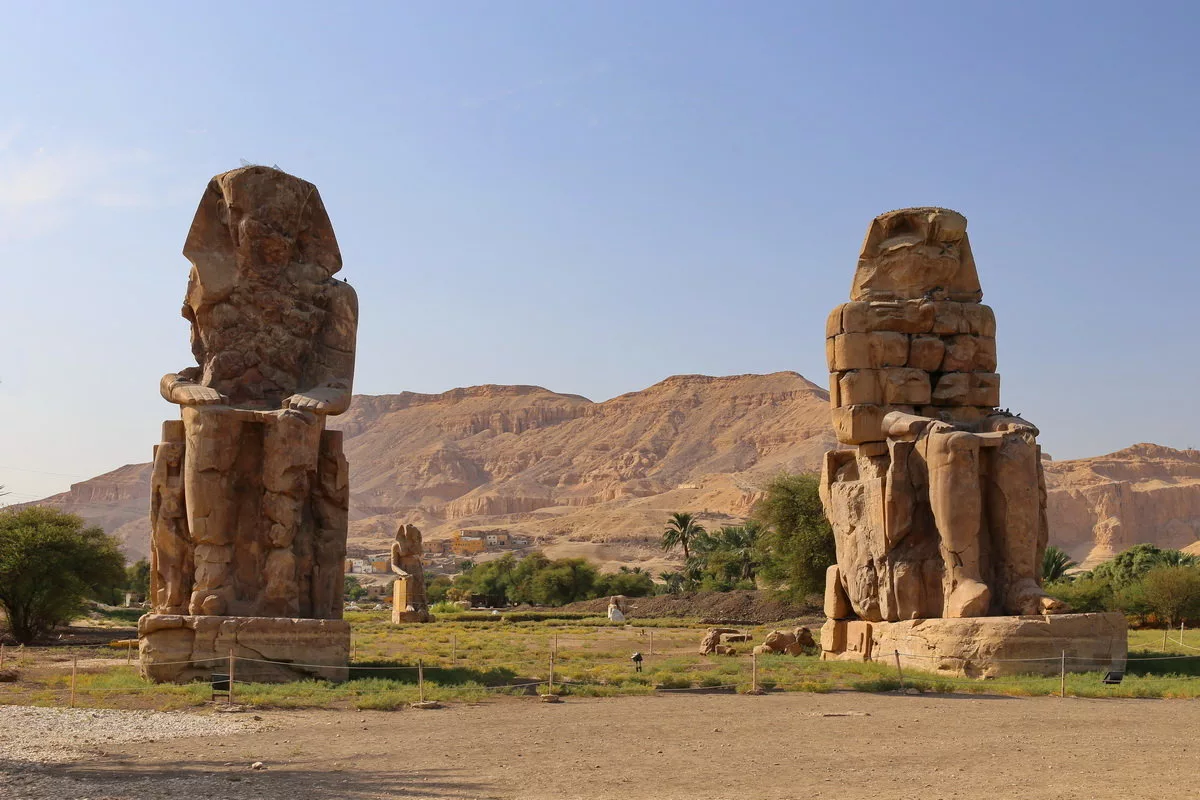
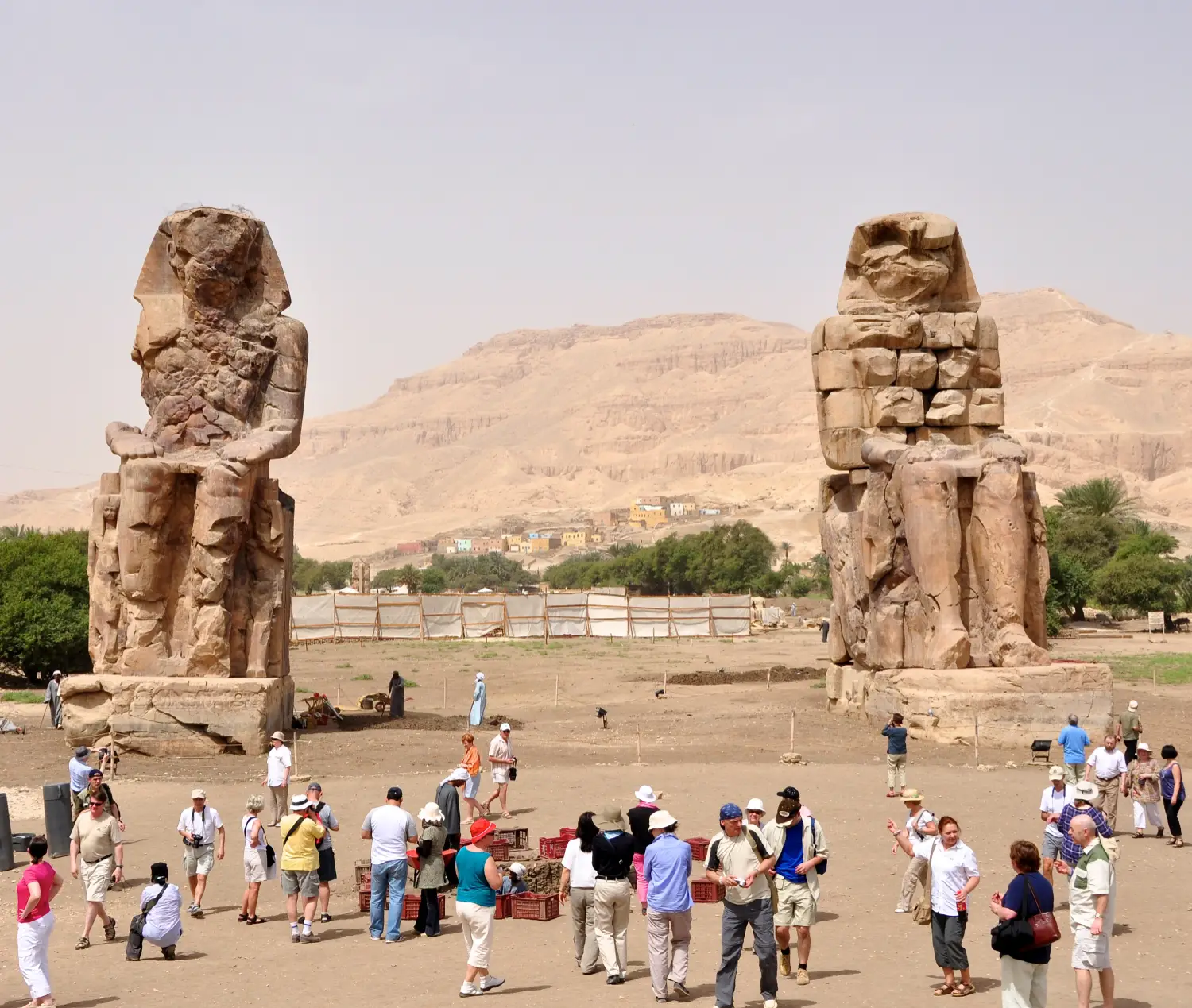
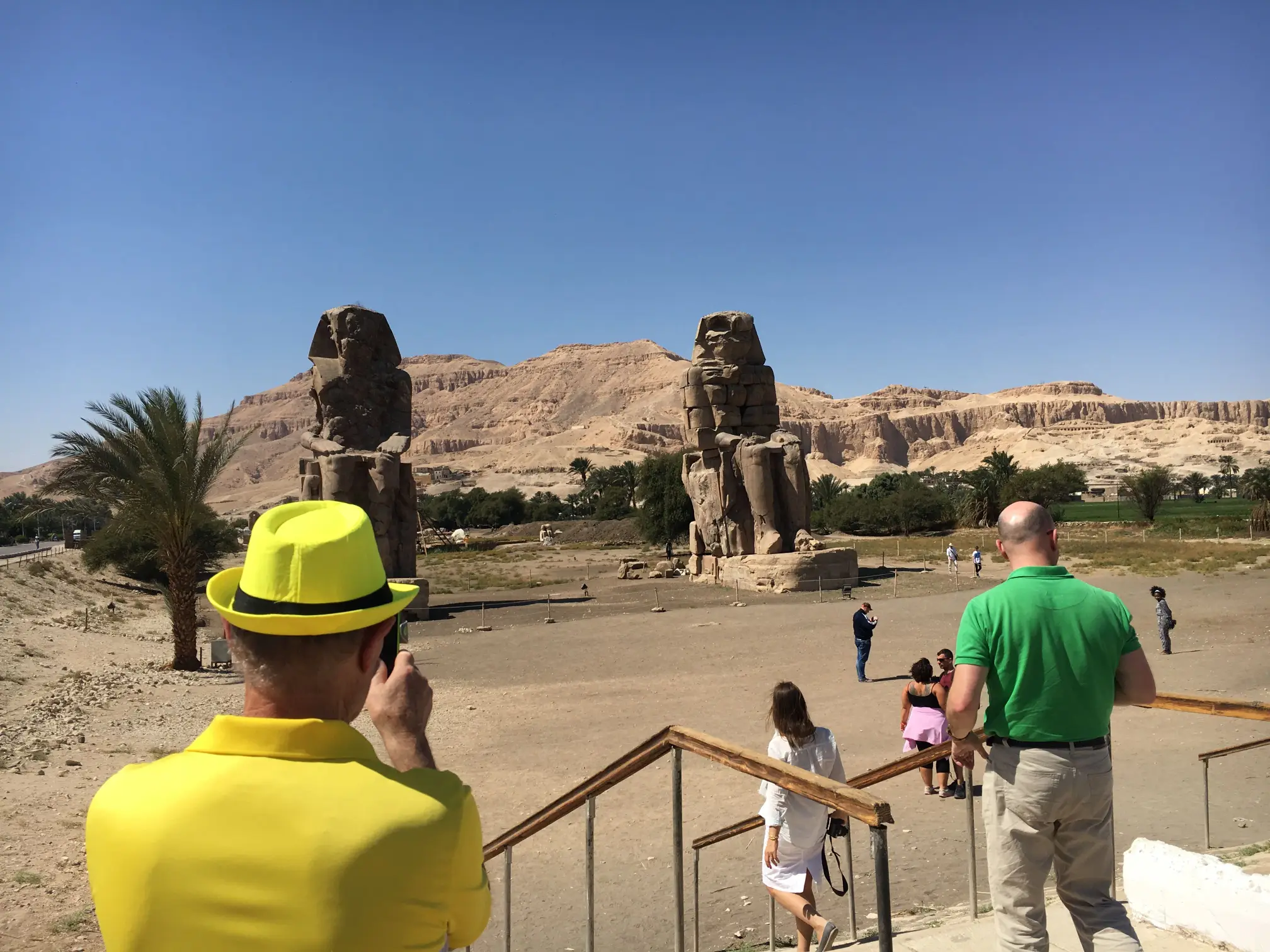
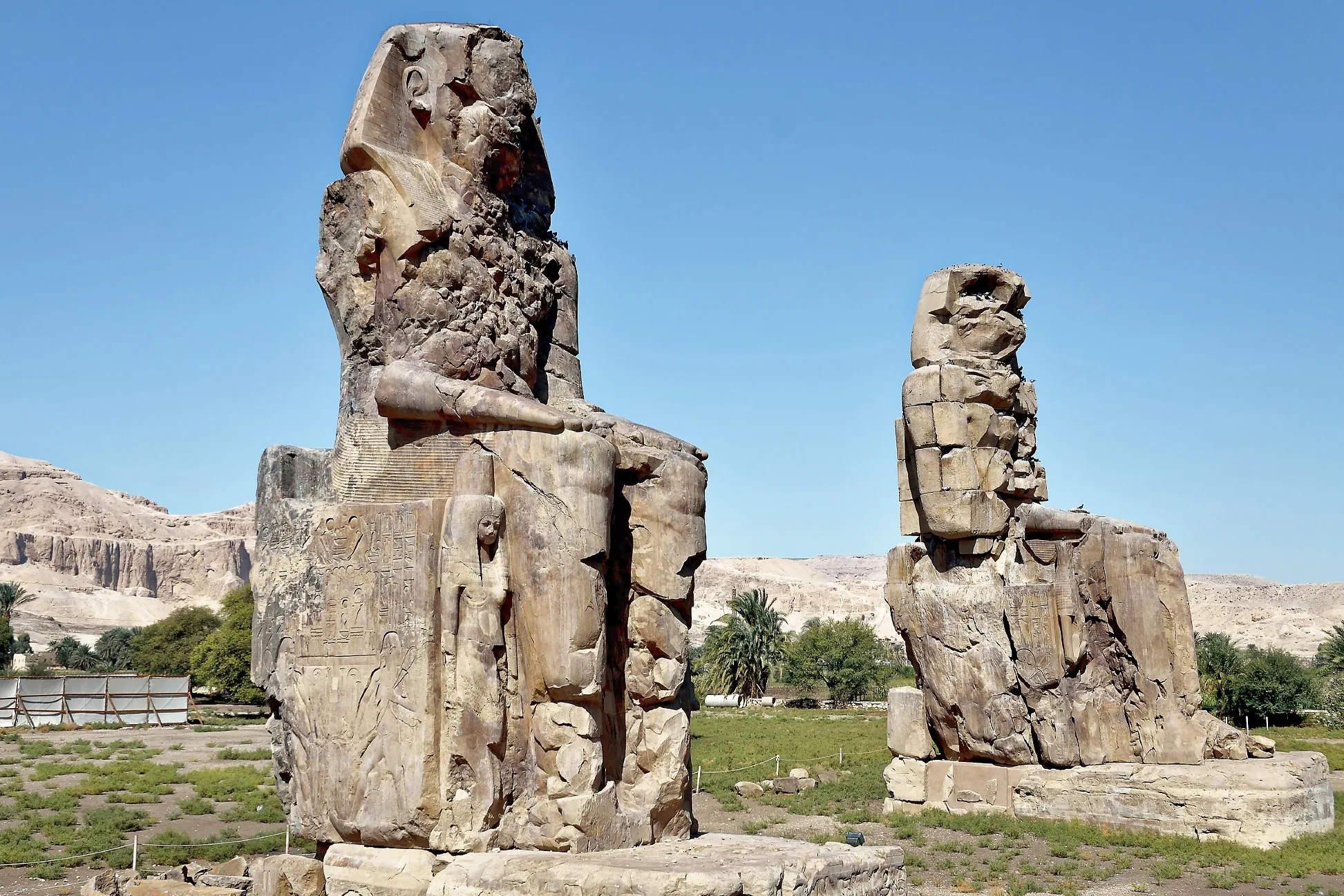
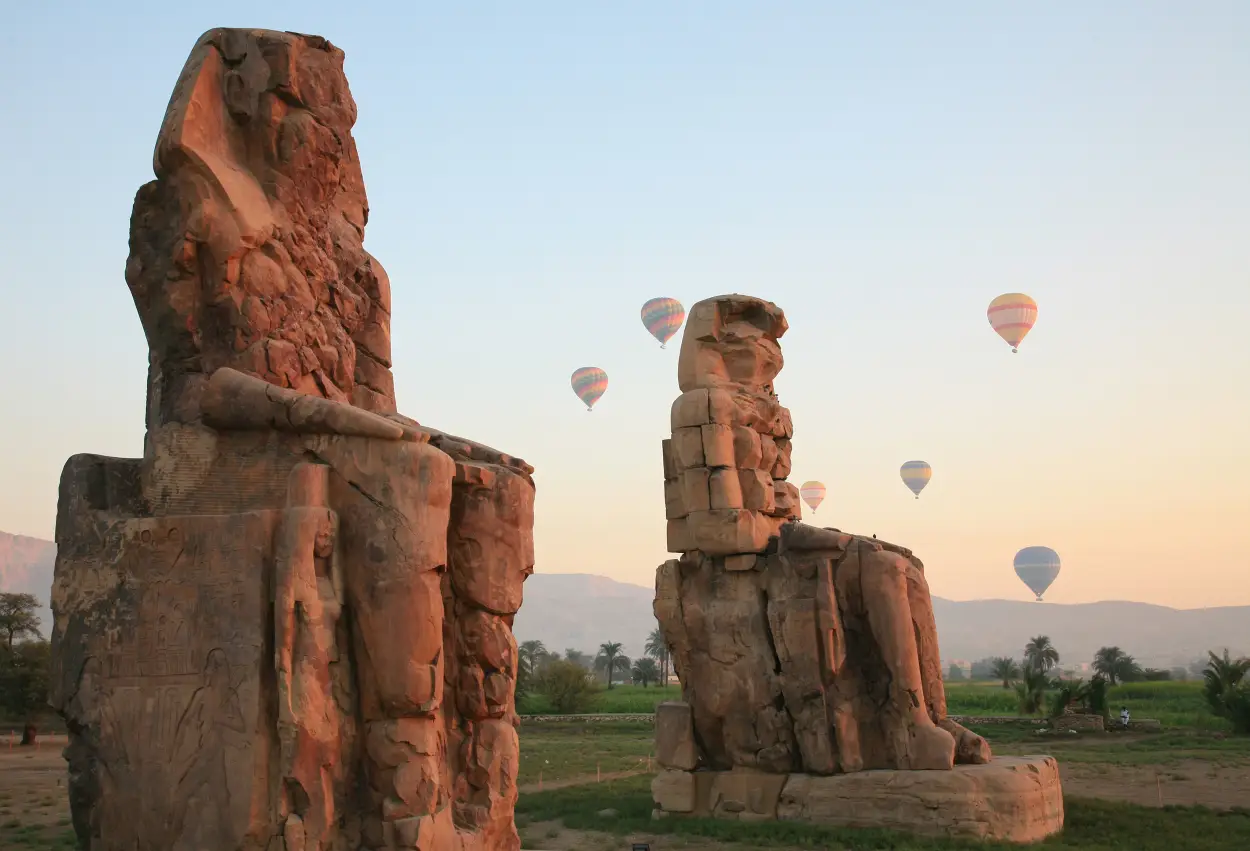
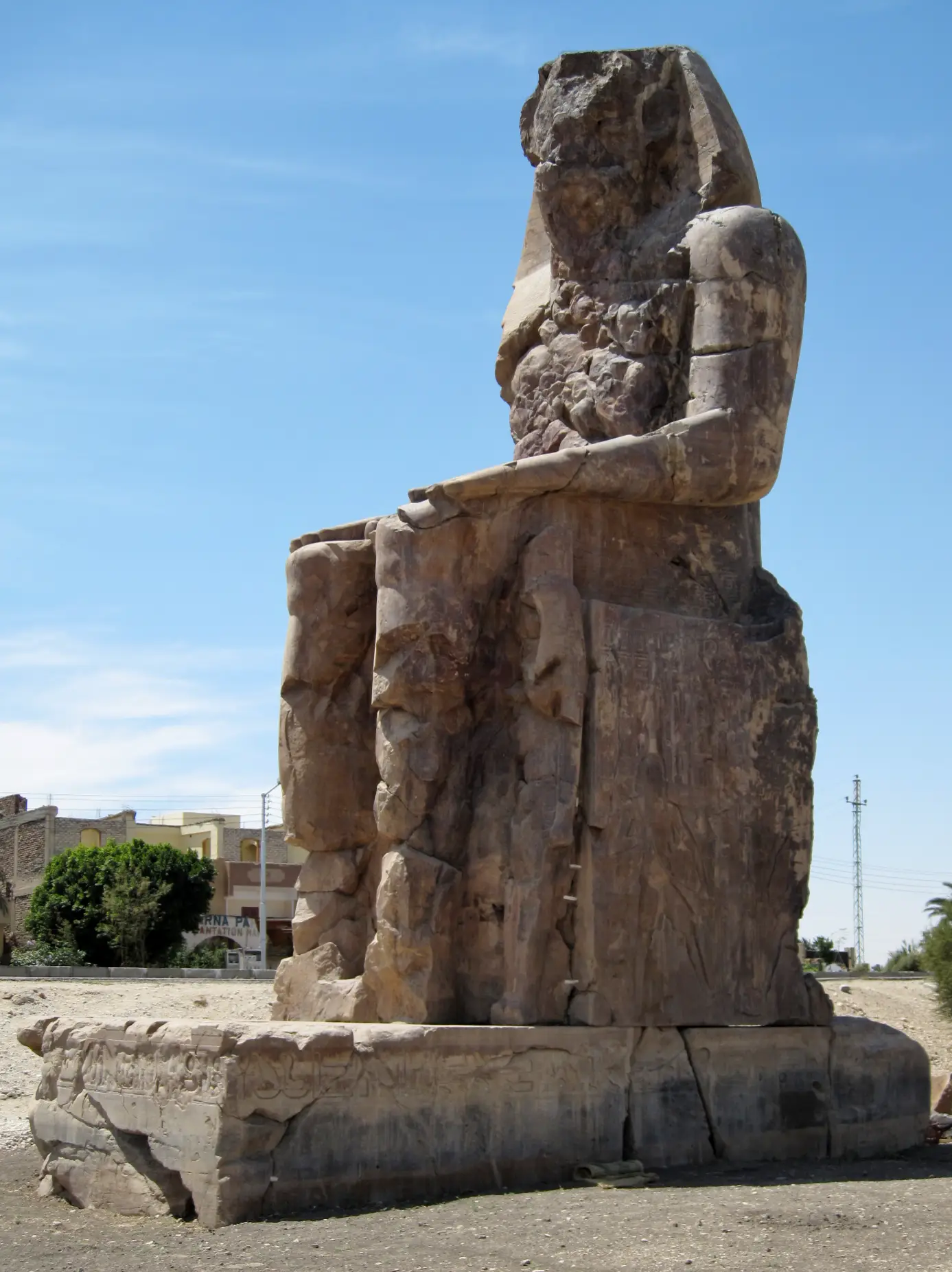
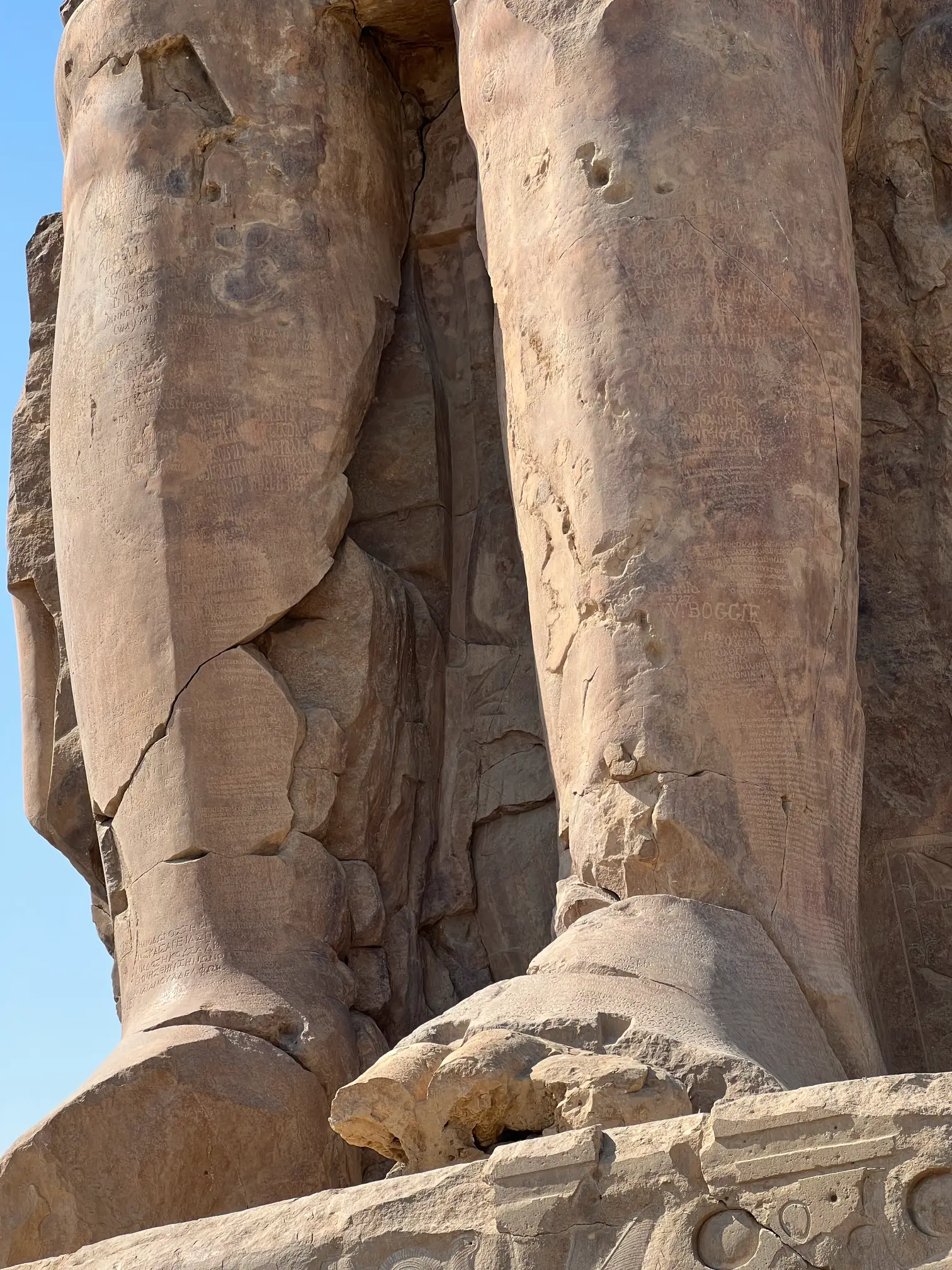
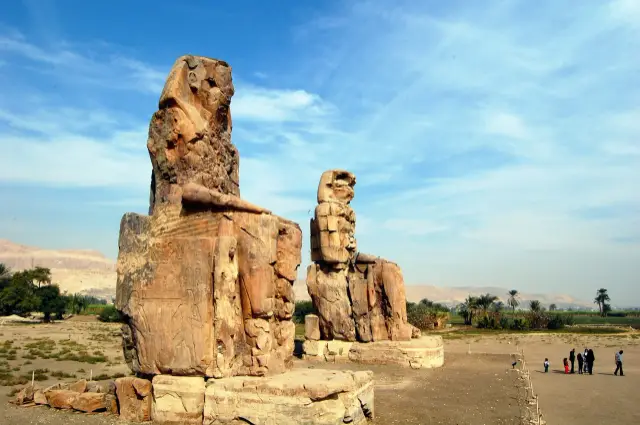
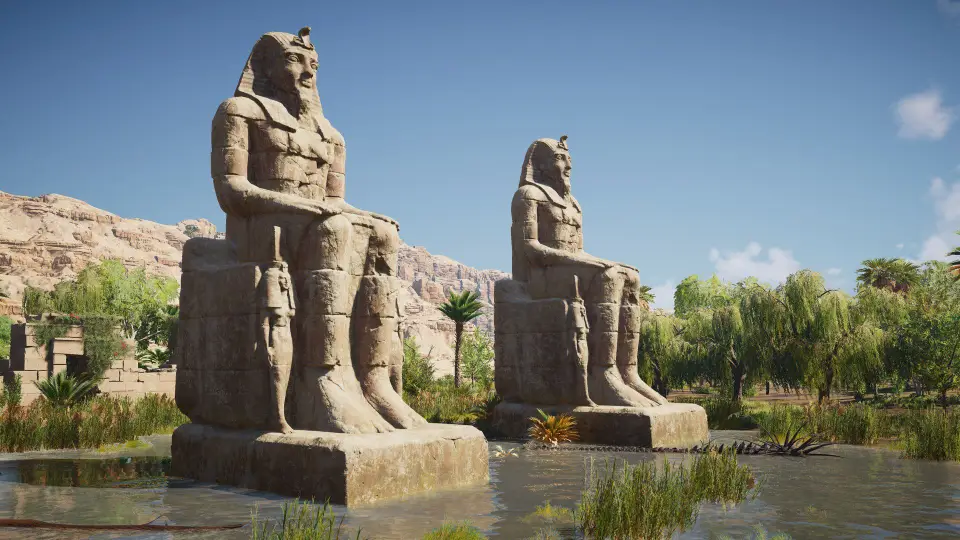
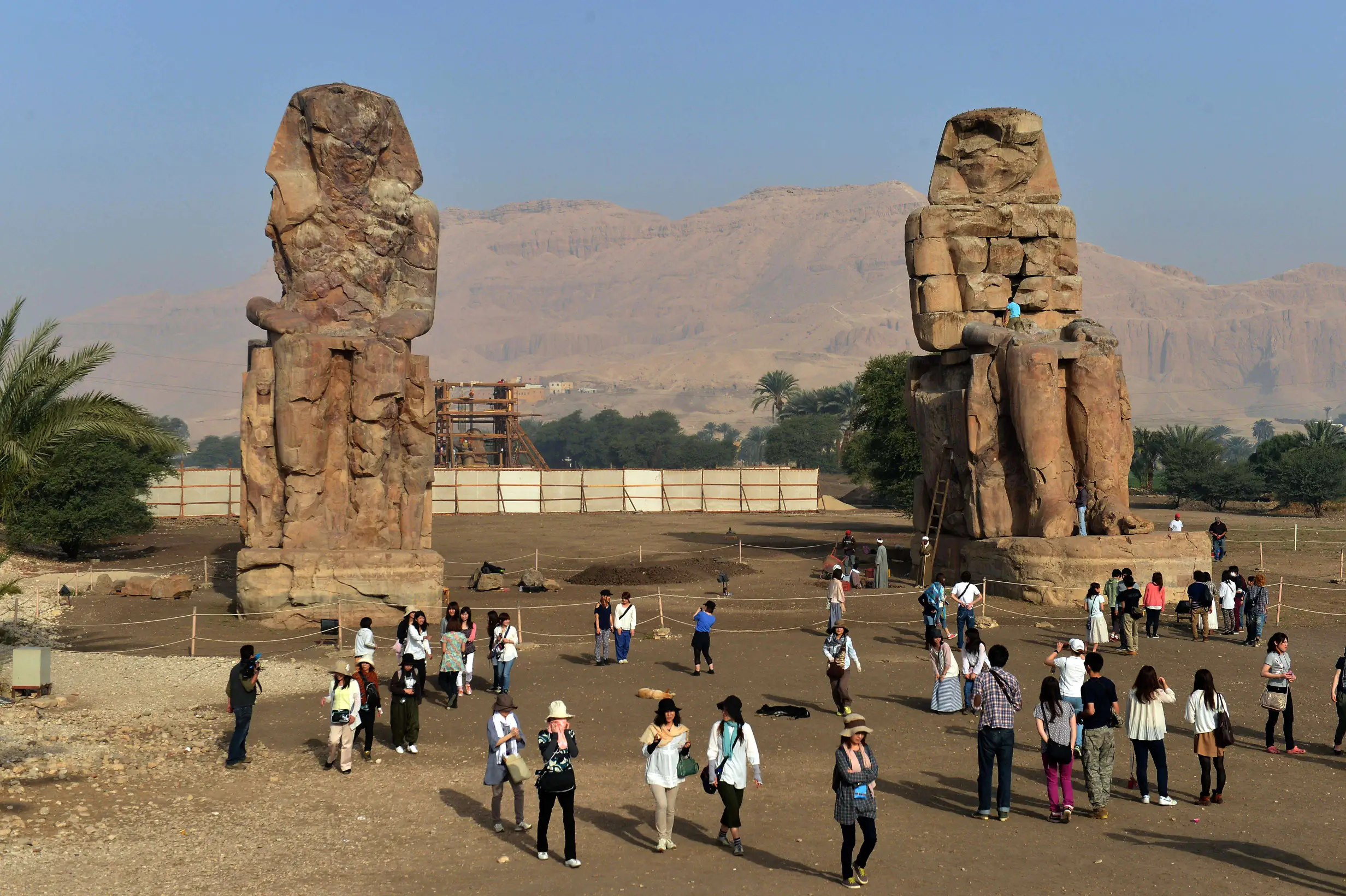
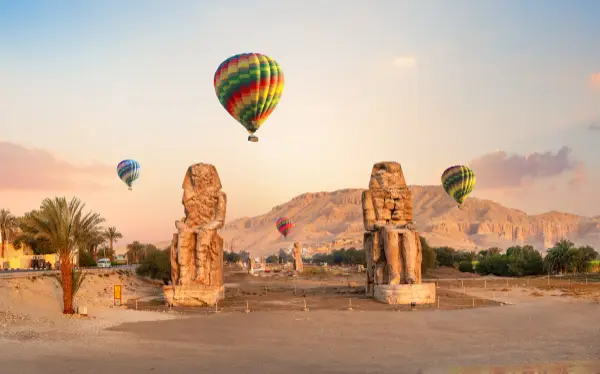
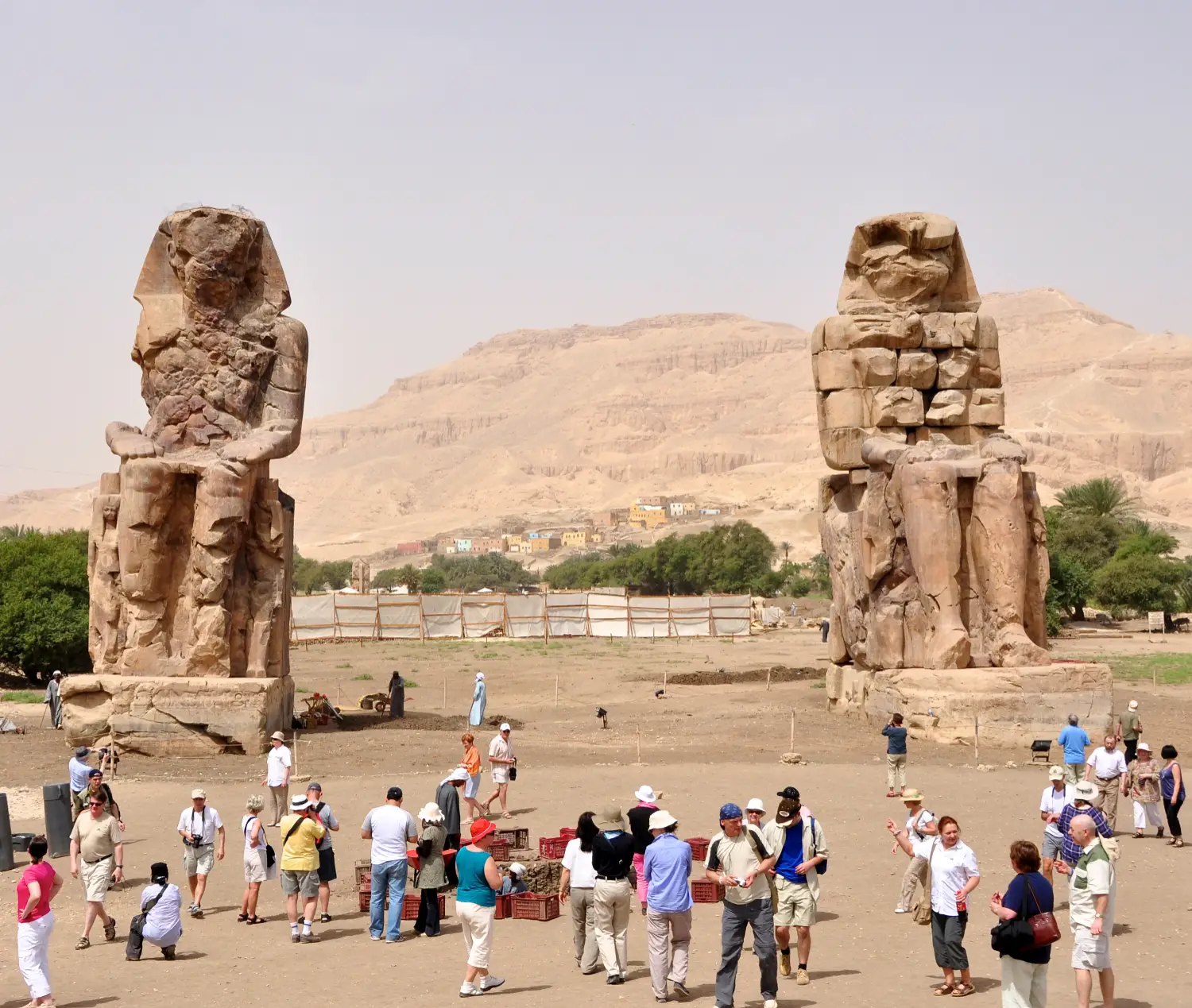
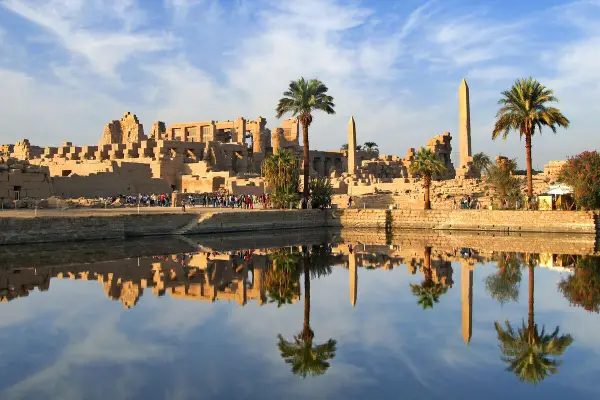
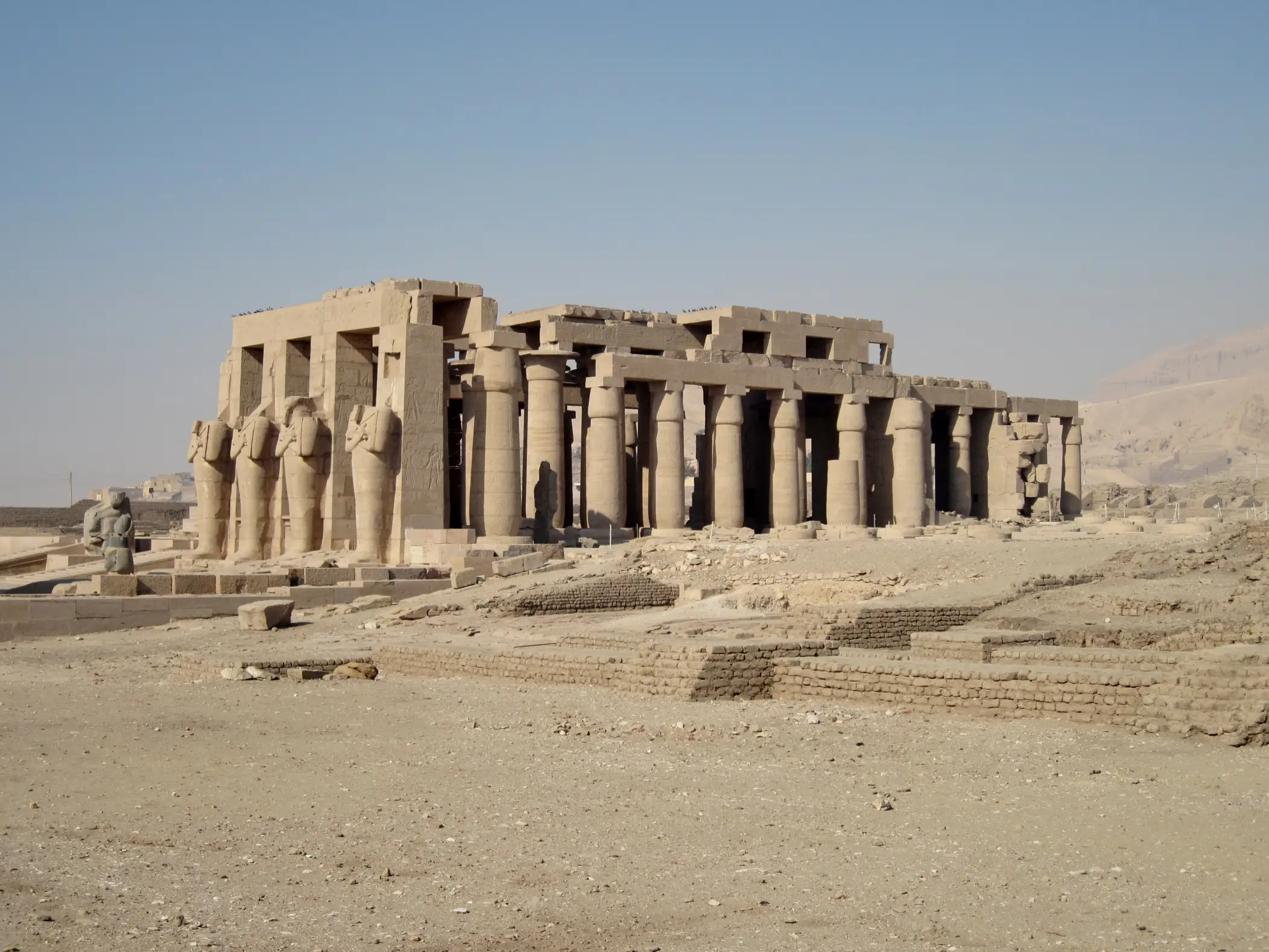
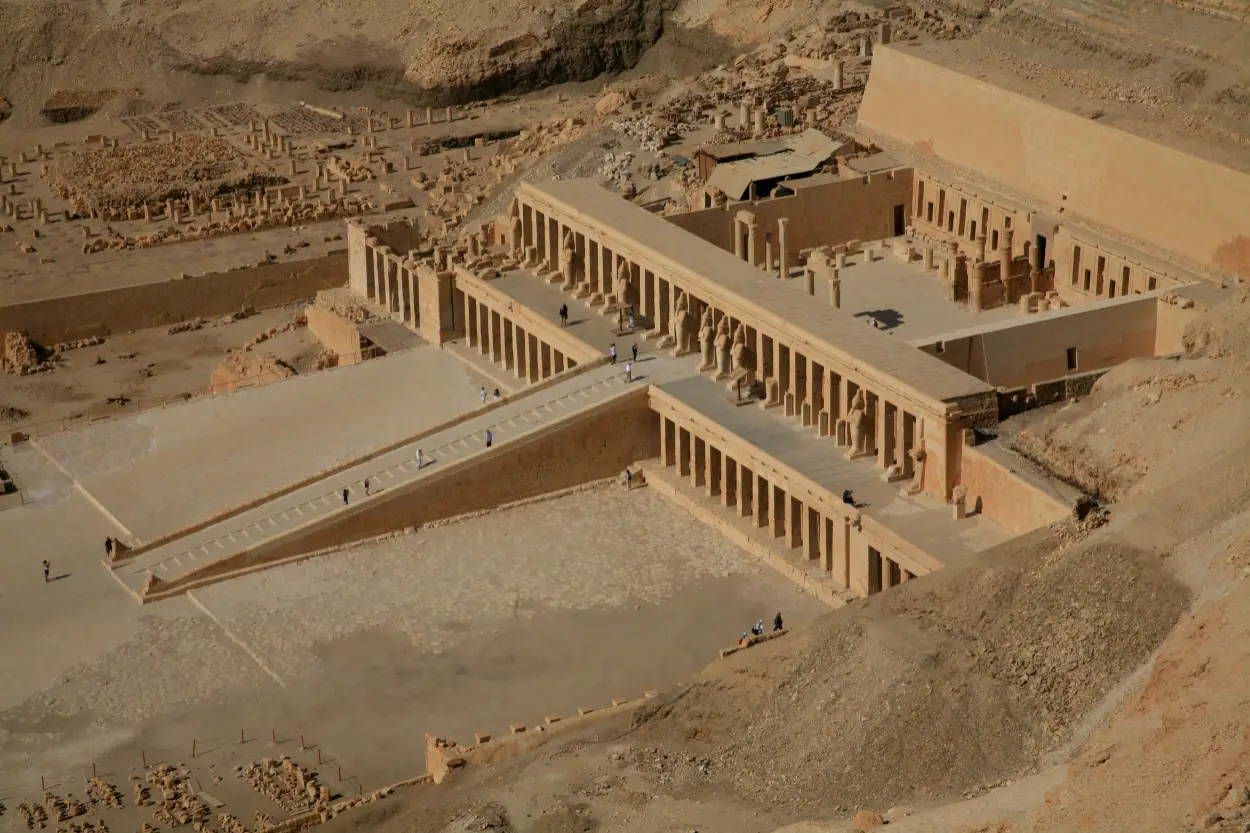
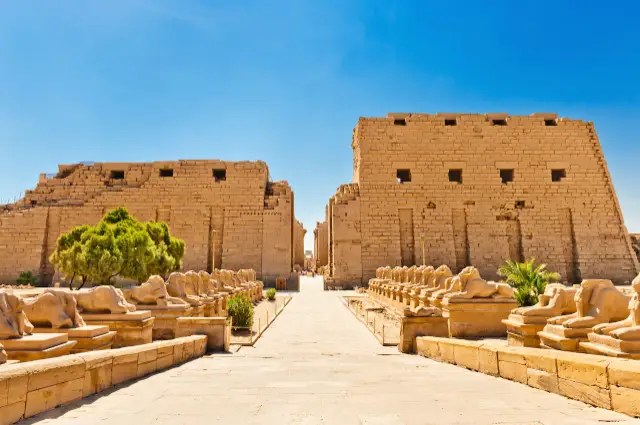
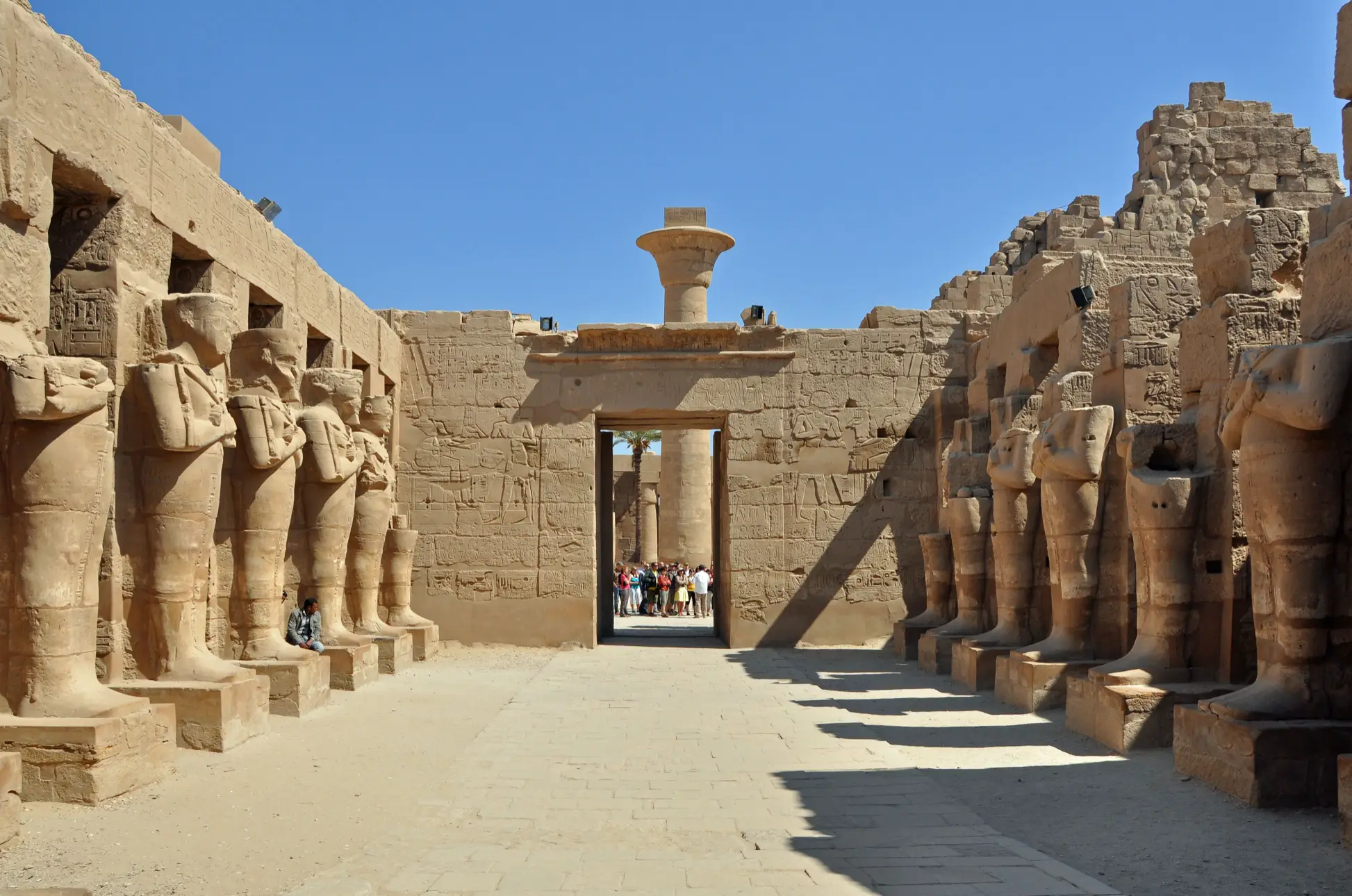
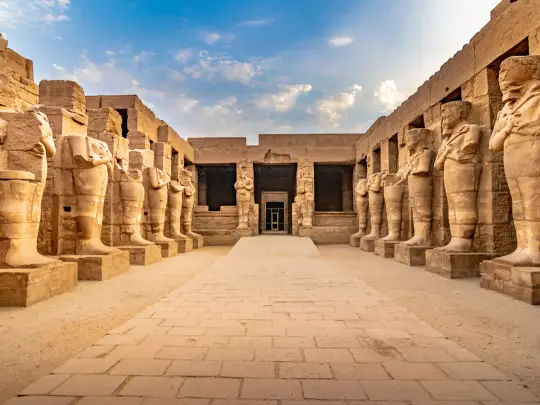
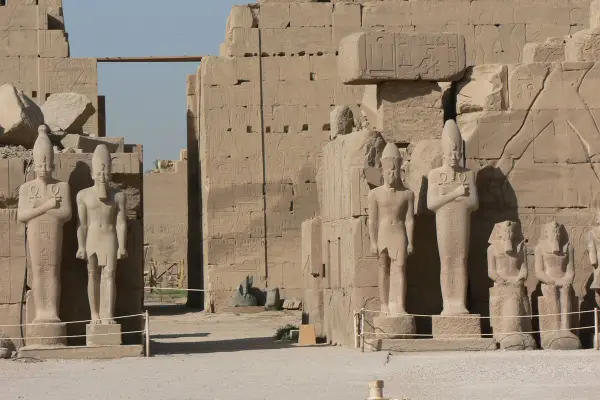
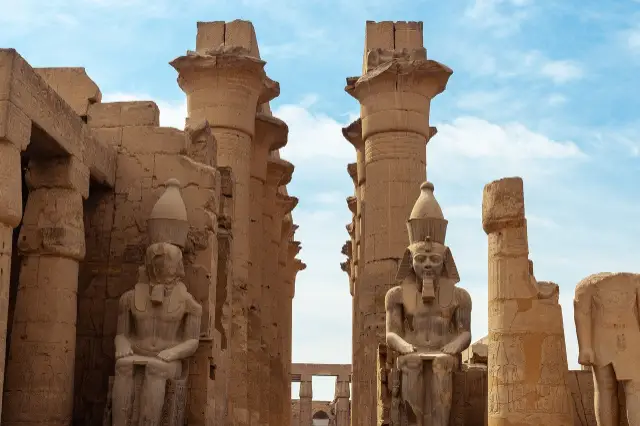
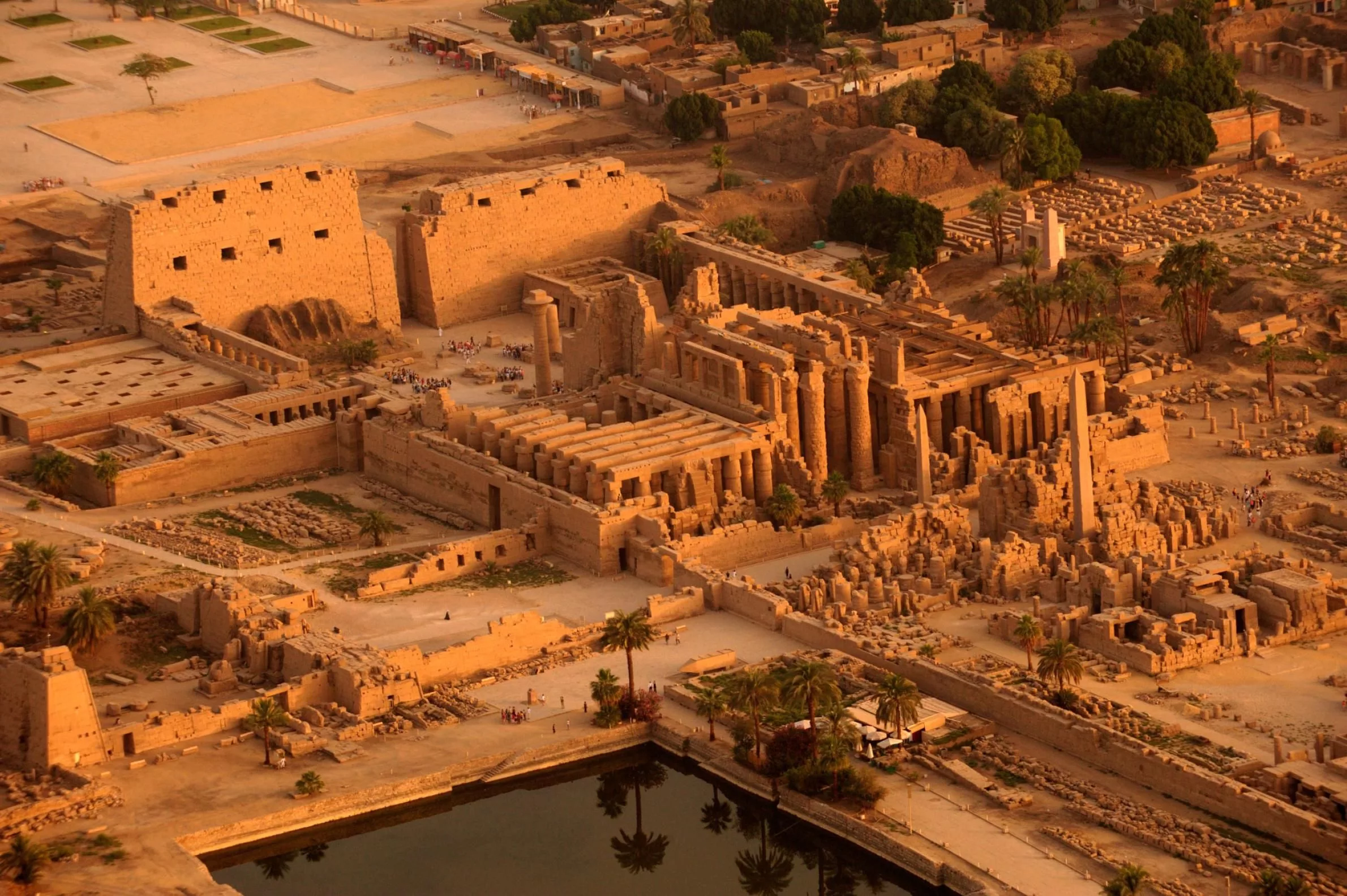
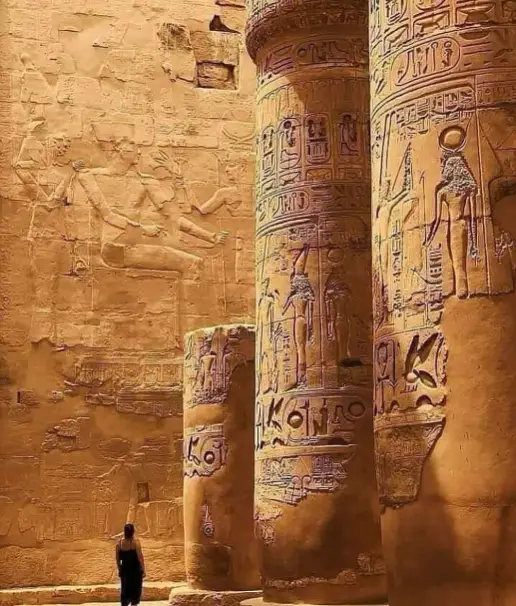
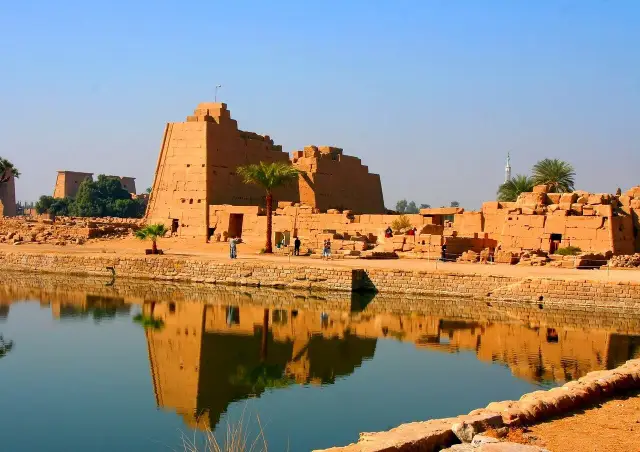
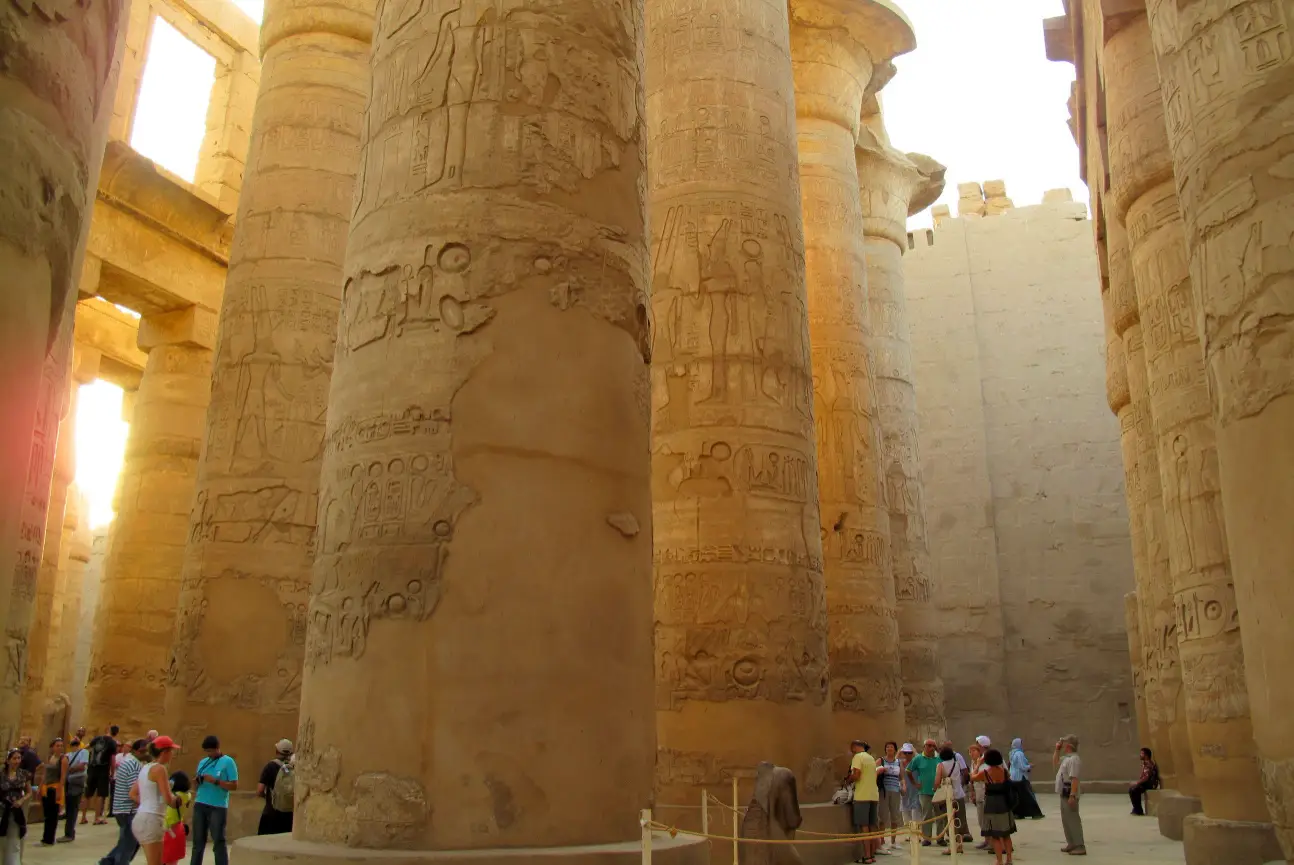
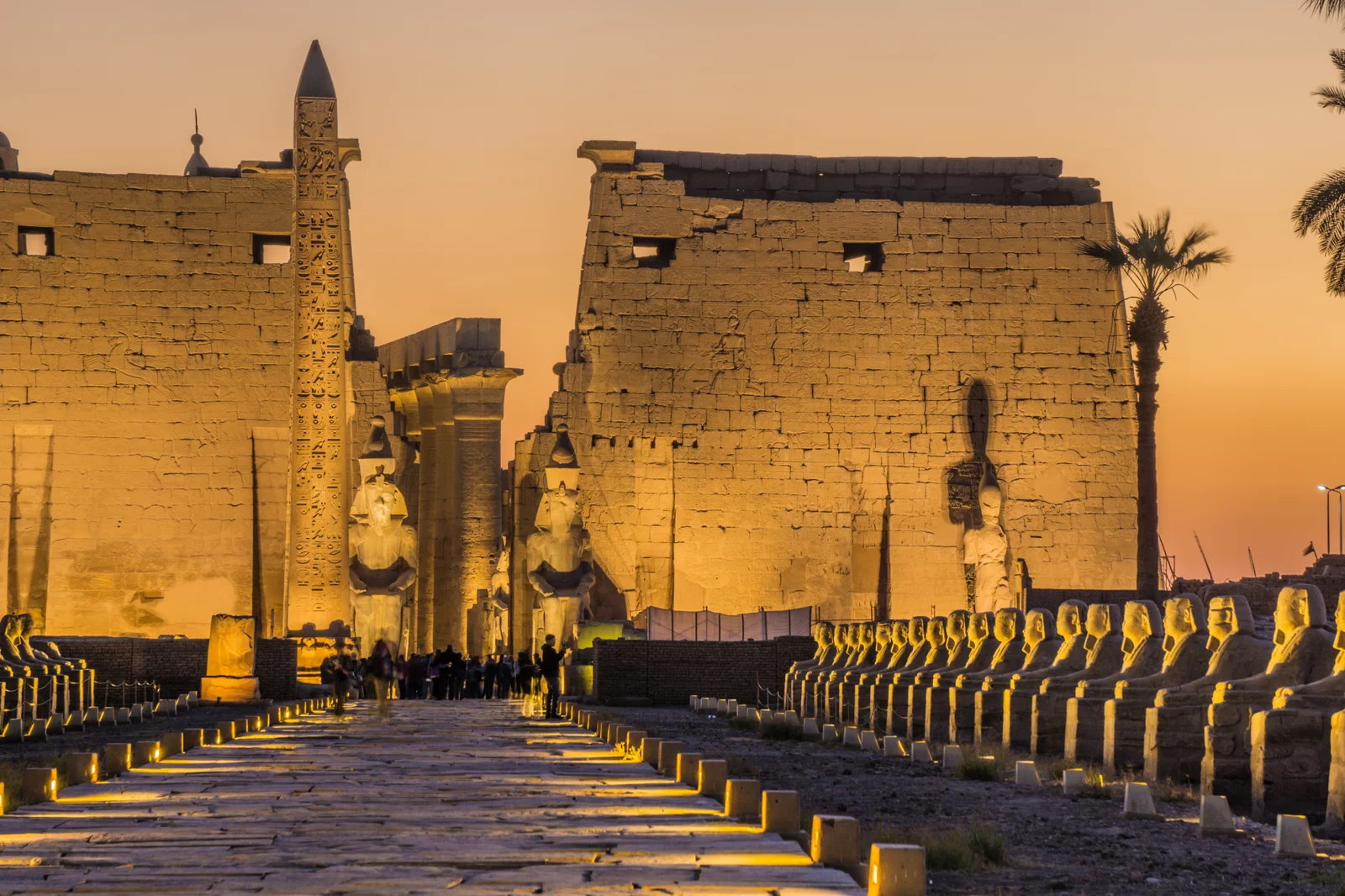
The Ramesseum is renowned for its colossal statues and impressive architecture. Its entrance is marked by two massive statues of Pharaoh Ramesses II, known as the Colossi of Memnon. The temple itself consists of a central hall, multiple courts, and various sanctuaries. The walls of the temple are adorned with intricate reliefs and hieroglyphics that depict scenes from the pharaoh's military campaigns and religious rituals.
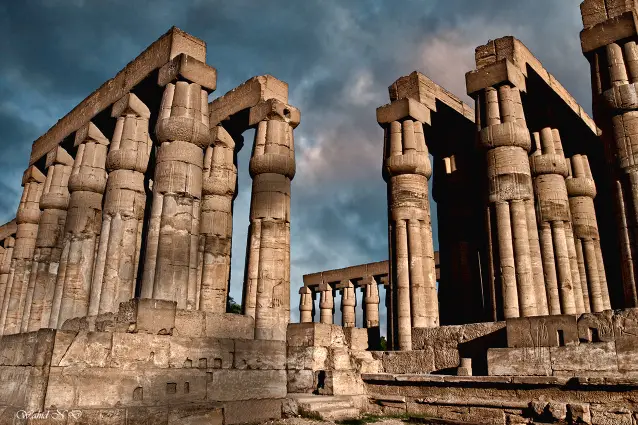
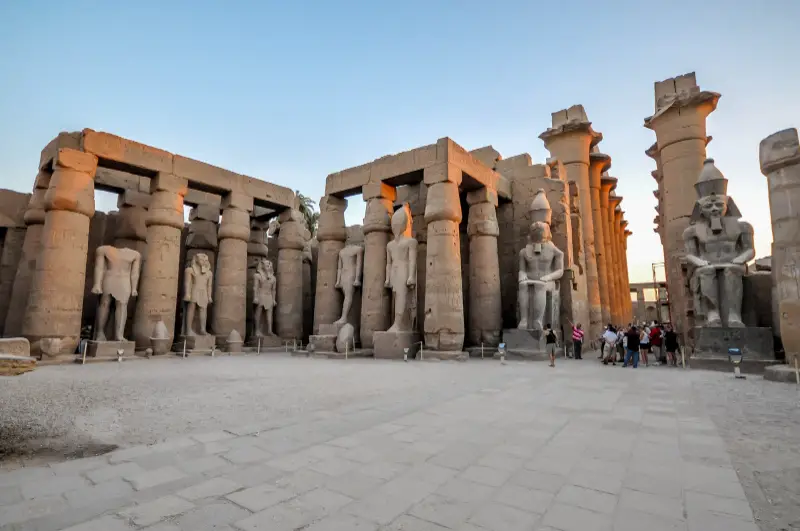
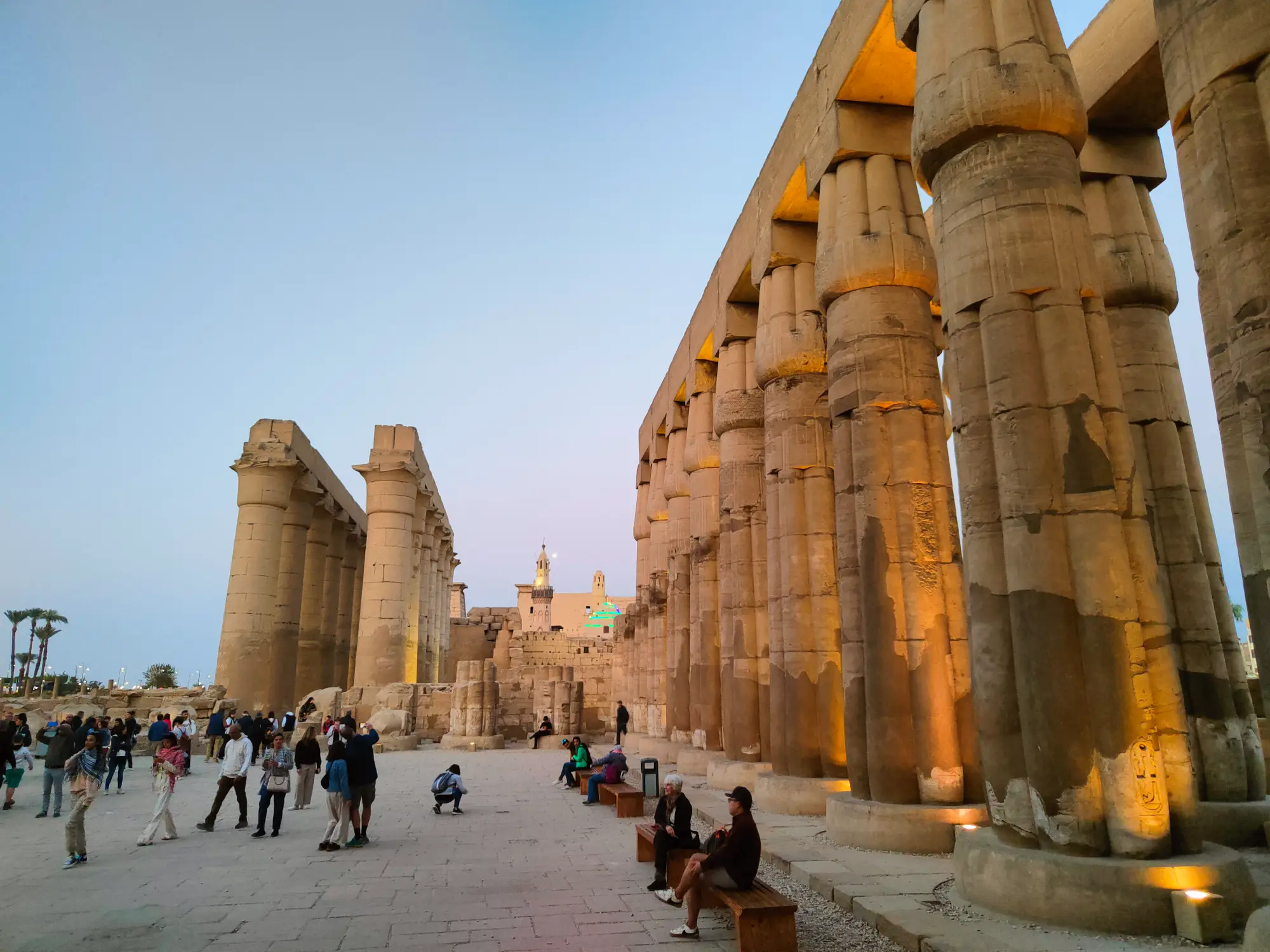
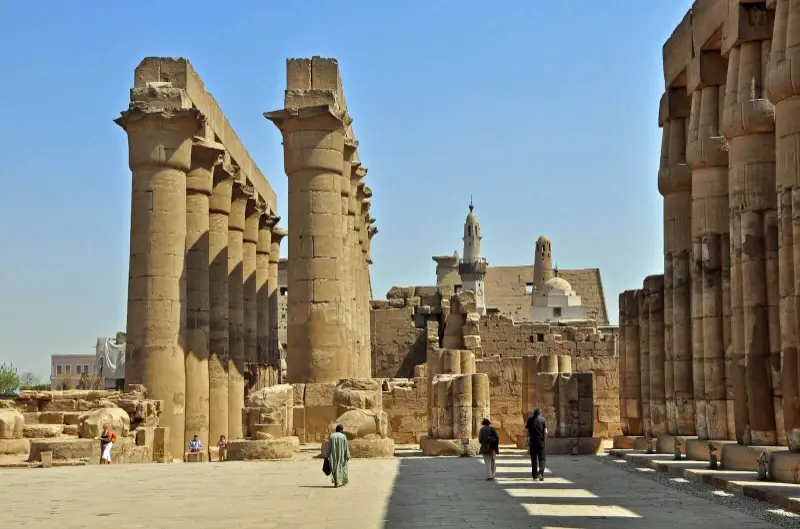
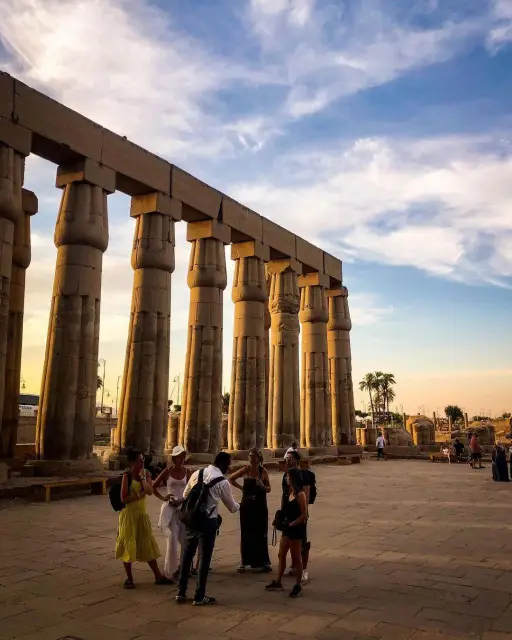
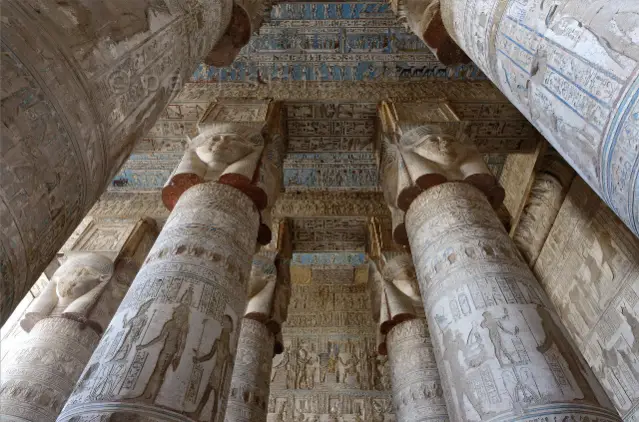
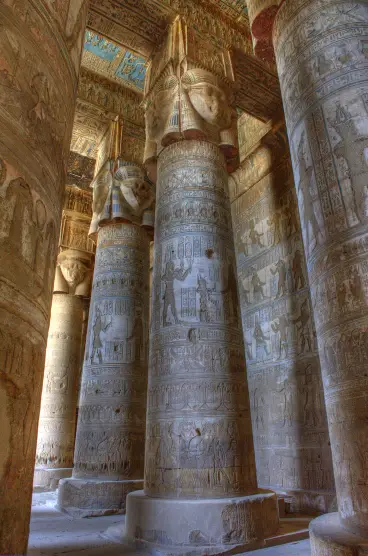
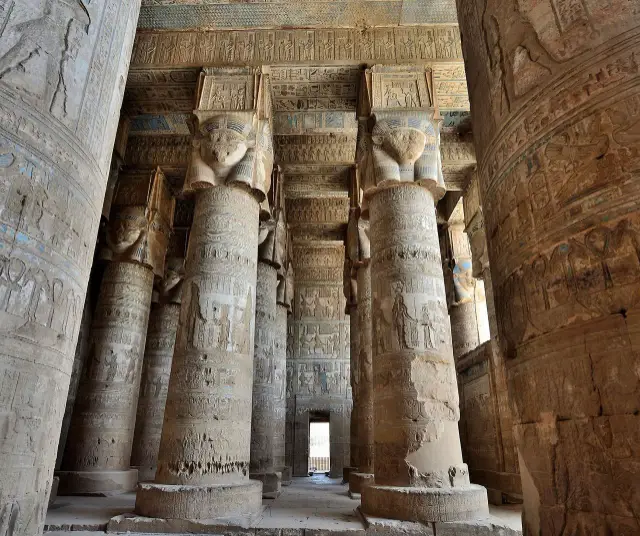
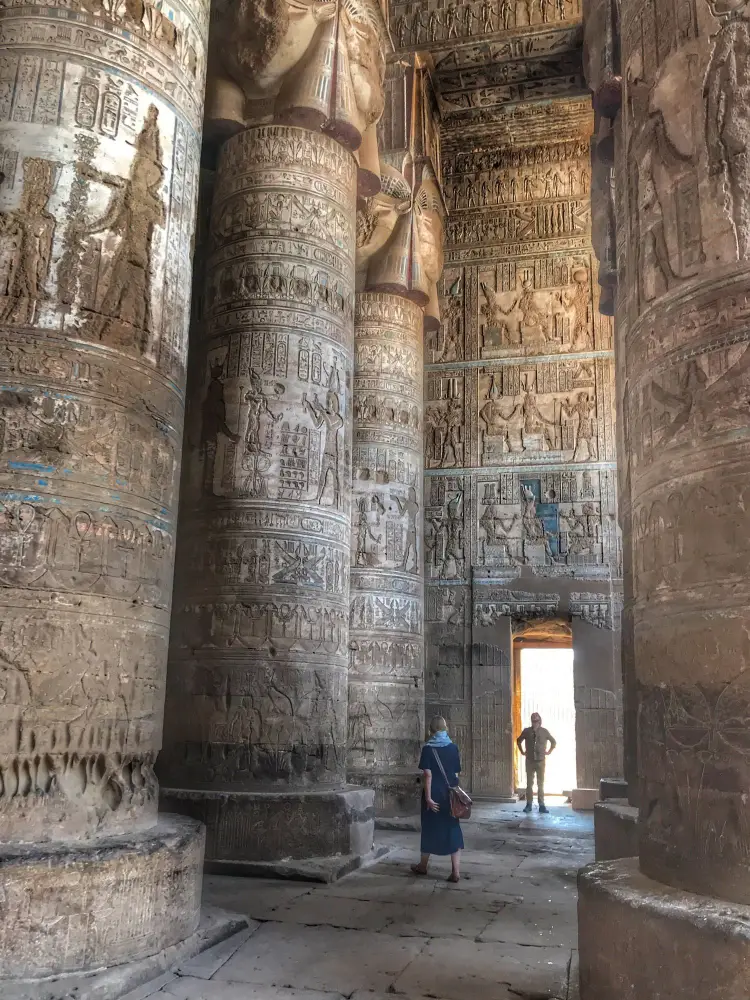
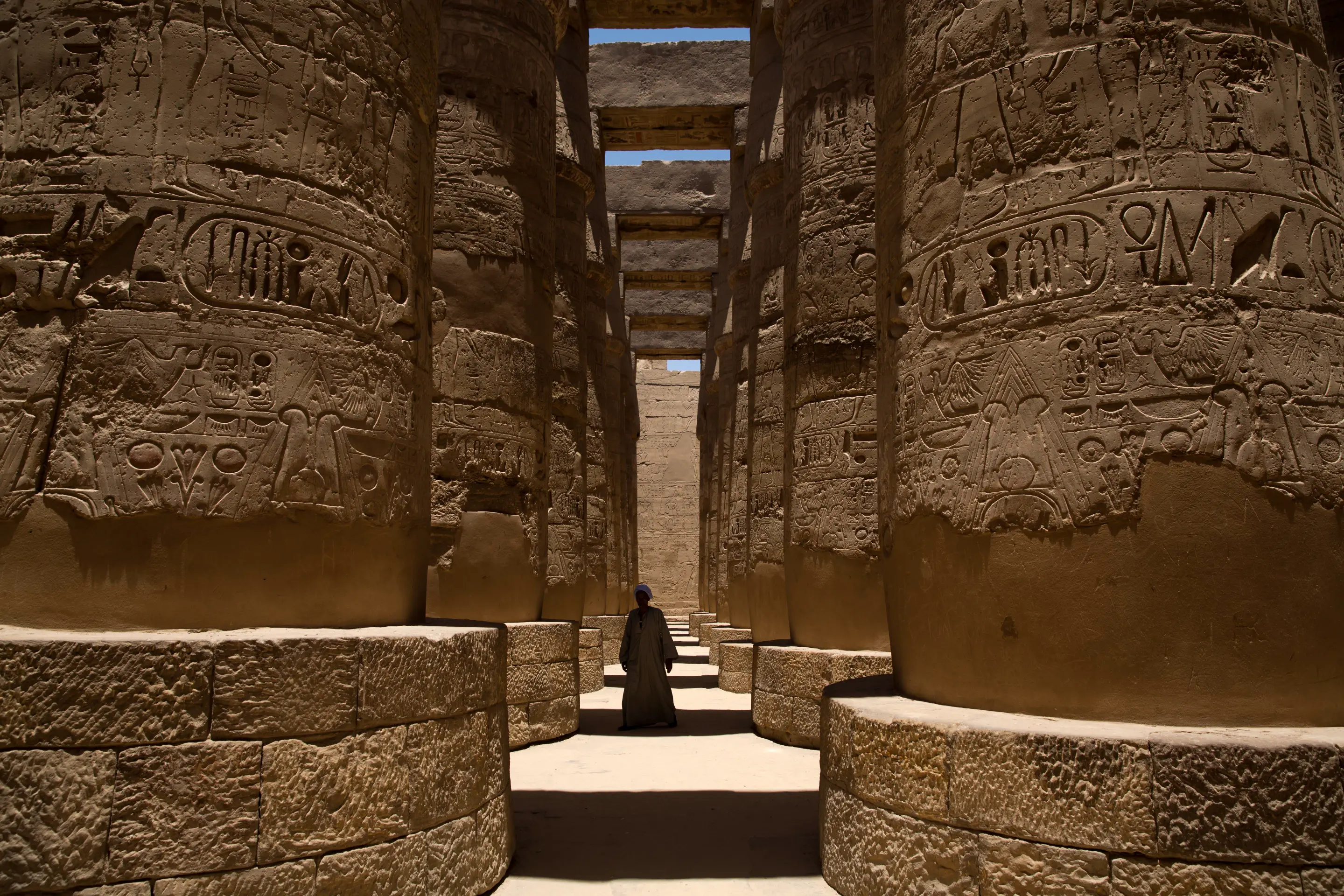
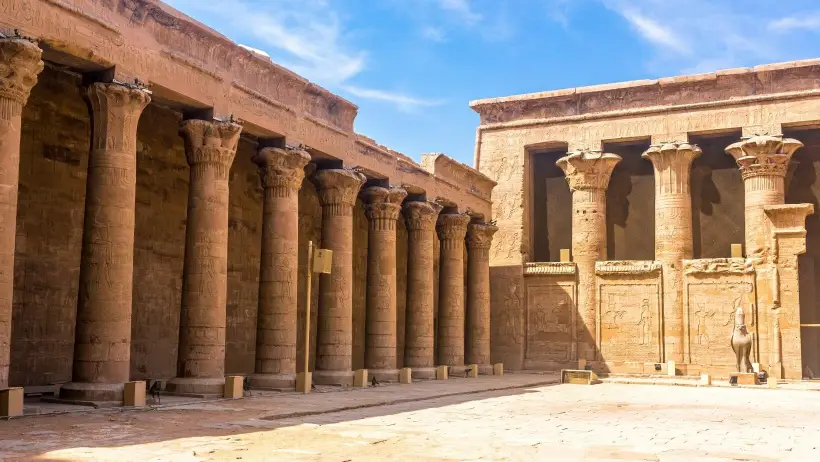
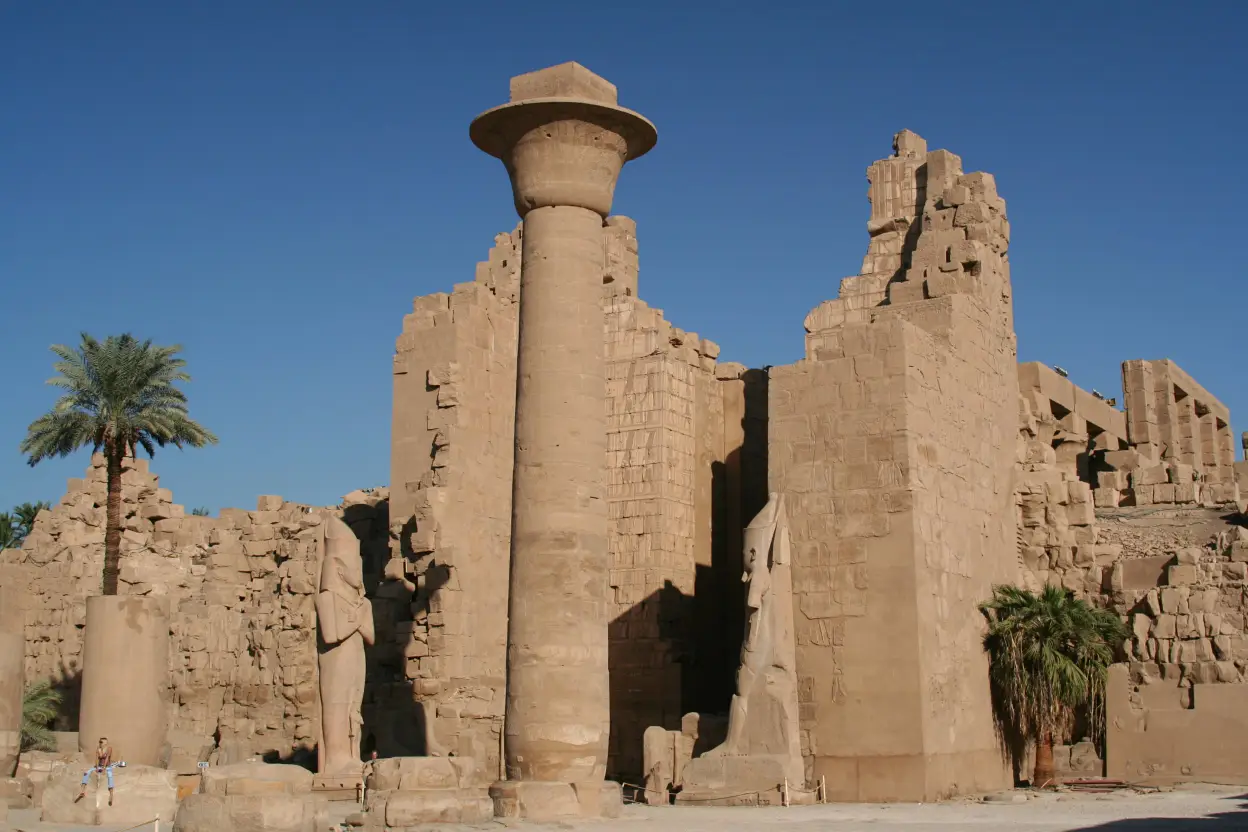
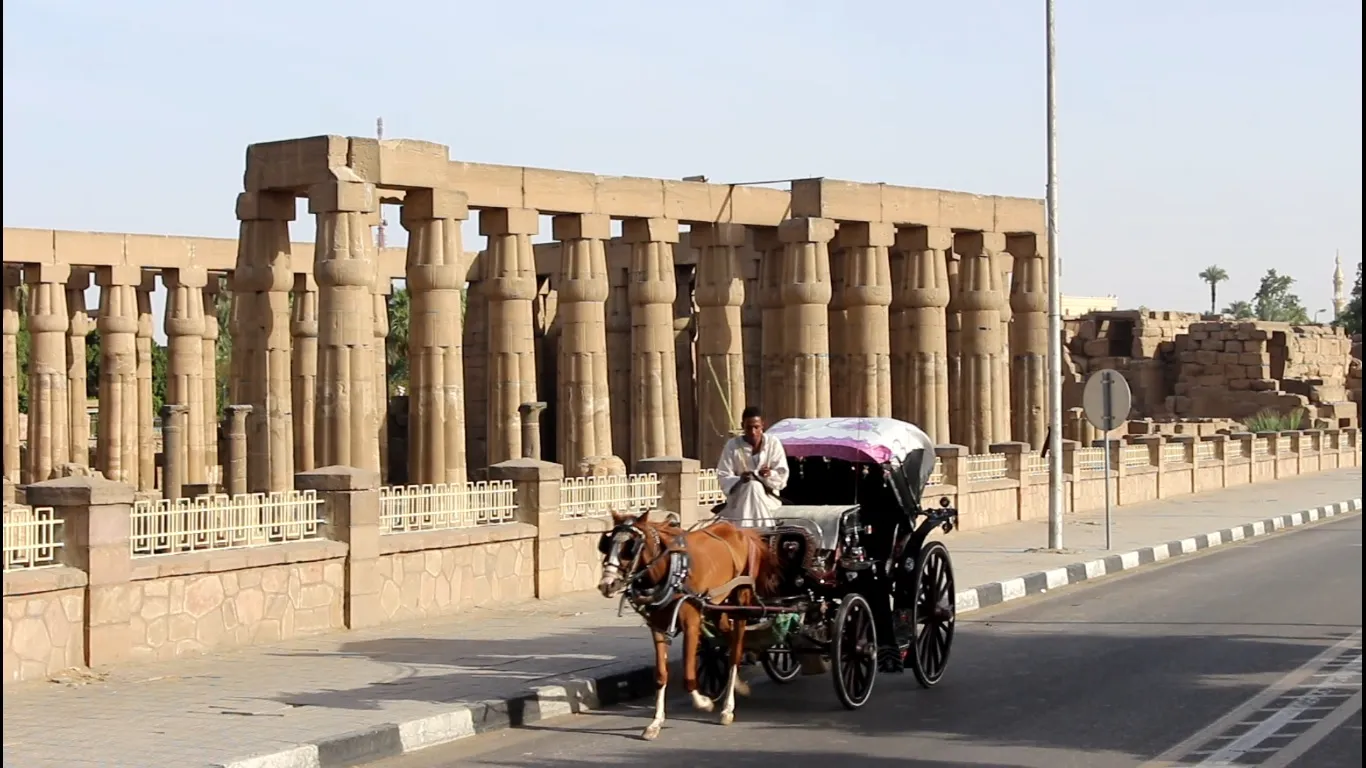
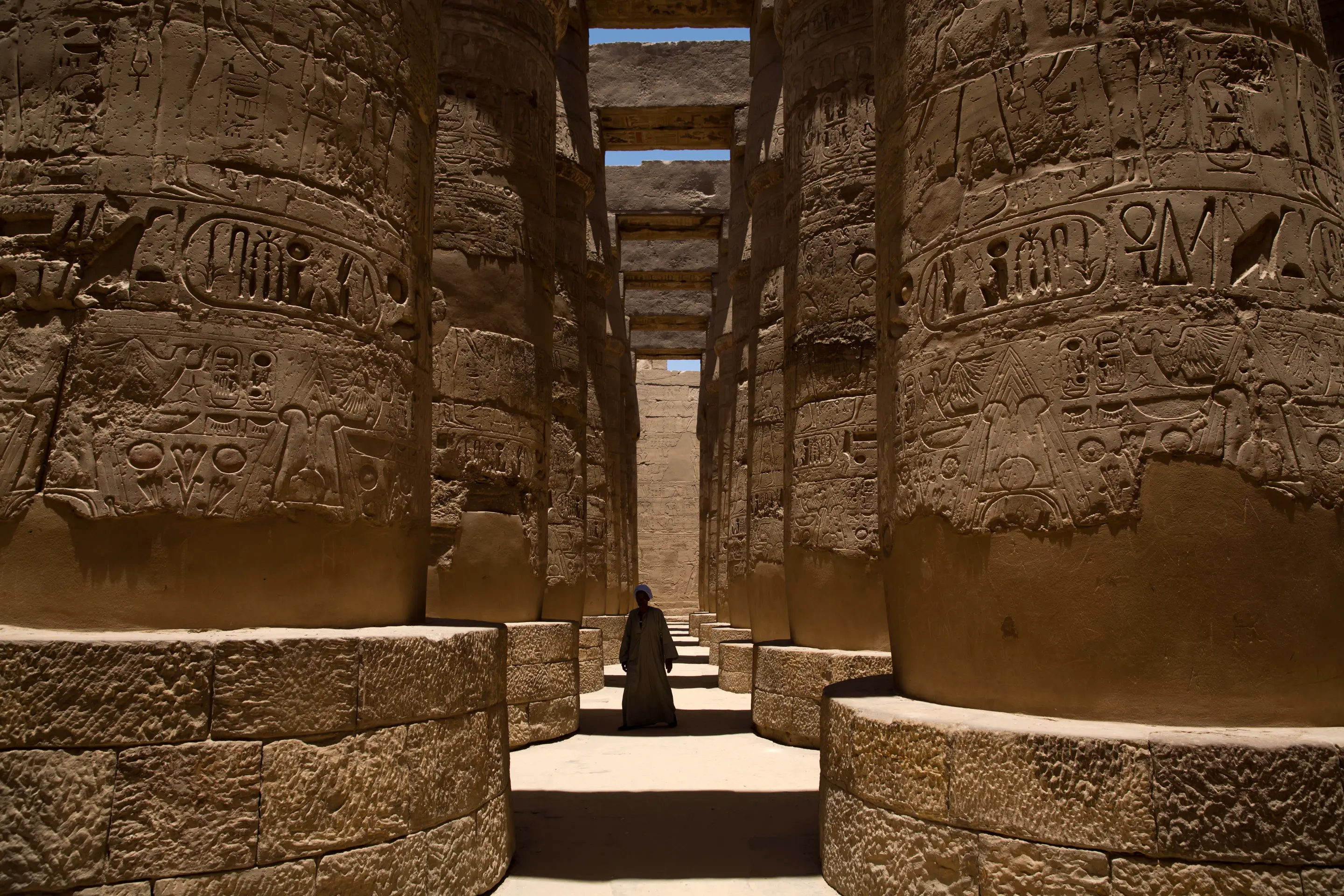
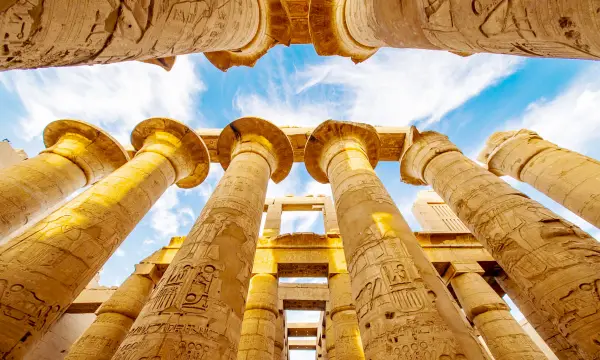
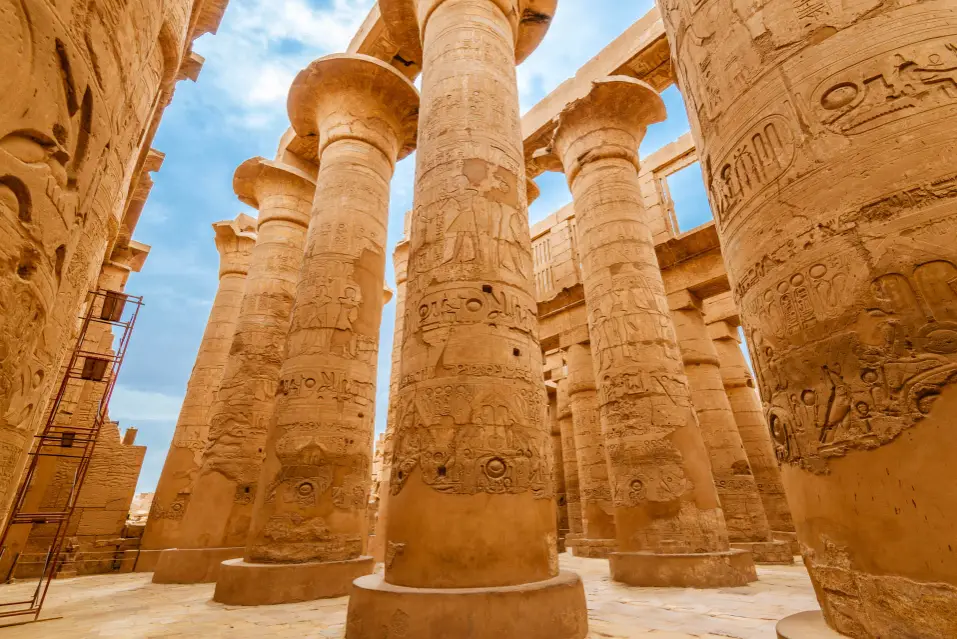
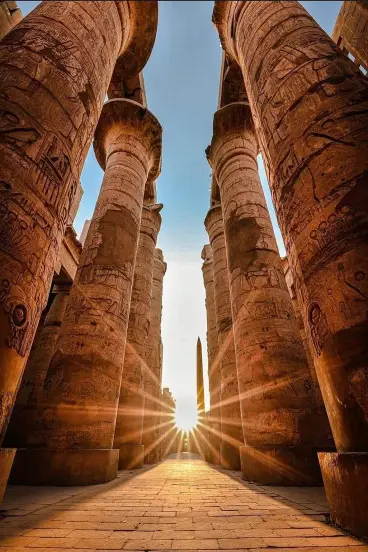
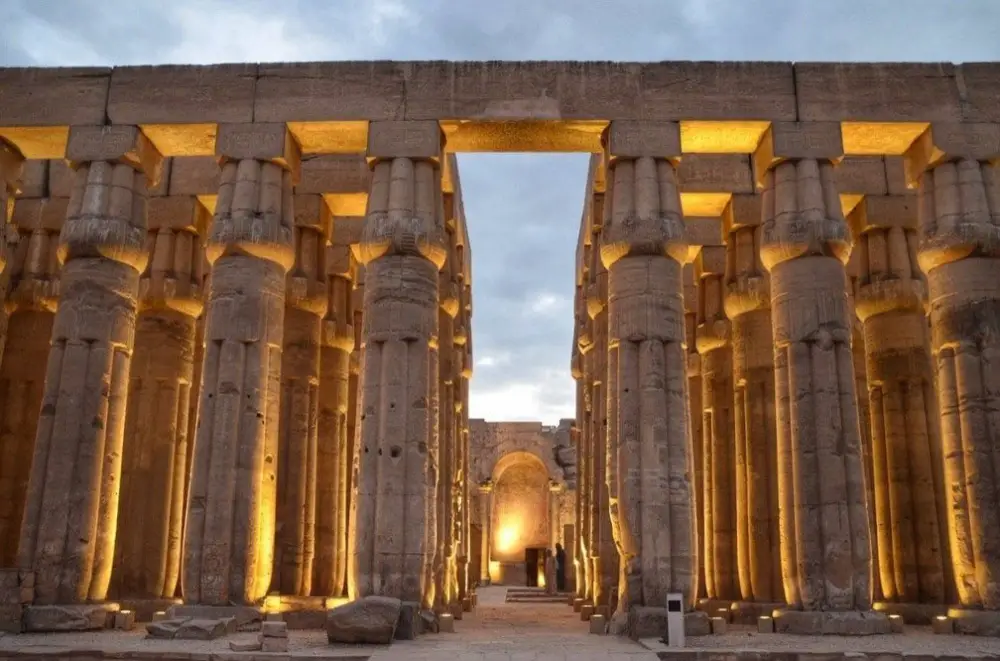
One of the most famous features of the Ramesseum is the Great Hypostyle Hall, which originally contained 48 columns, each standing at a height of over 16 meters. Unfortunately, many of these columns have collapsed over time, but the remaining ones still showcase the impressive architectural skills of the Ancient Egyptians.
The Ramesseum holds immense historical value as it reflects the grandeur and power of Pharaoh Ramesses II. He was one of Ancient Egypt's greatest pharaohs, known for his military conquests and impressive building projects. Visiting the Ramesseum allows visitors to admire the architectural achievements of this iconic ruler and gain a deeper understanding of Ancient Egyptian civilization.
Furthermore, the Ramesseum offers a glimpse into the religious beliefs and rituals of the New Kingdom period. The temple was once a vibrant center for religious ceremonies, and the reliefs and carvings on its walls provide insights into the Ancient Egyptian's devotion to their gods.
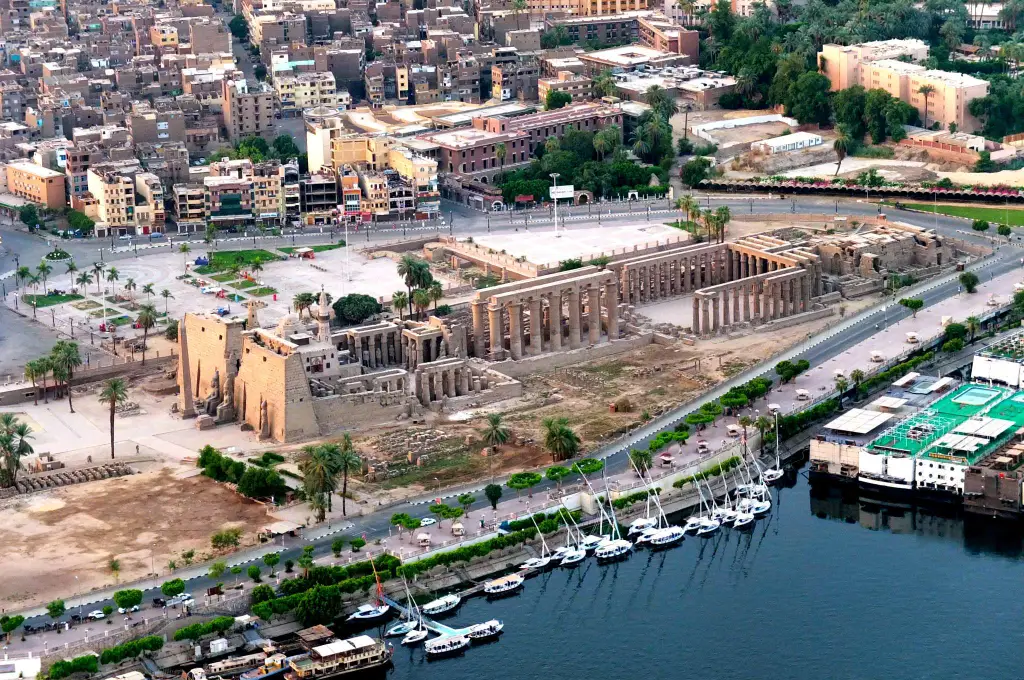
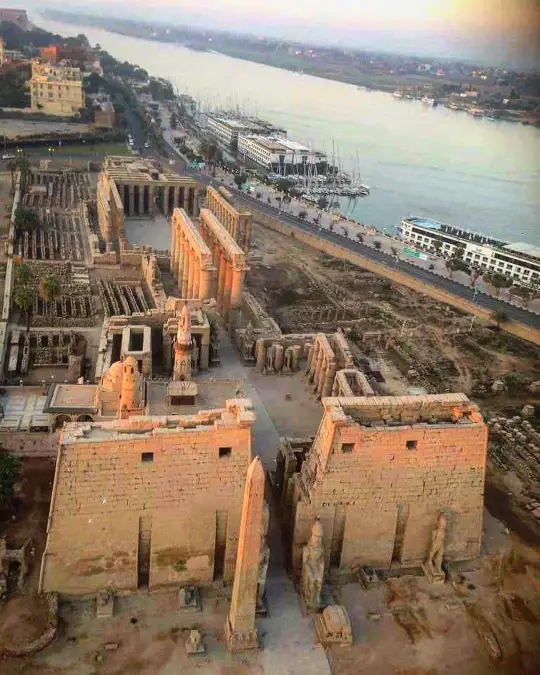
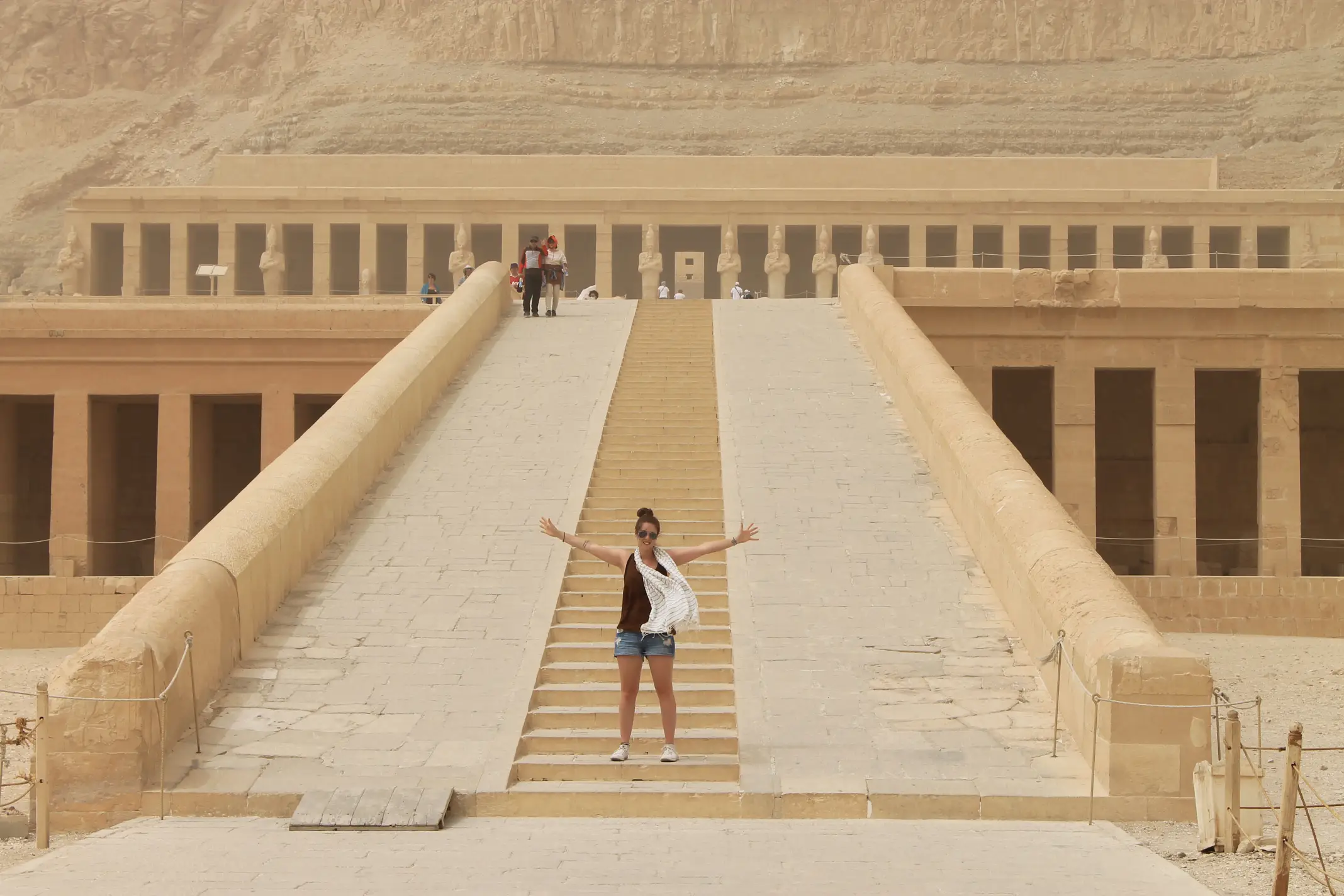
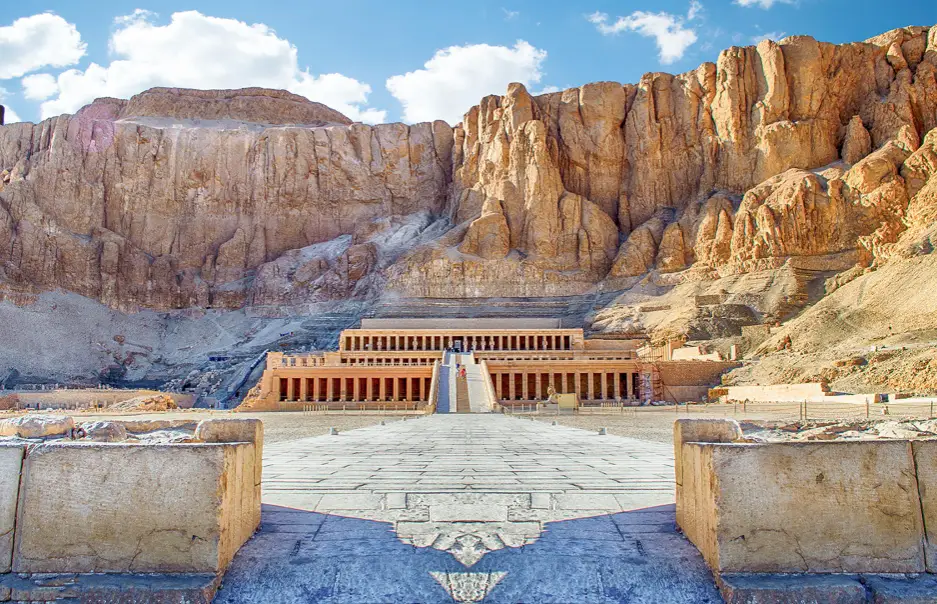
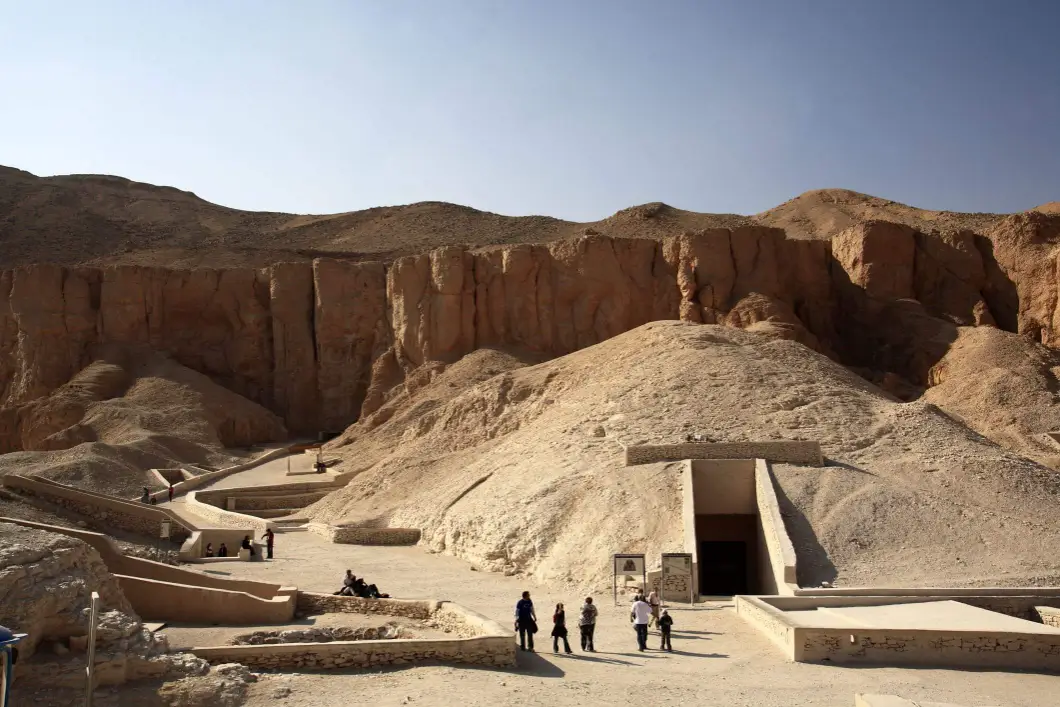
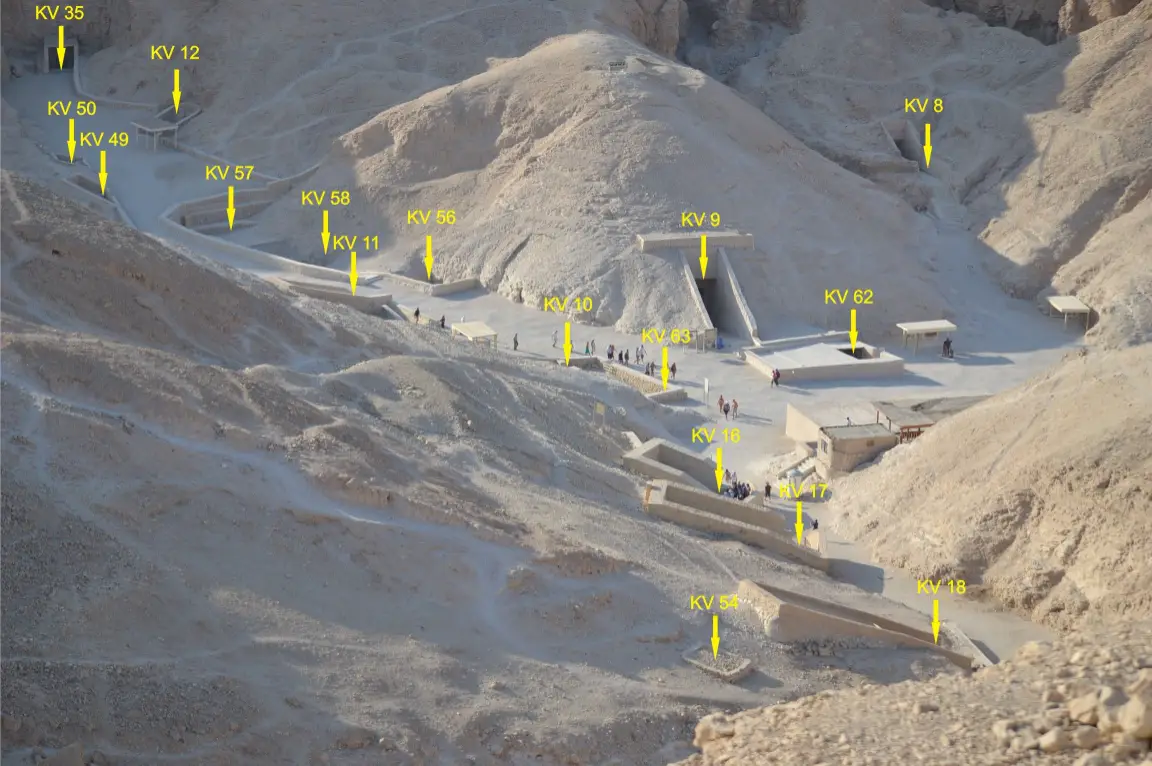
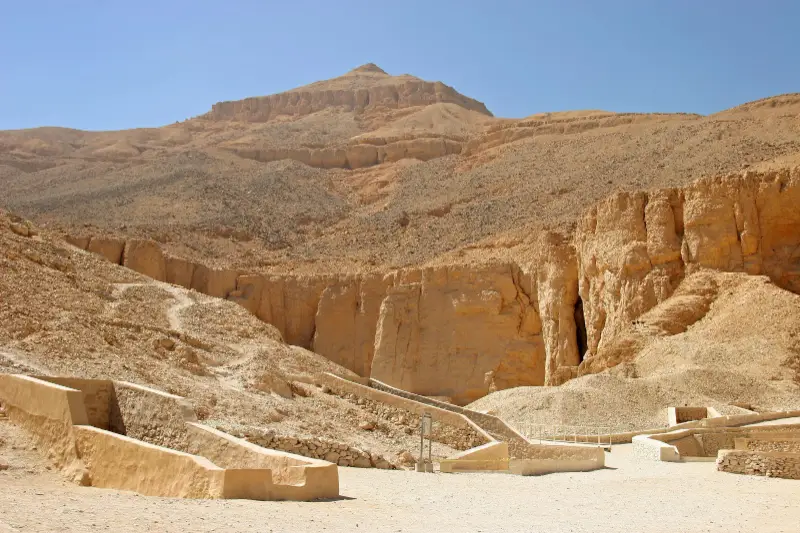
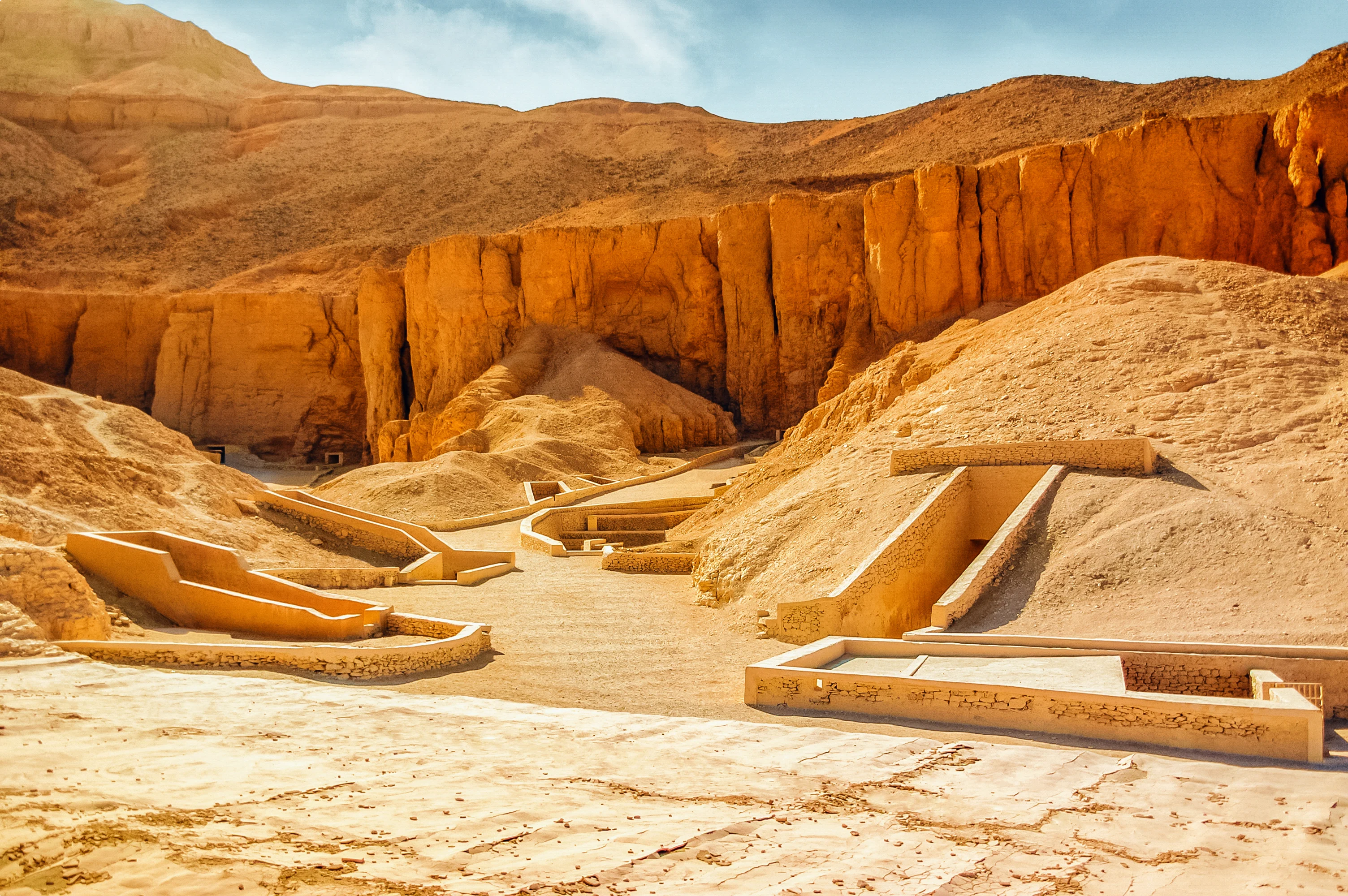
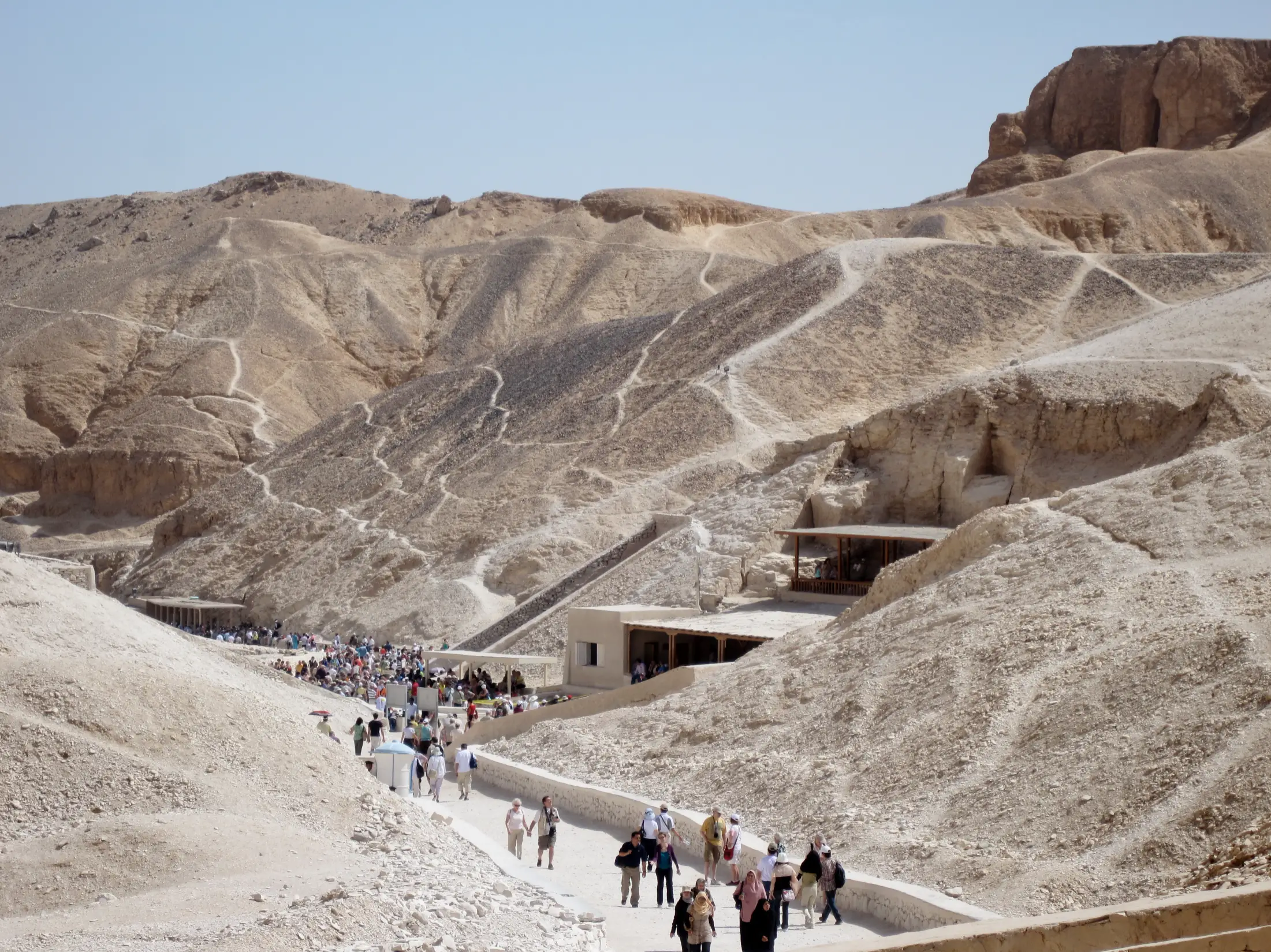
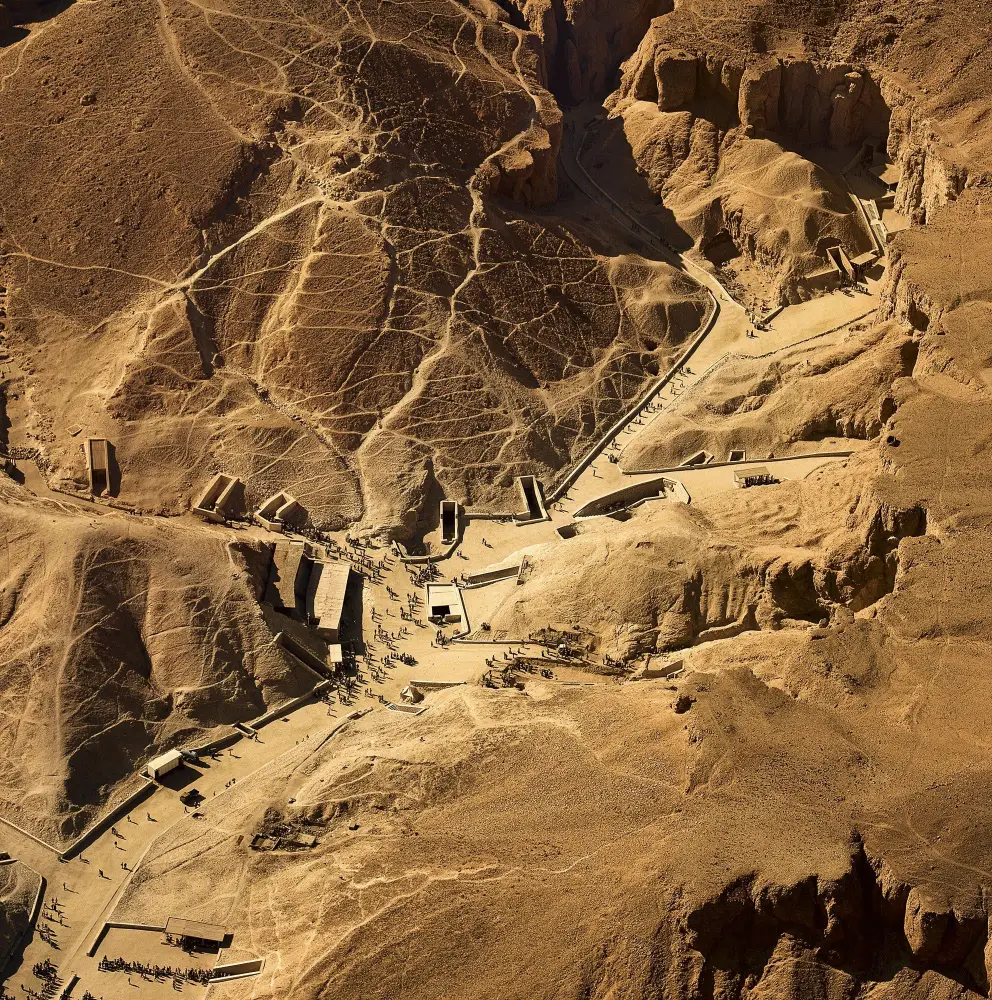
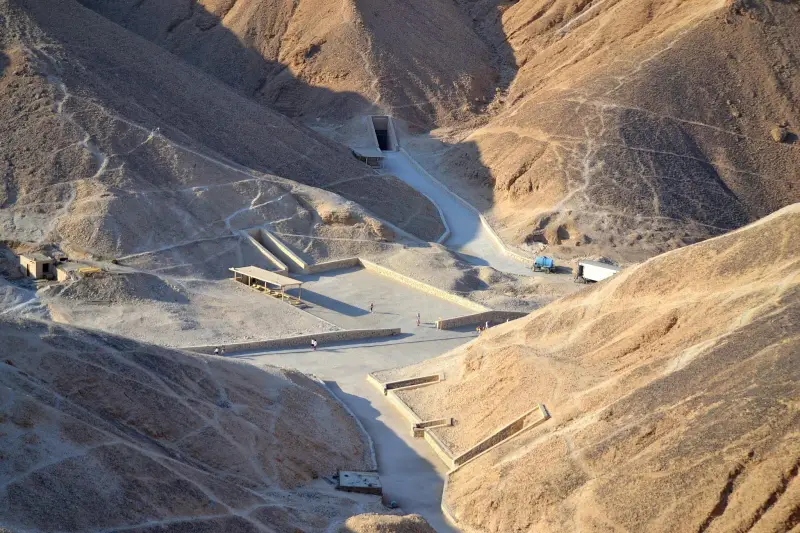
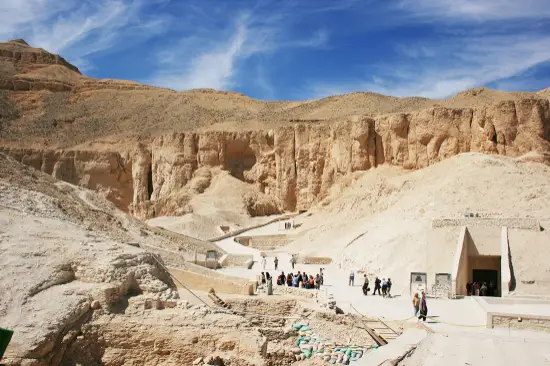
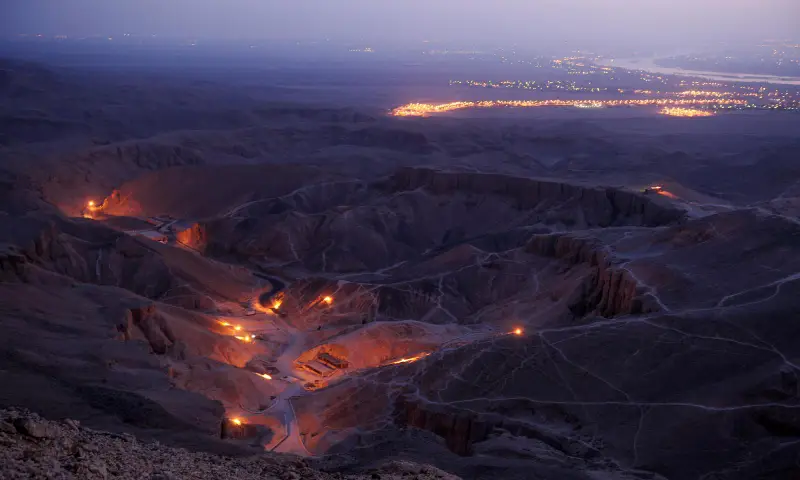
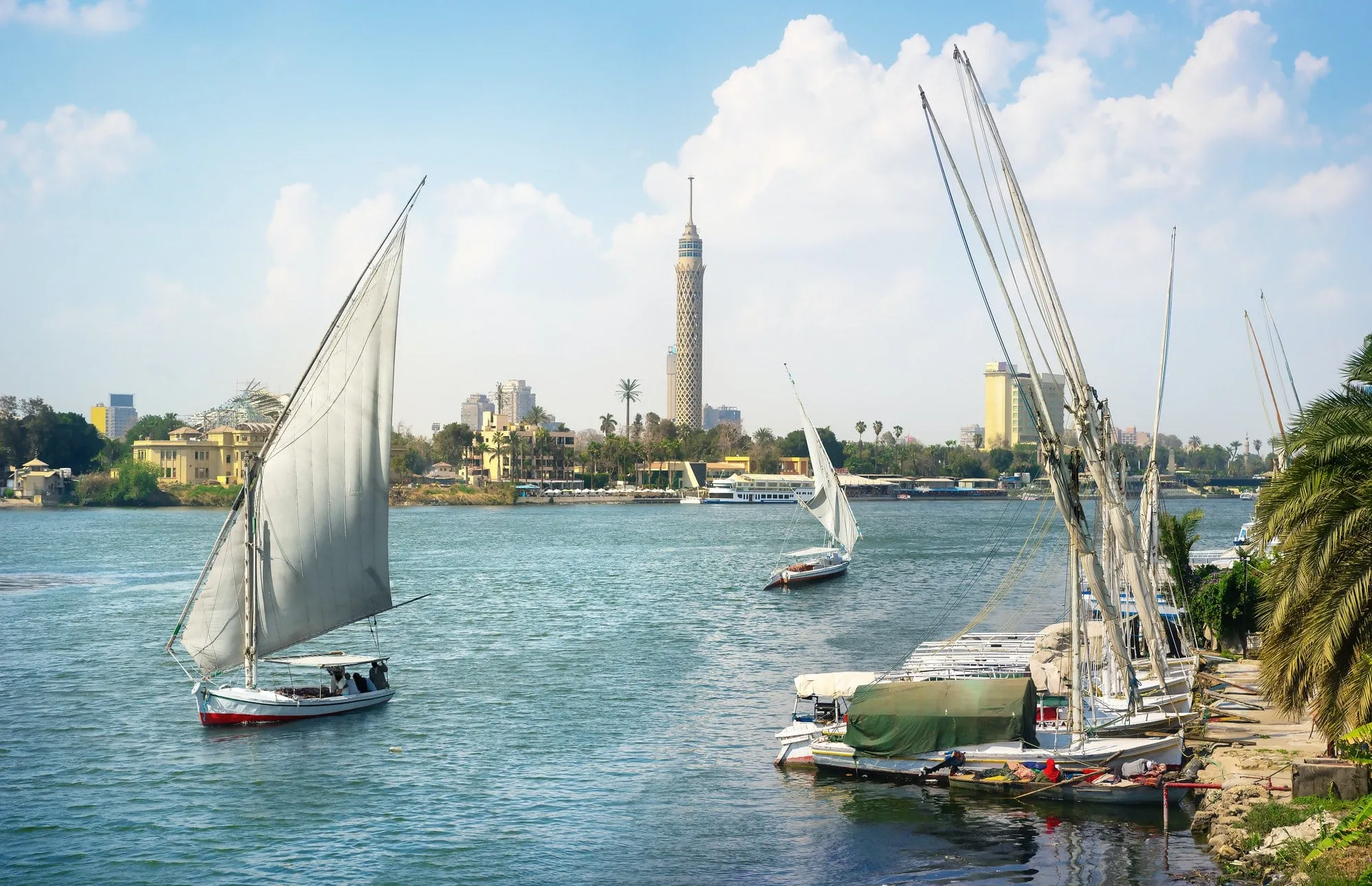
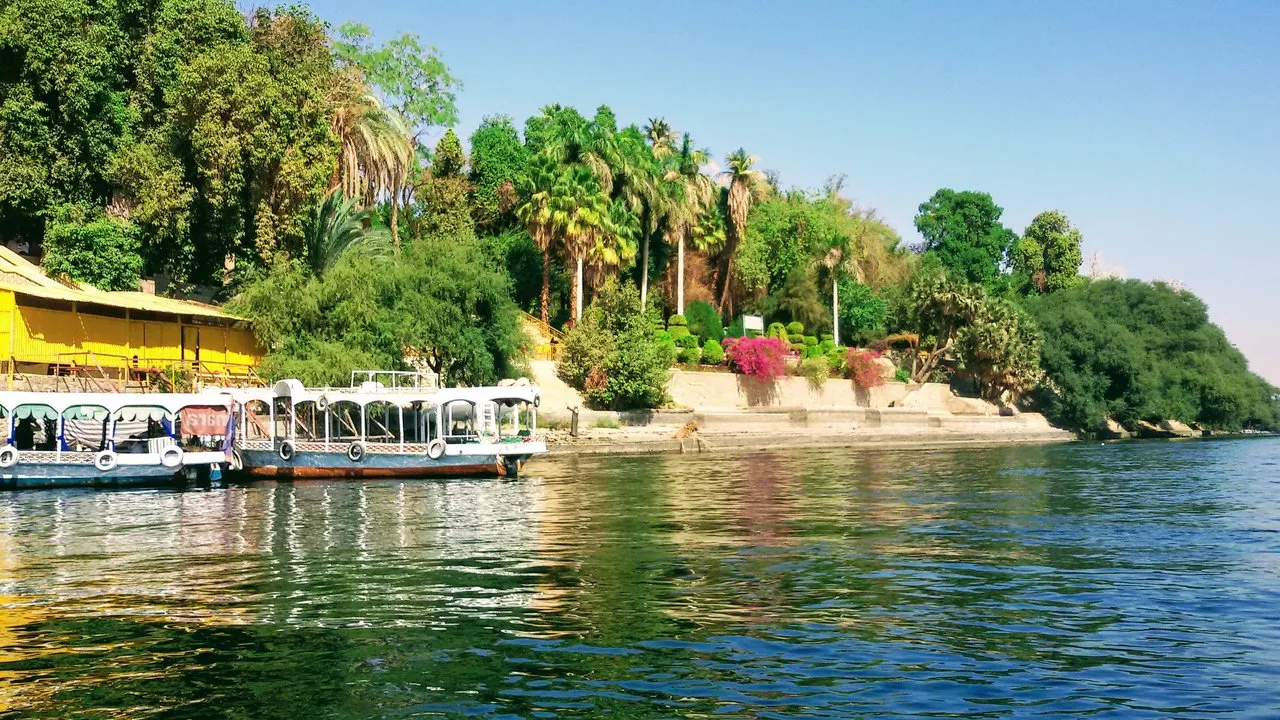
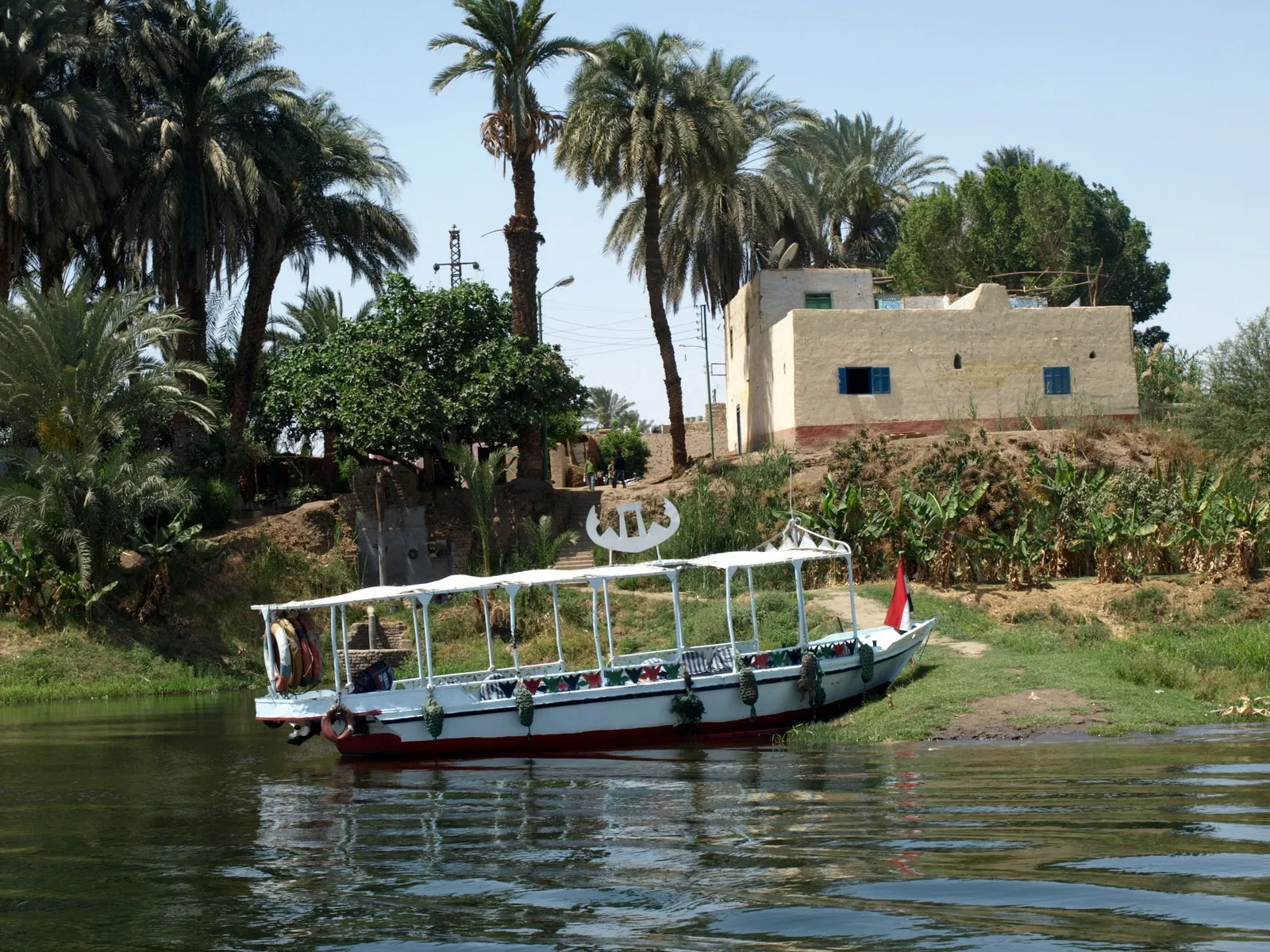
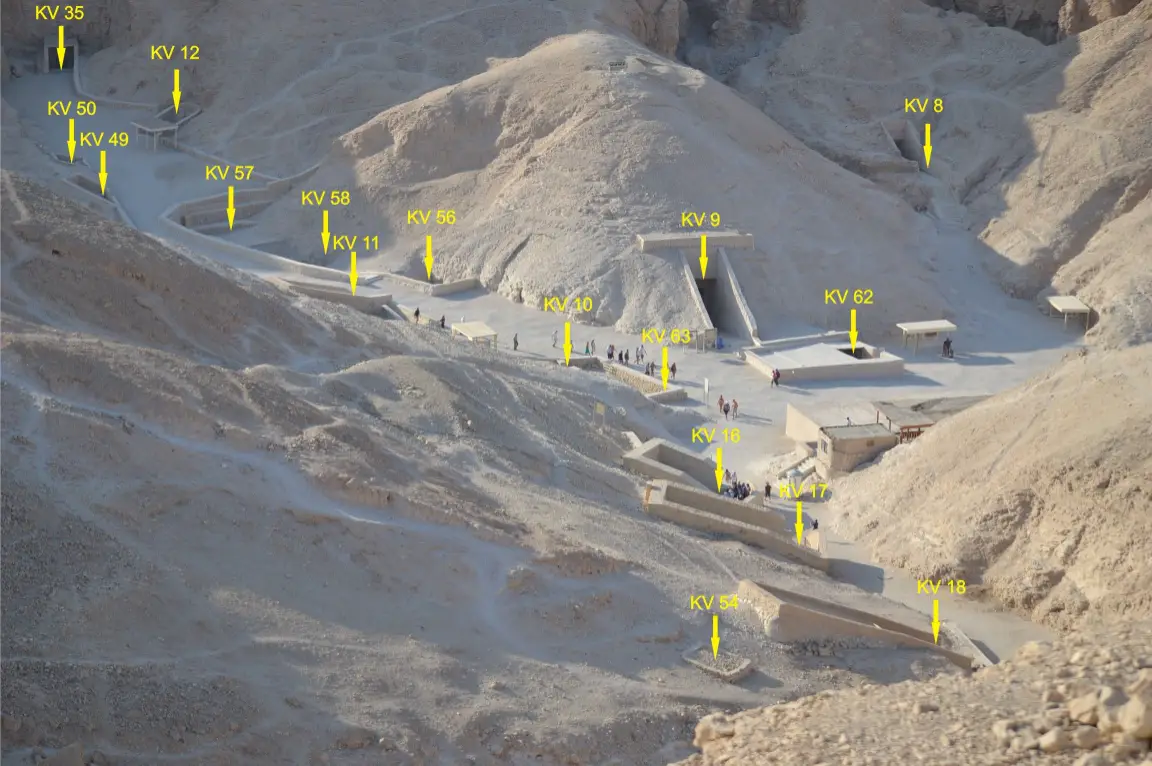
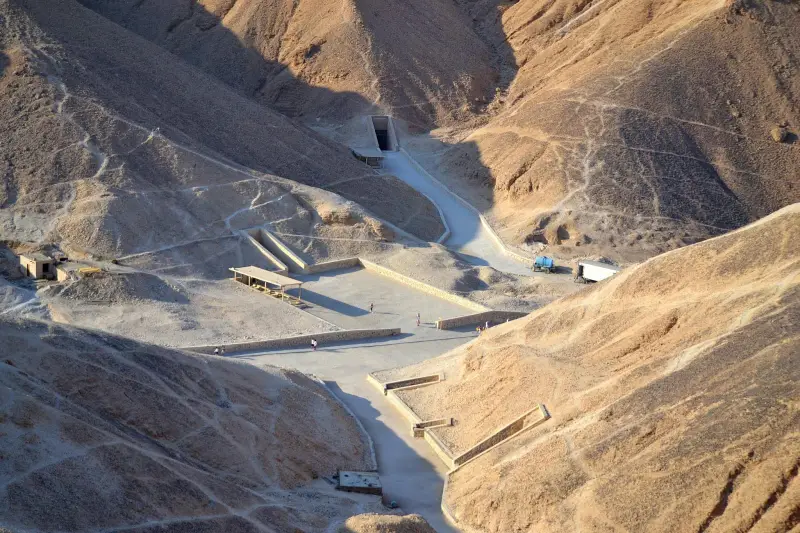
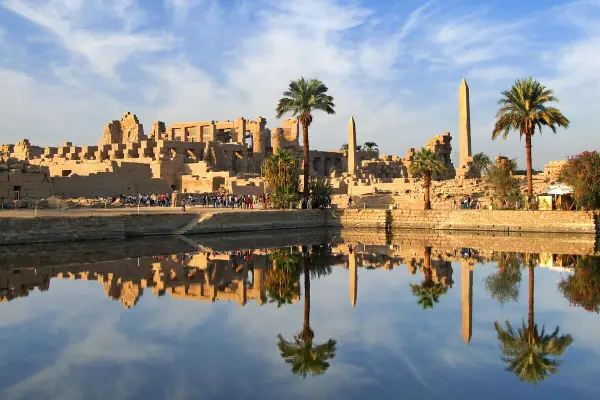
Beyond its historical and cultural significance, the Ramesseum offers a remarkable experience for travelers. The expansive temple complex and its scenic surroundings, including views of the nearby Nile River and the Valley of the Kings, make it a must-visit destination for anyone interested in ancient history and architecture.