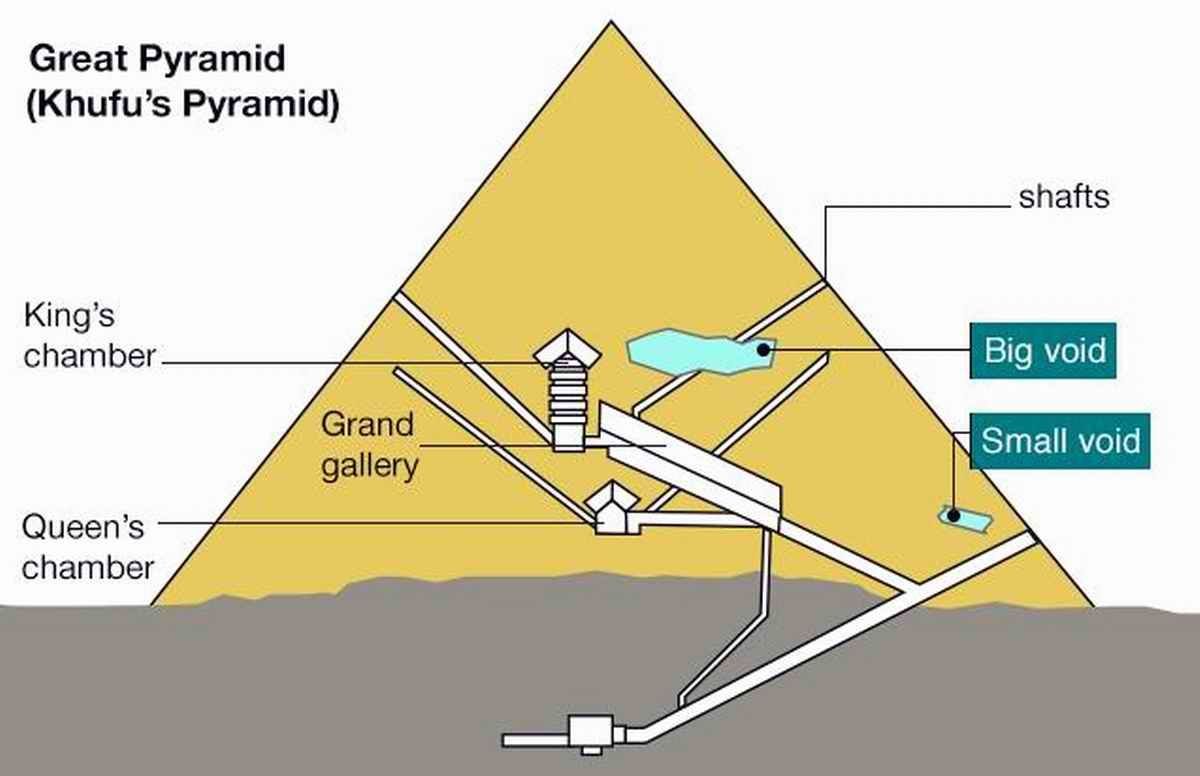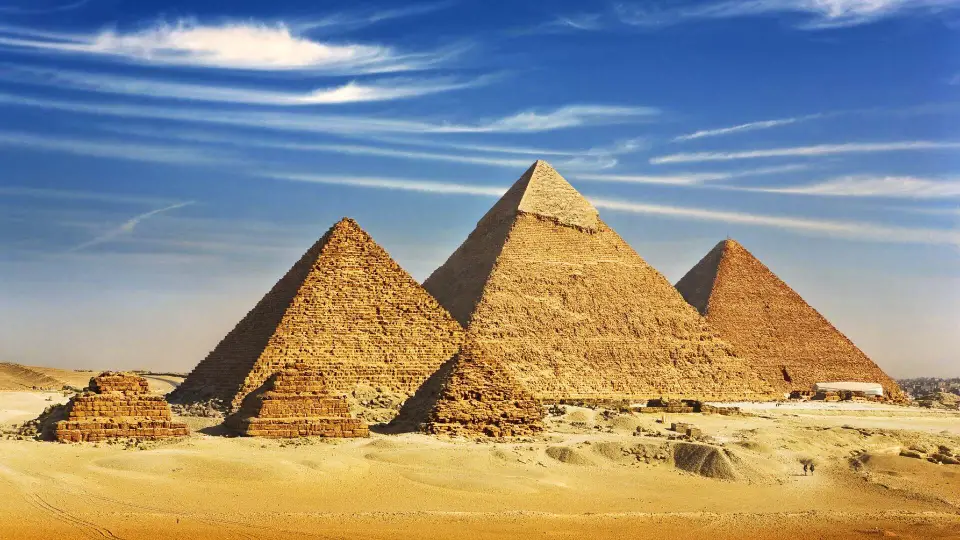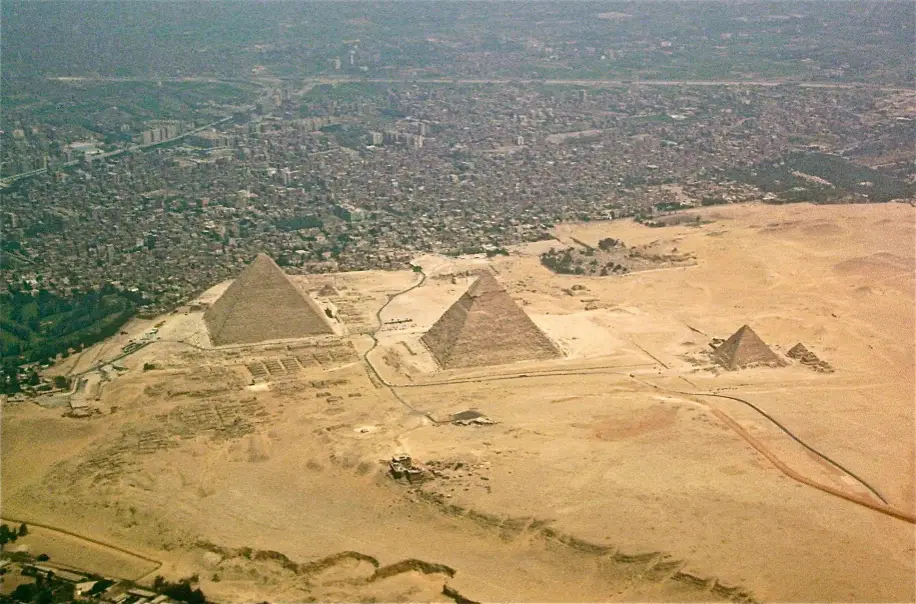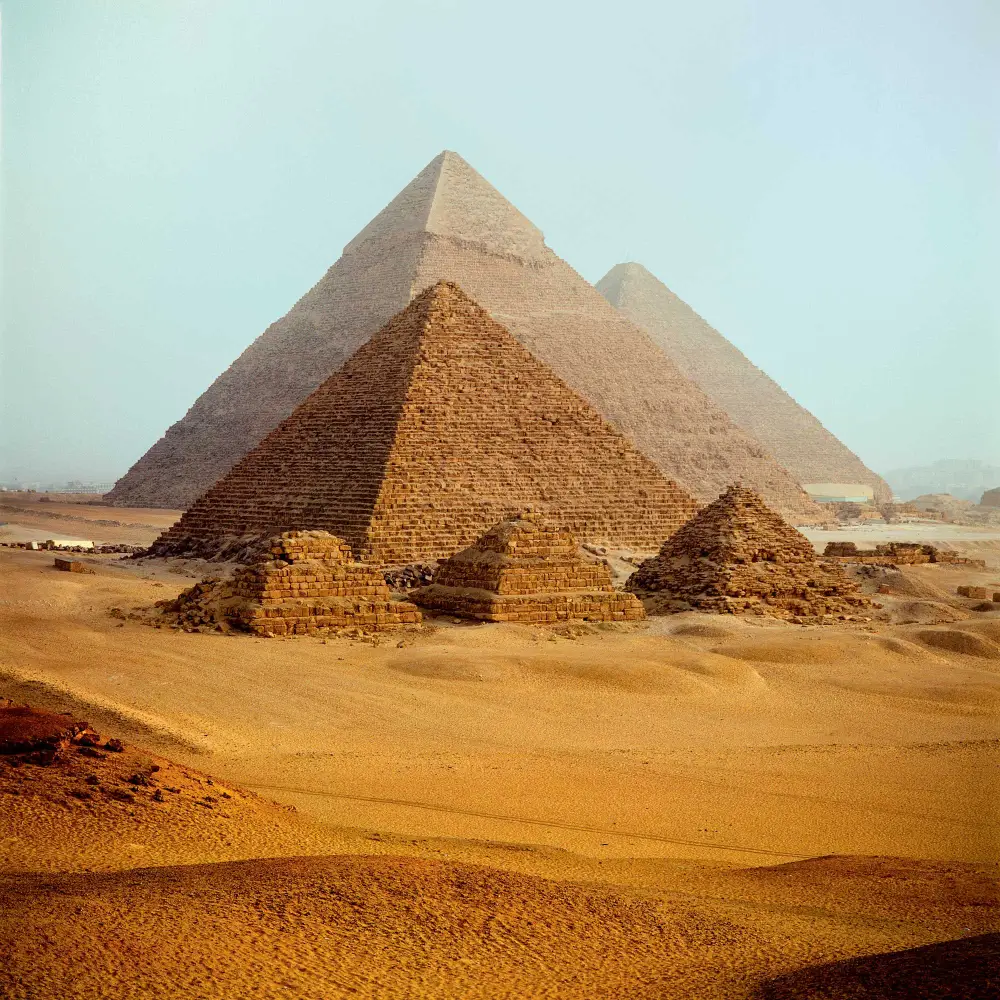
The Workers' Tombs in the Giza Plateau, located near the famous Pyramids of Giza in Egypt, are an important historical site that sheds light on the lives of the workers who built these ancient wonders. Discovered in the early 20th century, these tombs serve as a testament to the labourers...
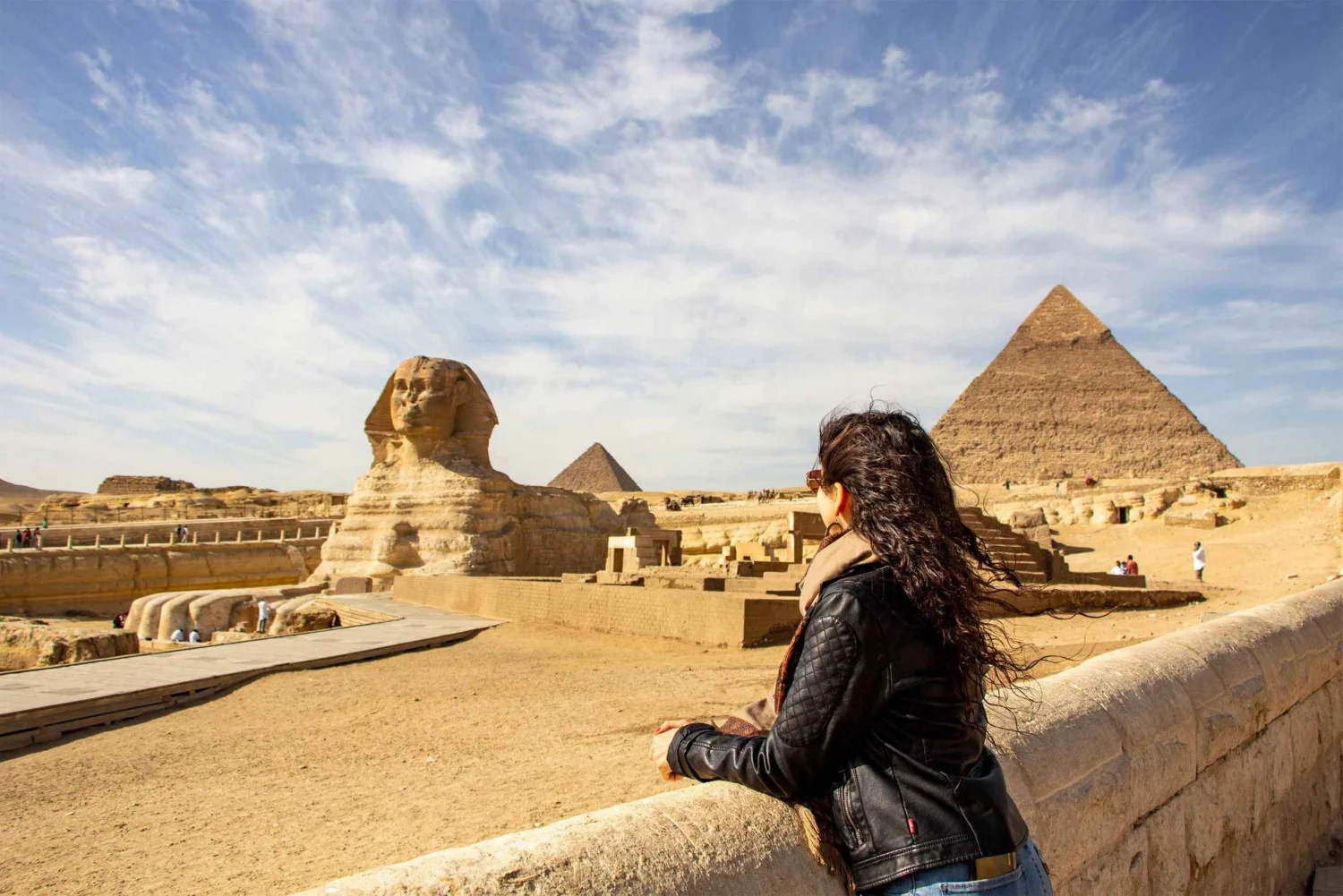
The Workers' Tombs in the Giza Plateau, located near the famous Pyramids of Giza in Egypt, are an important historical site that sheds light on the lives of the workers who built these ancient wonders. Discovered in the early 20th century, these tombs serve as a testament to the labourers who contributed to the construction of the pyramids.
The Workers' Tombs date back to the Old Kingdom period of Ancient Egypt, around 2500 BC. These tombs were built to honor the workers who toiled under harsh conditions to create the monumental pyramids that still stand today as a symbol of Egypt's ancient glory.
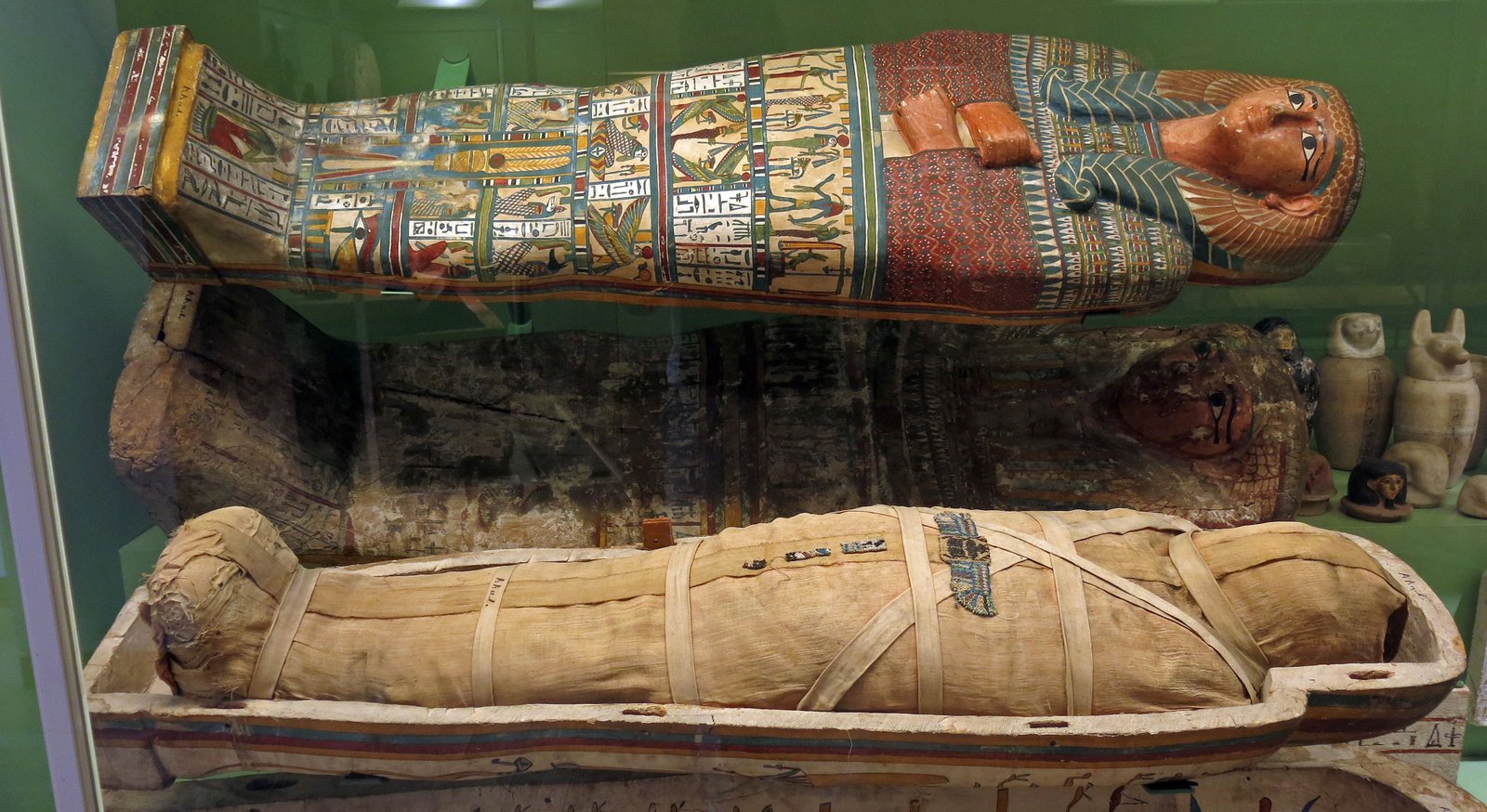
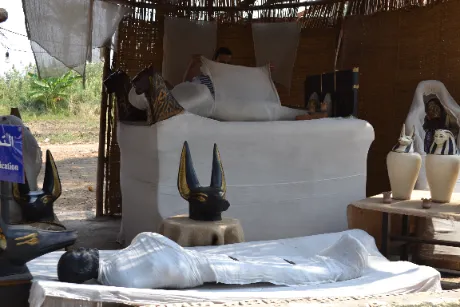
Houses, magazines, three main streets, and a royal administrative building were discovered within the city walls, as were four huge galleries. These may have been the barracks in which the workers who built the pyramids slept and prepared their food. An enormous amount of fish, bird, cattle, sheep, goat, and pig bones were found, revealing that the state ensured that the workers were in good health, so they could fulfill their physically demanding responsibilities. The majority of the bodies discovered show evidence of hard physical labor, many even featuring broken bones. Most of these had healed correctly, however, indicating that, in addition to being well-fed, the workers also received very good medical care.
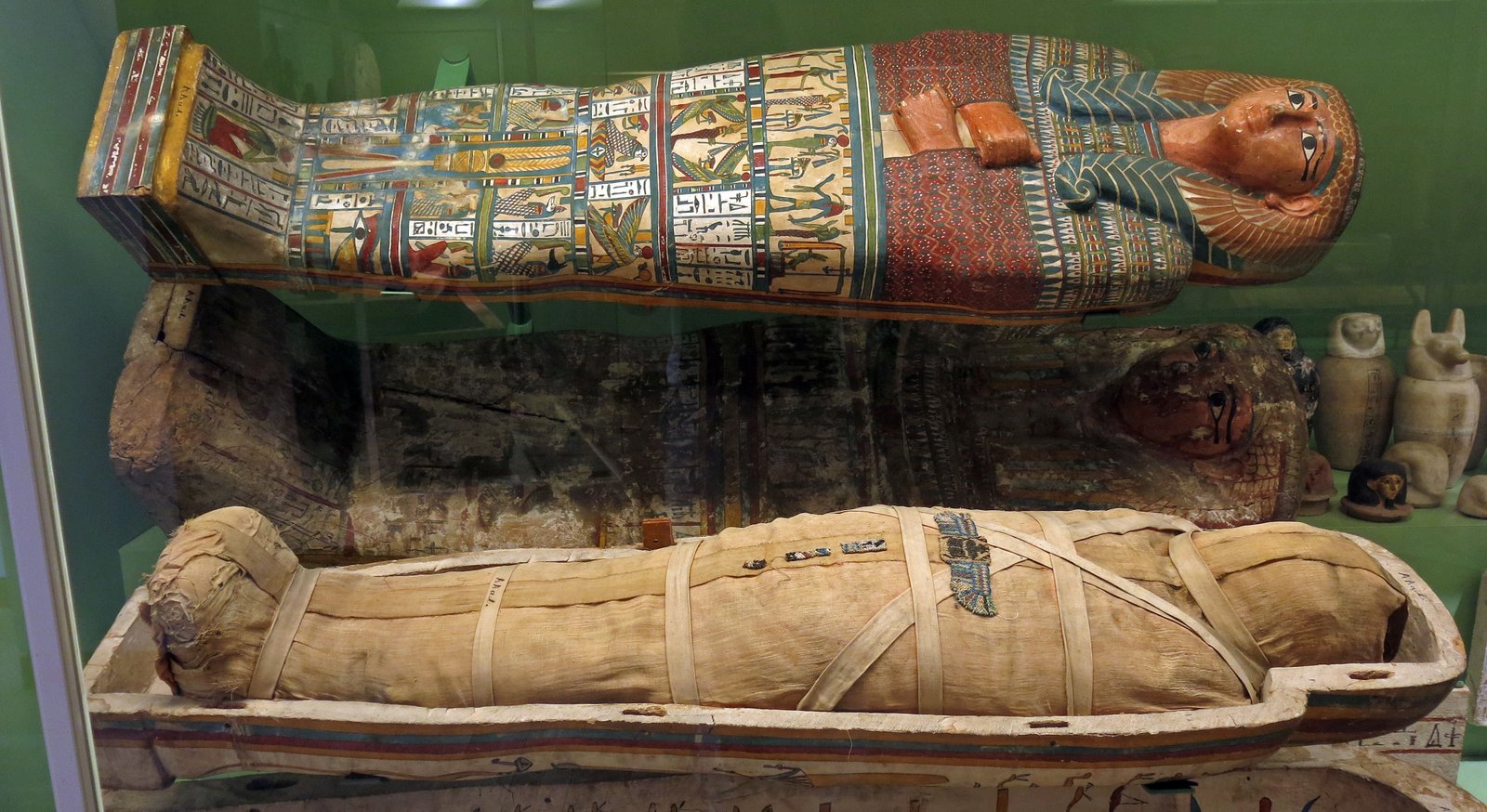
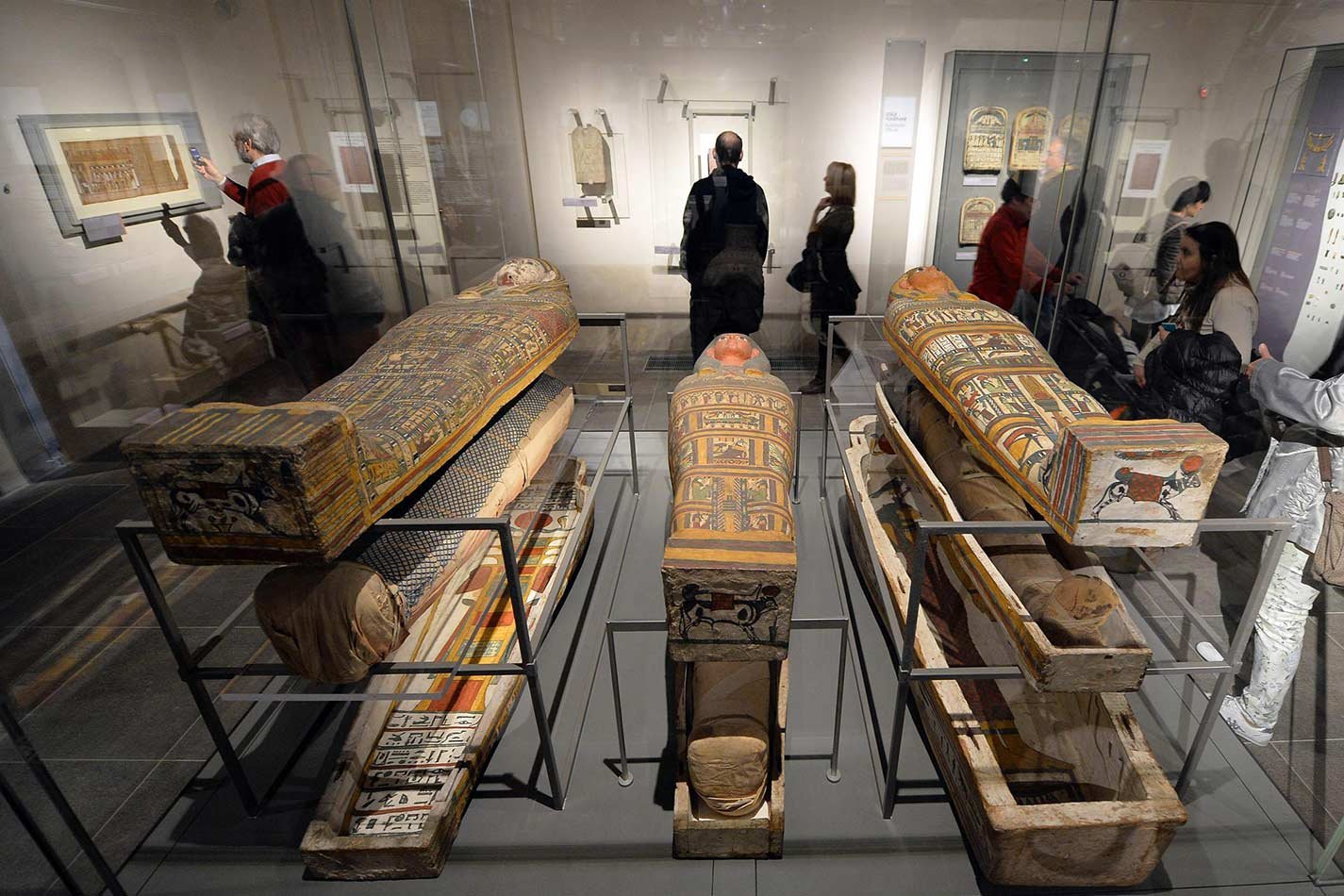
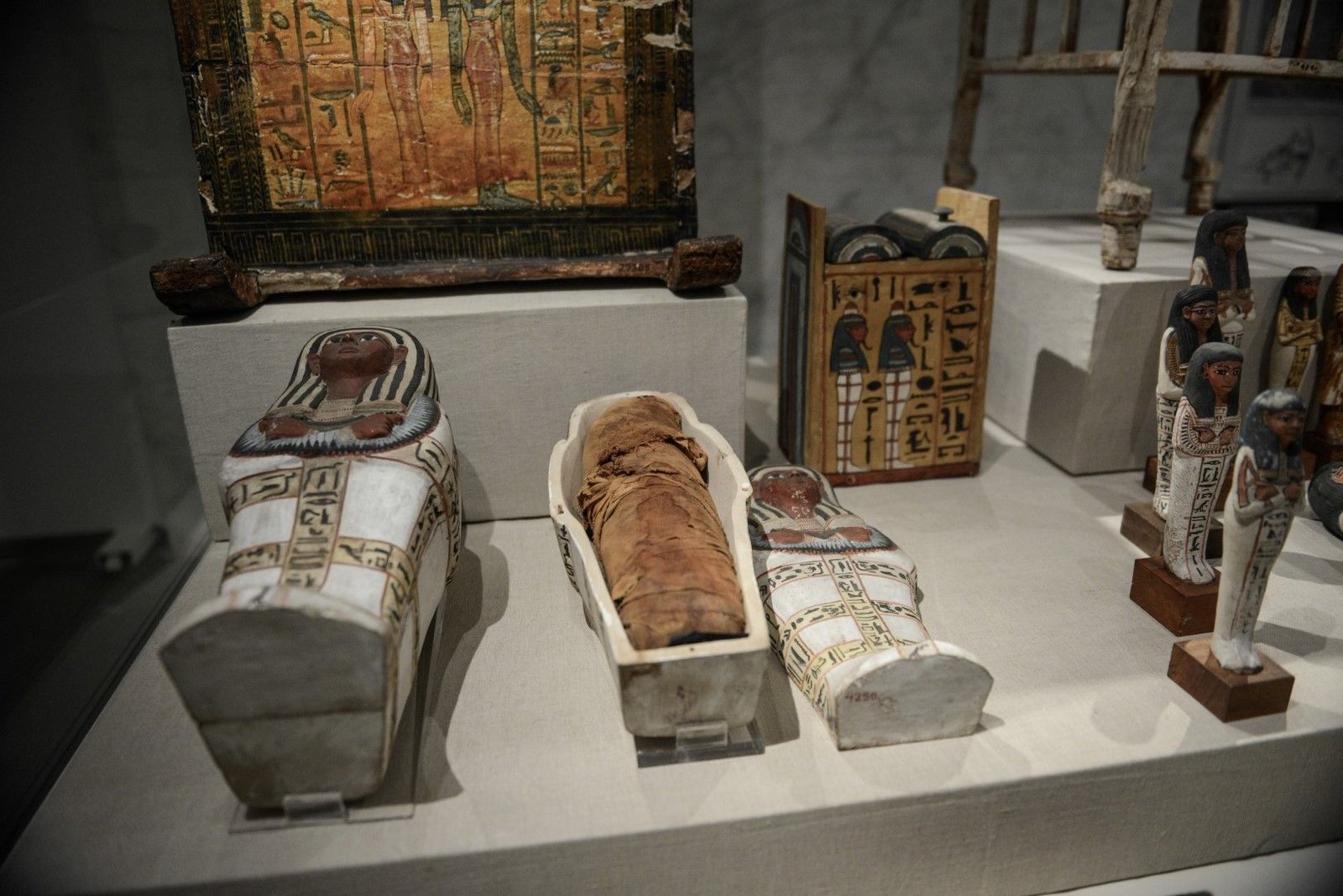
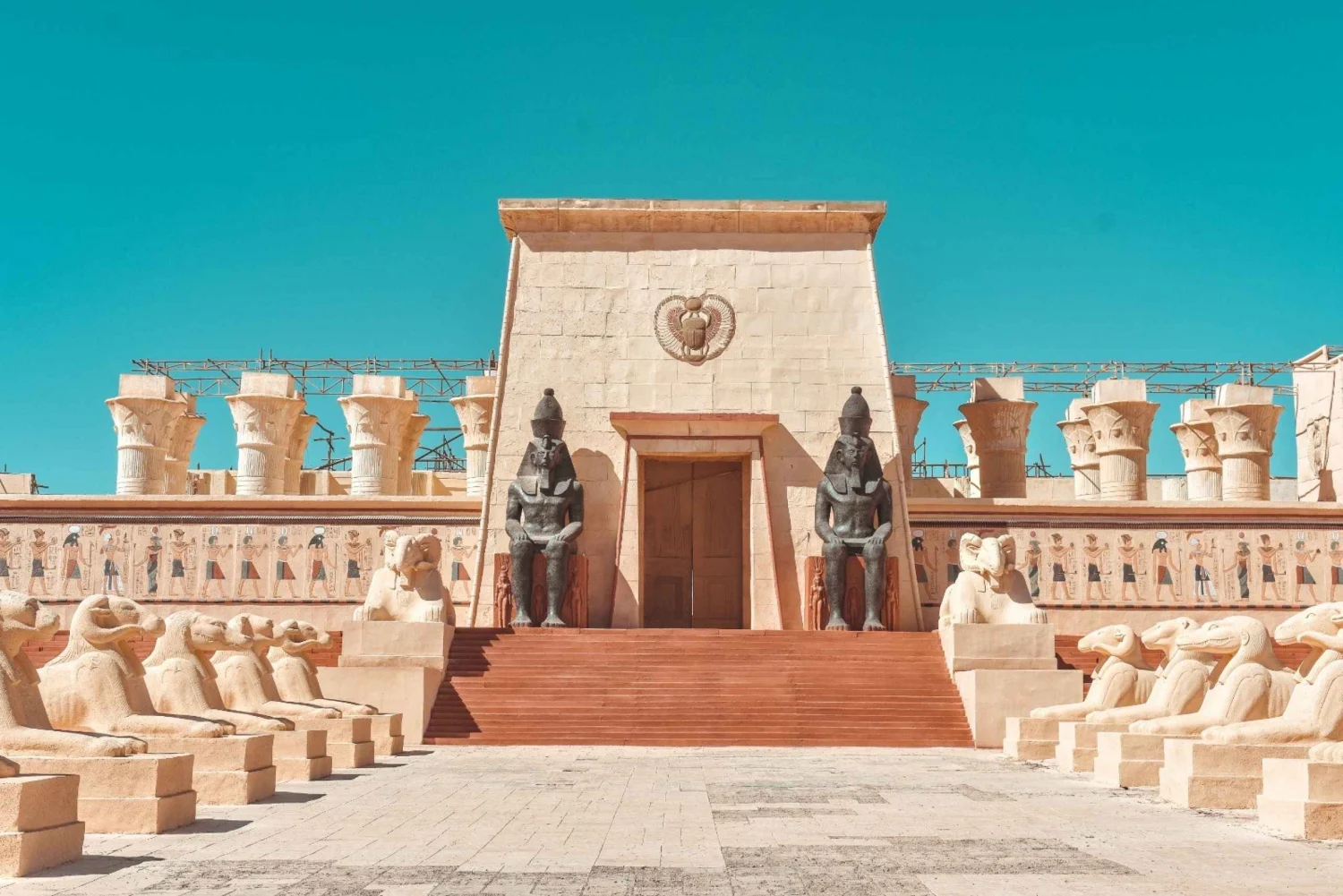
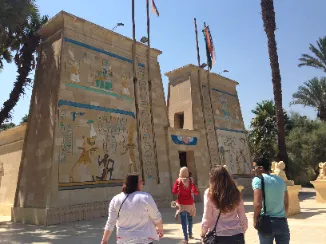
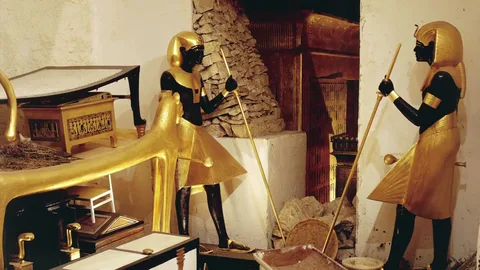
One of the most significant features of the Workers' Tombs is the intricate wall paintings and inscriptions that depict scenes of daily life, religious beliefs, and the construction process of the pyramids. These paintings provide valuable insights into the social and cultural aspects of Ancient Egyptian society.
Visiting the Workers' Tombs is a unique opportunity for tourists to gain a deeper understanding of the pyramid-building process and the lives of the workers who made it possible. It offers a glimpse into the daily struggles and triumphs of these laborers, highlighting their essential role in shaping Egypt's rich history.
For tourists, a visit to the Workers' Tombs provides a more intimate and personal experience compared to the grandeur of the pyramids themselves. It offers a chance to connect with the human stories behind these architectural marvels and to appreciate the dedication and skill of the ancient workers.
Overall, the Workers' Tombs in the Giza Plateau are a fascinating historical site that complements the grandeur of the nearby pyramids. They offer a unique perspective on Ancient Egyptian civilization and serve as a poignant reminder of the labor and craftsmanship that went into building one of the world's most iconic monuments.