

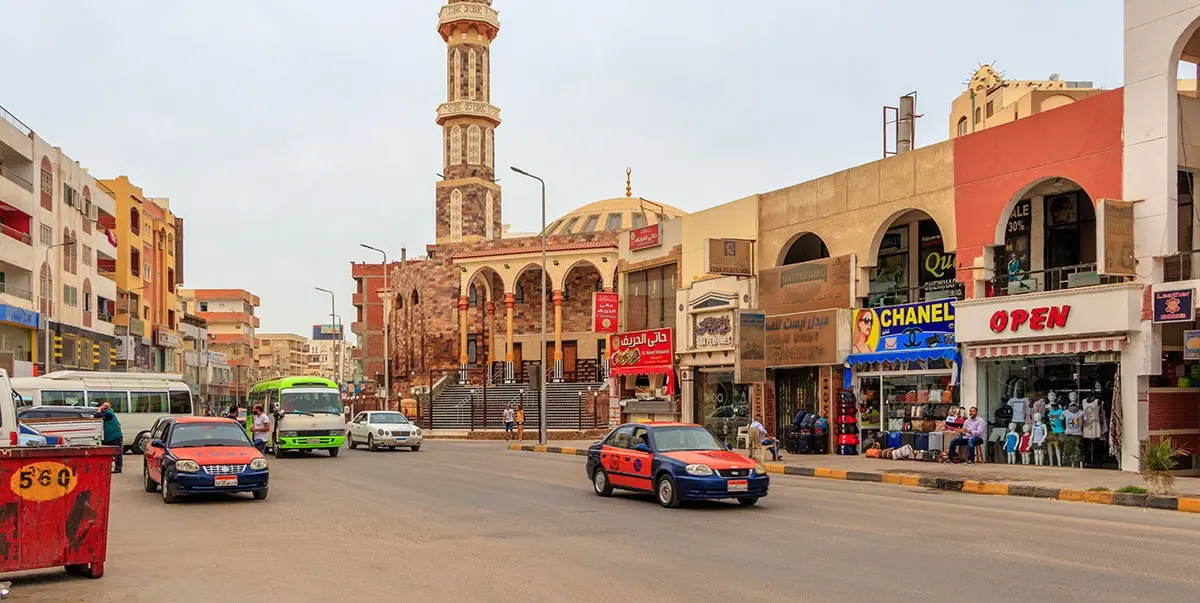
The Red Sea in Egypt has witnessed remarkable transformations that made it one of the world’s most important tourist destinations. The beginning was in Hurghada, which until the mid‑20th century was nothing more than a small fishing village. In 1963, the Sheraton Hurghada Hotel was inaugurated as the first major tourist facility on the coast, becoming a symbol of the launch of tourism in the Red Sea. This hotel welcomed prominent figures and heads of state, serving as an official declaration of Egypt’s entry into the era of modern coastal tourism.
At that stage, foreign investors played a significant role in building some hotels and resorts, recognizing the Red Sea as an opportunity to attract European tourists seeking sun, sea, and coral reefs. Soon, however, Egyptian initiatives emerged to develop the tourism sector independently, through the establishment of small and medium‑sized hotels and services tailored to visitors’ needs. These efforts were driven by a strong desire to make tourism a major source of national income.
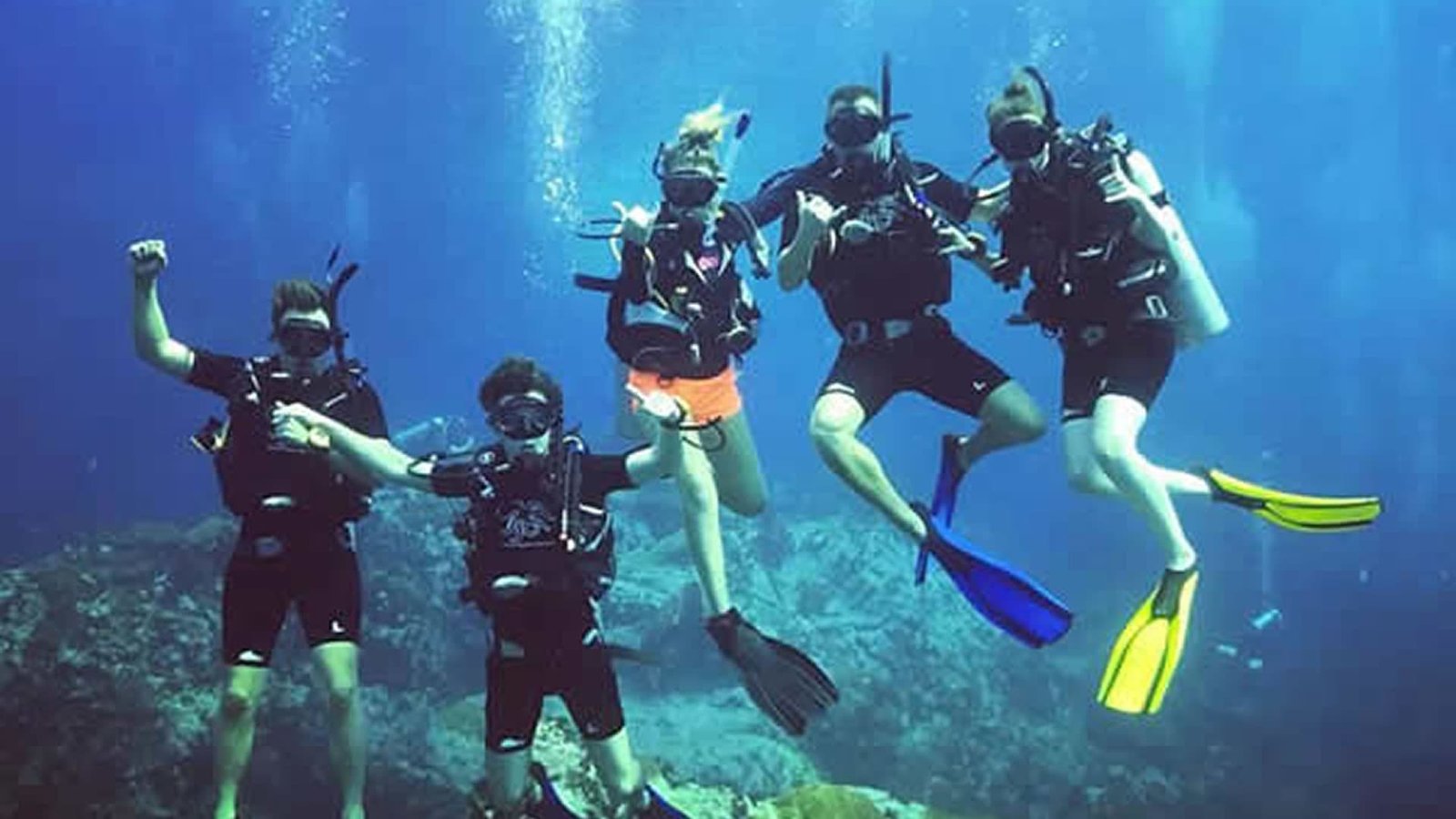
One of the most important steps that boosted tourism in Hurghada was the introduction of charter flights, which began in the 1970s and 1980s. These flights provided a direct route for tourists from Europe—especially Germany and Italy—to reach the Red Sea without passing through Cairo. This development significantly increased visitor numbers and placed Hurghada firmly on the global tourism map as a favorite destination for diving and marine activities.
With the liberation of Sinai in the 1970s, attention shifted to South Sinai, where Sharm El‑Sheikh gradually emerged as a new tourist destination. Initially a simple desert area, it was transformed into a world‑class resort thanks to Egyptian and international investments. Sharm El‑Sheikh became famous for its unique diving sites such as Ras Mohammed, and later developed into a hub for international conferences and peace summits, enhancing its global reputation.
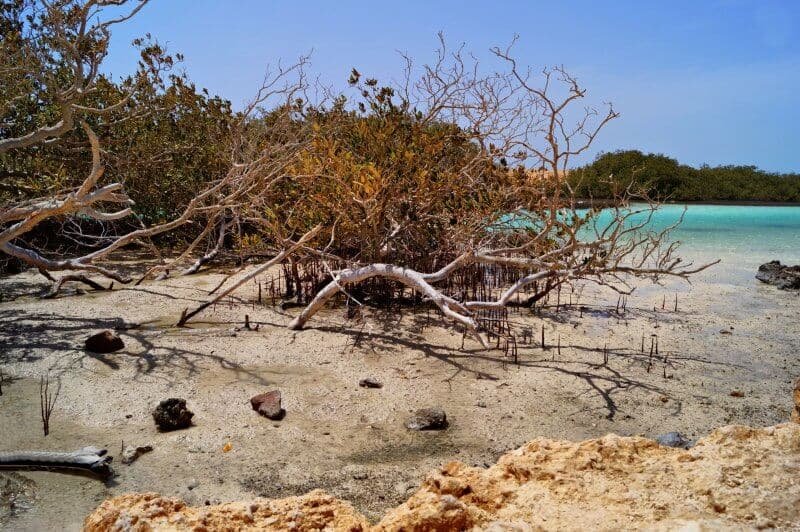
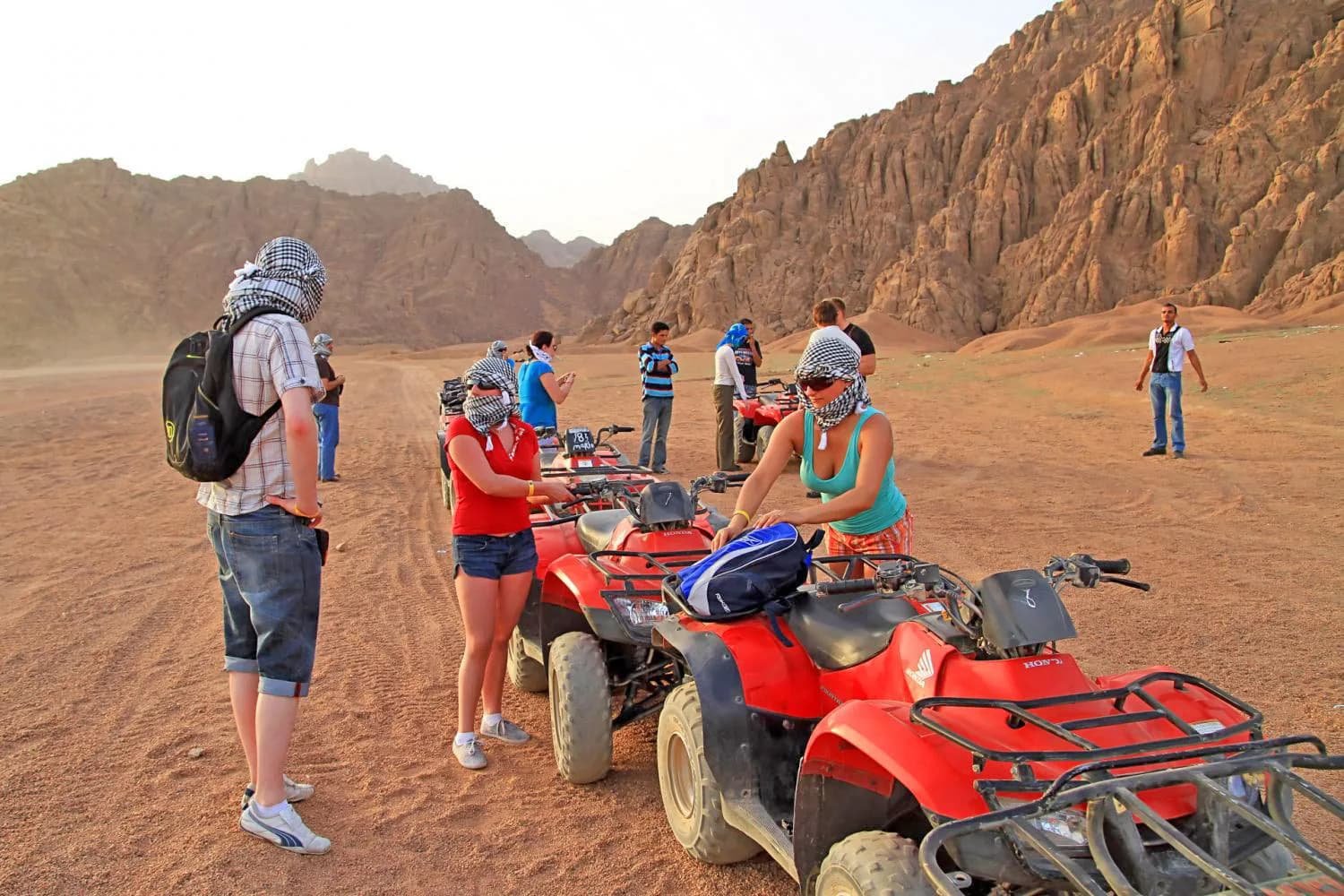
Alongside Hurghada and Sharm El‑Sheikh, other cities on the Red Sea such as Safaga and Marsa Alam began to appear, adding greater diversity to Egypt’s tourism product. These cities attracted different categories of tourists, whether those seeking tranquility, adventure, or natural therapy. Safaga, for example, became known for its therapeutic sands beneficial to patients with rheumatism, while Marsa Alam drew diving enthusiasts to its pristine reefs.
It can be said that tourism in the Red Sea evolved through gradual stages: from the construction of the first hotel in Hurghada, to the organization of charter flights, and finally to the rise of Sharm El‑Sheikh as a global tourist city. This journey reflects how Egypt successfully invested in the beauty of its coasts and coral reefs to become a major international tourism destination. Today, the Red Sea stands as one of the pillars of Egyptian tourism, combining modern history, breathtaking nature, and a developed infrastructure that began with modest attempts and grew into a fully integrated global industry.